İş inovasyonunu en üst düzeye çıkararak iş potansiyelinizi ortaya çıkarıyoruz.
Eposta GönderAlüminyum Tozu, Mikronize Alüminyum, Alüminyum Metal Tozu, Aluminum Powder, Aluminum Metallic Powder, 7429-90-5
ALUMINUM POWDER
1. PRODUCT IDENTIFICATION AND CHEMICAL IDENTITY
| Parameter | Information |
|---|---|
| Product Name | Aluminum Powder |
| Chemical Name | Aluminum Metal Powder, Aluminum Powder |
| Other Names | Atomized Aluminum Powder, Micronized Aluminum, Aluminum Pigment Powder, Granular Aluminum Powder, Aluminum Metallic Powder |
| CAS Number | 7429-90-5 |
| EC Number (EINECS) | 231-072-3 |
| Chemical Formula | Al |
| Molecular Weight | 26.98 g/mol |
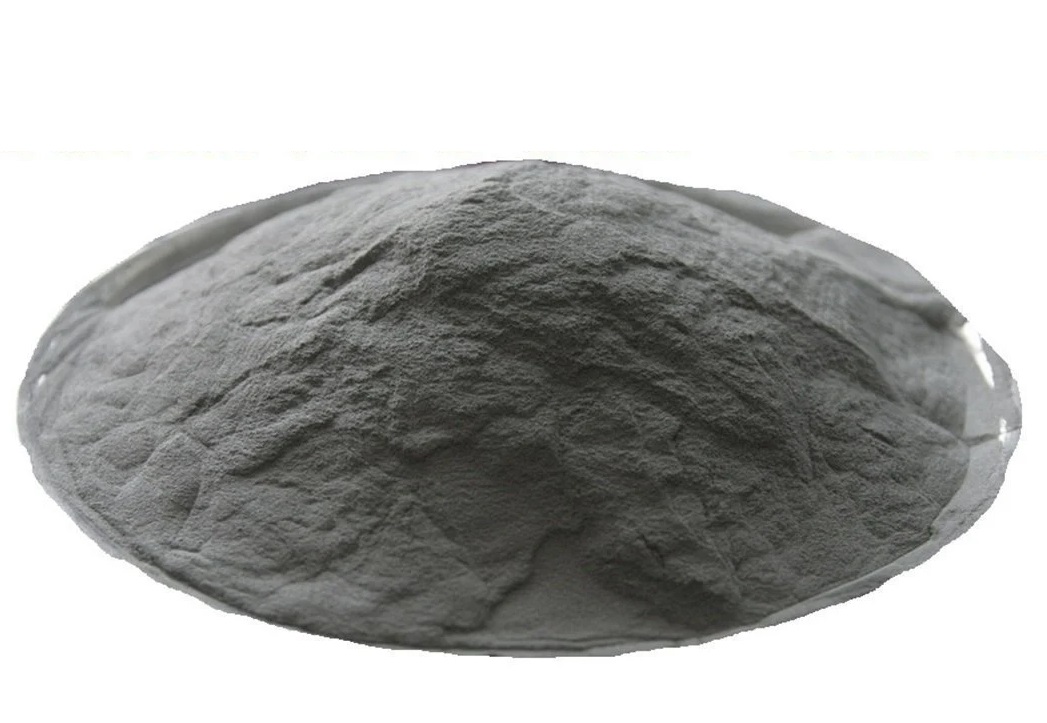
| Appearance | Silver-gray to white metallic powder |
| Odor | Odorless |
| Physical State (20°C) | Solid (powder) |
2. CHEMICAL STRUCTURE
2.1. Molecular Structure
Aluminum powder consists of metallic aluminum particles with a face-centered cubic (FCC) crystal structure. Each aluminum atom is surrounded by 12 neighboring atoms, forming the characteristic face-centered cubic lattice structure. The surface of aluminum powder is naturally coated with a thin layer of aluminum oxide (Al₂O₃) upon exposure to air.
Structural Features:
                    ALUMINUM POWDER (Al)
                          |
                Face-Centered Cubic (FCC)
                          |
        +----------------+----------------+
        |                |                |
    Metallic Bonds   Surface Oxide Layer  (Al₂O₃)
                    (Natural Passivation)
2.2. Crystal Structure
| Parameter | Value |
|---|---|
| Crystal System | Face-Centered Cubic (FCC) |
| Space Group | Fm3̄m (No. 225) |
| Lattice Parameter (a) | 4.049 Å |
| Unit Cell Volume | ~66.4 ų |
| Number of Atoms (Z) | 4 |
| Coordination Number | 12 |
| Atomic Radius | ~1.43 Å |
| Crystal Defects | Vacancies, dislocations, grain boundaries |
2.3. Surface Properties
| Property | Description |
|---|---|
| Oxide Layer | Naturally occurring thin Al₂O₃ layer (~2-4 nm) in air |
| Passivation | Oxide layer protects aluminum from further oxidation |
| Surface Energy | High; finer particles are more reactive |
| Specific Surface Area | 0.5-10 m²/g depending on particle size |
3. PHYSICAL AND CHEMICAL PROPERTIES
| Property | Value | Description |
|---|---|---|
| Appearance | Silver-gray to white metallic powder | - |
| Odor | Odorless | - |
| Chemical Formula | Al | - |
| Molecular Weight | 26.98 g/mol | - |
| Density | ~2.70 g/cm³ (at 20°C) | - |
| Bulk Density | 0.8 – 1.5 g/cm³ | Particle size dependent |
| Melting Point | ~660 °C | - |
| Boiling Point | ~2519 °C | - |
| Thermal Conductivity | ~235 W/(m·K) | At room temperature |
| Electrical Conductivity | ~3.77 × 10⁷ S/m | High conductivity |
| Specific Heat Capacity | ~0.90 J/(g·K) | At 25°C |
| Heat of Vaporization | ~284 kJ/mol | - |
| Heat of Fusion | ~10.79 kJ/mol | - |
| Particle Size | 0 – 200 μm | Product type dependent |
| Purity | 90% – 99% | - |
| Surface Oxide Content | 0.5% – 5.0% | Particle size dependent |
| pH (1% suspension) | ~7-8 | - |
| Active Aluminum | ≥ 85% – 98% | Purity grade dependent |
4. PURITY GRADES
| Parameter | Industrial Grade | High Purity Grade | Ultra High Purity Grade |
|---|---|---|---|
| Purity | ≥ 90.0% | ≥ 98.0% | ≥ 99.5% |
| Al Content | ≥ 90.0% | ≥ 98.0% | ≥ 99.5% |
| Al₂O₃ (Surface Oxide) | 0.5% – 5.0% | 0.5% – 2.0% | ≤ 0.5% |
| Iron (Fe) | ≤ 2.0% | ≤ 0.5% | ≤ 0.1% |
| Silicon (Si) | ≤ 1.0% | ≤ 0.3% | ≤ 0.05% |
| Copper (Cu) | ≤ 0.5% | ≤ 0.1% | ≤ 0.01% |
| Zinc (Zn) | ≤ 0.5% | ≤ 0.1% | ≤ 0.01% |
| Magnesium (Mg) | ≤ 1.0% | ≤ 0.2% | ≤ 0.01% |
| Manganese (Mn) | ≤ 0.5% | ≤ 0.1% | ≤ 0.01% |
| Titanium (Ti) | ≤ 0.1% | ≤ 0.05% | ≤ 0.01% |
5. PARTICLE SIZE CLASSIFICATIONS
| Class | Particle Size | Application Area |
|---|---|---|
| Coarse Powder | > 150 μm | Metallurgy, pyrotechnics |
| Medium Powder | 50 – 150 μm | Paints, coatings, construction |
| Fine Powder | 20 – 50 μm | Paints, pyrotechnics, chemicals |
| Micronized Powder | 5 – 20 μm | Pigments, pyrotechnics, specialty chemicals |
| Ultra Fine Powder | < 5 μm | Electronics, combustion, nanomaterials |
| Nano Powder | < 100 nm | Semiconductors, sensors, electronics |
6. REACTIVITY AND STABILITY
| Parameter | Information |
|---|---|
| Chemical Stability | Stable under normal conditions; passive due to surface oxide layer |
| Conditions to Avoid | Powder can form explosive mixtures in air; high temperature |
| Incompatible Materials | Water (moisture), acids, bases, oxidizing agents, halogens |
| Hazardous Decomposition Products | Aluminum oxide (Al₂O₃), hydrogen gas (with water) |
| Hazardous Polymerization | Will not occur |
| Reaction with Water | Slowly releases hydrogen gas; rapid with fine powders |
| Reaction with Acids | Dissolves, releasing H₂ gas |
| Reaction with Bases | Dissolves, forming aluminates (amphoteric) |
| Oxidation | Burns when heated; bright white light and Al₂O₃ formed |
6.1. Reactions
Reaction with Water:
2Al + 6H₂O → 2Al(OH)₃ + 3H₂↑
Reaction with Acid (HCl):
2Al + 6HCl → 2AlCl₃ + 3H₂↑
Reaction with Base (NaOH):
2Al + 2NaOH + 6H₂O → 2NaAl(OH)₄ + 3H₂↑
Oxidation (Combustion):
4Al + 3O₂ → 2Al₂O₃ + Heat
7. EXPLOSION AND FIRE HAZARDS
| Parameter | Information |
|---|---|
| Dust Explosion Class | St 1 – St 2 (depending on particle size) |
| Minimum Explosion Concentration | 30 – 100 g/m³ |
| Minimum Ignition Energy | 5 – 15 mJ |
| Autoignition Temperature | ~590 °C |
| Explosion Pressure | 6 – 10 bar |
| Kst Value | 15 – 40 bar·m/s |
| Explosive Limit in Air | 15 – 40 g/m³ |
8. APPLICATION AREAS
8.1. Metallurgy and Alloy Production
| Application | Function | Details |
|---|---|---|
| Alloy Production | Primary component | Basic component of aluminum alloys |
| Steel Production | Alloying element | Deoxidation and grain refinement |
| Superalloys | Lightweight strength | Aerospace and defense applications |
| Casting | Fluid flow | Improves casting quality |
| Powder Metallurgy | Powder metal production | Sintered parts |
8.2. Chemical Industry
| Application | Function | Details |
|---|---|---|
| Pyrotechnics | Reactive | Fireworks, pyrotechnic mixtures |
| Aluminum Compounds | Raw material | Aluminum sulfate, aluminum chloride production |
| Catalyst Production | Support material | Petrochemical catalysts |
| Chemical Synthesis | Reducing agent | Organic and inorganic syntheses |
8.3. Coating and Paint Industry
| Application | Function | Details |
|---|---|---|
| Silver Paint | Pigment | Provides metallic luster |
| Anti-Corrosion Coatings | Protective layer | Used with zinc |
| Heat Reflective Coatings | Heat reflector | Industrial paint applications |
| Automotive Paints | Decorative effect | Metallic colors |
| Powder Coatings | Additive | Surface quality improvement |
8.4. Construction and Concrete Reinforcement
| Application | Function | Details |
|---|---|---|
| Aerated Concrete | Gas forming agent | Lightweight concrete via Al + OH⁻ → H₂↑ |
| Concrete Additive | Strength enhancer | Improves concrete durability |
| Refractory Materials | Heat resistance | High temperature applications |
| Asphalt Coatings | Additive | Durability in road surfaces |
8.5. Electrical and Energy
| Application | Function | Details |
|---|---|---|
| Electrical Conductors | High conductivity | Electrical components |
| Batteries | Anode material | Aluminum-air batteries |
| Capacitors | Electrode | Electrolytic capacitors |
| Solar Cells | Conductive material | Photovoltaic applications |
8.6. Pyrotechnics and Defense
| Application | Function | Details |
|---|---|---|
| Fireworks | Bright white light | Atmospheric combustion |
| Traffic Signals | Brightness | Road flares |
| Thermite Mixtures | High heat | Welding and cutting |
| Military Applications | Flash | Signal flares, projectors |
9. SECTOR SUITABILITY TABLE
| Sector | Suitability | Note |
|---|---|---|
| Metallurgy | ✔ | Alloy production, steel deoxidation |
| Chemicals | ✔ | Pyrotechnics, chemical synthesis |
| Coatings and Paints | ✔ | Pigment, metallic coatings |
| Construction | ✔ | Aerated concrete, concrete reinforcement |
| Electrical/Energy | ✔ | Conductors, batteries |
| Defense | ✔ | Pyrotechnics, military applications |
| Food/Cosmetics | ✖ | Not suitable |
| Medical | ✖ | Not suitable |
10. PACKAGING OPTIONS
| Packaging Type | Quantity | Material |
|---|---|---|
| Kraft Bag | 25 kg | PE-lined, moisture-proof |
| Fiber Drum | 25 kg, 50 kg | PE-lined, moisture-proof |
| Plastic Drum | 50 kg | HDPE drum |
| Metal Drum | 50 kg, 100 kg | Steel drum (with static precautions) |
| IBC Tank | 500 kg, 1000 kg | Plastic IBC |
11. TOXICOLOGICAL PROFILE
| Parameter | Value |
|---|---|
| Acute Oral Toxicity (LD50, Rat) | > 5,000 mg/kg (low toxicity) |
| Acute Dermal Toxicity | Low |
| Skin Irritation | Mechanical irritant |
| Eye Irritation | Mechanical irritant |
| Inhalation | Dust may cause lung irritation; aluminum powder lung disease risk |
| Carcinogenicity | Not classified as a carcinogen |
| Mutagenicity | Not mutagenic |
| Reproductive Toxicity | No effects at normal levels |
| Occupational Exposure Limit (TWA) | 5 mg/m³ (dust) |
| Aluminum Oxide | Low toxicity |
12. GHS CLASSIFICATION
| Hazard Class | Category | H-Statement |
|---|---|---|
| Flammable Solid | Category 1 | H228: Flammable solid |
| Substances which in contact with water emit flammable gases | Category 2 | H261: In contact with water releases flammable gas |
| Skin Irritation | Category 2 | H315: Causes skin irritation |
| Eye Irritation | Category 2 | H319: Causes serious eye irritation |
| Specific Target Organ Toxicity | Category 3 | H335: May cause respiratory irritation |
Signal Word: DANGER
Hazard Pictograms: GHS02 (Flame), GHS07 (Exclamation Mark)
Hazard Statements (H-Codes):
| Code | Statement |
|---|---|
| H228 | Flammable solid |
| H261 | In contact with water releases flammable gas |
| H315 | Causes skin irritation |
| H319 | Causes serious eye irritation |
| H335 | May cause respiratory irritation |
13. PRECAUTIONARY STATEMENTS (P-CODES)
| Code | Statement |
|---|---|
| P210 | Keep away from heat/sparks/open flames/hot surfaces. No smoking |
| P233 | Keep container tightly closed |
| P240 | Ground/bond container and receiving equipment |
| P241 | Use explosion-proof electrical equipment |
| P261 | Avoid breathing dust |
| P264 | Wash hands thoroughly after handling |
| P280 | Wear protective gloves/protective clothing/eye protection/face protection |
| P302+P352 | IF ON SKIN: Wash with plenty of soap and water |
| P305+P351+P338 | IF IN EYES: Rinse cautiously with water for several minutes. Remove contact lenses if present |
| P335+P334 | Brush off loose particles. Store in a cool, ventilated area |
| P337+P313 | If eye irritation persists: Get medical advice/attention |
| P370+P378 | In case of fire: Use dry sand, dry chemical, or Class D fire extinguisher |
| P402+P404 | Store in a dry place. Store in a closed container |
| P501 | Dispose of contents/container in accordance with local regulations |
14. FIRST AID MEASURES
| Route of Exposure | Action to Be Taken |
|---|---|
| Inhalation | Move to fresh air. If breathing difficulty occurs, administer oxygen. If symptoms persist, seek medical attention |
| Skin Contact | Wash with plenty of soap and water. Remove contaminated clothing |
| Eye Contact | Rinse thoroughly with plenty of water for at least 15 minutes. Remove contact lenses. If irritation persists, seek medical attention |
| Ingestion | Rinse mouth. If conscious, drink water. Do not induce vomiting. Seek medical attention |
15. FIRE-FIGHTING MEASURES
| Parameter | Information |
|---|---|
| Fire Hazard | Flammable dust; can form explosive mixtures in air |
| Hazards from Fire | Aluminum oxide fumes; high heat |
| Suitable Extinguishing Media | Dry sand, salt, Class D metal fire extinguisher |
| Unsuitable Extinguishing Media | Water, CO₂, foam (may cause reaction) |
| Special Protective Equipment | Full protective clothing and SCBA (self-contained breathing apparatus) |
16. ACCIDENTAL RELEASE MEASURES
| Parameter | Information |
|---|---|
| Personal Protection | Dust mask (N95/FFP2), protective goggles, gloves, antistatic clothing |
| Ventilation | Increase ventilation; use local exhaust in confined spaces |
| Containment | Cover spilled area to prevent dust dispersion |
| Cleaning Methods | Collect dry using vacuum or careful sweeping. Do not sweep or disperse with air |
| Environmental Precautions | Prevent entry into drains, sewers, and water bodies |
| Waste Disposal | Dispose of in accordance with local regulations |
17. STORAGE AND SHELF LIFE
| Parameter | Information |
|---|---|
| Storage Conditions | Store in a cool, dry, well-ventilated area away from heat, sparks, and flame |
| Container Requirements | Keep tightly closed in moisture-proof containers; static electricity precautions |
| Materials to Avoid | Water, acids, bases, oxidizers, halogens |
| Shelf Life | 24 months under proper conditions |
| Stability Note | May generate hydrogen gas when exposed to moisture; caking may occur |
18. ENVIRONMENTAL INFORMATION
| Parameter | Information |
|---|---|
| Aquatic Toxicity | Low toxicity |
| Biodegradability | Not biodegradable (metal) |
| Bioaccumulation | Not expected |
| Environmental Precautions | Avoid large releases into water bodies |
19. OTHER NAMES AND SYNONYMS
-
Aluminum Powder
-
Aluminum Metallic Powder
-
Atomized Aluminum Powder
-
Micronized Aluminum
-
Aluminum Pigment Powder
-
Granular Aluminum Powder
-
Aluminum Metal Powder
20. QUICK REFERENCE TABLE
| Property | Value |
|---|---|
| CAS Number | 7429-90-5 |
| EC Number | 231-072-3 |
| Chemical Formula | Al |
| Molecular Weight | 26.98 g/mol |
| Appearance | Silver-gray to white metallic powder |
| Density | 2.70 g/cm³ |
| Melting Point | 660 °C |
| Particle Size | 0-200 μm |
| Purity | 90% – 99% |
| Thermal Conductivity | 235 W/(m·K) |
| Electrical Conductivity | 3.77 × 10⁷ S/m |
| Surface Oxide | 0.5% – 5.0% |
| Dust Explosion Class | St 1 – St 2 |
| Minimum Explosion Concentration | 30 – 100 g/m³ |
| Minimum Ignition Energy | 5 – 15 mJ |
| HS Code | 7603.10 |
| GHS Signal Word | DANGER |
| UN Number | 1309 (Aluminum Powder, Coated) / 1396 (Uncoated) |
21. CRITICAL NOTICES AND BEST PRACTICES
CRITICAL NOTICES:
-
Dust Explosion Risk: Aluminum powder can form explosive mixtures in air. Proper ventilation and explosion prevention systems must be used during processing. All equipment must be grounded and static electricity precautions taken.
-
Reaction with Water: Aluminum powder reacts with water or moisture to release hydrogen gas. Hydrogen gas is explosive in air. Aluminum powder must never be exposed to water.
-
Fire Extinguishing: Never use water, CO₂, or foam on aluminum powder fires. Only use dry sand, salt, or Class D fire extinguishers.
-
Static Electricity: Aluminum powder can accumulate static electricity. All equipment must be grounded and antistatic clothing worn.
-
Protective Equipment: Use of dust mask, safety goggles, and gloves is mandatory. Adequate ventilation must be provided.
-
Moisture Sensitivity: May generate hydrogen gas when exposed to moisture. Must be stored in dry conditions.
-
Acid/Base Reaction: Contact with acids and bases releases hydrogen gas and may cause exothermic reactions.
BEST PRACTICE RECOMMENDATIONS:
Storage:
-
Store in a cool, dry, well-ventilated area
-
Keep away from heat, sparks, and flame
-
Keep tightly closed in moisture-proof containers
-
Grounding and static electricity precautions
-
Store separately from water, acids, bases, and oxidizers
Handling:
-
Use in well-ventilated areas
-
Use dust mask, protective goggles, and gloves
-
Avoid dust formation
-
Ground all equipment
-
Wear antistatic clothing and footwear
-
Wash hands after handling
Emergency Fire:
-
Never use water
-
Use dry sand, salt, or Class D fire extinguisher
-
Use SCBA (self-contained breathing apparatus)
Waste Management:
-
Dispose in accordance with local regulations
-
Do not discharge into water bodies
-
Consider recycling if possible
LEGAL DISCLAIMER
This Technical Data Sheet (TDS) is for informational purposes only and is prepared based on available technical data. The user is solely responsible for determining the suitability of the product for their specific application and for complying with all local, national, and international regulations. For complete safety, storage, handling, transport, waste, and regulatory compliance information, the official Safety Data Sheet (SDS/MSDS) provided by the manufacturer/supplier must be consulted. This document does not substitute professional advice. Aluminum powder is an explosive and flammable material; appropriate precautions must be taken during handling.