We unleash your business potential by maximize the business innovation.
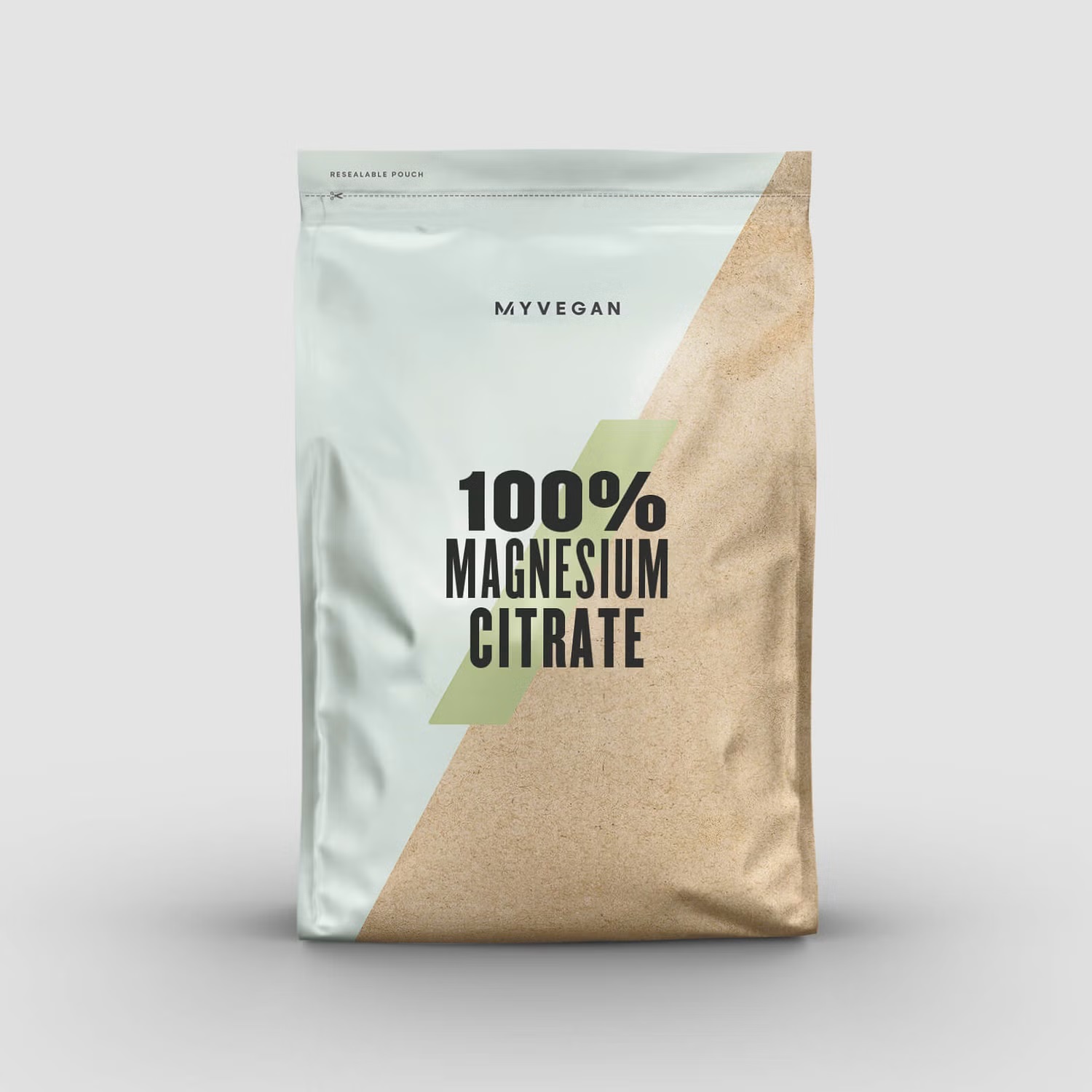
Send EmailMagnesium Citrate, Trimagnesium Citrate, Magnesium Dicitrate, Trimagnesium Dicitrate, 3344-18-1
MAGNESIUM CITRATE – MAGNEZYUM SİTRAT
CAS Number: 3344-18-1
EC Number (EINECS): 222-093-9
Molecular Formula: C₁₂H₁₀Mg₃O₁₄
Molecular Weight: 451.12 g/mol
SECTION 1: CHEMICAL IDENTITY AND DEFINITION
| Parameter | Information |
|---|---|
| Chemical Name (IUPAC) | Trimagnesium 2-hydroxypropane-1,2,3-tricarboxylate |
| Other Names | Magnesium Citrate, Trimagnesium Citrate, Magnesium Dicitrate, Citric Acid Magnesium Salt, Trimagnesium Dicitrate |
| Chemical Formula | C₁₂H₁₀Mg₃O₁₄ |
| Molecular Weight | 451.12 g/mol |
| CAS Number | 3344-18-1 |
| EC Number (EINECS) | 222-093-9 |
| Chemical Class | Organic magnesium salt (citrate) |
| Appearance | White to off-white, fine powder |
| Odor | Odorless |
| Physical State (20°C) | Solid (powder) |
SECTION 2: PHYSICAL PROPERTIES
| Property | Value |
|---|---|
| Appearance | White to off-white, fine powder |
| Odor | Odorless |
| Molecular Weight | 451.12 g/mol |
| Magnesium Content | ~16.2% (theoretical) |
| Melting Point | ~185 °C (decomposes) |
| Density | ~1.3 g/cm³ |
| Solubility in Water (20°C) | Low (practically insoluble) |
| Solubility in Dilute Acids | Soluble (HCl, HNO₃, H₂SO₄) |
| Solubility in Ethanol | Insoluble |
| pH (suspension) | ~6.0 – 7.0 (neutral) |
SECTION 3: CHEMICAL PROPERTIES
| Property | Information |
|---|---|
| Chemical Formula | C₁₂H₁₀Mg₃O₁₄ |
| Molecular Weight | 451.12 g/mol |
| Chemical Class | Organic magnesium salt (citrate) |
| Structure | Trimagnesium salt of citric acid |
| Magnesium Content | ~16.2% (by weight) |
| SMILES | [Mg+2].[Mg+2].[Mg+2].O=C([O-])CC(O)(CC([O-])=O)C([O-])=O |
| Stability | Stable under normal storage conditions |
| Hygroscopicity | Low |
Chemical Structure:
    CH₂-COO⁻
        |
HO-C-COO⁻   Mg²⁺ (x3)
        |
    CH₂-COO⁻

(Trimagnesium Citrate)
SECTION 4: COMPARISON WITH OTHER MAGNESIUM COMPOUNDS
| Compound | Water Solubility | Magnesium Content | Bioavailability |
|---|---|---|---|
| Magnesium Citrate | Low | ~16.2% | High |
| Magnesium Oxide | Very Low | ~60% | Low |
| Magnesium Sulfate | High | ~20% | High |
| Magnesium Chloride | High | ~12% | High |
| Magnesium Glycinate | High | ~10% | Very High |
| Magnesium Lactate | Moderate | ~12% | High |
SECTION 5: BIOLOGICAL AND PHARMACOLOGICAL PROPERTIES
| Parameter | Description |
|---|---|
| Essential Mineral | Magnesium is one of the most abundant minerals in the body |
| Osmotic Cathartic | Citrate derivative acts as an osmotic cathartic agent |
| Nitric Oxide Synthesis | Stimulates nitric oxide synthesis → increases intestinal secretion |
| Platelet Activating Factor | Stimulates biosynthesis of platelet-activating factor → enhances gastrointestinal activity |
| Laxative Effect | Used as active ingredient in laxative medications |
| Enzyme Cofactor | Cofactor for over 300 enzymatic reactions |
| Muscle Function | Essential for muscle contraction and relaxation |
| Nerve Function | Critical for nerve transmission |
SECTION 6: MECHANISM OF ACTION (LAXATIVE EFFECT)
| Step | Description |
|---|---|
| 1 | Ingestion of magnesium citrate |
| 2 | Poorly absorbed in the intestine; draws water by osmosis |
| 3 | Increases intestinal fluid volume |
| 4 | Stimulates nitric oxide (NO) synthesis |
| 5 | Increases intestinal secretion |
| 6 | Stimulates platelet-activating factor (PAF) biosynthesis |
| 7 | Enhances gastrointestinal motility |
| 8 | Produces bowel movement within 0.5-6 hours |
SECTION 7: APPLICATION AREAS
7.1. Pharmaceutical Applications
| Application | Description |
|---|---|
| Laxative Preparations | As osmotic cathartic agent; stimulates bowel movement |
| Bowel Preparation | Used before colonoscopy and medical procedures |
| Antacid Formulations | As inactive ingredient in some formulations |
| Magnesium Supplementation | For magnesium deficiency (hypomagnesemia) |
| Osteoporosis Treatment | Calcium supplements often combined with magnesium |
| Oral Solutions | Liquid formulations for bowel preparation |
7.2. Dietary Supplements
| Application | Description |
|---|---|
| Tablets and Capsules | Magnesium source for daily supplementation |
| Powder Formulations | For reconstitution as oral solution |
| Multivitamin/Mineral Complexes | Magnesium component in mineral blends |
| Sports Supplements | Replaces magnesium lost through sweating |
7.3. Food Industry
| Application | Description |
|---|---|
| Food Fortification | Magnesium source for enriched foods |
| Mineral Water | Magnesium addition |
| Bakery Products | Limited use as dough conditioner |
7.4. Industrial Applications
| Application | Description |
|---|---|
| Magnesium-Aluminum Alloys | Indirect contribution in alloy production |
| Water Treatment | As magnesium source in water treatment |
| Agriculture | As magnesium source in fertilizers |
SECTION 8: PHARMACEUTICAL DOSAGE FORMS
| Form | Description |
|---|---|
| Oral Solution (Liquid) | Common for bowel preparation; rapidly acting |
| Tablets | For magnesium supplementation |
| Capsules | For magnesium supplementation |
| Powder for Reconstitution | Flexible dosing option |
| Chewable Tablets | Convenient for patients |
| Effervescent Tablets | Enhanced solubility and palatability |
SECTION 9: QUALITY SPECIFICATIONS
| Parameter | Specification |
|---|---|
| Appearance | White to off-white, fine powder |
| Identification | Positive (Magnesium and Citrate tests) |
| Assay (on dried basis) | 98.0 – 102.0% |
| Magnesium Content | 15.5 – 17.0% |
| Loss on Drying | ≤ 1.0% |
| Residue on Ignition | ≤ 0.5% |
| Chlorides (Cl) | ≤ 0.01% |
| Sulfates (SO₄) | ≤ 0.01% |
| Heavy Metals (as Pb) | ≤ 10 ppm |
| Lead (Pb) | ≤ 3 ppm |
| Arsenic (As) | ≤ 3 ppm |
| Mercury (Hg) | ≤ 1 ppm |
| Cadmium (Cd) | ≤ 1 ppm |
SECTION 10: MICROBIOLOGICAL SPECIFICATIONS
| Parameter | Specification |
|---|---|
| Total Aerobic Mesophilic Bacteria | ≤ 1,000 CFU/g |
| Yeast and Mold | ≤ 100 CFU/g |
| Salmonella spp. | Negative in 25g |
| Escherichia coli | Negative in 10g |
| Staphylococcus aureus | Negative in 1g |
| Pseudomonas aeruginosa | Negative in 1g |
SECTION 11: STORAGE AND SHELF LIFE
| Parameter | Information |
|---|---|
| Storage Conditions | Cool (15-25°C), dry, well-ventilated area |
| Container Requirements | Tightly closed, original packaging |
| Protect From | Moisture, strong acids, strong bases |
| Shelf Life | 24-60 months (unopened original packaging) |
SECTION 12: PACKAGING OPTIONS
| Packaging Type | Quantity | Material |
|---|---|---|
| PE-lined kraft paper bag | 25 kg | Kraft paper + PE |
| Plastic pail | 20-25 kg | HDPE |
| Aluminum foil bag | 1-5 kg | Laminated aluminum |
| Big-Bag | 500-1000 kg | Polypropylene |
| Plastic bag | 25 kg | HDPE/LDPE |
SECTION 13: SAFETY AND HEALTH INFORMATION
GHS Classification (Bulk Powder)
| Hazard Class | Category |
|---|---|
| Skin Irritation | Category 2 (H315) |
| Eye Irritation | Category 2A (H319) |
| Specific Target Organ Toxicity (STOT - SE) | Category 3 (H335) |
Hazard Statements (H-Codes)
| Code | Statement |
|---|---|
| H315 | Causes skin irritation |
| H319 | Causes serious eye irritation |
| H335 | May cause respiratory irritation |
Precautionary Statements (P-Codes)
| Code | Statement |
|---|---|
| P261 | Avoid breathing dust |
| P280 | Wear protective gloves/eye protection |
| P302+P352 | IF ON SKIN: Wash with plenty of soap and water |
| P305+P351+P338 | IF IN EYES: Rinse cautiously with water for several minutes; remove contact lenses if present and easy to do; continue rinsing |
SECTION 14: TOXICOLOGICAL INFORMATION
| Parameter | Value |
|---|---|
| Oral LD50 (Rat) | > 2,000 mg/kg |
| ADI (Acceptable Daily Intake) | Not specified (JECFA) |
| Carcinogenicity | Not classified as carcinogenic |
| Mutagenicity | Negative in standard tests |
| Reproductive Toxicity | No evidence of adverse effects |
| GRAS Status (FDA) | 21 CFR 184.1760 |
SECTION 15: FIRST AID MEASURES
| Exposure Route | Action |
|---|---|
| Inhalation | Move to fresh air. If respiratory irritation persists, seek medical attention. |
| Skin Contact | Wash with plenty of soap and water. Remove contaminated clothing. |
| Eye Contact | Rinse immediately with plenty of water for at least 15 minutes. Seek medical attention. |
| Ingestion | Rinse mouth. Drink plenty of water. Seek medical attention. |
SECTION 16: REGULATORY STATUS
| Region / Authority | Status |
|---|---|
| European Union | Approved as food supplement and pharmaceutical excipient |
| USA (FDA) | GRAS (21 CFR 184.1760) |
| Turkey | Approved (Turkish Food Codex) |
| JECFA (FAO/WHO) | Approved; ADI: Not specified |
| EFSA | Approved as magnesium source |
| USP | Monograph included |
| Ph. Eur. | Monograph included |
SECTION 17: TRANSPORT INFORMATION
| Parameter | Information |
|---|---|
| UN Number | Not regulated (not dangerous goods) |
| Hazard Class | Not applicable |
| Packing Group | Not applicable |
| ADR/RID | Not regulated |
| IMDG Code | Not regulated |
| IATA (Air) | Not regulated |
| Marine Pollutant | No |
SECTION 18: FIRE-FIGHTING MEASURES
| Parameter | Information |
|---|---|
| Fire Hazard | Non-combustible (organic salt) |
| Suitable Extinguishing Media | Water spray (mist), CO₂, dry chemical powder |
| Specific Hazards | When heated, emits magnesium oxide fumes, CO, CO₂ |
| Decomposition Products | MgO, CO, CO₂ |
| Protective Equipment | Self-contained breathing apparatus (SCBA), full protective clothing |
SECTION 19: ACCIDENTAL SPILLAGE AND CLEANUP
| Parameter | Information |
|---|---|
| Personal Protection | Nitrile gloves, protective goggles, dust mask (N95) |
| Cleaning Methods | Collect mechanically (sweep or spatula) |
| Environmental Precautions | Prevent entry into drains, soil, and surface waters |
| Waste Disposal | According to local regulations; landfilling at licensed facilities |
SECTION 20: ENVIRONMENTAL INFORMATION
| Parameter | Information |
|---|---|
| Biodegradability | Readily biodegradable |
| Aquatic Toxicity | Low toxicity |
| Bioaccumulation | Not expected |
| Waste Disposal | Dispose according to local regulations |
SECTION 21: OTHER NAMES AND SYNONYMS
| Type | Name |
|---|---|
| Turkish Names | Magnezyum Sitrat, Trimagnezyum Sitrat, Magnezyum Disitrat |
| English Names | Magnesium Citrate, Trimagnesium Citrate, Magnesium Dicitrate, Trimagnesium Dicitrate |
| Chemical Names | 1,2,3-Propanetricarboxylic acid, 2-hydroxy-, magnesium salt |
| CAS Number | 3344-18-1 |
| EC Number | 222-093-9 |
Trade Names (Partial List):
-
Citrate of Magnesia
-
Various generics
SECTION 22: SUMMARY AND CRITICAL NOTES
Product Summary
| Parameter | Value |
|---|---|
| Product | Magnesium Citrate (Trimagnesium Citrate) |
| CAS Number | 3344-18-1 |
| Appearance | White to off-white, fine powder |
| Molecular Weight | 451.12 g/mol |
| Magnesium Content | ~16.2% |
| Primary Function | Laxative, magnesium supplement |
Critical Notes
-
Laxative Effect: Magnesium citrate acts as an osmotic cathartic agent; produces bowel movement within 0.5-6 hours.
-
Poor Water Solubility: Low solubility in water; better solubility in dilute acids.
-
High Bioavailability: Despite low solubility, citrate form provides relatively high magnesium bioavailability.
-
Nitric Oxide Stimulation: Stimulates nitric oxide synthesis, increasing intestinal secretion.
-
Bowel Preparation: Widely used for colonoscopy preparation and medical procedures.
-
Magnesium Supplementation: Used as magnesium source for deficiency treatment.
-
Industrial Use: Used in magnesium-aluminum alloy production.
-
Regulatory Status: Approved by FDA (GRAS), JECFA, and Turkish Food Codex.
-
Pharmacopoeial Status: Included in USP and Ph. Eur. monographs.
-
Comparison: Offers higher bioavailability than magnesium oxide, with lower solubility than magnesium sulfate.
IMPORTANT DECLARATION: This Technical Data Sheet (TDS) is for informational purposes only and has been prepared based on available technical data. The user is responsible for determining the product's suitability for their specific application and for complying with all local, national, and international regulations. For complete safety, storage, use, transport, waste, and regulatory compliance information, refer to the official Safety Data Sheet (SDS/MSDS) provided by the manufacturer/supplier. This document does not replace medical advice.