We unleash your business potential by maximize the business innovation.
Send EmailTripotassium Citrate, Tripotassium Citrate Monohydrate, Tripotassium Citrate Anhydrate, Potassium Citrate, E332, 866-84-2, 6100-05-6
TRIPOTASSIUM CITRATE – TRİPOTASYUM SİTRAT
CAS Number: 866-84-2 (Anhydrous), 6100-05-6 (Monohydrate)
EC Number (EINECS): 212-755-5
Molecular Formula: C₆H₅K₃O₇
Molecular Weight: 306.39 g/mol (Anhydrous), 324.41 g/mol (Monohydrate)
E Number: E332
SECTION 1: CHEMICAL IDENTITY AND DEFINITION
| Parameter | Information |
|---|---|
| Chemical Name (IUPAC) | Tripotassium 2-hydroxypropane-1,2,3-tricarboxylate |
| Other Names | Potassium Citrate, Tripotassium Citrate, TKC, Citric Acid Potassium Salt, Potassium Tribasic Citrate |
| Chemical Formula | C₆H₅K₃O₇ |
| Molecular Weight (Anhydrous) | 306.39 g/mol |
| Molecular Weight (Monohydrate) | 324.41 g/mol |
| CAS Number (Anhydrous) | 866-84-2 |
| CAS Number (Monohydrate) | 6100-05-6 |
| EC Number (EINECS) | 212-755-5 |
| E Number | E332 (Acidity regulator, stabilizer) |
| Chemical Class | Organic potassium salt (citrate) |
| Appearance | White, crystalline powder or granules |
| Odor | Odorless |
| Taste | Saline, slightly tart |
| Physical State (20°C) | Solid (powder or granules) |
SECTION 2: PHYSICAL PROPERTIES
| Property | Value |
|---|---|
| Appearance | White, crystalline powder or granules |
| Odor | Odorless |
| Taste | Saline, slightly tart |
| Molecular Weight (Anhydrous) | 306.39 g/mol |
| Molecular Weight (Monohydrate) | 324.41 g/mol |
| Melting Point | 230 °C (decomposes) |
| Density (20°C) | 1.187 g/cm³ |
| Solubility in Water (20°C) | Soluble (~150 g/100 mL) |
| Solubility in Glycerin | Soluble |
| Solubility in Ethanol | Insoluble |
| pH (5% aqueous solution) | 7.5 – 9.0 (slightly alkaline) |
| Hygroscopicity | Slightly hygroscopic |
| Bulk Density | ~0.6 – 0.8 g/cm³ |
SECTION 3: FORMS OF TRIPOTASSIUM CITRATE
| Form | CAS Number | Formula | Description |
|---|---|---|---|
| Anhydrous | 866-84-2 | C₆H₅K₃O₇ | Water-free form; more concentrated and stable; preferred for low-moisture applications |
| Monohydrate | 6100-05-6 | C₆H₅K₃O₇·H₂O | Contains one water molecule per molecule; slightly hygroscopic |
| Powder | - | - | Fine crystalline powder for easy dissolution |
| Granular | - | - | Free-flowing granules for handling and blending |
SECTION 4: CHEMICAL PROPERTIES
| Property | Information |
|---|---|
| Chemical Formula (Anhydrous) | C₆H₅K₃O₇ |
| Chemical Formula (Monohydrate) | C₆H₅K₃O₇·H₂O |
| Molecular Weight (Anhydrous) | 306.39 g/mol |
| Molecular Weight (Monohydrate) | 324.41 g/mol |
| Chemical Class | Organic potassium salt (citrate) |
| Structure | Tripotassium salt of citric acid |
| Potassium Content | ~38.3% (by weight) |
| SMILES | [K+].[K+].[K+].OC(CC(=O)[O-])(CC(=O)[O-])C(=O)[O-] |
| InChI Key | HXTCQYNGNJRUJX-UHFFFAOYSA-K |
| Stability | Stable under normal storage conditions |
| Hygroscopicity | Slightly hygroscopic |
| Incompatible Materials | Strong oxidizing agents, strong acids (releases citric acid) |
Chemical Structure:
    CH₂-COO⁻
        |
HO-C-COO⁻   K⁺ (x3)
        |
    CH₂-COO⁻

(Tripotassium Citrate)
SECTION 5: MECHANISM OF ACTION
| Parameter | Description |
|---|---|
| Primary Function | Acidity regulator, buffering agent, stabilizer |
| Mechanism (Food) | Neutralizes acids and maintains pH; chelates metal ions |
| Mechanism (Medical) | Metabolized to bicarbonate; alkalinizes urine and blood |
| Urinary Alkalization | Increases urinary citrate levels; prevents calcium stone formation |
| Antioxidant Synergy | Enhances antioxidant activity of other compounds (vitamin C) |
| Chelating Effect | Binds metal ions (Ca²⁺, Mg²⁺, Fe²⁺) preventing discoloration and oxidation |
SECTION 6: TECHNICAL FUNCTIONALITY
| Property | Description |
|---|---|
| Primary Function | Acidity regulator, buffering agent, stabilizer |
| Secondary Function | Chelating agent, emulsifier, preservative enhancer |
| Buffering Capacity | Effective in pH range 7.5 – 9.0 |
| Chelating Effect | Binds metal ions; prevents oxidation and discoloration |
| Potassium Source | Provides potassium ions for nutrition and replacement |
| Low Sodium Alternative | Preferred when low sodium content is desired (alternative to trisodium citrate) |
| Sensory Impact | Saline, slightly tart taste; does not affect odor |
SECTION 7: FOOD INDUSTRY APPLICATIONS (E332)
| Application | Function | Typical Dosage |
|---|---|---|
| Soft Drinks and Fruit Juices | Acidity regulator, buffering agent | 0.1-0.5% |
| Carbonated Beverages | pH control, flavor enhancement | 0.1-0.3% |
| Jams and Jellies | pH adjustment, gelling aid | 0.1-0.5% |
| Processed Cheeses | Emulsifying salt, stabilizer | 0.5-2.0% |
| Dairy Products | Stabilizer, pH control | 0.1-0.5% |
| Confectionery | pH control, crystallization inhibitor | 0.1-0.5% |
| Meat Products | Color stabilizer, antioxidant synergist | 0.1-0.3% |
| Canned Vegetables | pH control, color retention | 0.1-0.3% |
| Bakery Products | Dough conditioner, leavening aid | 0.1-0.3% |
| Dietary Supplements | Potassium source, mineral supplement | As formulated |
SECTION 8: PHARMACEUTICAL APPLICATIONS
| Application | Description |
|---|---|
| Urinary Alkalinization | Increases urine pH; treats uric acid and cystine stones |
| Potassium Supplementation | Treats potassium deficiency (hypokalemia) |
| Renal Tubular Acidosis | Corrects metabolic acidosis; alkalizing agent |
| Oral Solutions | Stabilizer in liquid pharmaceutical formulations |
| Osteoporosis Treatment | Used in formulations for bone density improvement |
| Diuretic Therapy | Potassium replacement in diuretic therapy |
SECTION 9: COSMETIC AND PERSONAL CARE APPLICATIONS
| Application | Function |
|---|---|
| Dental Care Products | Reduces tooth sensitivity |
| Skin Care | pH regulator, buffering agent |
| Oral Hygiene | Tartar control, pH adjustment |
| Personal Care | Chelating agent, stabilizer |
SECTION 10: INDUSTRIAL APPLICATIONS
| Application | Description |
|---|---|
| Wood Treatment | Environmentally friendly flame retardant for wood products |
| Water Treatment | Chelating agent, pH adjustment |
| Textile Industry | Dyeing aid, pH control |
| Construction | Cement additive, setting time control |
SECTION 11: COMPARISON: ANHYDROUS VS MONOHYDRATE
| Property | Anhydrous (866-84-2) | Monohydrate (6100-05-6) |
|---|---|---|
| CAS Number | 866-84-2 | 6100-05-6 |
| Formula | C₆H₅K₃O₇ | C₆H₅K₃O₇·H₂O |
| Molecular Weight | 306.39 g/mol | 324.41 g/mol |
| Water Content | 0% | ~5.5% |
| Potassium Content | ~38.3% | ~36.2% |
| Hygroscopicity | Slightly hygroscopic | Slightly more hygroscopic |
| Stability | More stable | May lose water over time |
| Preferred Applications | Low-moisture applications, precise dosing | General applications, easier dissolution |
SECTION 12: QUALITY SPECIFICATIONS (FOOD GRADE)
| Parameter | Specification (EU / USP / FCC) |
|---|---|
| Appearance | White, crystalline powder or granules |
| Identification | Positive (Potassium and Citrate tests) |
| Assay (on dried basis) | 99.0 – 101.0% |
| Loss on Drying (Anhydrous) | ≤ 1.0% |
| Loss on Drying (Monohydrate) | 4.0 – 7.0% |
| Chlorides | ≤ 0.01% |
| Sulfates | ≤ 0.01% |
| Heavy Metals (as Pb) | ≤ 10 ppm |
| Arsenic (As) | ≤ 3 ppm |
| Lead (Pb) | ≤ 2 ppm |
| Mercury (Hg) | ≤ 1 ppm |
| Calcium (Ca) | ≤ 0.02% |
| Sodium (Na) | ≤ 0.5% |
| pH (5% solution) | 7.5 – 9.0 |
SECTION 13: MICROBIOLOGICAL SPECIFICATIONS
| Parameter | Specification |
|---|---|
| Total Aerobic Mesophilic Bacteria | ≤ 1,000 CFU/g |
| Yeast and Mold | ≤ 100 CFU/g |
| Salmonella spp. | Negative in 25g |
| Escherichia coli | Negative in 10g |
SECTION 14: STORAGE AND SHELF LIFE
| Parameter | Information |
|---|---|
| Storage Conditions | Cool (15-25°C), dry, well-ventilated area |
| Container Requirements | Tightly closed, original packaging |
| Protect From | Moisture (slightly hygroscopic), strong acids |
| Shelf Life | 24-60 months (unopened original packaging) |
SECTION 15: PACKAGING OPTIONS
| Packaging Type | Quantity | Material |
|---|---|---|
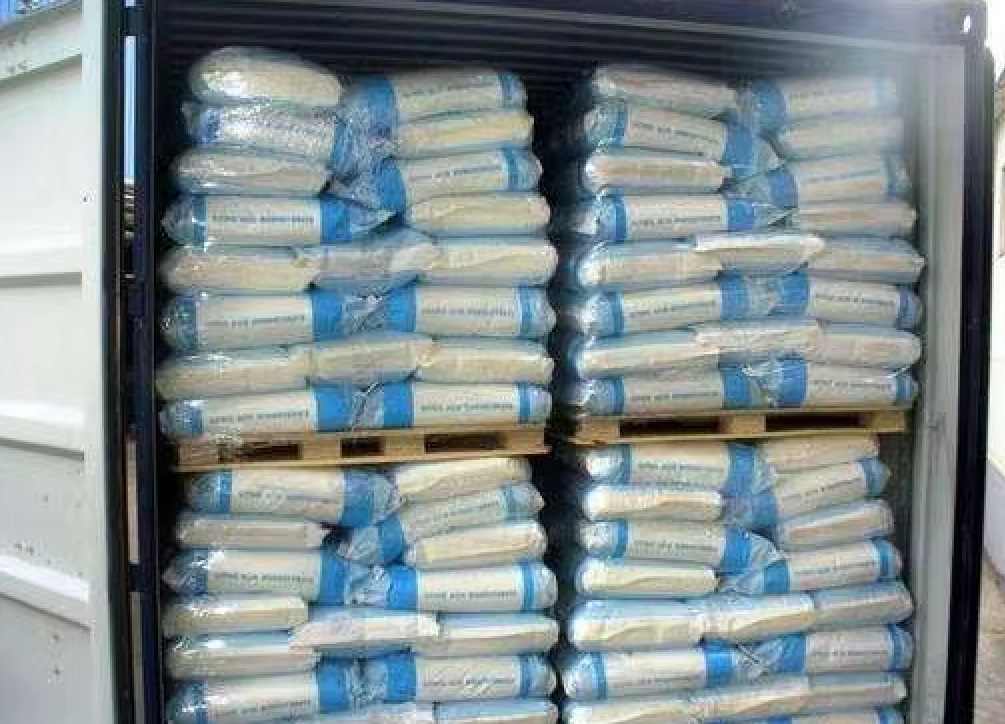
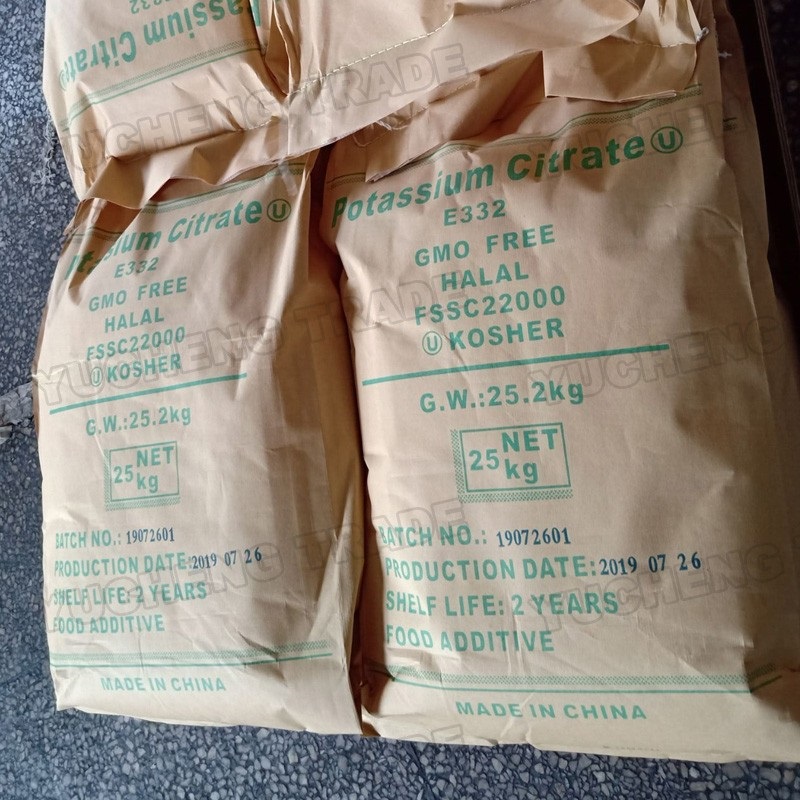
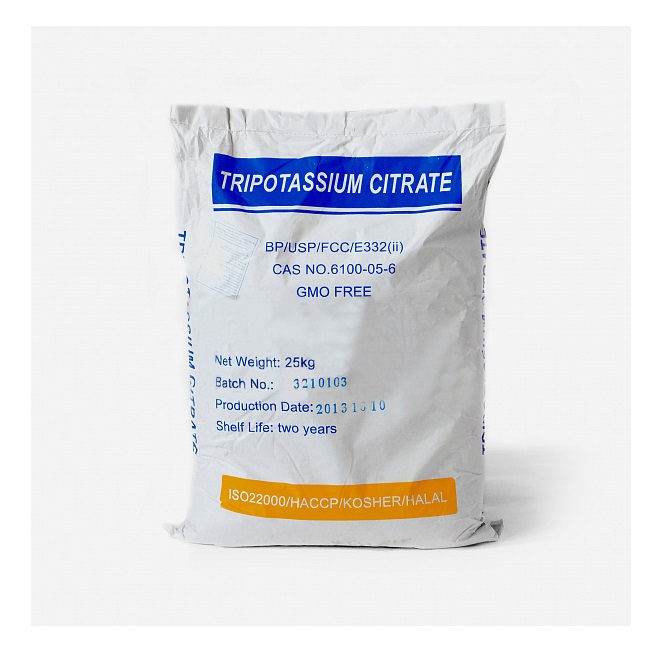
| PE-lined kraft paper bag | 25 kg | Kraft paper + PE |
| Plastic pail | 20-25 kg | HDPE |
| Plastic bag | 25 kg | HDPE/LDPE |
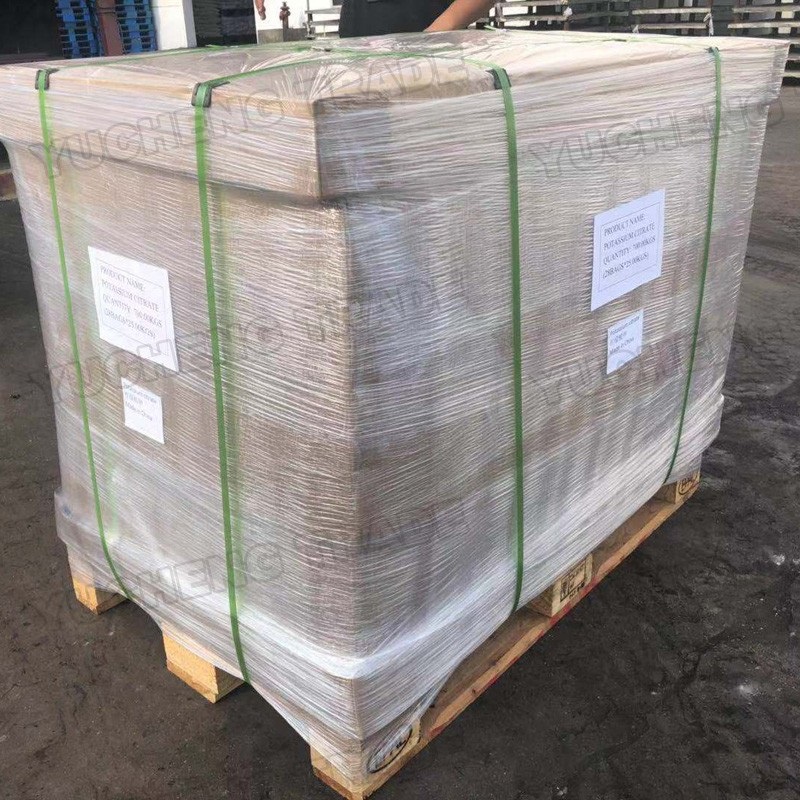
| Big-Bag | 500-1000 kg | Polypropylene |
SECTION 16: SAFETY AND HEALTH INFORMATION
GHS Classification (Bulk Powder)
| Hazard Class | Category |
|---|---|
| Skin Irritation | Category 2 (H315) |
| Eye Irritation | Category 2A (H319) |
| Specific Target Organ Toxicity (STOT - SE) | Category 3 (H335) |
Hazard Statements (H-Codes)
| Code | Statement |
|---|---|
| H315 | Causes skin irritation |
| H319 | Causes serious eye irritation |
| H335 | May cause respiratory irritation |
Precautionary Statements (P-Codes)
| Code | Statement |
|---|---|
| P261 | Avoid breathing dust |
| P280 | Wear protective gloves/eye protection |
| P302+P352 | IF ON SKIN: Wash with plenty of soap and water |
| P305+P351+P338 | IF IN EYES: Rinse cautiously with water for several minutes; remove contact lenses if present and easy to do; continue rinsing |
SECTION 17: TOXICOLOGICAL INFORMATION
| Parameter | Value |
|---|---|
| Oral LD50 (Rat) | > 6,000 mg/kg |
| ADI (Acceptable Daily Intake) | Not specified (JECFA) |
| Carcinogenicity | Not classified as carcinogenic |
| Mutagenicity | Negative in standard tests |
| Reproductive Toxicity | No evidence of adverse effects |
| FDA GRAS | Yes (21 CFR 182.6025) |
SECTION 18: FIRST AID MEASURES
| Exposure Route | Action |
|---|---|
| Inhalation | Move to fresh air. If respiratory irritation persists, seek medical attention. |
| Skin Contact | Wash with plenty of soap and water. Remove contaminated clothing. |
| Eye Contact | Rinse immediately with plenty of water for at least 15 minutes. Seek medical attention. |
| Ingestion | Rinse mouth. Drink plenty of water. Seek medical attention. |
SECTION 19: REGULATORY STATUS
| Region / Authority | Status |
|---|---|
| European Union | Approved as E332 |
| USA (FDA) | GRAS (21 CFR 182.6025) |
| Turkey | Approved (Türk Gıda Kodeksi) |
| JECFA (FAO/WHO) | Approved; ADI: Not specified |
| Codex Alimentarius | Approved (INS 332) |
| Japan | Approved as food additive |
| Australia/New Zealand | Approved as food additive |
SECTION 20: TRANSPORT INFORMATION
| Parameter | Information |
|---|---|
| UN Number | Not regulated (not dangerous goods) |
| Hazard Class | Not applicable |
| Packing Group | Not applicable |
| ADR/RID | Not regulated |
| IMDG Code | Not regulated |
| IATA (Air) | Not regulated |
| Marine Pollutant | No |
SECTION 21: FIRE-FIGHTING MEASURES
| Parameter | Information |
|---|---|
| Fire Hazard | Non-combustible (organic salt) |
| Suitable Extinguishing Media | Water spray (mist), CO₂, dry chemical powder |
| Specific Hazards | When heated, emits potassium oxide fumes, CO, CO₂ |
| Decomposition Products | K₂O, CO, CO₂ |
| Protective Equipment | Self-contained breathing apparatus (SCBA), full protective clothing |
SECTION 22: ACCIDENTAL SPILLAGE AND CLEANUP
| Parameter | Information |
|---|---|
| Personal Protection | Nitrile gloves, protective goggles, dust mask (N95) |
| Cleaning Methods | Collect mechanically (sweep or spatula) |
| Environmental Precautions | Prevent entry into drains, soil, and surface waters |
| Waste Disposal | According to local regulations; landfilling at licensed facilities |
SECTION 23: ENVIRONMENTAL INFORMATION
| Parameter | Information |
|---|---|
| Biodegradability | Readily biodegradable |
| Aquatic Toxicity | Low toxicity |
| Bioaccumulation | Not expected |
| Waste Disposal | Dispose according to local regulations |
SECTION 24: OTHER NAMES AND SYNONYMS
| Type | Name |
|---|---|
| Turkish Names | Potasyum Sitrat, Tripotasyum Sitrat, Tripotasyum Sitrat Monohidrat, Tripotasyum Sitrat Anhidrat |
| English Names | Tripotassium Citrate, Potassium Citrate, Tripotassium Citrate Monohydrate, Tripotassium Citrate Anhydrate |
| Chemical Names | 1,2,3-Propanetricarboxylic acid, 2-hydroxy-, tripotassium salt |
| Abbreviations | TKC |
| E Number | E332 |
| CAS (Anhydrous) | 866-84-2 |
| CAS (Monohydrate) | 6100-05-6 |
| INCI | Tripotassium Citrate |
SECTION 25: SUMMARY AND CRITICAL NOTES
Product Summary
| Parameter | Value |
|---|---|
| Product | Tripotassium Citrate / Potassium Citrate |
| CAS (Anhydrous) | 866-84-2 |
| CAS (Monohydrate) | 6100-05-6 |
| E Number | E332 |
| Appearance | White, crystalline powder or granules |
| Molecular Weight (Anhydrous) | 306.39 g/mol |
| Primary Function | Acidity regulator, buffering agent, stabilizer |
| Potassium Content | ~38.3% |
Critical Notes
-
Metabolic Alkalinizer: Produces an alkaline effect in the body; used for urinary alkalinization.
-
Potassium Source: Provides potassium ions; alternative to trisodium citrate for low-sodium applications.
-
Two Forms: Available as anhydrous (866-84-2) and monohydrate (6100-05-6).
-
Low Sodium Alternative: Preferred when sodium restriction is required, as it contains no sodium.
-
Chelating Agent: Binds metal ions; prevents oxidation and discoloration in food products.
-
pH Control: Maintains stable pH in food and pharmaceutical formulations.
-
Medical Use: Used in kidney stone prevention, potassium supplementation, and metabolic acidosis.
-
Food Applications: Soft drinks, fruit juices, jams, processed cheese, dairy products.
-
Flame Retardant: Used as an environmentally friendly flame retardant in wood products.
-
Regulatory Status: Approved in EU (E332), FDA (GRAS), JECFA, and Turkish Food Codex.
IMPORTANT DECLARATION: This Technical Data Sheet (TDS) is for informational purposes only and has been prepared based on available technical data. The user is responsible for determining the product's suitability for their specific application and for complying with all local, national, and international regulations. For complete safety, storage, use, transport, waste, and regulatory compliance information, refer to the official Safety Data Sheet (SDS/MSDS) provided by the manufacturer/supplier. This document does not replace medical advice.