We unleash your business potential by maximize the business innovation.
Send EmailBenzalkonium Chloride, Alkyl Dimethyl Benzyl Ammonium Chloride (ADBAC), Benzyl Lauryl Dimethyl Ammonium Chloride, ADBAC, BKC, BAC 50, BC50, BC80, 63449-41-2, 139-07-1
BENZALKONIUM CHLORIDE (BKC / BAC)
Alkyl Dimethyl Benzyl Ammonium Chloride / ADBAC
CAS Numbers: 63449-41-2, 139-07-1, 8001-54-5
1. IDENTIFICATION
| Property | Information |
|---|---|
| Chemical Name | Benzalkonium Chloride |
| Synonyms | Alkyl dimethyl benzyl ammonium chloride (ADBAC), Benzyl lauryl dimethyl ammonium chloride, Dodecyl dimethyl benzyl ammonium chloride, Lauryl dimethyl benzyl ammonium chloride, BKC, BAC, Quaternary Ammonium Compounds (QACs) |
| Chemical Formula (Representative) | C₂₁H₃₈NCl (for C12 alkyl chain) |
| Molecular Weight | 340 g/mol (typical for C12) |
| CAS Numbers | 63449-41-2 (Alkyl dimethyl benzyl ammonium chloride – mixed alkyl chains) 139-07-1 (Dodecyl dimethyl benzyl ammonium chloride – pure C12) 8001-54-5 (Benzalkonium chloride – historical, less common) |
| EC Number (EINECS) | 264-151-6 (for CAS 63449-41-2) |
| Appearance (Solid) | White to yellowish powder or gelatinous flakes |
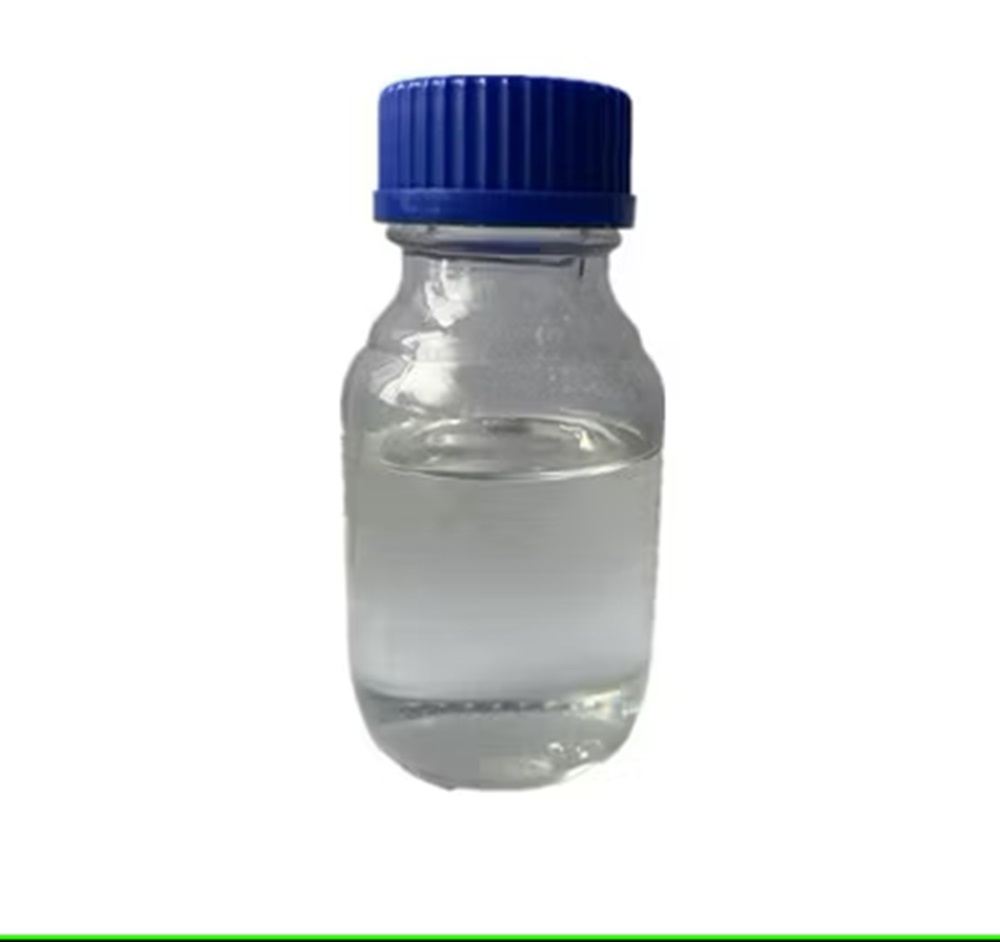
| Appearance (Solution) | Colorless to pale yellow clear to hazy liquid |
| Odor | Faint almond-like odor; difficult to detect |
2. TYPES & GRADES
| Grade / Type | Active Content | Appearance | Primary Applications |
|---|---|---|---|
| BAC 50 | 50% solution | Colorless to pale yellow liquid | Disinfectants, sanitizers, institutional cleaning, pharmaceuticals |
| BAC 80 | 80% solution | Colorless to pale yellow viscous liquid | Industrial disinfectants, high-concentration formulations |
| BAC 100 (Solid) | ≥ 95% powder/flakes | White to yellowish powder/gel | Solid formulations, specialized industrial applications |
| Pharmaceutical Grade | 50% or 80% (high purity) | Colorless, clear liquid | Ophthalmic solutions, nasal sprays, injectable adjuvants |
| Technical Grade | 50% or 80% | Pale yellow liquid | General disinfection, industrial applications, water treatment |
| Food Grade | 50% | Colorless liquid | Food processing equipment sanitizers |
3. PHYSICAL PROPERTIES
| Property | Value (50% Solution) | Value (Solid) |
|---|---|---|
| Physical State (20°C) | Liquid | Solid (powder/flakes) |
| Appearance | Colorless to pale yellow, clear to hazy | White to yellowish powder/gelatinous flakes |
| Odor | Faint almond-like | Faint almond-like |
| Density (20°C) | 0.96 – 1.00 g/cm³ | ~0.98 g/cm³ |
| pH (5% solution, 20°C) | 7.5 ± 1 | 7.5 ± 1 |
| Melting Point | -5 °C (solution) | 50-60 °C (solid) |
| Boiling Point | ~100 °C (water evaporation) | – |
| Solubility in Water | Completely miscible | Very high |
| Solubility in Organic Solvents | Soluble in ethanol, acetone, methanol | Soluble in ethanol, acetone, methanol |
| Flash Point | Not applicable (aqueous solution) | May be combustible |
4. CHEMICAL PROPERTIES
| Property | Information |
|---|---|
| Chemical Class | Quaternary ammonium compound (QAC) / Cationic surfactant |
| Ionic Character | Cationic (positively charged) |
| Molecular Structure | Benzyl ring + quaternary nitrogen + alkyl chain (C8-C18) |
| Surface Activity | High – reduces surface tension |
| Oxidizing Properties | No oxidizing properties |
| Flammability | Non-flammable (aqueous solutions); solid may be combustible |
| Stability | Stable under normal storage conditions |
| Incompatibility | Anionic surfactants (forms insoluble precipitates); Nitrates; Strong acids; Soaps; Salicylates; Cotton (adsorption) |
Typical Alkyl Chain Distribution (CAS 63449-41-2):
-
C8 (Capryl): 5-15%
-
C10 (Capric): 5-15%
-
C12 (Lauryl): 40-70%
-
C14 (Myristyl): 15-30%
-
C16 (Cetyl): 1-10%
5. ANTIMICROBIAL ACTIVITY
| Microorganism Type | Susceptibility | Common Use Concentration |
|---|---|---|
| Gram-positive Bacteria | Highly susceptible | 50-200 ppm |
| Gram-negative Bacteria | Moderately susceptible | 100-400 ppm |
| Fungi (Yeasts & Molds) | Susceptible | 100-500 ppm |
| Enveloped Viruses (e.g., HIV, Herpes, Influenza) | Susceptible | 100-500 ppm |
| Non-Enveloped Viruses (e.g., Norovirus, Polio) | Less susceptible | 500-1000+ ppm |
| Algae | Susceptible | 10-50 ppm |
| Spores (Bacterial) | Not effective | – |
Mechanism of Action:
-
Adsorbs to negatively charged microbial cell surfaces
-
Disrupts cell membrane integrity
-
Leakage of cellular contents
-
Denaturation of cellular proteins
-
Cell death
6. APPLICATIONS
6.1. Disinfection & Sanitization (Primary Use)
| Application | Sector | Typical Concentration |
|---|---|---|
| Surface Disinfectants | Hospitals, households, institutions | 0.1 – 0.5% |
| Hand Sanitizers | Personal hygiene | 0.1 – 0.13% |
| Wet Wipes | Consumer, institutional | 0.05 – 0.2% |
| Medical Equipment Disinfection | Healthcare | 0.1 – 0.5% |
| Instrument Sterilization | Dental, surgical | 0.1 – 0.2% |
6.2. Pharmaceutical & Medical
| Application | Function |
|---|---|
| Ophthalmic Solutions (Eye Drops) | Preservative (0.004 – 0.02%) |
| Nasal Sprays (Decongestants) | Preservative, mucosal disinfectant |
| Ear Drops (Otological preparations) | Preservative, disinfectant |
| Topical Antiseptics | Skin disinfection, wound cleaning |
| Vaccine Adjuvants | Immunostimulant in some veterinary vaccines |
| Acne Treatment Preparations | Active ingredient (with salicylic acid, sulfur, etc.) |
6.3. Food & Beverage Industry
| Application | Function |
|---|---|
| Food Processing Equipment Sanitizer | Surface disinfection (non-toxic, non-corrosive, non-staining) |
| Dairy Industry | Sanitizing of milk storage tanks, cold storage facilities |
| Brewing Industry | Equipment sanitization |
| Bottling Plants | Bottle and equipment sanitization |
| Fisheries & Seafood Processing | General disinfection, parasite control |
| Slaughterhouses & Meat Processing | Surface disinfection |
6.4. Water Treatment
| Application | Function |
|---|---|
| Swimming Pools | Algaecide, disinfectant |
| Cooling Towers | Biocide, slime control |
| Wastewater Treatment | Microbiological control |
| Aquaculture (Fish Farms) | General disinfection, parasite removal, infectious disease control |
| Industrial Water Systems | Biofilm prevention |
6.5. Animal Husbandry & Veterinary
| Application | Function |
|---|---|
| Farm Disinfection | Animal housing, equipment, surfaces |
| Veterinary Antiseptics | Pre-operative skin disinfection |
| Foot Rot Treatment (PDD) | Antiseptic foot baths for sheep, cattle, hoofed animals |
| Animal Wound Care | Disinfectant for injured animals |
6.6. Industrial Applications
| Application | Sector | Function |
|---|---|---|
| Corrosion Inhibition | Oil & gas pipelines | Prevents corrosion in pipelines |
| Demulsifier / Emulsifier | Oil extraction | Emulsifying agent for enhanced oil recovery |
| Wood Preservation | Timber industry | Preservative active ingredient (used with MEG) |
| Slime Control | Pulp & paper industry | Controls slime formation, odor management |
| Textile Industry | Textile processing | Antimicrobial treatment, anti-static agent |
| Leather Industry | Leather processing | Antimicrobial preservative |
| Paints & Coatings | Polymer industry | Anti-static agent, emulsifier, preservative |
| Electronics | Electronic manufacturing | Anti-static agent |
6.7. Phase Transfer Catalysis
| Application | Function |
|---|---|
| Chemical Synthesis | Phase transfer catalyst |
| Precipitating Agent | Chemical processing |
| Emulsifier / De-emulsifier | Various chemical applications |
7. TYPICAL FORMULATION CONCENTRATIONS
| Application | Concentration (active) |
|---|---|
| Hand Sanitizer (alcohol-based) | 0.1 – 0.13% (1000-1300 ppm) |
| Surface Disinfectant (ready-to-use) | 0.1 – 0.5% (1000-5000 ppm) |
| Wet Wipes | 0.05 – 0.2% (500-2000 ppm) |
| Eye Drops (preservative) | 0.004 – 0.02% (40-200 ppm) |
| Nasal Spray | 0.005 – 0.05% (50-500 ppm) |
| Swimming Pool Algaecide | 10 – 50 ppm |
| Industrial Cooling Water | 50 – 200 ppm |
| Food Equipment Sanitizer | 100 – 400 ppm |
| Veterinary Foot Bath | 1 – 5% |
8. COMPATIBILITY
| Compatible With | Incompatible With |
|---|---|
| Non-ionic surfactants | Anionic surfactants (forms precipitates) |
| Alcohols (ethanol, isopropanol) | Soaps (anionic) |
| Polyethylene glycols (PEG) | Salicylates |
| Acids (in limited concentrations) | Strong oxidizing agents |
| Some non-ionic polymers | Nitrates |
| Cotton (adsorbs – reduces efficacy) | |
| Organic matter (reduces activity) |
9. STORAGE & HANDLING
| Parameter | Information |
|---|---|
| Storage Conditions | Cool, dry, well-ventilated area; 5-30°C recommended |
| Protect From | Freezing (below -5°C may cause separation), direct sunlight, anionic surfactants |
| Container Requirements | HDPE, PP, glass, stainless steel, lined drums |
| Shelf Life (50% solution) | 24-36 months (when stored properly) |
| Shelf Life (Solid) | 24-36 months (when stored in airtight containers) |
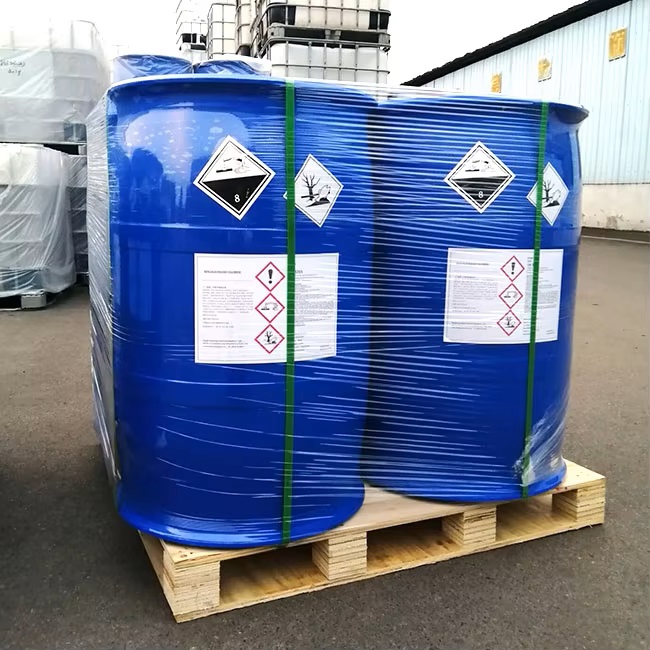
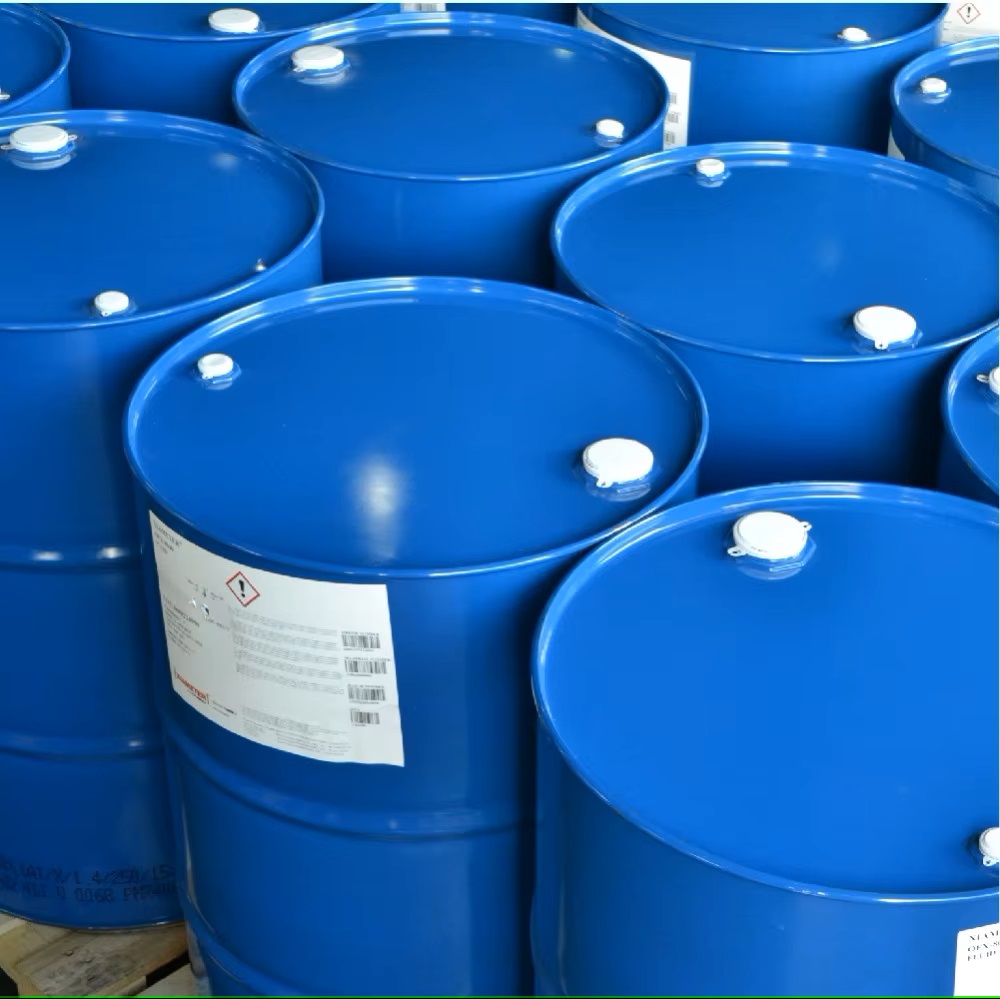
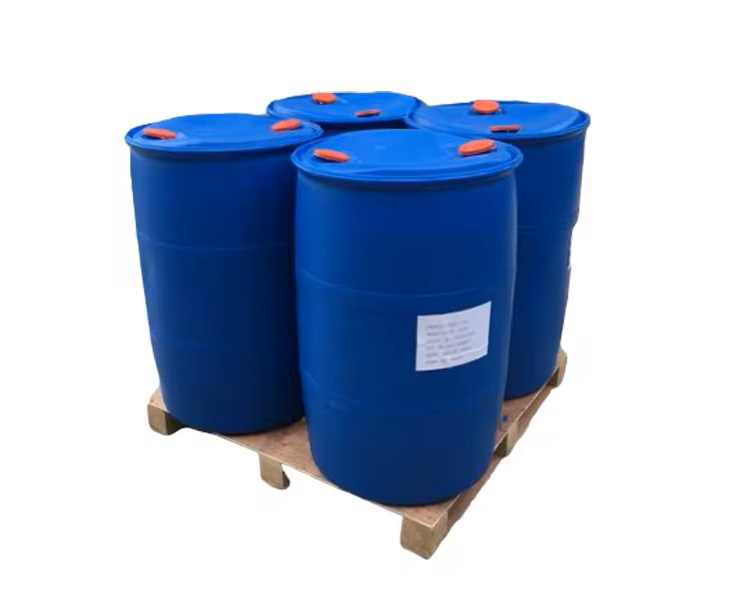
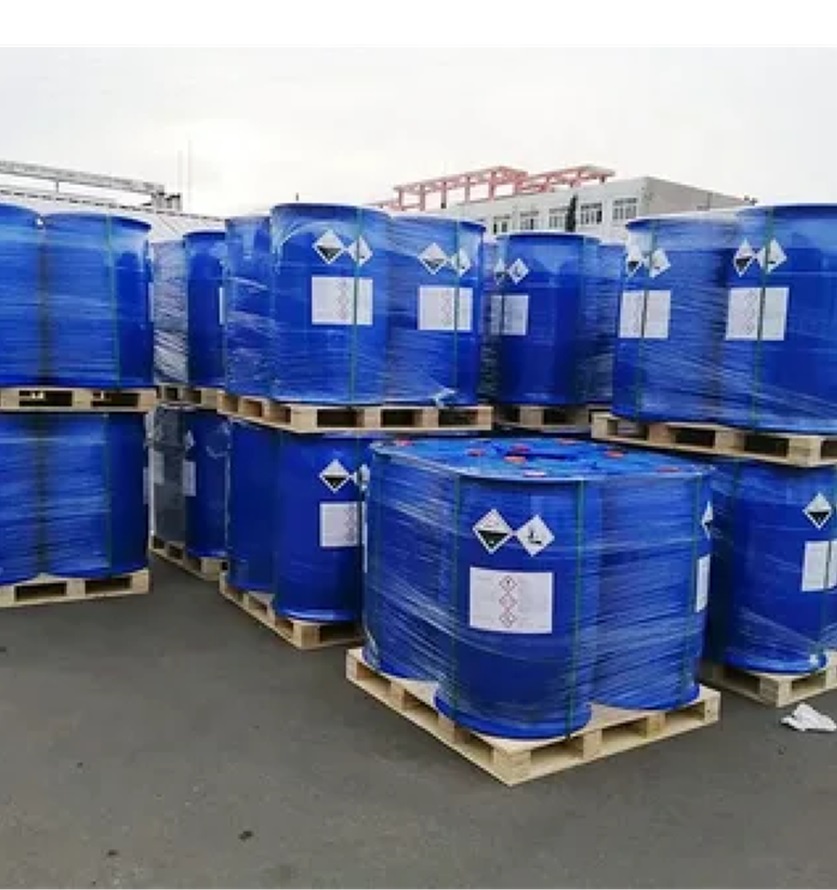
| Packaging Options | 20 L jerry cans, 200 L drums, 1000 kg IBC, flexibag, bulk tanker (for solutions); 25 kg drums (for solid) |
Storage Notes:
-
Store at temperatures above -5°C to prevent separation
-
At low temperatures, solution may become hazy or form crystals; warm to 20-30°C with gentle agitation
-
Keep containers tightly closed to prevent contamination
10. SAFETY & HEALTH INFORMATION
GHS Classification (CLP)
| Hazard Class | Category |
|---|---|
| Acute Toxicity (Oral) | Category 4 (H302) |
| Acute Toxicity (Dermal) | Category 4 (H312) |
| Skin Corrosion/Irritation | Category 1B (H314) |
| Serious Eye Damage | Category 1 (H318) |
| Acute Aquatic Toxicity | Category 1 (H400) |
| Chronic Aquatic Toxicity | Category 1 (H410) |
Hazard Statements (H-Codes)
| Code | Statement |
|---|---|
| H302 | Harmful if swallowed |
| H312 | Harmful in contact with skin |
| H314 | Causes severe skin burns and eye damage |
| H318 | Causes serious eye damage |
| H400 | Very toxic to aquatic life |
| H410 | Very toxic to aquatic life with long-lasting effects |
Precautionary Statements (P-Codes)
| Code | Statement |
|---|---|
| P260 | Do not breathe mist/vapors |
| P280 | Wear protective gloves, protective clothing, eye protection, face protection |
| P301+P330+P331 | IF SWALLOWED: Rinse mouth. Do NOT induce vomiting. |
| P302+P352 | IF ON SKIN: Wash with plenty of water |
| P305+P351+P338 | IF IN EYES: Rinse cautiously with water for several minutes |
| P310 | Immediately call a POISON CENTER or doctor |
| P501 | Dispose of contents/container in accordance with local regulations |
Toxicological Information
| Parameter | Value |
|---|---|
| Oral LD50 (rat) | 240-500 mg/kg (harmful) |
| Dermal LD50 (rabbit) | 1,000-2,000 mg/kg |
| Inhalation LC50 | > 5 mg/L |
| Skin Irritation | Corrosive – causes severe burns |
| Eye Irritation | Causes serious damage |
| Skin Sensitization | May cause allergic reactions (contact dermatitis in susceptible individuals) |
First Aid Measures
| Exposure Route | Action |
|---|---|
| Inhalation | Remove to fresh air. Seek medical attention if respiratory irritation occurs. |
| Skin Contact | Remove contaminated clothing. Rinse with plenty of water for at least 15 minutes. Seek medical attention. |
| Eye Contact | Rinse immediately with plenty of water for at least 15 minutes. Seek immediate medical attention. |
| Ingestion | Do NOT induce vomiting. Rinse mouth. Drink water. Seek immediate medical attention. Do NOT give anything by mouth to an unconscious person. |
Personal Protective Equipment (PPE)
| Equipment | Recommendation |
|---|---|
| Respiratory Protection | Not required for solutions; for solid/powder: dust mask |
| Hand Protection | Chemical-resistant gloves (nitrile, neoprene, butyl rubber) – avoid latex |
| Eye Protection | Chemical safety goggles |
| Body Protection | Chemical-resistant apron, lab coat, protective clothing |
11. ENVIRONMENTAL INFORMATION
| Parameter | Information |
|---|---|
| Aquatic Toxicity | Very toxic to fish, algae, and aquatic invertebrates |
| Biodegradability | Low to moderate (slowly biodegradable) |
| Bioaccumulation | Moderate potential |
| Persistence | Persists in aquatic environments |
| Regulatory Concern | High (classified as very toxic to aquatic life) |
| Waste Disposal | Dispose as hazardous waste according to local regulations. Do not discharge into natural water bodies. |
12. TRANSPORT INFORMATION
| Parameter | Information |
|---|---|
| UN Number | 3266 |
| Hazard Class | 8 (Corrosive substance) |
| Packing Group | III |
| Proper Shipping Name | CORROSIVE LIQUID, BASIC, ORGANIC, N.O.S. (Benzalkonium chloride solution) |
| ADR/RID Class | 8 |
| IMDG Class | 8 |
| IATA (Air) Class | 8 |
| Marine Pollutant | Yes |
| EMS | F-A, S-B |
13. REGULATORY INFORMATION
| Region | Status |
|---|---|
| EU | BPR (Biocidal Products Regulation) approved; REACH registered |
| Turkey (KKDIK) | Mandatory compliance; biocidal product regulations |
| USA (EPA) | Registered as antimicrobial pesticide; FDA approved for certain pharmaceutical uses |
| FDA (Pharmaceutical) | Approved preservative for ophthalmic, otic, nasal preparations (up to 0.02%) |
| Cosmetics Regulation (EC 1223/2009) | Allowed as preservative (max. 0.1%) |
| Food Contact | Approved for sanitizing food contact surfaces (USDA/FSIS) |
Maximum Allowable Concentrations:
-
Cosmetics (EU): 0.1% as preservative
-
Eye Drops (FDA/EU): 0.004 – 0.02%
-
Food Contact Sanitizer (USDA): 100-200 ppm (no rinse required at 200 ppm)
14. SYNONYMS & OTHER NAMES
| Turkish Name | English Name |
|---|---|
| Benzalkonyum Klorür | Benzalkonium Chloride |
| Alkil dimetil benzil amonyum klorür | Alkyl dimethyl benzyl ammonium chloride (ADBAC) |
| Benzil lauril dimetil amonyum klorür | Benzyl lauryl dimethyl ammonium chloride |
| Dodesil dimetil benzil amonyum klorür | Dodecyl dimethyl benzyl ammonium chloride |
| Lauril dimetil benzil amonyum klorür | Lauryl dimethyl benzyl ammonium chloride |
| BC50 / BC80 / BKC / BAC 50 | BC50 / BC80 / BKC / BAC 50 |
| Kuaterner Amonyum Bileşikleri | Quaternary Ammonium Compounds (QACs) |
Database Identifiers:
-
CAS (mixed): 63449-41-2
-
CAS (pure C12): 139-07-1
-
CAS (historical): 8001-54-5
-
EC: 264-151-6
-
MDL: MFCD00043369
-
PubChem CID: 2884 (for C12)
-
RTECS: BO3151000
15. SUMMARY
Benzalkonium Chloride (BKC / BAC, CAS 63449-41-2 / 139-07-1) is a cationic quaternary ammonium compound with broad-spectrum antimicrobial activity. It is widely used as a disinfectant, preservative, biocidal agent, and cationic surfactant across multiple industries.
Key Features:
| Feature | Description |
|---|---|
| Ionic Character | Cationic surfactant |
| Antimicrobial Spectrum | Broad (bacteria, fungi, enveloped viruses, algae) |
| Water Solubility | Complete (all concentrations) |
| Hard Water Tolerance | Good (effective in hard water) |
| Oxidizing | None |
| pH Range | 7.5 ± 1 (5% solution) |
Main Application Areas:
| Sector | Applications |
|---|---|
| Disinfection | Surface disinfectants, hand sanitizers, wet wipes |
| Pharmaceuticals | Preservative in eye drops, nasal sprays, ear drops |
| Food & Beverage | Equipment sanitizer (dairy, brewing, bottling) |
| Water Treatment | Swimming pools, cooling towers, aquaculture |
| Animal Husbandry | Farm disinfection, veterinary antiseptics |
| Industrial | Corrosion inhibition, wood preservation, slime control, textile/leather |
Key Safety Points:
-
CORROSIVE – Causes skin/eye burns
-
TOXIC TO AQUATIC LIFE – Very toxic with long-lasting effects
-
HARMFUL – If swallowed or in contact with skin
-
INCOMPATIBLE – With anionic surfactants (forms precipitates)
-
ORGANIC MATTER – Reduces antimicrobial efficacy
16. IMPORTANT NOTES
-
Water Hardness Tolerance: Unlike many disinfectants, benzalkonium chloride remains effective in hard water (up to 400 ppm CaCO₃). This is a significant advantage for industrial and institutional applications.
-
Anionic Incompatibility: Benzalkonium chloride is NOT compatible with anionic surfactants (soaps, sodium lauryl sulfate, sodium laureth sulfate, sodium lauryl ether sulfate). Mixing will form inactive precipitates.
-
Organic Matter Interference: The presence of organic matter (blood, serum, soil, protein residues) significantly reduces antimicrobial activity. Pre-cleaning is recommended.
-
Cotton Adsorption: Benzalkonium chloride adsorbs strongly to cotton and other cellulosic materials, reducing available concentration. Use non-ionic or cationic fabrics for application.
-
Pharmaceutical Use Concentration: In ophthalmic preparations, concentrations typically range from 0.004% to 0.02% (40-200 ppm). Higher concentrations may cause irritation.
-
Cosmetics Regulation: In the EU, benzalkonium chloride is allowed as a preservative in cosmetics at maximum 0.1% (1000 ppm). Must be declared on ingredient labels.
-
Resistance Concerns: Prolonged use may lead to microbial resistance. Rotation with other biocidal agents is recommended for long-term applications.
-
Allergic Reactions: Benzalkonium chloride can cause contact dermatitis and allergic reactions in susceptible individuals, especially with repeated exposure. Use appropriate PPE.
-
Environmental Considerations: Due to high aquatic toxicity and slow biodegradability, industrial effluents containing benzalkonium chloride should be treated before discharge. Many jurisdictions restrict environmental release.
-
Temperature Effects: At low temperatures (below 0°C), 50% solutions may become hazy or form crystals. Warm to 20-30°C with gentle agitation; product remains fully effective after reconstitution.
-
Product Variants: Different CAS numbers represent:
-
63449-41-2: Mixture of alkyl chain lengths (C8-C18) – most common commercial form
-
139-07-1: Pure dodecyl (C12) – higher purity for research/specialized applications
-
8001-54-5: Historical CAS – less common now
-
-
Biocidal Products Regulation (BPR): In the EU, benzalkonium chloride is an approved active substance under the Biocidal Products Regulation (Regulation (EU) 528/2012) for product types 1-4.
Important Disclaimer: This Technical Data Sheet (TDS) is for informational purposes only. For complete safety, handling, storage, and regulatory compliance information, always refer to the official Safety Data Sheet (SDS) provided by the manufacturer/supplier.