We unleash your business potential by maximize the business innovation.
Send EmailPotassium Sorbate, Sorbistat Potassium, Sorbistat-K, E202, 24634-61-5
POTASSIUM SORBATE – POTASYUM SORBAT
CAS Number: 24634-61-5
EC Number (EINECS): 246-376-1
Molecular Formula: C₆H₇KO₂
Molecular Weight: 150.22 g/mol
E Number: E202
SECTION 1: CHEMICAL IDENTITY AND DEFINITION
| Parameter | Information |
|---|---|
| Chemical Name (IUPAC) | Potassium (2E,4E)-hexa-2,4-dienoate |
| Other Names | Potassium Sorbate, Sorbistat Potassium, 2,4-Hexadienoic acid potassium salt, Potassium 2,4-hexadienoate, Sorbistat-K, Sorbat |
| Chemical Formula | C₆H₇KO₂ |
| Molecular Weight | 150.22 g/mol |
| CAS Number | 24634-61-5 |
| EC Number (EINECS) | 246-376-1 |
| E Number | E202 (Preservative) |
| Chemical Class | Organic potassium salt (sorbate) |
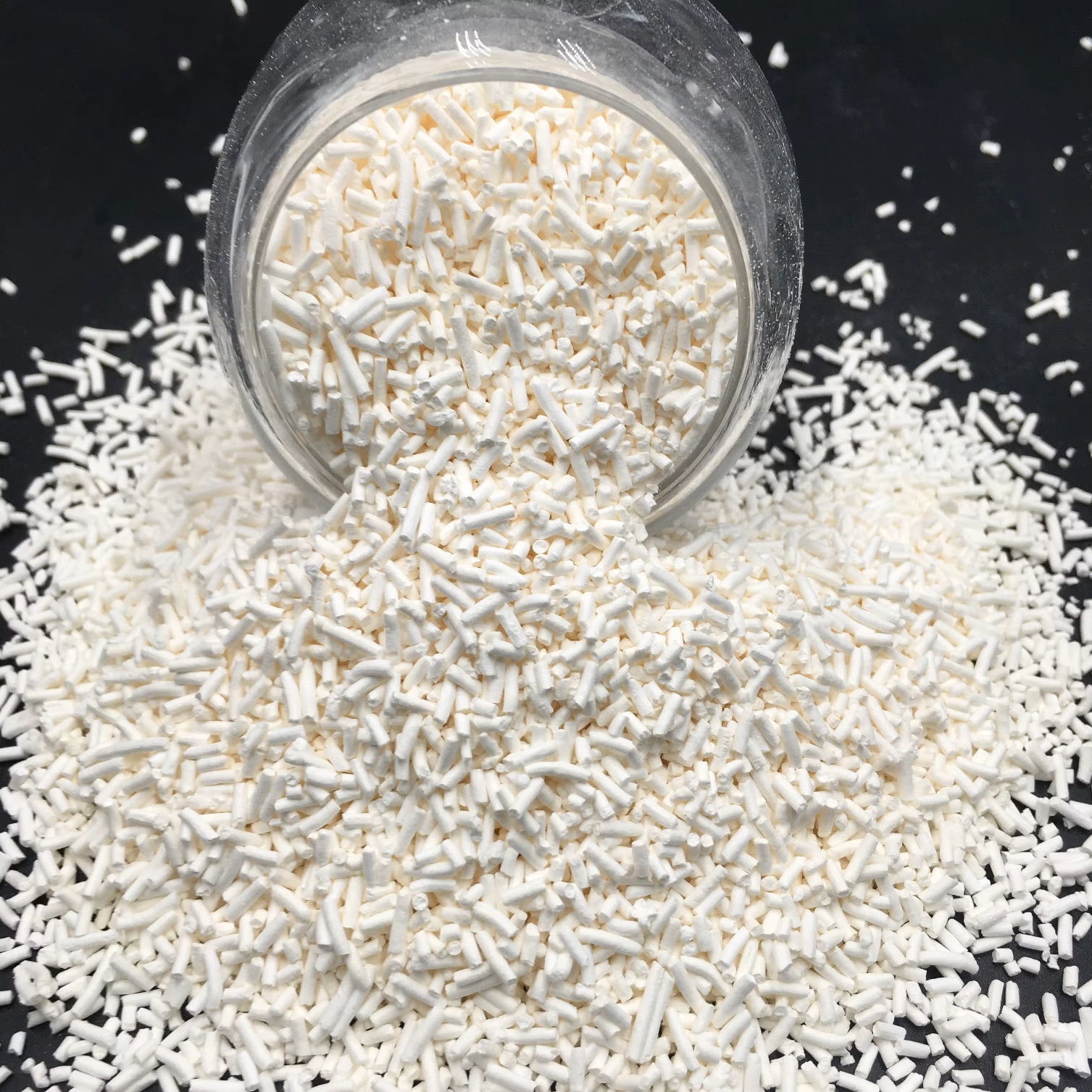
| Appearance | White to slightly off-white, crystalline powder or granules |
| Odor | Slight characteristic |
| Physical State (20°C) | Solid (powder or granules) |
SECTION 2: PHYSICAL PROPERTIES
| Property | Value |
|---|---|
| Appearance | White to slightly off-white, crystalline powder or granules |
| Odor | Slight characteristic |
| Molecular Weight | 150.22 g/mol |
| Melting Point | 270 °C (decomposes) |
| Density (20°C) | 1.361 g/cm³ |
| Solubility in Water (20°C) | Soluble (58.2 g/100 mL) |
| Solubility in Water (100°C) | Highly soluble |
| Solubility in Ethanol (20°C) | Soluble (2 g/mL) |
| pH (1:10 aqueous solution) | 7.0 – 9.0 (slightly alkaline) |
| Bulk Density | ~0.6 – 0.8 g/cm³ |
SECTION 3: CHEMICAL PROPERTIES
| Property | Information |
|---|---|
| Chemical Formula | C₆H₇KO₂ |
| Molecular Weight | 150.22 g/mol |
| Chemical Class | Organic potassium salt (sorbate) |
| Structure | Potassium salt of sorbic acid (2,4-hexadienoic acid) |
| SMILES | [K+].CC=CC=CC(=O)[O-] |
| InChI Key | CHHHXKFHOYLYRE-STWYSWDKSA-M |
| Stability | Stable under normal storage conditions |
| Hygroscopicity | Slightly hygroscopic |
| Incompatible Materials | Strong oxidizing agents, strong acids, strong bases |
Chemical Structure:
CH₃-CH=CH-CH=CH-COO⁻ K⁺
(Potassium sorbate)
SECTION 4: MECHANISM OF ACTION
| Parameter | Description |
|---|---|
| Primary Function | Antimicrobial preservative |
| Target Microorganisms | Yeasts, molds, and some bacteria |
| Mechanism | Inhibits microbial growth by disrupting cell membrane integrity and inhibiting enzyme activity |
| Active Form | Sorbic acid (undissociated form) |
| Optimal pH Range | pH 3.0 – 6.5 |
| Effectiveness | Most effective at low pH; less effective against bacteria than molds and yeasts |
| Broad Spectrum | Not considered a broad-spectrum preservative; often used in combination with other preservatives |
SECTION 5: TECHNICAL FUNCTIONALITY
| Property | Description |
|---|---|
| Primary Function | Preservative; inhibits mold, yeast, and bacterial growth |
| Antimicrobial Spectrum | Effective against molds and yeasts; limited effectiveness against bacteria |
| pH Dependency | Most effective at pH ≤ 6.5 |
| Combination Synergy | Often used with other preservatives (benzoates, propionates) for broad-spectrum protection |
| Heat Stability | Stable during processing |
| Sensory Impact | Does not significantly affect taste, odor, or color at typical usage levels |
| Applications | Food, beverages, cosmetics, pharmaceuticals |
SECTION 6: FOOD INDUSTRY APPLICATIONS (E202)
| Application | Function | Typical Dosage |
|---|---|---|
| Wine | Prevents refermentation; inhibits yeast and mold growth | 100-200 mg/L |
| Cheese and Dairy Products | Mold inhibitor; extends shelf life | 0.1-0.3% |
| Yogurt and Sour Cream | Preservative; prevents spoilage | 0.05-0.2% |
| Margarine and Spreads | Mold and yeast inhibition | 0.05-0.2% |
| Mayonnaise and Sauces | Preservative; extends shelf life | 0.05-0.2% |
| Fruit Products and Dried Fruits | Prevents mold growth | 0.1-0.3% |
| Beverages and Soft Drinks | Preservative; extends shelf life | 100-300 mg/L |
| Pickled Vegetables | Mold and yeast inhibition | 0.05-0.2% |
| Olives and Salad Dressings | Preservative | 0.05-0.2% |
| Smoked or Salted Fish | Preservative | 0.1-0.3% |
| Syrups and Jellies | Preservative; prevents spoilage | 0.05-0.2% |
| Hard Candies (Fruit-based) | Preservative | 0.05-0.2% |
| Phyllo Dough (Yufka) | Used with calcium propionate to prevent mold | 0.1-0.3% |
| Energy Drinks (Flavored) | Used with sodium benzoate as preservative | 100-300 mg/L |
SECTION 7: COSMETIC AND PERSONAL CARE APPLICATIONS
| Application | Function |
|---|---|
| Skin Care Products | Preservative; prevents microbial contamination |
| Hair Care Products | Preservative; extends shelf life |
| Eye Makeup and Facial Products | Preservative; prevents spoilage |
| Wet Wipes | Used with benzoic acid and salicylic acid as preservative system |
| Ultrasound Gel | Preservative; prevents bacterial growth |
| Disinfectant Gels | Preservative; extends shelf life |
SECTION 8: PHARMACEUTICAL APPLICATIONS
| Application | Description |
|---|---|
| Ear Drops | Used as preservative in ear drop formulations |
| Oral Liquids | Preservative in liquid pharmaceutical formulations |
| Baby Colic Medications | Used with citric acid for treatment of infant colic |
| Topical Preparations | Preservative in creams and ointments |
SECTION 9: OTHER INDUSTRIAL APPLICATIONS
| Application | Description |
|---|---|
| Animal Feed | Preservative in dry pet food and animal feed |
| Water Treatment | Used in some water treatment applications |
SECTION 10: MAXIMUM USAGE LEVELS (FOOD)
| Food Category | Maximum Limit (mg/kg) |
|---|---|
| Cheese and Cheese Products | 3,000 |
| Margarine | 2,000 |
| Mayonnaise and Emulsified Sauces | 2,000 |
| Fruit-based Desserts | 2,000 |
| Wine | 200 |
| Soft Drinks | 300 |
| Pickled Vegetables | 1,000 |
| Smoked Fish | 2,000 |
SECTION 11: QUALITY SPECIFICATIONS (FOOD GRADE)
| Parameter | Specification (EU / USP / FCC) |
|---|---|
| Appearance | White to slightly off-white, crystalline powder or granules |
| Identification | Positive (Potassium and Sorbate tests) |
| Assay (on dried basis) | 98.0 – 101.0% |
| Loss on Drying | ≤ 1.0% |
| Alkalinity | ≤ 0.1% (as K₂CO₃) |
| Free Acid (as Sorbic Acid) | ≤ 1.0% |
| Heavy Metals (as Pb) | ≤ 10 ppm |
| Arsenic (As) | ≤ 3 ppm |
| Lead (Pb) | ≤ 2 ppm |
| Mercury (Hg) | ≤ 1 ppm |
| Sodium Content | ≤ 0.5% |
| Chlorides | ≤ 0.01% |
| Sulfates | ≤ 0.01% |
SECTION 12: MICROBIOLOGICAL SPECIFICATIONS
| Parameter | Specification |
|---|---|
| Total Aerobic Mesophilic Bacteria | ≤ 1,000 CFU/g |
| Yeast and Mold | ≤ 100 CFU/g |
| Salmonella spp. | Negative in 25g |
| Escherichia coli | Negative in 10g |
SECTION 13: STORAGE AND SHELF LIFE
| Parameter | Information |
|---|---|
| Storage Conditions | Cool (15-25°C), dry, well-ventilated area |
| Container Requirements | Tightly closed, original packaging |
| Protect From | Moisture (slightly hygroscopic), direct sunlight, strong oxidizing agents |
| Shelf Life | 24-60 months (unopened original packaging) |
SECTION 14: PACKAGING OPTIONS
| Packaging Type | Quantity | Material |
|---|---|---|
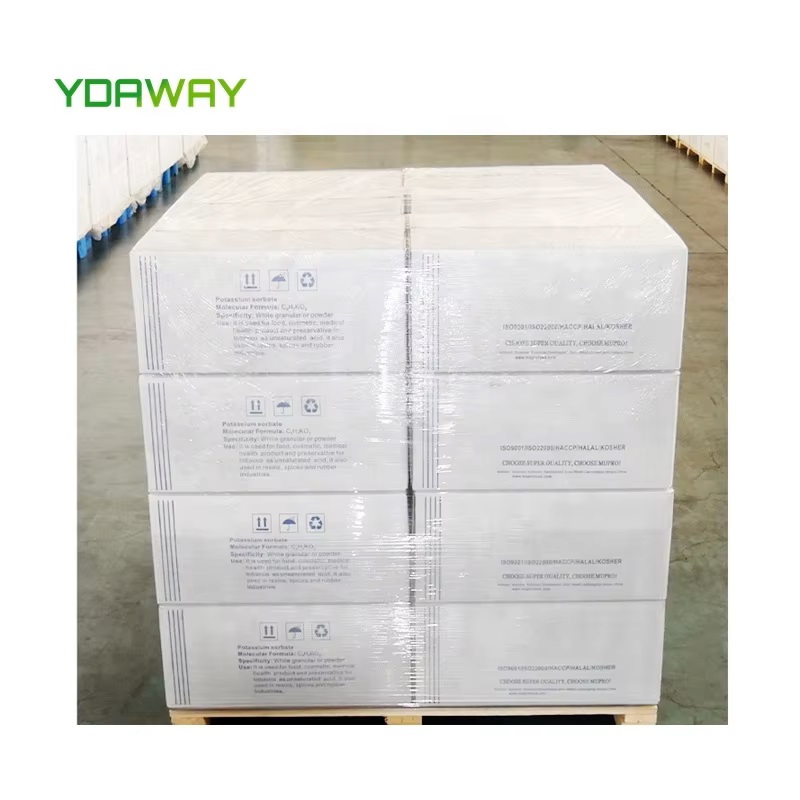
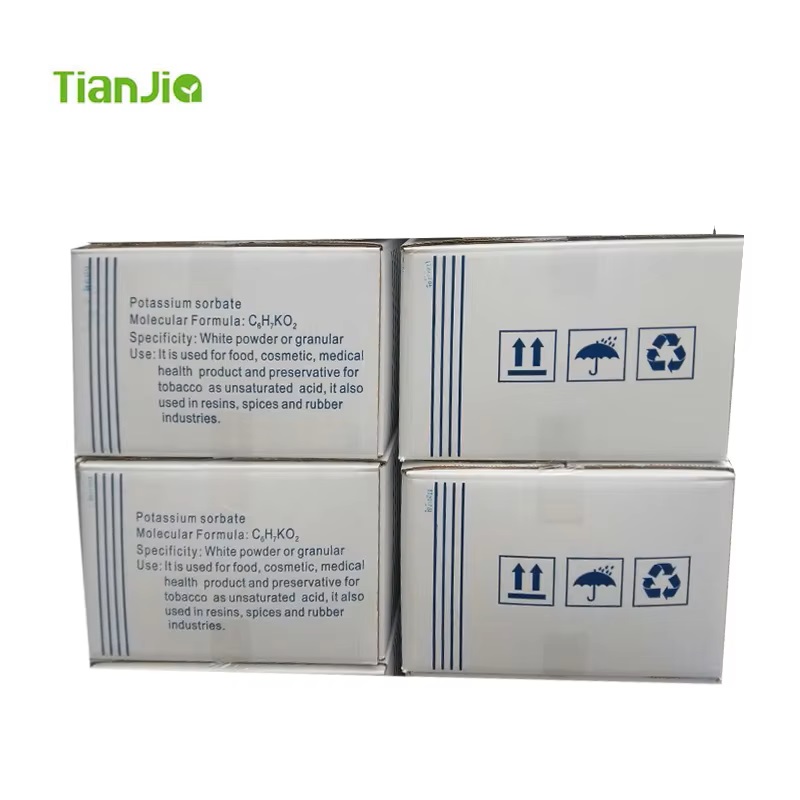
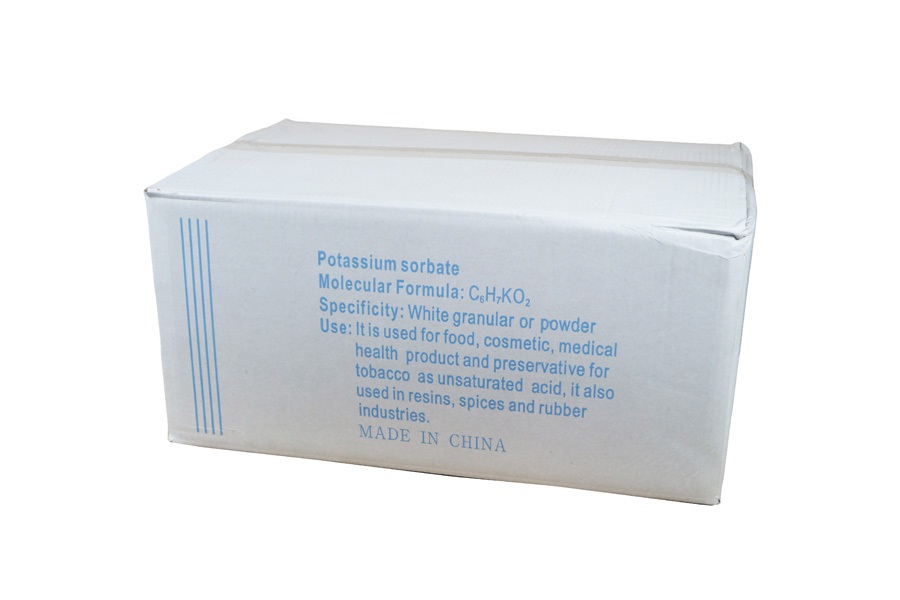
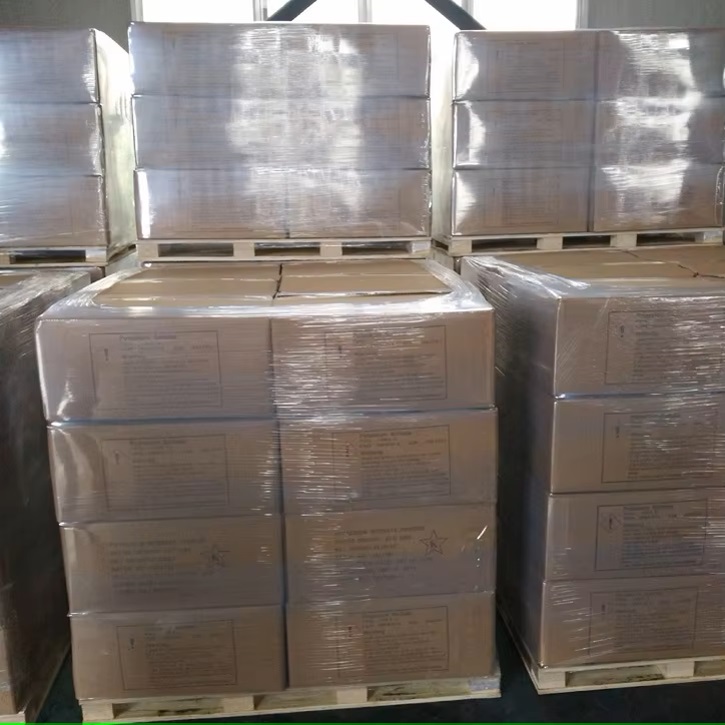
| PE-lined kraft paper bag | 25 kg | Kraft paper + PE |
| Plastic pail | 20-25 kg | HDPE |
| Plastic bag | 25 kg | HDPE/LDPE |
| Big-Bag | 500-1000 kg | Polypropylene |
SECTION 15: SAFETY AND HEALTH INFORMATION
GHS Classification (Bulk Powder)
| Hazard Class | Category |
|---|---|
| Skin Irritation | Category 2 (H315) |
| Eye Irritation | Category 2A (H319) |
| Specific Target Organ Toxicity (STOT - SE) | Category 3 (H335) |
Hazard Statements (H-Codes)
| Code | Statement |
|---|---|
| H315 | Causes skin irritation |
| H319 | Causes serious eye irritation |
| H335 | May cause respiratory irritation |
Precautionary Statements (P-Codes)
| Code | Statement |
|---|---|
| P261 | Avoid breathing dust |
| P280 | Wear protective gloves/eye protection |
| P302+P352 | IF ON SKIN: Wash with plenty of soap and water |
| P305+P351+P338 | IF IN EYES: Rinse cautiously with water for several minutes; remove contact lenses if present and easy to do; continue rinsing |
SECTION 16: TOXICOLOGICAL INFORMATION
| Parameter | Value |
|---|---|
| Oral LD50 (Rat) | 4,340 mg/kg |
| Dermal LD50 (Rabbit) | > 2,000 mg/kg |
| ADI (Acceptable Daily Intake) | 0-25 mg/kg bw/day (JECFA) |
| Carcinogenicity | Not classified as carcinogenic |
| Mutagenicity | Negative in standard tests |
| Reproductive Toxicity | No evidence of adverse effects |
SECTION 17: FIRST AID MEASURES
| Exposure Route | Action |
|---|---|
| Inhalation | Move to fresh air. If respiratory irritation persists, seek medical attention. |
| Skin Contact | Wash with plenty of soap and water. Remove contaminated clothing. |
| Eye Contact | Rinse immediately with plenty of water for at least 15 minutes. Seek medical attention. |
| Ingestion | Rinse mouth. Drink plenty of water. Seek medical attention. |
SECTION 18: REGULATORY STATUS
| Region / Authority | Status |
|---|---|
| European Union | Approved as E202 |
| USA (FDA) | GRAS (21 CFR 182.3640) |
| Turkey | Approved (Türk Gıda Kodeksi) |
| JECFA (FAO/WHO) | Approved; ADI: 0-25 mg/kg bw/day |
| Codex Alimentarius | Approved (INS 202) |
| Japan | Approved as food additive |
| Australia/New Zealand | Approved as food additive |
SECTION 19: TRANSPORT INFORMATION
| Parameter | Information |
|---|---|
| UN Number | Not regulated (not dangerous goods) |
| Hazard Class | Not applicable |
| Packing Group | Not applicable |
| ADR/RID | Not regulated |
| IMDG Code | Not regulated |
| IATA (Air) | Not regulated |
| Marine Pollutant | No |
SECTION 20: FIRE-FIGHTING MEASURES
| Parameter | Information |
|---|---|
| Fire Hazard | Combustible organic solid |
| Suitable Extinguishing Media | Water spray (mist), CO₂, dry chemical powder |
| Specific Hazards | When heated, emits potassium oxide fumes, CO, CO₂ |
| Decomposition Products | K₂O, CO, CO₂ |
| Protective Equipment | Self-contained breathing apparatus (SCBA), full protective clothing |
SECTION 21: ACCIDENTAL SPILLAGE AND CLEANUP
| Parameter | Information |
|---|---|
| Personal Protection | Nitrile gloves, protective goggles, dust mask (N95) |
| Cleaning Methods | Collect mechanically (sweep or spatula) |
| Environmental Precautions | Prevent entry into drains, soil, and surface waters |
| Waste Disposal | According to local regulations; incineration or landfilling at licensed facilities |
SECTION 22: SUMMARY AND CRITICAL NOTES
Product Summary
| Parameter | Value |
|---|---|
| Product | Potassium Sorbate |
| CAS Number | 24634-61-5 |
| E Number | E202 |
| Appearance | White to slightly off-white, crystalline powder or granules |
| Molecular Weight | 150.22 g/mol |
| Primary Function | Preservative (antimicrobial) |
| ADI | 0-25 mg/kg bw/day |
Critical Notes
-
Effective Antifungal: Potassium sorbate is highly effective against molds and yeasts; limited effectiveness against bacteria.
-
pH Dependency: Most effective at pH ≤ 6.5; effectiveness decreases at higher pH levels.
-
Combination Use: Often combined with other preservatives (benzoates, propionates) for broad-spectrum protection.
-
Sorbic Acid Active Form: The undissociated sorbic acid form is responsible for antimicrobial activity.
-
Heat Stability: Stable during typical food processing conditions.
-
Sensory Impact: Does not significantly affect taste, odor, or color at normal usage levels.
-
Applications: Used in wine, cheese, yogurt, margarine, mayonnaise, beverages, pickles, and cosmetics.
-
Paraben Alternative: Used as a mild preservative alternative to parabens in cosmetics.
-
Regulatory Status: Approved in EU (E202), FDA (GRAS), JECFA, and Turkish Food Codex.
-
Synergy with Benzoates: Often used with sodium benzoate in acidic beverages for enhanced preservation.
IMPORTANT DECLARATION: This Technical Data Sheet (TDS) is for informational purposes only and has been prepared based on available technical data. The user is responsible for determining the product's suitability for their specific application and for complying with all local, national, and international regulations. For complete safety, storage, use, transport, waste, and regulatory compliance information, refer to the official Safety Data Sheet (SDS/MSDS) provided by the manufacturer/supplier.