We unleash your business potential by maximize the business innovation.
Send EmailKojic Acid, Acido Kojico, 501-30-4
KOJIC ACID (C₆H₆O₄)
1. Identification and Material Classification
-
Chemical Name: 5-Hydroxy-2-(hydroxymethyl)-4H-pyran-4-one, 5-Hydroxy-2-hydroxymethyl-4-pyrone
-
Synonyms: Kojic Acid, 5-Hydroxy-2-(hydroxymethyl)-4-pyrone, Natural Kojic Acid Powder, Anti-Dandruff Active
-
CAS Number: 501-30-4
-
EC Number (EINECS): 207-922-4
-
Molecular Formula: C₆H₆O₄
-
Molecular Weight: 142.11 g/mol
-
Chemical Class: Pyrone derivative, organic acid, heterocyclic compound, chelator
-
HS Code: 2932.99
-
UN Number: Not applicable (not classified as hazardous material)
2. Physical Properties
2.1 General Physical Properties
| Property | Value |
|---|---|
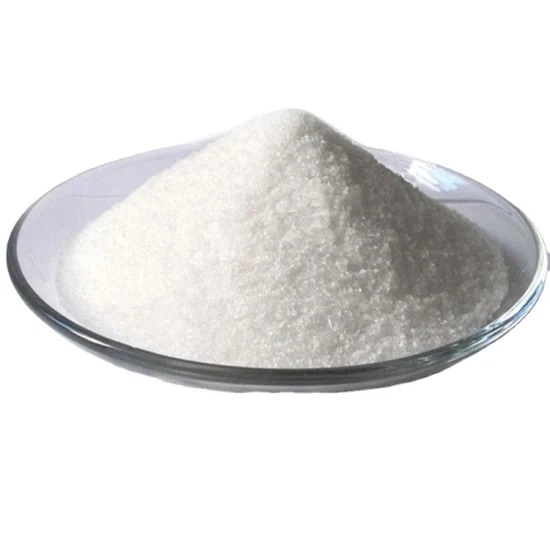
| Appearance | White to off-white, needle-like crystalline powder |
| Physical state (20°C) | Solid (crystalline powder) |
| Odor | Slight characteristic or odorless |
| Color | White to off-white (pure), may turn light brown upon prolonged exposure |
| Taste | Slightly bitter, sour |
| Density (20°C) | 1.55 g/cm³ (estimated) |
| Bulk density (powder) | 0.4–0.7 g/cm³ (typical) |
| Melting point | 152–155°C (typically 153.5°C) |
| Boiling point | Decomposes at 400°C (estimated) |
| Decomposition temperature | >150–155°C (melting with decomposition) |
| Flash point | >200°C (low fire hazard) |
| Autoignition temperature | >400°C |
| Vapor pressure (25°C) | Very low (negligible) |
| Refractive index (nD20) | Not applicable (solid) |
| log P (octanol-water partition coefficient) | -0.90 to -0.50 (low lipophilicity – hydrophilic) |
| pKa (25°C) | 7.9–8.0 (weak acid – phenolic OH group) |
2.2 Solubility Properties
| Solvent | Temperature | Solubility | Notes |
|---|---|---|---|
| Water | 25°C | ~15–20 g/L (1.5–2.0 g/100 mL) | Moderately soluble |
| Water | 50°C | ~50–80 g/L (5–8 g/100 mL) | Increased solubility |
| Water | 80°C | ~150–200 g/L (15–20 g/100 mL) | Highly soluble |
| Ethanol | 25°C | ~10–15 g/L (1.0–1.5 g/100 mL) | Slight to moderate solubility |
| Methanol | 25°C | ~20–30 g/L (2–3 g/100 mL) | Moderate solubility |
| Acetone | 25°C | ~10–20 g/L (1–2 g/100 mL) | Slight to moderate solubility |
| Propylene glycol | 25°C | ~20–30 g/L (2–3 g/100 mL) | Moderate solubility |
| Glycerol | 25°C | ~10–20 g/L (1–2 g/100 mL) | Slight solubility |
| Dimethyl sulfoxide (DMSO) | 25°C | >100 g/L (>10 g/100 mL) | Highly soluble |
| Ethyl acetate | 25°C | ~5 g/L | Low solubility |
| Chloroform | 25°C | Slightly soluble | Low solubility |
| Hexane | 25°C | Insoluble | Insoluble |
| Oils (vegetable, mineral) | 25°C | Insoluble | Insoluble |
2.3 Particle Characterization
-
Particle size (D50): 10–100 µm (standard grade); 1–10 µm (micronized grade)
-
Crystal form: Needle-like prismatic crystals
-
Specific surface area (BET): 0.5–2.0 m²/g
-
Bulk density (loose): 0.4–0.6 g/cm³
-
Bulk density (tapped): 0.6–0.8 g/cm³
-
Compressibility index: 25–35 (moderate flowability)
-
Hausner ratio: 1.3–1.5
-
Angle of repose: 40–50°
2.4 Hygroscopicity and Stability
-
Hygroscopicity: Moderate (absorbs moisture from air, especially at high humidity)
-
Deliquescence: None
-
Moisture content (as supplied): ≤1.0% (typical)
-
Stability (dry, 20°C, dark): 2 years (stable)
-
Stability (solution, pH 4–6, 25°C): Stable (weeks to months)
-
Stability (solution, pH <3 or >7, high temperature): Decomposes (color browning)
-
Light sensitivity: High – discolors under light (browning)
-
Oxygen sensitivity: Moderate – slow oxidation in air
-
Thermal stability: Stable up to 150°C; decomposes above 150°C
Color Stability Warning: Kojic acid tends to discolor (yellow to brown) under light, heat, high pH, and oxygen. Formulations should include antioxidants (sodium metabisulfite, EDTA, BHT, tocopherol) and be stored in opaque/dark containers.
3. Chemical Properties
3.1 Molecular Structure
-
Structure: 5-Hydroxy-2-(hydroxymethyl)-4H-pyran-4-one
-
Molecular structure: A pyrone ring (6-membered heterocyclic oxygen-containing ring) with a ketone group (C=O at the 4-position) and two hydroxyl groups (hydroxymethyl –CH₂OH at the 2-position, phenolic OH at the 5-position).
Functional groups:
-
Pyrone ring (electron-rich)
-
Ketone (C=O, 4-position)
-
Primary alcohol (–CH₂OH, 2-position)
-
Phenolic hydroxyl (–OH, 5-position) – weak acid (pKa ~7.9)
Chelating property: Kojic acid can chelate metal ions (especially copper Cu²⁺, iron Fe³⁺, zinc Zn²⁺). This is critical for tyrosinase enzyme inhibition.
Biological origin: Kojic acid is naturally produced as a fungal metabolite by Aspergillus species (A. oryzae, A. flavus, A. tamarii) and other fungi.
3.2 Acid-Base Properties
| Parameter | Value |
|---|---|
| pKa (25°C) | 7.9–8.0 (phenolic OH at 5-position) |
| Acidity | Very weak acid (similar to weak vinegar) |
| Basic groups | None |
| pH (1% aqueous solution, 25°C) | 3.5–4.5 (slightly acidic) |
| pH stability range | 4–6 (optimal) – at pH >7 discoloration and degradation occur |
3.3 Thermal Properties
| Temperature | Behavior |
|---|---|
| 20–100°C | Stable solid (dry) |
| 100–150°C | Stable |
| 152–155°C | Melts (with decomposition) |
| >155°C | Decomposes (darkening, brown/dark brown) |
| DSC endotherm (melting) | 152–155°C (sharp peak, with decomposition) |
| TGA onset (weight loss) | ~150–200°C |
3.4 Chemical Reactivity
-
Acidic dissociation: At pH >8, the phenolic OH group loses a proton → anionic form (color change).
-
Metal chelation: Forms stable complexes with copper (Cu²⁺), iron (Fe³⁺), zinc (Zn²⁺), aluminum (Al³⁺) ions (color change – reddish, brown).
-
Tyrosinase inhibition: Chelates copper ions (Cu²⁺) in the active site of tyrosinase enzyme → inhibits melanin synthesis.
-
Oxidation (air, light): Slowly oxidizes in air and light → discoloration (yellow → brown → black).
-
pH-dependent degradation: Slow degradation at pH <3; rapid degradation at pH >7 (darkening).
-
Photodegradation (UV light): Rapid degradation and discoloration under UV exposure.
-
Antioxidant activity: Weak to moderate free radical scavenging activity.
-
Esterification (with alcohols): Forms kojic acid esters under acid catalysis (more stable, more lipophilic derivatives).
-
Glycosylation: Reacts with glucose to form kojic acid glycosides (more stable, more hydrophilic).
3.5 Kojic Acid Derivatives and Comparison
| Derivative | Formula | Description | Advantage | Disadvantage |
|---|---|---|---|---|
| Kojic Acid (pure) | C₆H₆O₄ | Parent compound | Effective, natural, low cost | Stability issues, discoloration |
| Kojic Acid Dipalmitate | C₃₈H₆₆O₆ | Kojic acid + palmitic acid ester | More stable, more lipophilic, better skin penetration | Less effective (slower) |
| Kojic Acid Glycoside | C₁₂H₁₆O₉ | Kojic acid + glucose | More stable, water-soluble | Less effective |
| Kojic Acid Methyl Ether | C₇H₈O₄ | Kojic acid + methanol | More stable | Less effective |
| Kojic Acid Ethoxy | C₈H₁₀O₅ | Kojic acid + ethanol | More stable | Less effective |
4. Commercial Grades and Specifications
| Grade | Purity | Source | Particle Size | Applications |
|---|---|---|---|---|
| Cosmetic Grade | ≥99.0% | Synthetic or fermentation | 10–100 µm (standard); 1–10 µm (micronized) | Skin-lightening creams, serums, masks, sunscreens, spot removers |
| Pharmaceutical Grade | ≥99.0% (typically ≥99.5%) | High-purity synthetic | 10–50 µm | Dermatology preparations, hyperpigmentation treatments |
| Food Grade | ≥99.0% | Fermentation (natural) | 20–100 µm | Food additive (antioxidant, color preservative – limited use) |
| Analytical Grade (Reagent) | ≥99.5% | High purity | 10–50 µm | Research, analytical chemistry |
| Technical Grade | ≥98.0% | Synthetic | 50–200 µm | Industrial applications, non-cosmetic |
5. Quality Specifications (Cosmetic/Pharmaceutical Grade)
| Parameter | Specification | Test Method |
|---|---|---|
| Assay (C₆H₆O₄, dry basis) | 99.0–101.0% (typical ≥99.0%) | HPLC or NaOH titration |
| Appearance | White to off-white, needle-like crystalline powder | Visual |
| Melting point | 152–155°C | Capillary method / DSC |
| Loss on drying (105°C, 2h) | ≤1.0% | Gravimetric |
| Sulfated ash | ≤0.1% | Gravimetric (550°C) |
| Heavy metals (as Pb) | ≤10 ppm | Colorimetric / ICP |
| Lead (Pb) | ≤5 ppm | AAS / ICP |
| Arsenic (As) | ≤2 ppm | AAS / ICP |
| Cadmium (Cd) | ≤2 ppm | AAS / ICP |
| Mercury (Hg) | ≤1 ppm | AAS / ICP |
| Iron (Fe) | ≤10 ppm | Colorimetric / AAS |
| Chlorides (Cl) | ≤0.02% | Turbidimetric |
| Sulfates (SO₄) | ≤0.05% | Turbidimetric |
| Related substances (impurities) | Individual ≤0.2%; Total ≤1.0% | HPLC |
| Residual solvents | ICH Class 3 limits | GC |
| Color (1% aqueous solution) | Clear, colorless to light yellow (≤APHA 50) | Visual / Colorimetric |
| pH (1% aqueous solution) | 3.5–4.5 | pH meter |
| Microbial load (topical) | ≤100 CFU/g (bacteria); ≤10 CFU/g (yeast/mold) | Plate count |
| Staphylococcus aureus | Negative | Specific culture |
| Pseudomonas aeruginosa | Negative | Specific culture |
| Candida albicans | Negative | Specific culture |
| Escherichia coli | Negative | Specific culture |
| Particle size (optional) | User-defined (e.g., D50 <20 µm) | Laser diffraction |
6. Production Methods
6.1 Fermentation (Natural/Naturally Derived – Most Common Method)
-
Microorganisms: Aspergillus oryzae, Aspergillus flavus, Aspergillus tamarii, Aspergillus parasiticus
-
Substrates: Rice, wheat bran, corn, starch, glucose, sucrose, molasses
-
Process:
-
Substrate sterilized and inoculated with Aspergillus species
-
Fermentation at 25–35°C for 5–14 days
-
Fungi ferment carbohydrates to produce kojic acid
-
Fermentation broth filtered
-
Kojic acid crystallized by cooling and acidification
-
Purified by recrystallization (water or ethanol)
-
-
Yield: 10–30 g/L (fermentation broth)
-
Purity: 99.0–99.5%
-
Advantage: “Natural” labeling (preferred in cosmetics)
-
Disadvantage: Lower yield, higher cost
6.2 Chemical Synthesis (Synthetic – Less Common)
-
Starting materials: Glucose, fructose, or other sugars
-
Reaction: Acid-catalyzed dehydration and oxidation of sugars → kojic acid
-
Process: Complex multi-step synthesis (rarely industrial)
-
Purity: 98.0–99.0%
-
Disadvantage: Lower purity, not “natural”
7. Mechanism of Action (Functional Mechanisms)
7.1 Skin Lightening (Depigmentation) – Primary Mechanism (~90% of Use)
-
Target enzyme: Tyrosinase (key enzyme in melanin biosynthesis – rate-limiting step)
-
Tyrosinase role: Oxidizes tyrosine amino acid to DOPA (3,4-dihydroxyphenylalanine) and then to dopaquinone, initiating melanin synthesis.
-
Kojic acid effect: Chelates copper ions (Cu²⁺) in the active site of tyrosinase.
-
Chelation mechanism: Kojic acid binds Cu²⁺ ions via the hydroxyl group at the 5-position and the ketone group at the 4-position, acting as a bidentate ligand.
-
Inhibition result: Tyrosinase becomes inactive and cannot oxidize tyrosine.
-
Final outcome: Reduced melanin production → skin lightening, fading of age spots, sun spots, melasma, hyperpigmentation, and post-acne dark marks.
-
Tyrosinase inhibition potency (IC₅₀): Kojic acid ≈ 1–5 µg/mL (depending on enzyme source).
Comparison with other skin lighteners:
-
Hydroquinone: Stronger but more toxic, banned in many countries
-
Arbutin: Weaker (IC₅₀ ≈ 50–100 µg/mL) but more stable
-
Glabridin (licorice root): Similar strength (IC₅₀ ≈ 1–2 µg/mL), more expensive
-
Vitamin C (ascorbic acid): Weaker (IC₅₀ ≈ 100–500 µg/mL), unstable
7.2 Antioxidant Mechanism (Free Radical Scavenging)
-
Free radical scavenging: Kojic acid neutralizes reactive oxygen species (ROS: hydroxyl radicals, superoxide radicals, peroxyl radicals).
-
UV protection: Reduces oxidative stress caused by UV radiation.
-
Result: Prevents dull appearance caused by free radicals, protects skin against UV damage (synergistic with sunscreens).
7.3 Antifungal and Antimicrobial Mechanism (Secondary Use)
-
Target: Yeast and fungal cell walls (athlete’s foot – Trichophyton, Candida species).
-
Metal chelation: Inhibits fungal enzymes by chelating metal cofactors (copper, iron).
-
Cell wall permeability: May increase fungal cell wall permeability.
-
Result: Inhibits growth of yeast and fungal infections.
Antifungal activity (MIC values):
-
Candida albicans: 100–500 µg/mL
-
Trichophyton rubrum (athlete’s foot): 50–200 µg/mL
-
Malassezia species (dandruff): 100–500 µg/mL
7.4 Anti-inflammatory Mechanism (Mild)
-
Cytokine reduction: Decreases production of pro-inflammatory cytokines (IL-1β, IL-6, TNF-α).
-
Result: Reduces skin redness and inflammation.
8. Application Areas
8.1 Cosmetics and Skin Care – Major Use (~90%)
| Application | Function | Typical Concentration | Notes |
|---|---|---|---|
| Skin-lightening creams (face, hands, body) | Reduces pigmentation, evens skin tone | 0.5–2.0% (typical 1–2%) | For hyperpigmentation, melasma, age spots |
| After-sun creams | Soothes skin post-UV, prevents spots | 0.5–1.0% | Used with sunscreens |
| Age spot removers | Fades age-related spots | 1–2% | For aged, sun-damaged skin |
| Melasma creams | Reduces hormonal pigmentation | 1–2% | Prescription or OTC |
| Post-acne spot removers | Fades dark marks after acne | 0.5–1.0% | Can be combined with salicylic acid |
| Freckle reduction | Reduces freckles | 0.5–1.0% | For sensitive skin |
| Face masks | Brightening, spot removal | 0.5–1.0% | Weekly treatments |
| Serums | Targeted high-concentration treatment | 1–2% | Often combined with niacinamide, arbutin, vitamin C |
| Toners | Mild brightening, pH balancing | 0.2–0.5% | Daily use |
| Eye creams | Reduces dark circles | 0.5–1.0% | Lower concentration for sensitive skin |
| Body lotions | Brightens dark areas | 0.5–1.0% | For elbows, knees, bikini area |
| Hand creams | Reduces age/sun spots | 0.5–1.0% | For aging hands |
| Sunscreens (SPF) | Neutralizes free radicals, prevents spots | 0.1–0.5% | Combined with vitamin C |
Formulation notes:
-
Kojic acid is unstable (discolors under light, air, high pH).
-
Stabilization methods: antioxidants (sodium metabisulfite, EDTA, BHT, tocopherol), pH 4–6, opaque packaging, avoid >50°C.
-
Compatible with niacinamide, arbutin, glycolic acid, salicylic acid.
-
Incompatible with hydroquinone, high vitamin C, retinol, high pH, iron compounds.
8.2 Dermatology (Pharmaceutical/Medical)
-
Hyperpigmentation treatment creams (melasma, age spots, solar lentigo) – 1–2%
-
Combination therapy (kojic acid + tretinoin + mild steroid) – prescription
-
Hydroquinone alternative – safer, OTC in most countries
-
Post-inflammatory hyperpigmentation (PIH) – 1–2%
-
Chemotherapy-related hyperpigmentation – 1–2%
8.3 Hair Care (Salon Products)
-
Curling products (perm solutions) – preservative, 0.05–0.1%
-
Hair-lightening shampoos – melanin inhibition, 0.1–0.5%
-
Anti-dandruff shampoos – antifungal activity, 0.1–0.5%
8.4 Foot Care (Antifungal Products)
-
Athlete’s foot creams – antifungal, 0.5–1.0%
-
Anti-fungal creams (foot, nail) – 0.5–1.0%
-
Antifungal powders – 0.5–1.0%
8.5 Food Industry (Limited Use)
-
Food antioxidant (color preservative) – prevents browning in cut fruits, 0.01–0.1% (surface application), approved in Japan
-
Seafood preservative – prevents discoloration, 0.01–0.05% (dipping)
-
Wine production – reduces browning, 10–50 mg/L
9. Kojic Acid vs. Other Skin Lighteners – Comparison
| Property | Kojic Acid | Hydroquinone | Arbutin | Glabridin | Niacinamide | Vitamin C | Tranexamic Acid | Azelaic Acid |
|---|---|---|---|---|---|---|---|---|
| Mechanism | Tyrosinase inhibition (Cu²⁺ chelation) | Tyrosinase inhibition + melanocyte toxicity | Tyrosinase inhibition (glycosylated hydroquinone) | Tyrosinase inhibition (natural) | Inhibits melanin transfer | Tyrosinase inhibition + antioxidant | Plasmin inhibition | Tyrosinase inhibition + anti-inflammatory |
| Strength (IC₅₀) | 1–5 µg/mL | 0.5–2 µg/mL | 50–100 µg/mL | 1–2 µg/mL | 100–500 µg/mL | 100–500 µg/mL | 500–1000 µg/mL | 20–50 µg/mL |
| Toxicity | Low | High | Low | Very low | Very low | Low | Low | Low |
| Legal status | OTC | Banned/restricted | OTC | OTC | OTC | OTC | Prescription/OTC | OTC |
| Stability | Low | Moderate | Good | Good | Good | Very low | Good | Good |
| Irritation | Low–moderate | High | Low | Very low | Very low | Moderate | Low | Moderate |
| Typical concentration | 0.5–2% | 2% (banned) | 0.5–2% | 0.1–0.5% | 2–5% | 1–10% | 1–3% | 5–20% |
10. Cosmetic Formulation Guide
-
Typical concentrations:
-
Creams/serums: 1–2%
-
Lotions: 0.5–1%
-
Toners: 0.2–0.5%
-
Eye creams: 0.5–1%
-
-
Stability requirements:
-
Dissolve in water phase at 40–50°C
-
Maintain pH 4–6 (optimal 5)
-
Add antioxidants (sodium metabisulfite, EDTA, tocopherol, BHT)
-
Use opaque packaging, store <25°C, avoid oxygen/light
-
11. Toxicology and Safety
-
Acute toxicity: Oral LD₅₀ (rat) >2000 mg/kg; dermal LD₅₀ >2000 mg/kg
-
Irritation: Mild skin/eye irritant at high concentrations (>2%)
-
Chronic toxicity: No carcinogenicity, no reproductive toxicity, no teratogenicity
-
Special concerns: Rare allergic contact dermatitis, discoloration in formulations, avoid hydroquinone combination
GHS Classification:
-
Acute toxicity (oral): Category 4 – H302
-
Eye irritation: Category 2 – H319
-
Skin irritation: Category 2 (≥2%) – H315
NFPA Rating:
-
Health: 1 (slight hazard)
-
Flammability: 1 (slight hazard – combustible dust)
-
Reactivity: 0 (stable)
12. Safety Measures and PPE
-
Respiratory protection: P1/P2 dust mask
-
Eye protection: Safety goggles
-
Gloves: Nitrile or latex
-
Clothing: Lab coat, protective wear
-
Storage: 10–25°C, <60% humidity, opaque airtight containers, away from oxidizers and metals (iron, copper).
-
Shelf life: 2 years (sealed), 1 year (opened).
13. Environmental Fate
-
Biodegradable (>70% in 28 days, OECD 301)
-
Low aquatic toxicity (LC₅₀ fish 100–500 mg/L)
-
Low bioaccumulation potential (log P -0.9 to -0.5)
-
WGK Germany: 1 (low hazard to water)
14. Storage and Shelf Life
-
Storage temperature: 10–25°C (do not exceed 30°C)
-
Humidity: <60%
-
Protect from light and oxygen
-
Suitable containers: HDPE, LDPE, PP, glass, stainless steel (not iron or copper)
-
Shelf life: 2 years unopened, 1 year after opening