We unleash your business potential by maximize the business innovation.
Send EmailClimbazole, Klimbazol, Climbazol, 38083-17-9
CLIMBAZOLE (C₁₅H₁₇ClN₂O₂)
1. Chemical Identity and Material Classification
-
Chemical Name: Climbazole, 1-(4-Chlorophenoxy)-1-(1H-imidazol-1-yl)-3,3-dimethylbutan-2-one
-
Synonyms: Climbazol, 1-(4-Chlorophenoxy)-1-(1H-imidazol-1-yl)-3,3-dimethylbutane-2-one
-
CAS Number: 38083-17-9
-
EC Number (EINECS): 253-775-4
-
Molecular Formula: C₁₅H₁₇ClN₂O₂
-
Molecular Weight: 292.76 g/mol
-
Chemical Class: Azole antifungal, imidazole derivative, ketone
-
HS Code: 2933.29
-
UN Number: Not applicable (not classified as hazardous material for transport under normal conditions)
2. Physical Properties
2.1 General Physical Properties
| Property | Value |
|---|---|
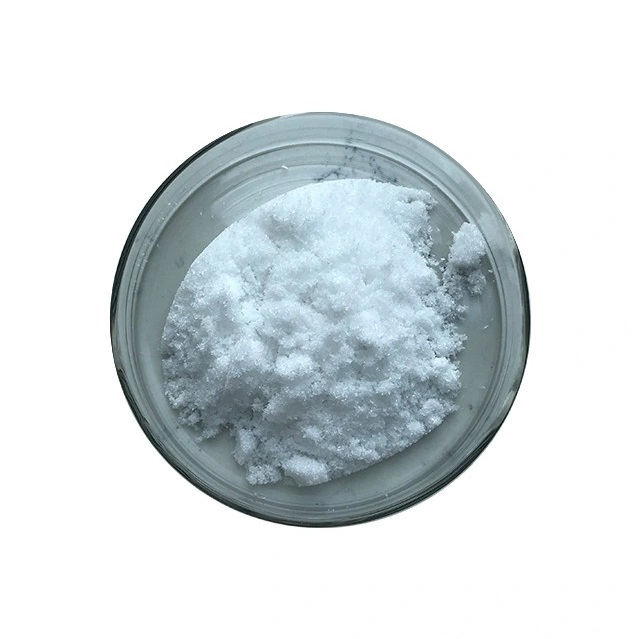
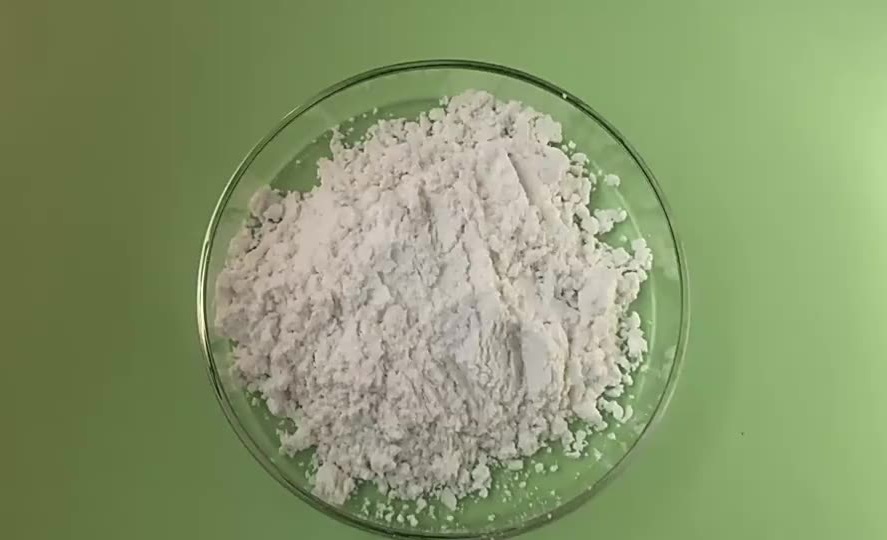
| Appearance | White to off-white, crystalline powder |
| Physical state (20°C) | Solid (crystalline powder) |
| Odor | Odorless or faint characteristic odor |
| Color | White to off-white |
| Density (20°C) | 1.17 g/cm³ |
| Bulk density (powder) | 0.4–0.7 g/cm³ (typical) |
| Melting point | 96–100°C (typically 96–98°C) |
| Boiling point | 447.5–487.5°C (decomposes before boiling) |
| Decomposition temperature | >250°C |
| Flash point | >200°C (low fire hazard) |
| Autoignition temperature | >400°C |
| Vapor pressure (25°C) | Very low (negligible) |
| Refractive index (nD20) | Not applicable (solid) |
| log P (octanol-water partition coefficient) | 3.8–4.2 (moderately lipophilic) |
| pKa | 6.5–7.0 (imidazole nitrogen – weakly basic) |
2.2 Solubility Properties
| Solvent | Temperature | Solubility | Note |
|---|---|---|---|
| Water | 25°C | Practically insoluble (<0.01 g/100 mL) | Very low solubility |
| Ethanol (ethyl alcohol) | 25°C | 5.9 g/100 mL (59 mg/mL) | Soluble |
| Methanol | 25°C | ~10–15 g/100 mL | Soluble |
| Propylene glycol | 25°C | ~5–10 g/100 mL | Moderately soluble |
| Propylene glycol (USP) | 25°C | ~10–15% (100–150 mg/mL) with heating | Used in formulations |
| Glycerol | 25°C | Slightly soluble (~1–2 g/100 mL) | Limited solubility |
| Surfactants (non-ionic, anionic) | 25°C | Good solubility in surfactant systems | Forms clear solutions |
| Fragrance oils (perfume oils) | 25°C | Good solubility | Lipophilic |
| Vegetable oils | 25°C | Moderately soluble | Lipophilic |
| Polyethylene glycol (PEG-400) | 25°C | ~10–20 g/100 mL | Soluble |
| Acetone | 25°C | Soluble (~20–30 g/100 mL) | Soluble |
| Chloroform | 25°C | Soluble | Soluble |
| Dichloromethane | 25°C | Soluble | Soluble |
| Hexane | 25°C | Slightly soluble | Low solubility |
2.3 Particle Characterization
| Parameter | Typical Value |
|---|---|
| Particle size (D50) | 5–50 µm (standard grade); 1–10 µm (micronized grade) |
| Crystal form | Needle-like or prismatic crystals |
| Specific surface area (BET) | 1–5 m²/g |
| Bulk density (loose) | 0.4–0.6 g/cm³ |
| Bulk density (tapped) | 0.6–0.8 g/cm³ |
| Compressibility index | 25–35 (moderate flowability) |
| Hausner ratio | 1.3–1.5 |
| Angle of repose | 40–50° |
2.4 Hygroscopicity and Stability
| Parameter | Value |
|---|---|
| Hygroscopicity | Low (does not absorb significant moisture from air) |
| Deliquescence | Does not deliquesce |
| Moisture content (as supplied) | ≤0.5% (typical) |
| Stability (dry, 20°C) | Very stable (2–3 years) |
| Stability (in solution, pH 4–9, 25°C) | Stable (months) |
| Stability (in solution, pH <3 or >10, elevated temperature) | Hydrolyzes slowly |
| Light sensitivity | Stable (does not discolor significantly) |
| Thermal stability | Stable up to 250°C |
3. Chemical Properties
3.1 Molecular Structure
-
Structure: 1-(4-chlorophenoxy)-1-(1H-imidazol-1-yl)-3,3-dimethylbutan-2-one
-
Functional groups: Imidazole ring (azole antifungal pharmacophore), chlorophenyl ether, ketone, tert-butyl group
-
Key structural features:
-
Imidazole ring: Binds to fungal cytochrome P450 (CYP51) – lanosterol 14α-demethylase
-
Chlorophenyl group: Enhances antifungal activity and lipophilicity
-
tert-Butyl ketone group: Contributes to stability and lipophilicity
-
Ether linkage: Connects chlorophenyl to the main chain
-
-
Ionization: Weakly basic (imidazole nitrogen pKa ~6.5–7.0)
-
Chirality: Contains one chiral center (the carbon bearing both the imidazole and chlorophenoxy groups). Commercial climbazole is typically supplied as a racemic mixture (50:50 R/S enantiomers).
3.2 Thermal Properties
| Temperature | Behavior |
|---|---|
| 20–90°C | Stable solid |
| 96–100°C | Melts (endothermic, ΔH_fusion ~25–35 kJ/mol) |
| 100–250°C | Stable molten liquid (if protected from decomposition) |
| >250°C | Decomposes: produces HCl, CO, CO₂, NOx, and organic fragments |
| DSC endotherm (melting) | 96–100°C (sharp peak) |
| TGA onset (decomposition) | ~250°C |
3.3 Chemical Reactivity
| Reaction / Behavior | Description |
|---|---|
| Hydrolysis (acidic or basic conditions) | Slow hydrolysis of the ketone or ether linkage at extreme pH |
| Stability in acidic conditions (pH 3–6) | Stable (relevant for hair care products – shampoo pH) |
| Stability in neutral conditions (pH 6–8) | Very stable |
| Stability in basic conditions (pH 8–10) | Moderately stable; slow degradation at pH >10 |
| Interaction with metal ions | May form complexes with metal ions (Cu²⁺, Fe³⁺) – can cause discoloration |
| Interaction with surfactants | Forms inclusion complexes with surfactant micelles (enhances solubility and deposition) |
| Oxidation | Resistant to mild oxidation; strong oxidizers may degrade |
| Photodegradation (UV light) | Slow photodegradation in solution (protect from direct sunlight for long-term storage) |
3.4 Antifungal Mechanism of Action (Ergosterol Biosynthesis Inhibition)
| Step | Mechanism |
|---|---|
| Target enzyme | Lanosterol 14α-demethylase (CYP51) – a cytochrome P450 enzyme |
| Binding | The imidazole nitrogen of climbazole coordinates with the heme iron of CYP51 |
| Inhibition | Prevents the oxidative demethylation of lanosterol to ergosterol |
| Result | Depletion of ergosterol (essential fungal membrane component) and accumulation of toxic 14α-methylsterols |
| Effect on fungal cell membrane | Disruption of membrane integrity → increased permeability → leakage of cellular contents |
| Final outcome | Growth inhibition (fungistatic) and cell death (fungicidal at higher concentrations) |
| Selectivity | Higher affinity for fungal CYP51 than human CYP enzymes (but cross-inhibition possible at high doses) |
4. Commercial Grades and Specifications
| Grade | Purity | Particle Size | Applications |
|---|---|---|---|
| Cosmetic Grade | ≥99.0% | 5–50 µm | Anti-dandruff shampoos, hair conditioners, scalp tonics, anti-dandruff creams |
| Pharmaceutical Grade (USP/Ph.Eur) | ≥99.0% (typically ≥99.5%) | 5–50 µm | Topical antifungal creams, lotions, ointments (prescription or OTC) |
| Technical Grade | ≥98.0% | 20–100 µm | Research, industrial applications |
| Micronized Grade (Cosmetic) | ≥99.0% | 1–10 µm | Enhanced deposition on scalp/hair |
5. Quality Specifications (Cosmetic/Pharmaceutical Grade)
| Parameter | Specification | Test Method |
|---|---|---|
| Assay (C₁₅H₁₇ClN₂O₂, dried basis) | 99.0–101.0% (typically ≥99.0%) | HPLC (UV detection) |
| Appearance | White to off-white crystalline powder | Visual |
| Melting point | 96–100°C | Capillary method / DSC |
| Loss on drying (105°C, 2 hours) | ≤0.5% | Gravimetric |
| Residue on ignition (sulfated ash) | ≤0.1% | Gravimetric (550°C) |
| Heavy metals (as Pb) | ≤10 ppm | Colorimetric / ICP |
| Lead (Pb) | ≤5 ppm | Atomic absorption / ICP |
| Arsenic (As) | ≤3 ppm | Atomic absorption / ICP |
| Cadmium (Cd) | ≤2 ppm | Atomic absorption / ICP |
| Mercury (Hg) | ≤1 ppm | Atomic absorption / ICP |
| Chloride (Cl) | ≤0.02% | Turbidimetric |
| Sulfate (SO₄) | ≤0.05% | Turbidimetric |
| Related substances (impurities) | Individual impurity ≤0.2%; Total impurities ≤1.0% | HPLC |
| 1-(4-chlorophenoxy)-3,3-dimethylbutan-2-one (impurity) | ≤0.1% | HPLC |
| Imidazole | ≤0.1% | HPLC |
| Residual solvents (methanol, ethanol, acetone) | ICH Class 3 limits | GC |
| Particle size (optional – cosmetic grade) | User-defined (e.g., D50 <20 µm) | Laser diffraction |
| Microbial limit (topical) | ≤100 CFU/g (bacteria); ≤10 CFU/g (yeast/mold) | Plate count |
| Staphylococcus aureus | Negative | Specific culture |
| Pseudomonas aeruginosa | Negative | Specific culture |
| Candida albicans | Negative | Specific culture |
| Escherichia coli | Negative | Specific culture |
6. Production Methods
6.1 Chemical Synthesis (Multi-step Synthesis – Industrial Method)
-
Synthetic route: Multi-step synthesis starting from 4-chlorophenol and imidazole
-
Simplified reaction scheme:
-
Step 1: 4-Chlorophenol is reacted with a suitable reagent to form a chlorophenoxy intermediate.
-
Step 2: The intermediate is reacted with imidazole to form the imidazole derivative.
-
Step 3: Introduction of the tert-butyl ketone group via alkylation or condensation.
-
Step 4: Purification by recrystallization (typically from ethanol or isopropanol).
-
-
Yield: 40–60% (overall)
-
Purity: ≥99.0%
-
Note: The exact synthetic route is proprietary to manufacturers.
6.2 Green Synthesis (Research Scale – Not Commercial)
-
Alternative methods: Enzymatic or catalytic routes have been reported but are not commercially used.
7. Mechanism of Action (Functional Mechanisms)
7.1 Antifungal Mechanism (Primary Mechanism – Anti-dandruff Activity)
-
Target: Malassezia species (formerly known as Pityrosporum – M. globosa, M. restricta, M. furfur)
-
Mechanism: Ergosterol biosynthesis inhibition (see section 3.4)
-
Minimum Inhibitory Concentration (MIC) against Malassezia:
-
M. globosa: 0.5–4 µg/mL
-
M. restricta: 0.5–4 µg/mL
-
M. furfur: 1–8 µg/mL
-
-
Fungistatic vs. Fungicidal: Fungistatic at low concentrations (growth inhibition), fungicidal at higher concentrations (cell death)
-
Result: Reduction of Malassezia population on the scalp → reduction of dandruff, scaling, and itching
7.2 Anti-inflammatory Mechanism (Secondary – Reduction of Scalp Irritation)
-
Reduction of inflammatory mediators: Climbazole reduces the production of pro-inflammatory cytokines (IL-1α, IL-1β, IL-6, TNF-α) in keratinocytes exposed to Malassezia metabolites.
-
Reduction of oxidative stress: May have mild antioxidant properties.
-
Result: Reduced scalp redness, itching, and irritation associated with dandruff and seborrheic dermatitis.
7.3 Keratolytic/Desquamating Mechanism (Mild – Scalp Flake Reduction)
-
Normalization of keratinocyte turnover: By reducing fungal load and inflammation, climbazole helps normalize the accelerated keratinocyte turnover caused by Malassezia.
-
Reduction of hyperproliferation: Decreased proliferation of epidermal keratinocytes → reduced formation of visible flakes.
-
Result: Less visible dandruff flakes on scalp and hair.
7.4 Deposition Mechanism on Scalp and Hair
-
Lipophilic nature: Due to its lipophilic character (log P ~3.8–4.2), climbazole partitions into the lipid-rich layers of the scalp (stratum corneum) and hair cuticle.
-
Surfactant interactions: In shampoo formulations, climbazole is solubilized in surfactant micelles. Upon dilution with water during rinsing, the micelles break down, and climbazole precipitates onto the scalp and hair (deposition).
-
Substantivity: Climbazole has good substantivity (binding) to the scalp and hair, providing residual antifungal activity between washes.
-
Result: Prolonged antifungal effect (continues between shampoo uses).
8. Applications
8.1 Anti-dandruff Shampoos – Largest Application (~80–90%)
| Application | Function | Typical Concentration | Regulatory Status |
|---|---|---|---|
| Anti-dandruff shampoos (leave-on for 2–5 minutes) | Reduces Malassezia population, controls dandruff, reduces scaling and itching | 0.2–0.5% (typically 0.3–0.5%) | OTC in most countries; EU max 0.5% |
| Anti-dandruff shampoos for seborrheic dermatitis | Treats seborrheic dermatitis of the scalp | 0.3–0.5% | OTC |
| 2-in-1 anti-dandruff shampoos (with conditioner) | Dandruff control + conditioning | 0.2–0.4% | OTC |
| Anti-dandruff shampoos for sensitive scalp | Mild antifungal activity, reduced irritation | 0.2–0.3% | OTC |
Formulation note for shampoos:
-
Solubilization method: Pre-dissolve climbazole in propylene glycol (USP) at a 1:2 to 1:4 ratio (climbazole:propylene glycol) with heating (40–50°C).
-
Alternative solubilization: Pre-dissolve in a surfactant-rich premix (e.g., with sodium laureth sulfate or cocamidopropyl betaine) with heating.
-
Incorporation temperature: Add to the formulation at 40–50°C.
-
pH range for stability: 4–8 (optimal pH 5–6 – typical shampoo pH).
8.2 Hair Conditioners and Scalp Treatments
| Application | Function | Typical Concentration |
|---|---|---|
| Anti-dandruff hair conditioners | Scalp soothing, residual antifungal activity | 0.2–0.5% |
| Scalp tonics and scalp lotions | Leave-on treatment for dandruff and seborrheic dermatitis | 0.2–0.5% |
| Scalp serums (leave-in) | Daily antifungal maintenance | 0.1–0.3% |
| Pre-shampoo scalp treatments | Intensive antifungal treatment (leave-on for 10–30 minutes before shampoo) | 0.3–0.5% |
8.3 Topical Antifungal Creams, Lotions, and Ointments (Pharmaceutical)
| Application | Function | Typical Concentration | Regulatory Status |
|---|---|---|---|
| Seborrheic dermatitis cream (facial, scalp, chest) | Treats seborrheic dermatitis (caused by Malassezia species) | 0.5–1.0% | Prescription or OTC depending on country |
| Tinea versicolor (pityriasis versicolor) cream | Treats tinea versicolor (caused by Malassezia furfur) | 0.5–1.0% | OTC or prescription |
| Tinea corporis (ringworm) cream | Treats superficial fungal infections (Trichophyton, Microsporum, Epidermophyton) | 0.5–1.0% | Prescription |
| Tinea cruris (jock itch) cream | Treats fungal infection of the groin area | 0.5–1.0% | Prescription |
| Tinea pedis (athlete's foot) cream | Treats fungal infection of the feet | 0.5–1.0% | Prescription |
| Candidiasis (yeast infection) cream | Treats Candida albicans infections | 0.5–1.0% | Prescription |
| Combination creams (with corticosteroids: hydrocortisone, betamethasone) | Treats inflamed seborrheic dermatitis or tinea (antifungal + anti-inflammatory) | 0.3–0.5% (climbazole) + corticosteroid | Prescription |
| Eczema (atopic dermatitis) creams with antifungal | Prevents secondary fungal infection in eczema | 0.3–0.5% | Prescription |
8.4 Other Cosmetic Products
| Application | Function | Typical Concentration |
|---|---|---|
| Face washes (anti-acne, antifungal) | Controls Malassezia on facial skin (seborrheic dermatitis on face) | 0.2–0.5% |
| Body washes (antifungal) | Controls tinea versicolor on chest and back | 0.2–0.5% |
| Beard shampoos and washes | Controls dandruff (seborrheic dermatitis) in the beard area | 0.2–0.5% |
| Soaps (antifungal, anti-dandruff bar soaps) | General antifungal cleansing | 0.2–0.5% |
8.5 Veterinary Applications
| Application | Function | Typical Concentration |
|---|---|---|
| Veterinary antifungal shampoos (dogs, cats, horses) | Treats Malassezia dermatitis in animals | 0.5–1.0% |
| Animal ear drops (otic preparations) | Treats fungal otitis externa | 0.5–1.0% |
9. Climbazole vs. Other Anti-dandruff Active Ingredients – Comparison
| Property | Climbazole | Piroctone Olamine | Zinc Pyrithione (ZPT) | Ketoconazole | Selenium Sulfide | Salicylic Acid | Coal Tar |
|---|---|---|---|---|---|---|---|
| Mechanism | Ergosterol synthesis inhibition | Metal chelation + membrane disruption | Membrane disruption + metal chelation | Ergosterol synthesis inhibition | Non-specific cytotoxicity | Keratolytic (scale removal) | Anti-proliferative + keratolytic |
| Primary target | Malassezia | Malassezia | Malassezia + bacteria | Malassezia | Malassezia + scale | Scale (keratin) | Hyperproliferation |
| Typical shampoo concentration | 0.2–0.5% | 0.1–0.5% | 0.5–1.0% | 0.5–2.0% | 0.5–1.0% | 0.5–3.0% | 0.5–5.0% |
| Solubility in water | Very low | Moderate (salt) | Very low | Very low | Insoluble | Moderate | Very low |
| Solubility in propylene glycol | Good | Good | Moderate | Moderate | Poor | Good | Poor |
| Deposition on scalp | Good (lipophilic) | Good | Excellent (forms particles) | Good | Good | Low (rinse-off) | Moderate |
| Substantivity (binding) | Good | Good | Excellent | Good | Good | Low | Moderate |
| Skin irritation potential | Low | Very low | Low (rare) | Low | Moderate (dryness) | Moderate (stinging) | High (sensitization) |
| Color | White | White | White | White | Orange/yellow | White | Brown/black |
| Odor | Odorless | Mild characteristic | Mild | Odorless | Sulfurous | Odorless | Tar-like (strong) |
| Stability in shampoos | Excellent (pH 4–8) | Excellent | Good (pH 5–7) | Good | Good | Good | Good |
| Regulatory max in EU cosmetics | 0.5% | 0.5% | 0.5% (rinse-off) | Not allowed (pharmaceutical) | 0.5% | Not restricted | 1.0% (restricted) |
| FDA OTC monograph | Not yet (pending) | Not yet | Yes (Category I) | Yes (pharmaceutical) | Yes (Category I) | Yes (Category I) | Yes (Category I) |
| Natural/derived | Synthetic | Synthetic | Synthetic | Synthetic | Natural (mineral) | Natural (plant) | Natural (coal) |
10. Toxicology and Safety
10.1 Acute Toxicity
| Parameter | Value | Classification |
|---|---|---|
| Oral LD₅₀ (rat) | >2,000 mg/kg | Acute Tox. 4 (H302) – Harmful if swallowed |
| Dermal LD₅₀ (rabbit) | >2,000 mg/kg | Not classified |
| Inhalation LC₅₀ (rat, 4 hr) | >5 mg/L (dust) | Not classified |
| Skin irritation (rabbit) | Non-irritant to mild irritant | Not classified |
| Eye irritation (rabbit) | Mild to moderate irritant | Eye Irrit. 2 (H319) – Causes eye irritation |
| Skin sensitization (guinea pig) | Non-sensitizer to weak sensitizer | Not classified (low risk) |
| Phototoxicity (in vitro) | Negative | Not classified |
10.2 Subchronic and Chronic Toxicity
| Parameter | Value |
|---|---|
| NOAEL (rat, 90 days, oral) | 50 mg/kg/day (systemic); >100 mg/kg/day (dermal) |
| NOAEL (rat, 90 days, dermal) | >100 mg/kg/day |
| Reproductive toxicity | Negative (NOAEL 50 mg/kg/day) |
| Developmental toxicity (teratogenicity) | Negative (no evidence of birth defects) |
| Genotoxicity (Ames test) | Negative |
| Carcinogenicity (2-year rat study) | Negative (not carcinogenic) |
| Endocrine disruption potential | Weak anti-androgenic activity in vitro at high concentrations (not clinically relevant at typical exposure levels) |
| Target organs (high-dose oral) | Liver (enzyme induction), thyroid (in rats – species-specific, not relevant to humans) |
10.3 Special Concerns and Considerations
| Concern | Information |
|---|---|
| Endocrine disruption | Some in vitro studies suggest weak anti-androgenic activity. Human relevance: Very low. Typical topical exposure (shampoo) is very low (systemic absorption <0.1%). No confirmed endocrine effects in humans at recommended concentrations. |
| Environmental concerns (aquatic toxicity) | High aquatic toxicity. EC50 for algae: 0.01–0.1 mg/L. Must not be discharged into water bodies. Biodegradation is slow. |
| Allergic contact dermatitis | Rare. A few case reports of contact allergy to climbazole in shampoos. Incidence extremely low. |
| Cross-reactivity with other azoles | Possible cross-sensitivity with other imidazole antifungals (ketoconazole, miconazole, clotrimazole) in highly sensitized individuals (very rare). |
| Systemic absorption (topical) | Very low (<0.1% through intact skin). No significant systemic exposure from shampoo use. |
| Eye irritation | Direct contact may cause mild to moderate eye irritation. Rinse thoroughly with water if product enters eyes. |
| Pregnancy and lactation | Considered safe for topical use (shampoos, creams) during pregnancy and lactation at recommended concentrations (<0.5%). Minimal systemic absorption. |
10.4 GHS Classification
| Classification | Category | Hazard Statements |
|---|---|---|
| Acute toxicity (oral) | Category 4 | H302 – Harmful if swallowed |
| Eye irritation | Category 2 | H319 – Causes serious eye irritation |
| Aquatic toxicity (acute) | Category 1 | H400 – Very toxic to aquatic life |
| Aquatic toxicity (chronic) | Category 1 | H410 – Very toxic to aquatic life with long-lasting effects |
Signal word: WARNING
10.5 NFPA Rating
| Health | Flammability | Reactivity | Special |
|---|---|---|---|
| 1 (slight hazard) | 0 (non-flammable) | 0 (stable) | None |
11. Safety Precautions and Personal Protective Equipment (PPE)
Hazards:
-
Harmful if swallowed (H302).
-
Causes eye irritation (H319).
-
Very toxic to aquatic life with long-lasting effects (H410).
-
Combustible dust – may form explosive dust-air mixtures at high concentrations (though low hazard).
-
Dust may cause mechanical irritation to eyes and respiratory tract.
PPE (recommended – for powder handling):
-
Respiratory protection: P1 or P2 dust mask (when handling large quantities of powder).
-
Eye protection: Safety glasses with side shields (dust protection). Chemical splash goggles recommended for large-scale handling.
-
Gloves: Nitrile or latex gloves (for handling concentrated powder).
-
Protective clothing: Laboratory coat or standard work clothing.
-
Footwear: Closed-toe shoes.
Engineering controls:
-
Local exhaust ventilation (LEV) for dust control during weighing and mixing.
-
General room ventilation.
-
Dust collection system for large-scale handling.
Storage conditions:
| Parameter | Requirement |
|---|---|
| Storage temperature | 10–30°C (cool, dry) |
| Relative humidity | <60% (to prevent caking) |
| Container material | HDPE, LDPE, PP, glass, lined steel |
| Container closure | Tightly sealed (prevents moisture absorption and contamination) |
| Storage conditions | Store in original, tightly closed container. Store in a cool, dry, well-ventilated area. Protect from direct sunlight. Protect from moisture. Keep away from strong oxidizing agents. |
| Incompatible materials | Strong oxidizing agents, strong acids, strong bases (hydrolysis). |
| Shelf life | 3–5 years (stable) |
Environmental precautions (very important):
-
Do not discharge into water bodies, sewers, or the environment. Climbazole is very toxic to aquatic organisms (algae, fish, invertebrates).
-
Disposal: Dispose of as hazardous waste (environmentally hazardous substance). Incineration (with flue gas treatment) is preferred.
-
Spill cleanup: Collect spilled material using a dust-rated vacuum or wet-sweeping (avoid dust generation). Do not wash into drains. Dispose of as hazardous waste.
First aid:
-
Inhalation: Move to fresh air. No specific treatment required. Seek medical attention if respiratory irritation persists.
-
Skin contact: Wash with water and soap. No specific treatment required.
-
Eye contact: Rinse with water for several minutes, lifting eyelids. Remove contact lenses. Seek medical attention if irritation persists.
-
Ingestion: Rinse mouth. Drink water. Do NOT induce vomiting. Seek medical attention if large amounts ingested.
Firefighting:
-
Fire class: Combustible dust (Class A) – low fire hazard.
-
Extinguishing media: Water spray, dry chemical powder (ABC), CO₂, foam.
-
Firefighting instructions: Firefighters should wear SCBA and full protective gear. Toxic decomposition products (HCl, CO, NOx) may be released.
12. Environmental Fate
| Parameter | Value |
|---|---|
| Biodegradability | Not readily biodegradable (OECD 301) – <20–30% degradation in 28 days |
| Aquatic toxicity (algae, EC₅₀, 72 hr) | 0.01–0.1 mg/L (very toxic) |
| Aquatic toxicity (daphnia, EC₅₀, 48 hr) | 0.5–5 mg/L (toxic) |
| Aquatic toxicity (fish, LC₅₀, 96 hr) | 1–10 mg/L (moderately to highly toxic) |
| Bioaccumulation potential | Moderate (log Kow 3.8–4.2 → potential for bioaccumulation in aquatic organisms) |
| Mobility in soil | Low to moderate (adsorbs to organic matter due to lipophilicity) |
| Degradation in water | Slow hydrolysis; photodegradation possible |
| Persistence | Moderate to high (slow biodegradation) |
| WGK Germany | 3 (severe hazard to water) |
| Disposal method | Hazardous waste; incineration preferred |
13. Storage and Shelf Life
13.1 Storage Conditions
| Parameter | Requirement |
|---|---|
| Storage temperature | 10–30°C (cool, dry) |
| Relative humidity | <60% |
| Container material | HDPE, LDPE, PP, glass, lined steel |
| Container closure | Tightly sealed |
| Storage conditions | Store in original, tightly closed container. Store in a cool, dry, well-ventilated area. Protect from direct sunlight. Protect from moisture. Keep away from strong oxidizing agents. |
| Incompatible materials | Strong oxidizing agents, strong acids, strong bases |
| Shelf life | 3–5 years (stable) |
13.2 Shelf Life and Degradation
| Parameter | Value |
|---|---|
| Shelf life (unopened, <25°C, dry) | 5 years |
| Shelf life (opened, stored properly) | 2–3 years |
| Degradation signs | Discoloration (yellowing or browning); caking; reduced assay value; formation of degradation products by HPLC |
| Degradation mechanism | Slow hydrolysis (in presence of moisture, heat, or extremes of pH) → breakdown of the ketone or ether linkage |
| Accelerating factors | High temperature (>50°C), high humidity (>70% RH), acidic conditions (pH <3), basic conditions (pH >10), light exposure |
14. Transport Information
| Regulation | Classification |
|---|---|
| UN Number | Not applicable (not classified as hazardous material for transport under normal conditions) |
| ADR/RID | Not classified (not dangerous goods) |
| IMDG | Not classified (not dangerous goods) |
| IATA | Not classified (not dangerous goods) |
| Environmental hazard (aquatic) | Not classified for transport under UN (but environmentally hazardous for some regulations) |
| Special precautions | Avoid dust generation |
| Not subject to | ADR, RID, IMDG, IATA (in most cases) |
Transport note: Climbazole is not classified as a hazardous material for transport under UN Model Regulations. However, due to its aquatic toxicity, some countries may require environmental hazard labeling for bulk shipments.
15. Synonyms and Common Names
-
English: Climbazole, Climbazol, 1-(4-Chlorophenoxy)-1-(1H-imidazol-1-yl)-3,3-dimethylbutan-2-one, 1-(4-Chlorophenoxy)-1-(1H-imidazol-1-yl)-3,3-dimethylbutane-2-one
-
German: Climbazol
-
French: Climbazole
-
Spanish: Climbazol
-
Trade names: Climbazole (generic), Climbazol (various), Crinipan® AD (BASF/Lonza – climbazole-based anti-dandruff active), Ketoconazole alternative (non-prescription), generic climbazole
Note: Crinipan® AD is a registered trademark of BASF/Lonza for a climbazole-based anti-dandruff active ingredient (often supplied as a 20% solution in propylene glycol).
16. Climbazole in Anti-dandruff Shampoos – Formulation Guide
16.1 Typical Concentration by Product Type
| Product Type | Typical Concentration | Notes |
|---|---|---|
| Anti-dandruff shampoo (OTC) | 0.3–0.5% | Most common range |
| Anti-dandruff shampoo (mild, frequent use) | 0.2–0.3% | For sensitive scalp |
| 2-in-1 anti-dandruff shampoo | 0.2–0.4% | With conditioner ingredients |
| Scalp tonic (leave-on) | 0.2–0.5% | Applied after washing |
| Anti-dandruff conditioner | 0.2–0.5% | Leave-on for 2–5 minutes |
16.2 Solubilization and Incorporation Guide for Formulators
| Requirement | Method |
|---|---|
| Solubilization in propylene glycol (USP) | Pre-dissolve climbazole in propylene glycol at 1:2 to 1:4 ratio (climbazole:PG). Heat to 40–50°C with stirring. Maximum solubility in PG: ~15–20%. |
| Solubilization in surfactants | Pre-mix climbazole with a small amount of surfactant (e.g., sodium laureth sulfate 2–5%) with heating to 40–50°C until clear. |
| Alternative solubilizer | PEG-400, PEG-40 hydrogenated castor oil (Cremophor RH40), or other solubilizers. |
| Incorporation temperature | Add to the main batch at 40–50°C. Avoid temperatures >70°C (risk of degradation). |
| pH range for stability | 4–8 (optimal pH 5–6 – typical shampoo pH). |
| Compatibility | Compatible with most shampoo surfactants (SLES, ALS, CAPB, SLS), preservatives, and fragrances. May cause slight cloudiness in highly concentrated systems. |
| Incompatibility | Strong oxidizing agents (bleach, hydrogen peroxide), high pH (>9), low pH (<3). |
16.3 Recommended Minimum Inhibitory Concentration (MIC) against Malassezia species
| Malassezia Species | MIC (µg/mL) | MFC (µg/mL) |
|---|---|---|
| M. globosa | 0.5–2 | 2–8 |
| M. restricta | 0.5–2 | 2–8 |
| M. furfur | 1–4 | 4–16 |
| M. sympodialis | 1–4 | 4–16 |
17. Frequently Asked Questions (FAQs)
Q1: What is climbazole and what is it used for?
A1: Climbazole is an imidazole antifungal agent used primarily as an anti-dandruff active ingredient in shampoos and scalp treatments. It is effective against Malassezia species (formerly Pityrosporum), the fungi responsible for dandruff, seborrheic dermatitis, and tinea versicolor. Approximately 80–90% of climbazole production is used in anti-dandruff shampoos.
Q2: How does climbazole work against dandruff?
A2: Climbazole inhibits ergosterol biosynthesis in fungal cell membranes by blocking the enzyme lanosterol 14α-demethylase (CYP51). This leads to depletion of ergosterol (an essential membrane component) and accumulation of toxic sterols, disrupting membrane integrity and killing or inhibiting the growth of Malassezia fungi on the scalp.
Q3: Is climbazole safe for daily use in shampoos?
A3: Yes, climbazole is considered safe for daily or frequent use in shampoos at concentrations up to 0.5% (EU maximum). Systemic absorption through the scalp is very low (<0.1%). It is non-irritating to the skin (at recommended concentrations) and has a very low incidence of allergic reactions. It is also considered safe for use during pregnancy and lactation.
Q4: What is the difference between climbazole and ketoconazole?
A4: Both are imidazole antifungals with the same mechanism of action (ergosterol synthesis inhibition). Key differences:
-
Ketoconazole is a stronger antifungal (lower MIC values) but requires a prescription in many countries for oral and some topical forms. It has a higher risk of systemic side effects.
-
Climbazole is slightly weaker but can be used OTC in cosmetics (no prescription). It has an excellent safety profile and is less likely to cause resistance. Climbazole is also more lipophilic, providing better deposition on the scalp.
-
For anti-dandruff shampoos, both are effective. Climbazole is often preferred for OTC cosmetic products.
Q5: Is climbazole a prescription drug?
A5: It depends on the concentration and application:
-
Shampoos (≤0.5%): Non-prescription (cosmetic/OTC) in most countries (EU, Japan, Korea, many others). In the USA, climbazole is not yet included in the FDA OTC monograph but is used in some products.
-
Topical creams (>0.5%): May require a prescription depending on the country and concentration (0.5–1.0%).
-
Oral formulations: Prescription only (climbazole is not typically used orally due to safety concerns).
Q6: Can climbazole be used for seborrheic dermatitis on the face?
A6: Yes, climbazole is effective for facial seborrheic dermatitis (redness, scaling, itching). It is available in some creams, lotions, and face washes at concentrations of 0.3–1.0%. It is less irritating than some other antifungal agents (e.g., ketoconazole cream may cause stinging). Always follow the product instructions.
Q7: Is climbazole effective against tinea versicolor (pityriasis versicolor)?
A7: Yes, climbazole is effective against Malassezia furfur, the causative agent of tinea versicolor (a superficial fungal infection causing discolored patches on the chest, back, and arms). Climbazole-containing body washes, shampoos (used as body wash), or creams can be used for treatment and prevention.
Q8: What are the potential side effects of climbazole?
A8: At recommended concentrations (<0.5% in shampoos), side effects are very rare:
-
Mild eye irritation if product enters eyes (rinse thoroughly).
-
Allergic contact dermatitis (extremely rare – <0.01% of users).
-
Skin dryness or scaling with overuse (reduced by using a moisturizer or conditioner).
-
No significant systemic side effects due to very low absorption.
Q9: How should climbazole be formulated in anti-dandruff shampoos?
A9: Climbazole is lipophilic (poorly water-soluble). It is typically pre-dissolved in propylene glycol (USP) at a 1:2 to 1:4 ratio (climbazole:PG) with heating to 40–50°C. This solution is then added to the shampoo base at 40–50°C. The final shampoo pH should be 5–6 for stability. Maximum EU concentration is 0.5%.
Q10: Is climbazole environmentally safe?
A10: Climbazole has high aquatic toxicity (very toxic to algae, daphnia, and fish). It is not readily biodegradable. Therefore, climbazole-containing products should not be discharged into water bodies, and manufacturing waste should be properly treated or incinerated. Environmental risk assessments are required for regulatory approval.
18. Summary Table – Key Specifications at a Glance
| Parameter | Value |
|---|---|
| Product Name | Climbazole |
| CAS Number | 38083-17-9 |
| EC Number | 253-775-4 |
| Molecular Formula | C₁₅H₁₇ClN₂O₂ |
| Molecular Weight | 292.76 g/mol |
| Appearance | White to off-white crystalline powder |
| Odor | Odorless or faint characteristic |
| Melting Point | 96–100°C |
| Boiling Point | 447.5–487.5°C (decomposes) |
| Density (20°C) | 1.17 g/cm³ |
| Bulk Density | 0.4–0.7 g/cm³ |
| Solubility in Water (25°C) | Practically insoluble (<0.01 g/100 mL) |
| Solubility in Ethanol (25°C) | 5.9 g/100 mL (59 mg/mL) – soluble |
| Solubility in Propylene Glycol | ~10–15 g/100 mL – soluble |
| log P (octanol-water) | 3.8–4.2 (moderately lipophilic) |
| pKa | 6.5–7.0 (weakly basic) |
| Assay (Cosmetic/Pharmaceutical Grade) | ≥99.0% (typically ≥99.5%) |
| Loss on drying | ≤0.5% |
| Residue on ignition | ≤0.1% |
| Heavy metals (as Pb) | ≤10 ppm |
| Primary Mechanism | Ergosterol biosynthesis inhibitor (lanosterol 14α-demethylase – CYP51) |
| Primary Target | Malassezia species (dandruff, seborrheic dermatitis, tinea versicolor) |
| Typical Shampoo Concentration | 0.2–0.5% (EU max 0.5%) |
| Primary Applications | Anti-dandruff shampoos (80–90%), hair conditioners, scalp tonics, topical antifungal creams (seborrheic dermatitis, tinea versicolor, ringworm) |
| GHS Signal Word | WARNING |
| GHS Hazard Statements | H302, H319, H400, H410 |
| NFPA Rating | Health: 1, Flammability: 0, Reactivity: 0 |
| Oral LD₅₀ (rat) | >2,000 mg/kg |
| Aquatic toxicity (algae, EC₅₀) | 0.01–0.1 mg/L (very toxic) |
| Biodegradability | Not readily biodegradable |
| Shelf Life (proper storage) | 3–5 years |
*This TDS is prepared in compliance with ISO 11014-1 format and is intended for cosmetic formulators, pharmaceutical scientists, dermatologists, anti-dandruff product developers, haircare product manufacturers, and procurement personnel. Certificates of Analysis (CoA), Safety Data Sheets (SDS), and sample validation reports are available upon request.*