We unleash your business potential by maximize the business innovation.
Send EmailAmmonium Persulfate, Ammonium Peroxodisulphate, Diammonium Peroxydisulfate, APS, 7727-54-0
AMMONIUM PERSULFATE (APS)
CAS 7727-54-0 | (NH₄)₂S₂O₈
SECTION 1: PRODUCT IDENTITY AND DEFINITION
| Parameter | Description |
|---|---|
| Product Name | Ammonium Persulfate |
| Other Names | Ammonium Peroxydisulfate, Diammonium Peroxydisulfate, Ammonium Peroxodisulfate, Peroxydisulfuric Acid Diammonium Salt, Diazanium Sulfonatooxy Sulfate, APS |
| Chemical Formula | (NH₄)₂S₂O₈ |
| Molecular Weight | 228.21 g/mol |
| CAS Number | 7727-54-0 |
| EC Number (EINECS) | 231-786-5 |
| Chemical Class | Inorganic Peroxide / Oxidizing Agent |
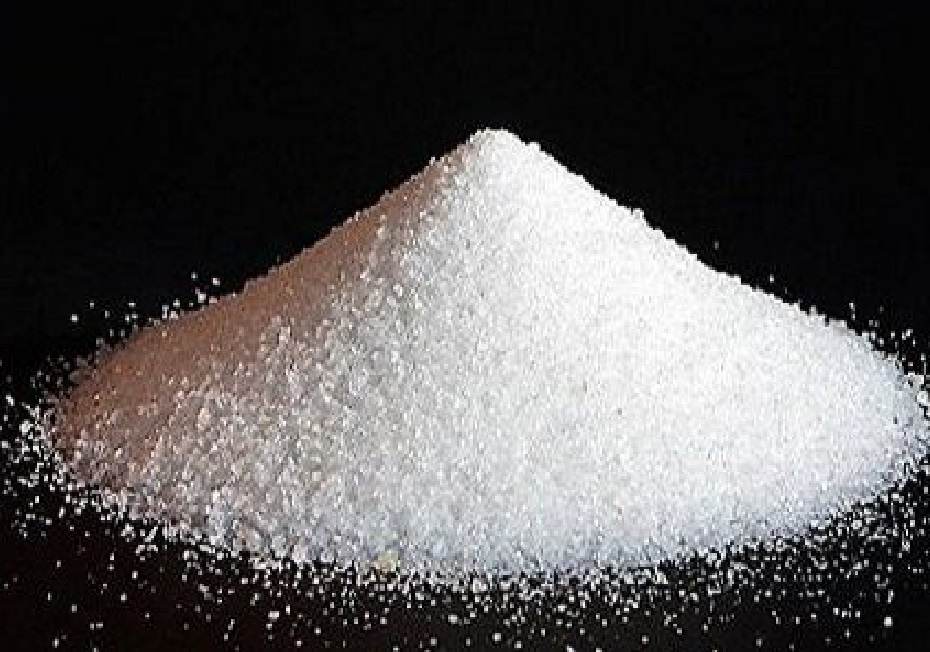
| Appearance | White Crystalline Powder (monoclinic crystals) |
| Source | Synthetic |
Description: Ammonium Persulfate (APS) is a white crystalline inorganic salt known as a strong oxidizing agent with the chemical formula (NH₄)₂S₂O₈. It is readily soluble in water and is used as a polymerization initiator, etchant, cleaner, and bleaching agent in various industrial applications due to its strong oxidizing properties. Although not flammable itself, it can cause organic materials to ignite. It can decompose when exposed to water and humid air. It is widely used in polymer chemistry, electronics, cosmetics, oil and gas, and food industries.
SECTION 2: SYNONYMS AND OTHER NAMES
| No | Synonym / Other Name |
|---|---|
| 1 | Ammonium Persulfate |
| 2 | Ammonium Peroxydisulfate |
| 3 | Diammonium Peroxydisulfate |
| 4 | Peroxydisulfuric Acid Diammonium Salt |
| 5 | Ammonium Peroxodisulfate |
| 6 | Diazanium Sulfonatooxy Sulfate |
| 7 | APS |
| 8 | 7727-54-0 |
| 9 | EC 231-786-5 |
| 10 | Electrophoresis Grade Peroxydisulfate |
SECTION 3: CHEMICAL STRUCTURE AND PROPERTIES
| Parameter | Description |
|---|---|
| Chemical Family | Inorganic Peroxide / Oxidizing Agent |
| Structure | Two sulfate groups connected by a peroxide bond (-O-O-) |
| Functional Groups | Peroxide (-O-O-), Sulfate (-SO₄), Ammonium (NH₄⁺) |
| Oxidizing Property | Strong oxidizing agent; used in electron transfer reactions |
| Oxygen Release | Decomposes to release oxygen gas |
Structural Formula:
    NH₄⁺  [ -O₃S - O - O - SO₃⁻ ]  NH₄⁺

    Diammonium Peroxydisulfate (Ammonium Persulfate)
Key Characteristics:
-
Strong oxidizing agent
-
Readily soluble in water
-
Effective as a polymerization initiator
-
Decomposes to release oxygen gas
-
Decomposes when heated or exposed to moisture
-
Not flammable but can cause organic materials to ignite
SECTION 4: PHYSICAL AND CHEMICAL PROPERTIES
| Parameter | Specification | Typical Value | Test Method |
|---|---|---|---|
| Physical State (25°C) | Solid (Crystalline Powder) | - | Visual |
| Appearance | White Crystalline Powder | - | Visual |
| Odor | Slight characteristic | - | Organoleptic |
| Chemical Formula | (NH₄)₂S₂O₈ | - | - |
| Molecular Weight | 228.21 g/mol | - | - |
| CAS Number | 7727-54-0 | - | - |
| Density (20°C) | 1.98 g/cm³ | ~1.98 g/cm³ | ASTM D4052 |
| Melting Point | 120 °C (with decomposition) | ~120 °C | DSC |
| Boiling Point | Decomposes | - | - |
| pH (1% Aqueous Solution) | ~3.0 – 4.0 | - | USP <791> |
| Water Solubility | Readily soluble | ~580 g/L (20°C) | - |
| Organic Solvent Solubility | Limited | - | - |
| Oxidizing Property | Strong | - | - |
| Stability (Dry) | Stable | - | - |
| Stability (Moist) | May decompose | - | - |
| Decomposition Products | Ammonium sulfate, oxygen | - | - |
SECTION 5: DECOMPOSITION AND REACTIVITY
| Parameter | Description |
|---|---|
| Thermal Decomposition | Begins to decompose at 120°C: (NH₄)₂S₂O₈ → (NH₄)₂SO₄ + SO₄ + O₂ |
| Decomposition in Moist Air | Slowly decomposes upon contact with water and humid air |
| Oxidizing Effect | Can cause oxidation upon contact with organic materials |
| Flammability | Not flammable itself; but can cause organic materials to ignite |
| Incompatible Materials | Strong reducing agents, organic materials, metals, acids, bases, chlorides, iodides |
| Corrosive Effect | Corrosive; avoid contact with metals |
| Active Oxygen Content | ~6.9% (theoretical) |
| Decomposition Products | Ammonium sulfate, oxygen gas, sulfur oxides |
SECTION 6: APPLICATIONS
| Industry | Application | Function / Benefit | Typical Use Level |
|---|---|---|---|
| Polymer Chemistry | |||
| Polymerization Initiator | Radical polymerization initiator | Used in synthesis of high molecular weight polymers | 0.1 – 2.0% |
| Emulsion Polymerization | Initiator | Polymerization of acrylic, styrene, butadiene, and other monomers | 0.1 – 2.0% |
| Suspension Polymerization | Initiator | Production of PVC, PS, and other polymers | 0.1 – 2.0% |
| Electronics Industry | |||
| Printed Circuit Boards (PCB) | Etchant and cleaner | Copper surface etching and cleaning | Appropriate concentration |
| Etching | Etching agent | Manufacturing of circuit boards with rough surfaces | With H₂SO₄ and HCl |
| Cosmetics | |||
| Hair Bleaching | Bleaching agent, booster | Lightening hair color and strengthening hair | Formulation dependent |
| Hair Dyes | Oxidizing agent | Hair dye formulations | Formulation dependent |
| Oil and Gas Industry | |||
| Hydraulic Fracturing (Fracking) | Oxidizing agent | Creating fractures in underground rock formations | Appropriate concentration |
| Well Stimulation | Oxidizing agent | Increasing oil and gas flow | Appropriate concentration |
| Food Industry | |||
| Yeast Processing | Yeast modifier | Modifying yeast in beer production (food grade) | Appropriate concentration |
| Flour Bleaching | Bleaching agent | Flour bleaching | Appropriate concentration |
| Laboratory Applications | |||
| Electrophoresis | Polymerization catalyst | Preparing polyacrylamide gels | 0.1 – 1.0% |
| Protein Electrophoresis | Gel former | SDS-PAGE gel preparation | 0.1 – 1.0% |
| Other Industries | |||
| Soap and Oil Industry | Bleaching agent | Oil and soap bleaching | Appropriate concentration |
| Textiles | Bleaching agent | Textile bleaching | Appropriate concentration |
| Paper Industry | Oxidizing agent | Paper bleaching processes | Appropriate concentration |
| Water Treatment | Oxidizing agent | Water treatment systems | Appropriate concentration |
| Metal Surface Treatment | Etchant | Metal surface cleaning and preparation | Appropriate concentration |
SECTION 7: POLYMERIZATION INITIATOR MECHANISM
| Parameter | Description |
|---|---|
| Radical Generation | Ammonium persulfate generates sulfate radicals (SO₄⁻•) upon activation by heat or redox systems |
| Initiation | SO₄⁻• + M → SO₄⁻-M• (monomer radical formation) |
| Propagation | Monomer radicals react with other monomers to grow the polymer chain |
| Termination | Termination by radical recombination or disproportionation |
| Redox System | Activation at low temperatures with iron, thiosulfate, or other reducing agents |
| Thermal Activation | Thermal activation at 40-80°C |
Polymerization Mechanism:
Heat or Redox → (NH₄)₂S₂O₈ → 2 SO₄⁻• (sulfate radicals)
SO₄⁻• + CH₂=CH-X → SO₄⁻-CH₂-CH•-X → Polymer
SECTION 8: PURITY AND ANALYTICAL SPECIFICATIONS
| Parameter | Specification | Typical Value | Test Method |
|---|---|---|---|
| Purity | ≥ 98.0% | 98.0 – 99.5% | Titration |
| Active Oxygen | ≥ 6.8% | ~6.9% | Titration |
| Chloride (Cl) | ≤ 0.005% | < 0.002% | Titration |
| Sulfate (SO₄) | ≤ 0.05% | < 0.02% | Titration |
| Iron (Fe) | ≤ 0.001% | < 0.0005% | AAS |
| Heavy Metals (Pb) | ≤ 5 ppm | < 2 ppm | USP <231> |
| Moisture Content | ≤ 0.1% | < 0.05% | Karl Fischer |
| pH (1% Aqueous Solution) | 3.0 – 4.0 | ~3.5 | USP <791> |
| Appearance | White Crystalline Powder | - | Visual |
| Density | 1.98 g/cm³ | - | - |
| Melting Point | 120°C | - | DSC |
SECTION 9: REGULATORY STATUS
| Region / Authority | Status | Description |
|---|---|---|
| European Union | Permitted | Classified as industrial chemical |
| Turkey | Permitted | Compliant with EU legislation |
| USA (FDA) | Restricted | Limited use as food additive |
| Japan | Permitted | Approved as industrial chemical |
| Canada | Permitted | Health Canada approved |
| REACH | Registered | Compliant with EU chemical regulations |
| Food Grade | Available | For yeast processing and flour bleaching |
SECTION 10: SAFETY AND TOXICOLOGICAL PROFILE
GHS Classification:
| Hazard Class | Category | Description |
|---|---|---|
| Oxidizing Solids | Category 2 | H272 - May intensify fire; oxidizer |
| Skin Irritation | Category 2 | H315 - Causes skin irritation |
| Eye Irritation | Category 2 | H319 - Causes serious eye irritation |
| Respiratory Irritation | Category 3 | H335 - May cause respiratory irritation |
| Skin Sensitization | Category 1 | H317 - May cause allergic skin reaction |
Toxicological Data:
| Parameter | Value / Assessment | Test System |
|---|---|---|
| Acute Oral Toxicity (LD50) | ~500 – 1,000 mg/kg | Rat |
| Acute Dermal Toxicity (LD50) | > 2,000 mg/kg | Rabbit |
| Acute Inhalation Toxicity (LC50) | > 5 mg/L | Rat |
| Skin Irritation | Irritating | Rabbit (Draize test) |
| Eye Irritation | Severely irritating | Rabbit (Draize test) |
| Skin Sensitization | May cause sensitization | Human Patch Test |
| Carcinogenicity | Not classified (IARC, NTP) | - |
| Mutagenicity | Not mutagenic | Ames Test |
| Reproductive Toxicity | Not classified | - |
| Respiratory Sensitization | May cause respiratory sensitization | - |
Personal Protective Equipment (PPE):
-
Dust Mask: P2/P3 (in powder form)
-
Safety Goggles: Against chemical splashes
-
Gloves: Butyl or nitrile gloves
-
Protective Clothing: Chemical-resistant apron
-
Ventilation: Local exhaust + general ventilation
First Aid Measures:
| Exposure Route | Action |
|---|---|
| Inhalation | Move to fresh air. If breathing difficulty, administer oxygen. Seek medical attention. |
| Skin Contact | Wash affected area with plenty of water. Remove contaminated clothing. |
| Eye Contact | Rinse with plenty of water for at least 15 minutes. Seek medical attention. |
| Ingestion | Rinse mouth. Do not induce vomiting. Seek medical attention. |
SECTION 11: STORAGE AND SHELF LIFE
| Parameter | Information |
|---|---|
| Storage Temperature | 15 – 25°C (cool, dry) |
| Storage Conditions | Dry, well-ventilated area |
| Container Requirements | Sealed containers (PE-lined, HDPE) |
| Protect From | Moisture, heat, light, organic materials, reducing agents |
| Incompatible Materials | Strong reducing agents, organic materials, metals, acids, bases, chlorides, iodides |
| Shelf Life | 12 – 24 months (under proper storage) |
| Degradation Signs | Caking, discoloration, odor (ammonia) |
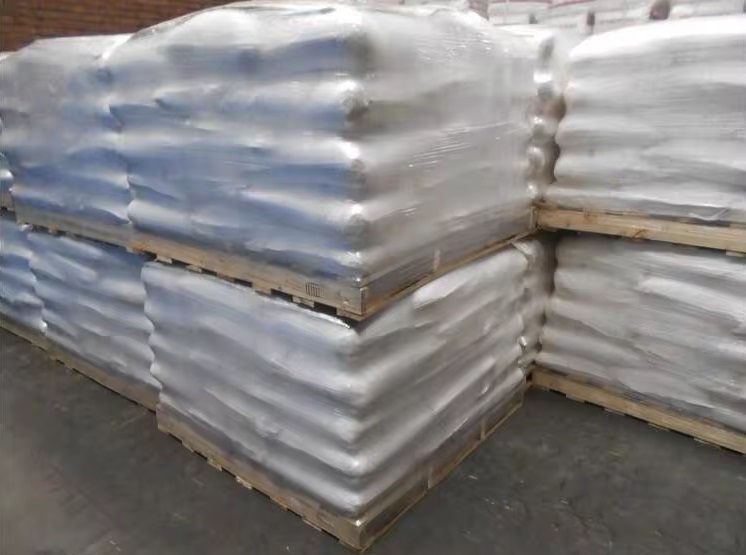
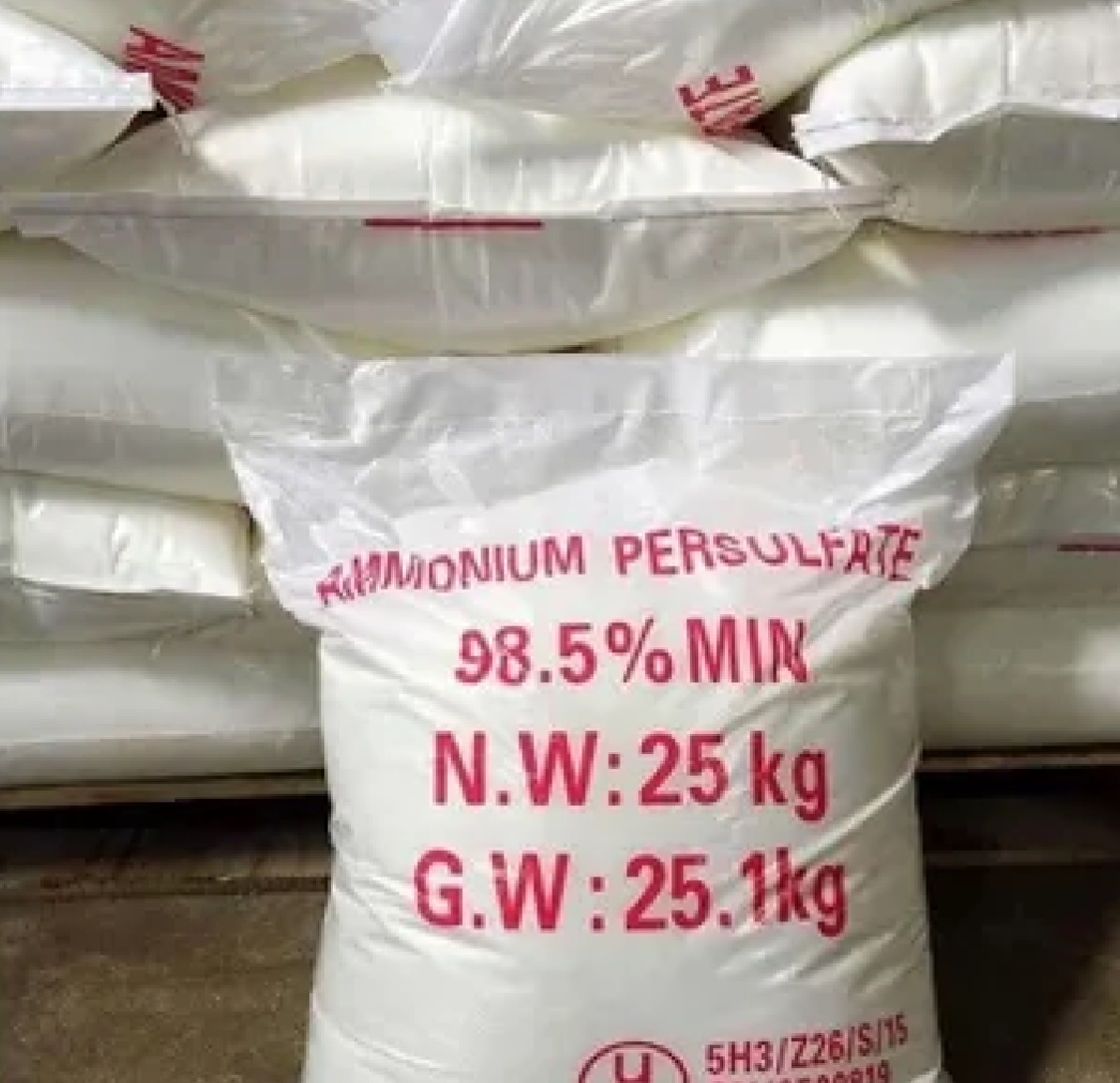
| Packaging | 25 kg PE-lined multi-layer bags or HDPE drums |
SECTION 12: TRANSPORTATION AND SHIPPING INFORMATION
| Parameter | Description |
|---|---|
| UN Number | UN 3096 (Oxidizing Solid, N.O.S.) |
| Hazard Class | Class 5.1 (Oxidizing Substances) |
| Packing Group | PG III |
| Marine Pollutant | No |
| Transport Classification | |
| ADR (Road) | Class 5.1, UN 3096, PG III |
| RID (Rail) | Class 5.1, UN 3096, PG III |
| IMDG (Maritime) | Class 5.1, UN 3096, PG III |
| IATA/ICAO (Air) | Class 5.1, UN 3096, PG III |
| Transport Temperature | Ambient temperature (15-25°C) |
| Transport Precautions | Protect from moisture, heat, organic materials |
| Packaging Precautions | Use leak-proof, sturdy packaging |
SECTION 13: QUALITY CERTIFICATES AND STANDARDS
| Certificate / Standard | Status | Description |
|---|---|---|
| ISO 9001:2015 | Certified | Quality management system |
| ISO 14001:2015 | Certified | Environmental management system |
| REACH | Registered | EU chemical regulation compliance |
| FDA 21 CFR | Compliant | Food applications |
| Food Grade Certificate | Available | For yeast processing |
| Certificate of Analysis (COA) | Provided with each batch | Includes binding specifications |
| Safety Data Sheet (SDS) | Available | Current 16-section document |
| Technical Data Sheet (TDS) | Available | Comprehensive technical information |
| GMP | Compliant | Manufacturing quality standards |
SECTION 14: DISCLAIMER AND LEGAL NOTICE
| Item | Description |
|---|---|
| Information Purpose | This Technical Data Sheet (TDS) is for informational purposes only and does not constitute a binding specification. |
| Typical Values | Values stated herein are based on typical laboratory results and may vary slightly between batches. |
| Binding Data | For binding specifications, the Certificate of Analysis (COA) for each batch should be requested. |
| User Responsibility | The user is solely responsible for determining the suitability of the product for the intended application and ensuring compliance with all applicable regulations. |
| SDS Requirement | A current Safety Data Sheet (SDS) should be requested from the supplier prior to use. |
| Safety Information | Safety information in this document is based on current knowledge but does not constitute a guarantee of the product's health and safety risks. |
| Regulatory Changes | The user is responsible for monitoring local and international regulatory changes. |
| Product Quality | Product quality is guaranteed in accordance with the standards specified in this document. |
| License / Patents | This document does not grant any license or patent rights for use of the product. |
| Side Effects | Due to oxidizing properties, fire risk upon contact with organic materials; appropriate protective measures should be taken. |
DISCLAIMER (LEGAL NOTICE): This Technical Data Sheet (TDS) is for informational purposes only and does not constitute a binding specification. The values stated herein are based on typical laboratory results. The user is solely responsible for determining the suitability of the product for the intended application and for ensuring compliance with all local regulations. A current Safety Data Sheet (SDS) and Certificate of Analysis (COA) should be requested prior to use. Ammonium Persulfate is a strong oxidizing agent; avoid contact with organic materials, reducing agents, and combustible materials. Appropriate protective measures should be taken. This document does not grant any license or patent rights for use of the product.