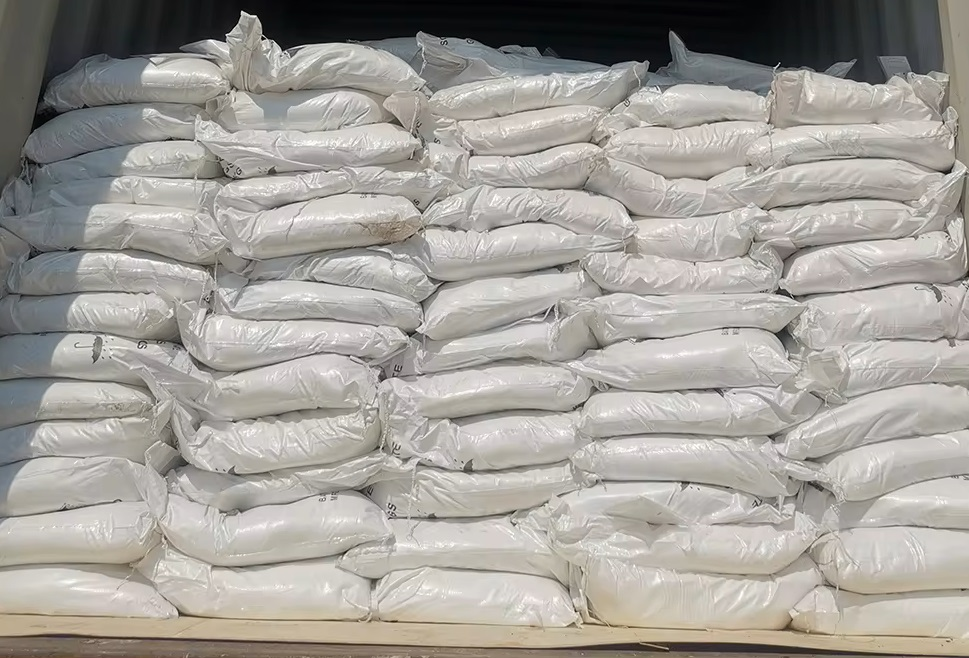
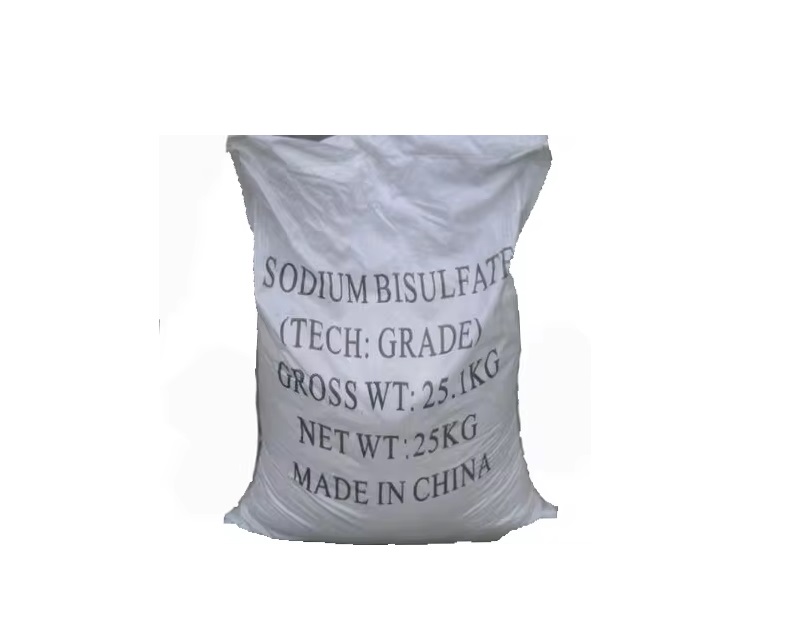
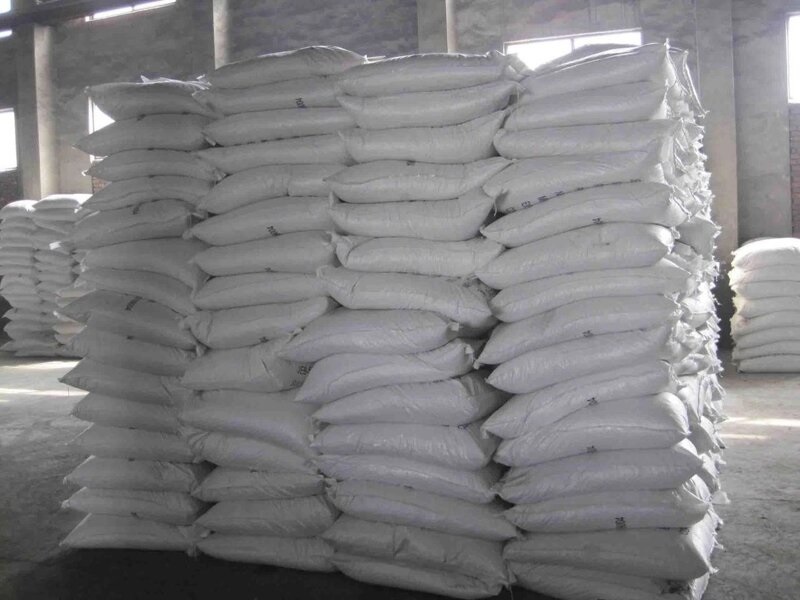
Sodium Bisulfate, Sodium Hydrosulfate, Sodium Hydrogen Sulfate, Bisulfate Soda, Sodium Acid Sulfate, 7681-38-1
SODIUM BISULFATE
Sodium Hydrogen Sulfate / Sodium Hydrosulfate
CAS Number: 7681-38-1
1. IDENTIFICATION
| Property |
Information |
| Chemical Name |
Sodium Hydrogen Sulfate |
| Common Names |
Sodium Bisulfate, Sodium Hydrosulfate, Bisulfate Soda, Sodium Acid Sulfate |
| Chemical Formula |
NaHSO₄ |
| Molecular Weight |
120.06 g/mol |
| CAS Number |
7681-38-1 |
| EC Number |
231-665-7 |
| E Number |
Not applicable (but used in food grade as acidulant) |
| Appearance |
White crystalline powder or granules |
| Odor |
Odorless |
2. PHYSICAL PROPERTIES
| Property |
Value |
| Physical State (20°C) |
Solid (white powder / crystals) |
| Color |
White |
| Melting Point |
315 °C (decomposes) |
| Density (20°C) |
2.742 g/cm³ |
| pH (aqueous solution) |
Strongly acidic (approx. 1.0 – 2.0 for 1% solution) |
| Solubility in Water (20°C) |
High (approx. 280 g/L) |
| Hygroscopicity |
Hygroscopic (absorbs moisture from air) |
| Odor |
Odorless |
3. CHEMICAL PROPERTIES
| Property |
Value |
| Molecular Formula |
NaHSO₄ |
| Molecular Weight |
120.06 g/mol |
| Chemical Structure |
Sodium salt of Sulfuric Acid (H₂SO₄) |
| Dissociation in Water |
Completely dissociates into Na⁺, H⁺, and SO₄²⁻ ions |
| Acidic Strength |
Forms strong acidic solutions when dissolved in water |
| Corrosivity |
Corrosive to metals and tissues |
Dissociation Reaction:
text
NaHSO₄ + H₂O → Na⁺ + H₃O⁺ + SO₄²⁻
Thermal Decomposition:
text
2 NaHSO₄ + Heat → Na₂SO₄ + H₂O + SO₃↑
4. CHARACTERISTICS & REACTIVITY
| Parameter |
Information |
| Acidity |
Strongly acidic in aqueous solution |
| Hygroscopic |
Absorbs moisture from air; requires airtight storage |
| Corrosive |
Corrosive to metals and organic tissues |
| Incompatible Materials |
Strong bases, alkali metals, carbonates, hypochlorites, cyanides |
| Decomposition |
Decomposes above 315°C, releasing sulfur trioxide (SO₃) and water vapor |
| Reactivity |
Reacts violently with strong bases; produces heat |
5. APPLICATIONS
5.1. Swimming Pool & Water Treatment
| Application |
Function |
| pH Reduction |
Lowers high pH in swimming pools |
| Total Alkalinity Control |
Maintains total alkalinity balance in pool water |
| pH Adjuster |
Used for pH correction in various water treatment applications |
5.2. Poultry & Animal Husbandry
| Application |
Function |
| Ammonia Control |
Placed in animal bedding/litter to control ammonia formation |
| Litter Treatment |
Reduces ammonia emissions in poultry houses |
| Environmental Improvement |
Improves air quality in animal housing facilities |
5.3. Textile & Dyeing Industry
| Application |
Function |
| Bleaching |
Used during bleaching stages |
| pH Adjustment |
Adjusts pH in dyeing processes |
| Fabric Treatment |
Used as an acidifying agent in textile processing |
5.4. Metal Finishing & Jewelry
| Application |
Function |
| Pickling Baths |
Used in pickling baths for jewelry production |
| Oxide Removal |
Removes oxidation from metal surfaces |
| Brightening |
Provides bright silver appearance to metals |
| Surface Treatment |
Prepares metal surfaces for further processing |
5.5. Food Industry (Food Grade)
| Application |
Function |
| Food Additive |
Used as acidulant, pH adjuster, and preservative |
| Beverages |
Adjusts acidity in soft drinks and other beverages |
| Baking |
Used as leavening agent component |
| Processing Aid |
Used in various food processing applications |
5.6. Aluminum Production
| Application |
Function |
| Anodizing |
Used for anodizing porous aluminum |
| Metal Treatment |
Used in sodium hydrogen sulfate baths for aluminum anodizing |
5.7. Cosmetic Industry
| Application |
Function |
| pH Adjuster |
Used as pH adjusting agent in cosmetic creams |
| Antiseptic |
Used as antiseptic agent in cosmetic formulations |
| Preservative |
Helps preserve cosmetic products |
5.8. Paper Industry
| Application |
Function |
| Bleaching Agent |
Used as bleaching agent |
| Catalyst |
Used as catalyst in paper manufacturing processes |
| pH Control |
Controls pH in paper pulping |
5.9. Cleaning Products
| Application |
Function |
| Toilet Bowl Cleaners |
Used in manufacturing toilet cleaning products |
| Descaling Agents |
Removes limescale and mineral deposits |
| Hard Surface Cleaners |
Used in acidic cleaning formulations |
5.10. Detergent Industry
| Application |
Function |
| pH Adjustment |
Lowers high pH caused by Sodium Tripolyphosphate and SLES in detergents |
| Bleaching Activator |
Enhances bleaching properties of detergents |
| Disinfectant |
Provides disinfectant properties in detergent formulations |
| Acidifier |
Maintains optimal acidity level in detergent products |
Detergent pH Adjustment:
5.11. Other Applications
| Application |
Function |
| Analytical Chemistry |
Used as an acidic reagent |
| Laboratory Applications |
pH adjustment in various laboratory procedures |
| Industrial Cleaning |
Heavy-duty industrial cleaning formulations |
| Metal Pickling |
Acid pickling of metals before coating |
6. FORMULATION EXAMPLES (Typical Usage Levels)
| Application Area |
Typical Concentration |
Notes |
| Swimming Pool pH Reducer |
100 – 500 g per 10,000 L |
Depends on current pH |
| Poultry Litter Treatment |
500 – 2,000 g/m² |
Application rate varies |
| Toilet Bowl Cleaner |
5 – 15% |
In liquid formulations |
| Detergent pH Adjuster |
1 – 5% |
Of total formulation |
| Metal Pickling Bath |
5 – 20% |
Diluted in water |
| Food Grade Applications |
0.1 – 2% |
Depending on product |
7. STORAGE & HANDLING
| Parameter |
Information |
| Storage Conditions |
Cool, dry, well-ventilated area |
| Container Requirements |
Tightly closed, moisture-proof containers (HDPE, PP, or lined steel) |
| Protect From |
Moisture, humidity, strong bases |
| Shelf Life |
12-24 months when stored properly in unopened packaging |
| Hygroscopicity |
Product is hygroscopic – absorbs moisture from air |
| Incompatible Materials |
Strong bases, alkali metals, carbonates, hypochlorites, cyanides |
| Packaging Types |
25 kg bags (multi-layer paper/PP), 50 kg drums, FIBC (big bags) |
8. SAFETY & HEALTH INFORMATION
GHS Classification
| Hazard Class |
Category |
| Skin Corrosion/Irritation |
Category 1B (Causes severe skin burns) |
| Serious Eye Damage |
Category 1 (Causes serious eye damage) |
| Specific Target Organ Toxicity (Single exposure) |
Category 3 (Respiratory irritation) |
| Corrosive to Metals |
Category 1 |
Hazard Statements (H-Codes)
| Code |
Statement |
| H314 |
Causes severe skin burns and eye damage |
| H318 |
Causes serious eye damage |
| H335 |
May cause respiratory irritation |
Precautionary Statements (P-Codes)
| Code |
Statement |
| P260 |
Do not breathe dust |
| P280 |
Wear protective gloves, protective clothing, eye protection, face protection |
| P301+P330+P331 |
IF SWALLOWED: Rinse mouth. Do NOT induce vomiting. |
| P302+P352 |
IF ON SKIN: Wash with plenty of water |
| P305+P351+P338 |
IF IN EYES: Rinse cautiously with water for several minutes |
First Aid Measures
| Exposure Route |
Action |
| Inhalation |
Remove to fresh air. Seek medical attention if respiratory irritation occurs. |
| Skin Contact |
Wash with plenty of water for at least 15 minutes. Remove contaminated clothing. |
| Eye Contact |
Rinse immediately with plenty of water for at least 15 minutes. Seek immediate medical attention. |
| Ingestion |
Do NOT induce vomiting. Rinse mouth. Drink plenty of water. Seek immediate medical attention. |
NFPA 704
| Health (Blue) |
Fire (Red) |
Reactivity (Yellow) |
Special (White) |
| 3 |
0 |
1 |
None |
Personal Protective Equipment (PPE)
| Equipment |
Recommendation |
| Respiratory Protection |
Dust mask (when handling powder) |
| Hand Protection |
Chemical resistant gloves (nitrile, neoprene) |
| Eye Protection |
Safety goggles / face shield |
| Body Protection |
Chemical resistant apron / protective clothing |
9. ENVIRONMENTAL INFORMATION
| Parameter |
Information |
| Aquatic Toxicity |
Low pH can cause harm to aquatic life |
| Persistence |
Completely soluble; dissociates into sodium and sulfate ions |
| Bioaccumulation |
Not expected |
| Ecotoxicological Effects |
May lower pH of water bodies if released in large quantities |
| Waste Disposal |
Neutralize with base and dispose according to local regulations |
10. REGULATORY INFORMATION
| Region |
Status |
| EU |
Registered under REACH (EC) 1907/2006 |
| USA (FDA) |
Food grade approved for specific applications |
| Turkey |
Compliant with local chemical regulations |
| Transport Classification |
UN 3260 (Corrosive solid, acidic, inorganic, n.o.s.) |
| Hazard Class |
8 (Corrosive substances) |
| Packing Group |
III |
11. TRANSPORT INFORMATION
| Parameter |
Information |
| UN Number |
3260 |
| Hazard Class |
8 (Corrosive substance) |
| Packing Group |
III |
| Proper Shipping Name |
CORROSIVE SOLID, ACIDIC, INORGANIC, N.O.S. (Sodium hydrogen sulfate) |
| Marine Pollutant |
No |
| ADR/RID Label |
8 |
12. OTHER NAMES & SYNONYMS
| Name |
Description |
| Sodium Bisulfate |
Most common commercial name |
| Sodium Hydrogen Sulfate |
IUPAC systematic name |
| Sodium Hydrosulfate |
Alternative name |
| Sodium Acid Sulfate |
Descriptive name |
| Bisulfate Soda |
Trade name |
| Natrium Bisulfate |
German name |
| Sulfuric Acid Sodium Salt (1:1) |
Chemical description |
Database Identifiers:
-
CAS: 7681-38-1
-
EC: 231-665-7
-
MDL: MFCD00003531
-
RTECS: VZ1860000
-
UN: 3260
13. SUMMARY
Sodium Bisulfate (NaHSO₄, CAS 7681-38-1) is the sodium salt of sulfuric acid. It is an inorganic salt that forms strong acidic solutions when dissolved in water and is corrosive to metals and tissues.
Key Features:
| Feature |
Description |
| Strong Acidity |
Forms strongly acidic aqueous solutions (pH 1.0-2.0 at 1%) |
| Hygroscopic |
Absorbs moisture from air; requires airtight storage |
| Corrosive |
Corrosive to metals and organic tissues |
| High Solubility |
Completely soluble and dissociates in water |
| pH Adjustment |
Effective for lowering pH in various applications |
Main Application Areas:
| Sector |
Applications |
| Swimming Pools |
pH reduction and alkalinity control |
| Animal Husbandry |
Ammonia control in poultry litter |
| Textile Industry |
Bleaching and pH adjustment |
| Metal Finishing |
Pickling, oxide removal, brightening |
| Food Industry |
Acidulant and pH adjuster (food grade) |
| Cosmetics |
pH adjuster and antiseptic |
| Paper Industry |
Bleaching agent and catalyst |
| Cleaning Products |
Toilet cleaners, descaling agents |
| Detergent Industry |
pH adjustment, bleaching activator, disinfectant |
14. IMPORTANT NOTES
-
Strong Acidic Nature: Sodium bisulfate forms a strong acidic solution in water. Handle with appropriate protective equipment. Always add product to water, never water to product.
-
Hygroscopic: The product absorbs moisture from air. Keep containers tightly closed when not in use. Caking may occur if exposed to humidity.
-
Corrosivity: Corrosive to metals and tissues. Use corrosion-resistant equipment and containers (plastic, stainless steel, glass-lined).
-
Incompatibility: Do not mix with strong bases, alkali metals, carbonates, hypochlorites, or cyanides – violent reactions may occur.
-
Detergent Industry: Commonly used to adjust high pH caused by Sodium Tripolyphosphate (STPP) and Sodium Lauryl Ether Sulfate (SLES) in detergent formulations.
-
Storage: Store in a cool, dry place in original tightly closed containers. Protect from moisture.
Important Disclaimer: This Technical Data Sheet (TDS) is for informational purposes only. For complete safety, handling, storage, and regulatory compliance information, always refer to the official Safety Data Sheet (SDS) provided by the manufacturer/supplier. Due to its corrosive and acidic properties, appropriate personal protective equipment must be worn during handling.