We unleash your business potential by maximize the business innovation.
Send EmailZinc Bromide, Zinc Dibromide, Zinc Bromide Anhydrous, 7699-45-8
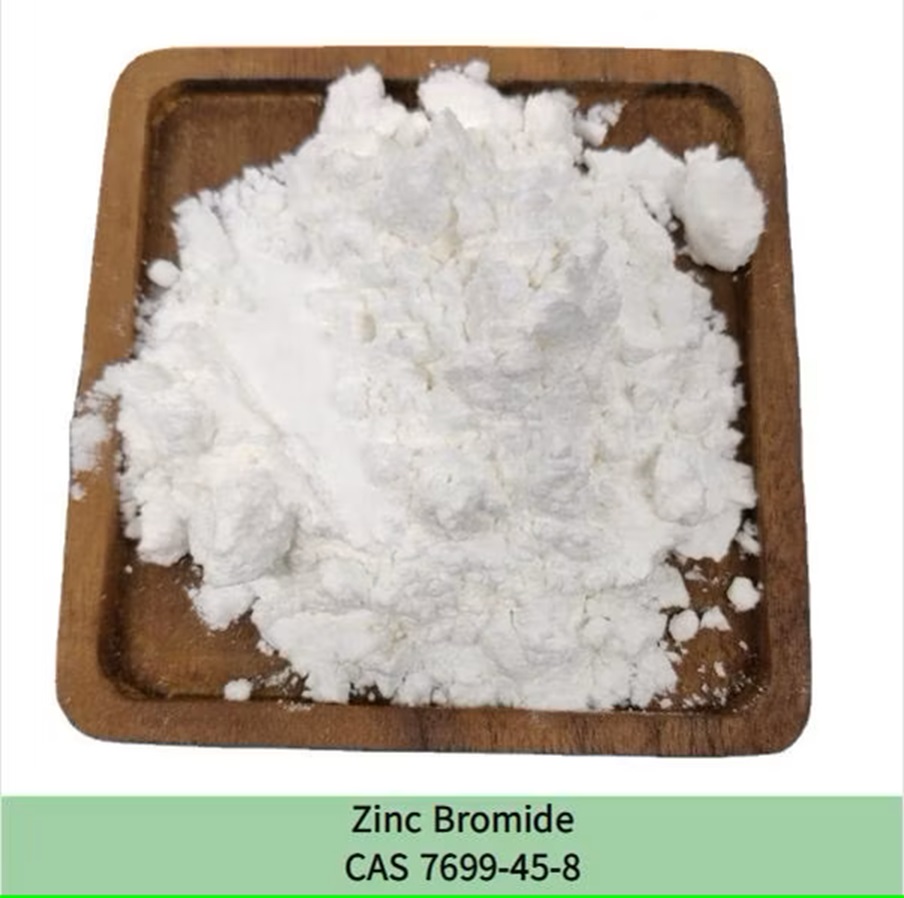
TDS 1: Zinc Bromide Anhydrous Technical (Powder)
| Product Name | Zinc Bromide Anhydrous Technical |
|---|---|
| Chemical Name | Zinc Dibromide |
| CAS Number | 7699-45-8 |
| Molecular Formula | ZnBr₂ |
| Molecular Weight | 225.19 g/mol |
1. Physical and Chemical Properties
| Parameter | Specification / Value |
|---|---|
| Physical Form | Crystalline Powder |
| Color | White |
| Odor | Odorless |
| Density | ~ 4.20 g/cm³ (at 20°C) |
| Melting Point | ~ 394 °C |
| Boiling Point | ~ 650 °C (Decomposes) |
| Solubility | Highly soluble in water, alcohol, ether, and acetone. |
| pH (Aqueous Solution) | Exhibits acidic character. |
2. Applications / Uses
-
Oil & Gas Sector: Used as a high-density, solids-free weighting agent in completion and drilling fluids (Clear Brine Fluids).
-
Chemical Synthesis: Used as a catalyst or reagent in bromination reactions.
-
Flame Retardants: Specifically in cellulose-based materials and certain polymer applications.
-
Battery Technology: As an electrolyte component (specifically in Zinc-Bromine Flow Batteries).
-
Radiation Shielding: Raw material for preparing solutions used in transparent windows as an alternative to lead in nuclear medicine and research.
3. Packaging & Storage
-
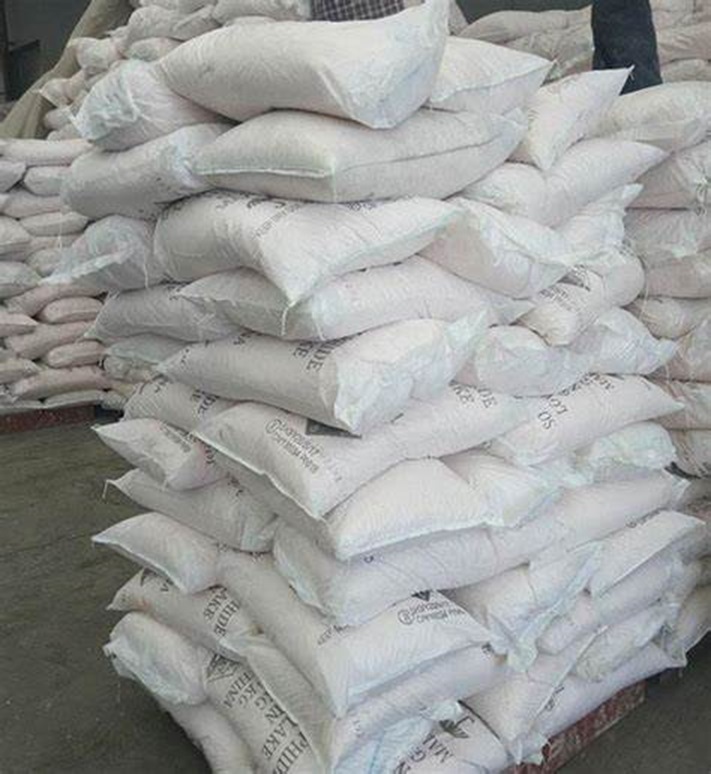
Standard Packaging: 20 kg bags (PE-lined inner bag, outer kraft bag or cardboard drum).
-
Storage Conditions: Store in a cool, dry, and well-ventilated area. Protect from moisture. Hygroscopic (absorbs moisture from air).
-
Shelf Life: 12 months when stored in original packaging under proper conditions.
TDS 2: Zinc Bromide 77% w/w Nuclear/Optical Grade Solution
| Product Name | Zinc Bromide Solution (77% w/w) |
|---|---|
| Grade | Nuclear / Optical Quality |
| CAS Number | 7699-45-8 (Base Chemical) |
| Base Material | Zinc Bromide Anhydrous Technical |
| Solvent | Purified Water |
1. Physical and Chemical Properties
| Parameter | Specification / Value |
|---|---|
| Physical Form | Clear Liquid Solution |
| Concentration | 77% ± 1 (w/w) ZnBr₂ |
| Color | Colorless (APHA < 50) |
| Density at 20°C | ~ 2.50 - 2.55 g/mL |
| pH | 3.0 - 5.5 |
| Clarity / Turbidity | High Clarity (Low NTU) |
2. Applications / Uses
-
Nuclear Radiation Windows: Primary fill fluid for Zinc Bromide Windows used in Hot Cells for gamma radiation shielding. Due to its high density, it provides more protection in a thinner cross-section compared to lead glass.
-
Optical Fluids: Used as a filling fluid in optical instruments requiring a high refractive index.
-
Oil Well Completion: Used as a completion brine for formation control in high-pressure wells. Note: The crystallization point is very low (unlike the anhydrous powder, a 77% solution does not solidify at low temperatures).
3. Packaging & Storage
-
Standard Packaging: 200 L HDPE Drum or 1000 L IBC Tote (Specialized tanker delivery available for bulk quantities).
-
Storage Conditions: Store in stainless steel, HDPE, or glass containers. Avoid contact with metals (especially aluminum and carbon steel). Keep container tightly closed.
-
Caution: The solution is acidic and extremely dense. Significant weight hazard exists in the event of a spill.
Common Warnings & Safety Summary
| Heading | Description |
|---|---|
| GHS Classification | Skin Irritation (Cat. 2), Serious Eye Damage (Cat. 1), Hazardous to the Aquatic Environment (Acute/Chronic). |
| Pictograms | ! (Exclamation Mark), Environment (Dead Tree & Fish) |
| First Aid | Eye contact: Rinse cautiously with water for at least 15 minutes. Ingestion: Rinse mouth. Do NOT induce vomiting. Seek medical attention. |
| Personal Protective Equipment | Chemical safety goggles, nitrile gloves, lab coat. |
Disclaimer: This information is based on our current knowledge and describes the general properties of the product. For exact specifications, please request a Certificate of Analysis (CoA) .
CHEMICAL PROFILE & TECHNICAL REFERENCE
Zinc Bromide Anhydrous (ZnBr₂)
CAS Number: 7699-45-8
This document serves as a comprehensive technical reference covering applications, synthesis methods, formulations, nomenclature, and industry alternatives.
1. Nomenclature & Other Names
| Type | Name |
|---|---|
| IUPAC Name | Zinc Dibromide |
| Synonyms (EN) | Zinc(II) Bromide, Zinc Bromide Anhydrous |
| Synonyms (TR) | Çinko Bromür, Çinko Dibrömür, Bromürlü Çinko |
| Trade Names (Solutions) | Zinc Brine, Heavy Brine, Clear Completion Fluid |
2. CAS Numbers & Related Identifiers
| Identifier Type | Number / Code |
|---|---|
| Primary CAS | 7699-45-8 (Anhydrous) |
| Dihydrate CAS | 18921-13-6 (ZnBr₂ · 2H₂O) |
| EC Number | 231-718-4 |
| UN Number | UN 1760 (Corrosive Liquid, N.O.S. - for solutions) |
| Molecular Formula | ZnBr₂ |
| Molecular Weight | 225.19 g/mol |
3. Production & Manufacturing Methods
Zinc Bromide Anhydrous is not typically found naturally. It is produced synthetically through the following industrial routes:
Method A: Direct Synthesis from Elements (High Purity)
This method is used for high-purity grades (Nuclear/Optical Quality).
Reaction: Zn (Solid) + Br₂ (Liquid/Vapor) → ZnBr₂ (Solid)
Process: Metallic zinc is reacted directly with bromine vapor in an inert atmosphere or aqueous medium, followed by evaporation and dehydration to yield the anhydrous powder.
Method B: Hydrobromic Acid Route (Industrial/Technical Grade)
This is the most common method for large-scale production.
Reaction: ZnO + 2 HBr → ZnBr₂ + H₂O
Process: Zinc Oxide (or Zinc Carbonate) is dissolved in Hydrobromic Acid. The resulting solution is filtered, concentrated by evaporation, and then dried under vacuum at high temperature to remove all water of crystallization (hydration).
Method C: By-Product Recovery
Process: Obtained during the bromination of organic compounds where Zinc Bromide is a catalyst. The spent catalyst solution is purified and dried.
4. Applications & Formulations (Recipes)
Zinc Bromide is utilized in three distinct physical states: Anhydrous Powder and Aqueous Solution.
A. Oil & Gas Industry (Completion & Drilling Fluids)
Application: High-density, solids-free "Clear Brine" for well completion and workover operations. It prevents formation damage compared to muds with solid particles (barite).
Formulation (Recipe for 1 bbl of 17.0 lb/gal Fluid):
| Component | Quantity (approx) |
|---|---|
| Zinc Bromide (Anhydrous Basis) | 45 - 50% by weight |
| Calcium Bromide (CaBr₂) | 15 - 20% by weight (Blended to lower crystallization temp) |
| Water | Remainder (Balance) |
| Density Achieved | 2.30 g/cm³ (19.2 lb/gal max pure) |
B. Nuclear Shielding Windows (Optical Grade)
Application: Filling the gap between glass panes in Hot Cells (nuclear research/manufacturing).
Formulation (77% w/w Solution Recipe):
| Component | Weight % |
|---|---|
| Zinc Bromide Anhydrous | 77.0% |
| Demineralized Water | 23.0% |
| Stabilizer (Optional) | Trace Hydroxylamine Sulfate |
Note: This solution has a Refractive Index of approx. 1.545 and provides excellent gamma attenuation.
C. Zinc-Bromine Flow Batteries
Application: Large-scale energy storage systems (ESS).
Electrolyte Formulation:
| Component | Role |
|---|---|
| Zinc Bromide | Active Species (Source of Zn²⁺ and Br⁻) |
| Zinc Chloride (ZnCl₂) | Supporting Electrolyte (Increases conductivity) |
| Quaternary Ammonium Salts | Bromine Sequestration Agent (Prevents Br₂ gas release) |
D. Chemical Synthesis & Catalysis
Application: Lewis Acid catalyst in organic chemistry.
-
Epoxide Rearrangement: Converts epoxides to allylic alcohols.
-
Bromination Reagent: Used with H₂O₂ for in situ generation of electrophilic bromine.
-
Pharmaceutical Intermediates: Synthesis of specific API precursors (e.g., Bromocriptine intermediates).
5. Alternatives & Substitutes
Depending on the specific application, the following chemicals can serve as alternatives to Zinc Bromide. However, no alternative matches ZnBr₂ perfectly in all properties (density, solubility, and price).
| Application Area | Alternative | CAS No. | Notes / Limitation |
|---|---|---|---|
| High-Density Brine (Oil) | Cesium Formate | 3495-36-1 | Higher density, much more expensive, non-corrosive. |
| Calcium Bromide | 7789-41-5 | Lower maximum density (14.2 lb/gal vs 19.2 lb/gal). | |
| Nuclear Shielding | Lead Glass | N/A | Solid, heavier window structure required. |
| Flow Battery | Vanadium Pentoxide | 1314-62-1 | Different chemistry (VRFB), lower energy density. |
| Lewis Acid Catalyst | Zinc Chloride (ZnCl₂) | 7646-85-7 | Less reactive for bromination, cheaper. |
| Aluminum Chloride | 7446-70-0 | More aggressive, often leads to side reactions. | |
| Flame Retardant | Antimony Trioxide | 1309-64-4 | Synergist with halogens, but powder only (not soluble). |
6. Summary Technical Data (Anhydrous Powder)
| Property | Value |
|---|---|
| Appearance | White, granular/crystalline powder |
| Assay (Purity) | ≥ 98.0% |
| Solubility in Water | 447 g/100 mL (20°C) - Extremely Soluble |
| Hygroscopic Nature | Deliquescent (absorbs moisture and dissolves in it) |
| Density | 4.20 g/cm³ |
| Melting Point | 394 °C |
Safety Note (GHS):
-
H314: Causes severe skin burns and eye damage.
-
H411: Toxic to aquatic life with long lasting effects.
-
P280: Wear protective gloves/protective clothing/eye protection/face protection.