We unleash your business potential by maximize the business innovation.
Send EmailLithium Fluoride, Lithium Monofluoride, LF, 7789-24-4
LITHIUM FLUORIDE (LiF)
PRODUCT IDENTIFICATION INFORMATION
| Parameter | Information |
|---|---|
| Product Name | Lithium Fluoride |
| Chemical Name (IUPAC) | Lithium Fluoride |
| Synonyms (English) | Lithium Fluoride, Lithium Monofluoride, Lithium(I) Fluoride, LF |
| Synonyms (Turkish) | Lityum Florür, Lityum Monoflorür, Lityum(I) Florür |
| CAS Number | 7789-24-4 |
| EC Number (EINECS) | 232-152-0 |
| Molecular Formula | LiF |
| Molecular Weight | 25.94 g/mol |
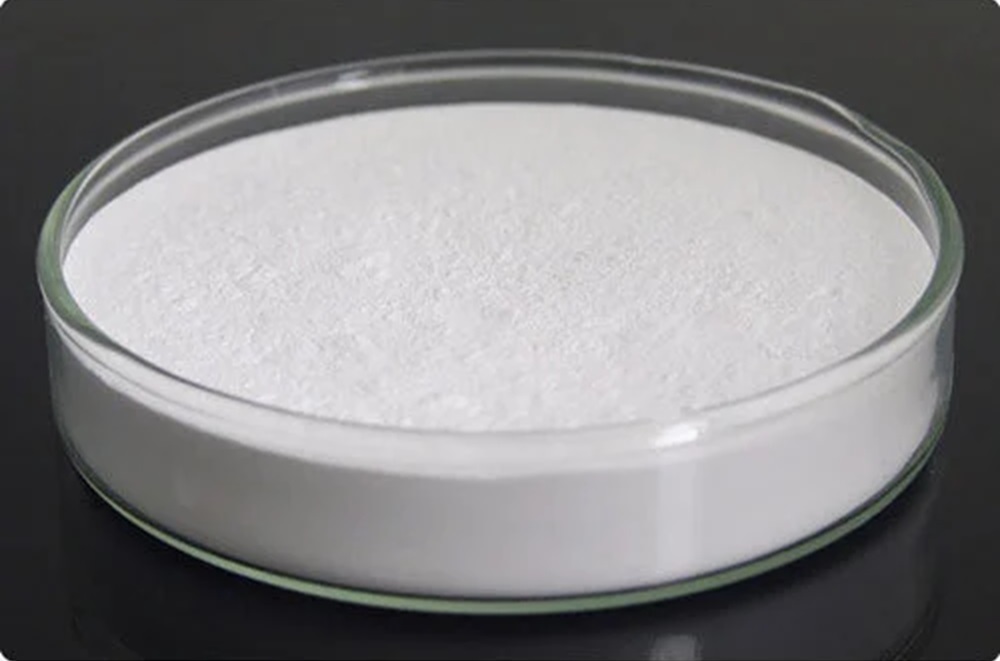
| Appearance | White fine powder |
CHEMICAL STRUCTURE
        F⁻
         |
    Li⁺ — F⁻

    Lithium Fluoride (LiF)
    Ionic Structure
Molecular Formula: LiF
SMILES: [Li+].[F-]
InChI: InChI=1S/FH.Li/h1H;/q;+1/p-1
Crystal System: Cubic (Rock salt / NaCl structure)
SECTION 1: CHEMICAL IDENTITY AND DEFINITION
| Parameter | Information |
|---|---|
| Product Name | Lithium Fluoride |
| Chemical Name (IUPAC) | Lithium Fluoride |
| Synonyms (English) | Lithium Fluoride, Lithium Monofluoride, Lithium(I) Fluoride, LF |
| Synonyms (Turkish) | Lityum Florür, Lityum Monoflorür, Lityum(I) Florür |
| CAS Number | 7789-24-4 |
| EC Number (EINECS) | 232-152-0 |
| Molecular Formula | LiF |
| Molecular Weight | 25.94 g/mol |
| Chemical Class | Inorganic compound; alkali metal halide |
| Physical State (20°C) | Crystalline solid powder |
| Odor | Odorless |
| Color | White fine powder |
| Taste | Salty, bitter taste |
SECTION 2: PHYSICAL AND CHEMICAL PROPERTIES
| Property | Value | Test Method / Note |
|---|---|---|
| Appearance | White fine powder | Visual |
| Odor | Odorless | Olfactometric |
| Molecular Weight | 25.94 g/mol | Calculated |
| Density (20°C) | 2.64 g/cm³ | ASTM D4052 |
| Melting Point | 845°C | DSC |
| Boiling Point | 1,676°C | - |
| Solubility in Water (20°C) | 1.3 g/L (low) | General Method |
| Solubility in Water (100°C) | 1.8 g/L | General Method |
| Solubility in Ethanol | Slightly soluble | General Method |
| pH (Aqueous Solution) | ~6.0 - 7.0 (neutral) | pH Meter |
| Crystal System | Cubic (Rock salt / NaCl structure) | XRD |
| Hygroscopicity | Not hygroscopic | - |
| Refractive Index | 1.392 | - |
| Band Gap | 14.2 eV (wide) | - |
| Thermal Stability | Stable up to high temperatures | - |
| Neutron Capture Cross-section | High (Lithium-6 isotope) | - |
| Toxicity | Toxic | - |
SECTION 3: CHEMICAL PROPERTIES AND REACTIVITY
| Parameter | Information |
|---|---|
| Chemical Character | Inorganic alkali metal halide; low solubility; high melting point |
| Stability | Stable under normal conditions; Not hygroscopic; Stable up to high temperatures |
| Reactivity | Reacts with acids to form hydrogen fluoride; Reacts with strong bases; Reacts with oxidizing agents |
| Incompatible Materials | Strong acids, strong oxidizing agents, strong bases |
| Polymerization | Will not polymerize |
| Decomposition Products (Heating) | Lithium oxide (Li₂O), Hydrogen fluoride (HF) |
| Acid Reaction | LiF + HCl → LiCl + HF |
| Neutralization | LiF + NaOH → LiOH + NaF |
| Electrolysis | Lithium metal is produced by electrolysis of molten LiF |
| Complex Formation | Forms complexes with various ligands |
| Neutron Absorption | Lithium-6 isotope has high neutron capture cross-section |
SECTION 4: COMPARISON OF LITHIUM HALIDES
| Property | Lithium Fluoride (LiF) | Lithium Chloride (LiCl) | Lithium Bromide (LiBr) | Lithium Iodide (LiI) |
|---|---|---|---|---|
| CAS Number | 7789-24-4 | 7447-41-8 | 7550-35-8 | 10377-51-2 |
| Formula | LiF | LiCl | LiBr | LiI |
| Molecular Weight | 25.94 | 42.39 | 86.85 | 133.85 |
| Appearance | White powder | White crystals | White crystals | White crystals |
| Density (g/cm³) | 2.64 | 2.068 | 3.464 | 4.076 |
| Water Solubility (20°C) | 1.3 g/L (low) | 84.25 g/100 mL | 143 g/100 mL | 165 g/100 mL |
| Melting Point | 845°C | 605°C | 550°C | 446°C |
| Hygroscopicity | Low | High | Very high | Very high |
| Primary Use | Optics, nuclear, ceramic | Desiccant, electrolyte | Absorption cooling | Pharmaceutical, electrolyte |
SECTION 5: PRODUCTION METHODS
Method 1: Reaction of Lithium Carbonate with Hydrofluoric Acid (Most Common Method)
-
Reaction: Li₂CO₃ + 2HF → 2LiF + H₂O + CO₂
-
Description: Lithium carbonate is reacted with hydrofluoric acid; Lithium fluoride, water, and carbon dioxide are formed; Precipitation, filtration, and drying yield the product; Most common industrial production method
Method 2: Neutralization of Lithium Hydroxide with Hydrofluoric Acid
-
Reaction: LiOH + HF → LiF + H₂O
-
Description: Lithium hydroxide is neutralized with hydrofluoric acid; Lithium fluoride and water are formed; Precipitation, filtration, and drying yield the product
Method 3: Metathesis Reaction of Lithium Chloride with Ammonium Fluoride
-
Reaction: LiCl + NH₄F → LiF + NH₄Cl
-
Description: Lithium chloride is reacted with ammonium fluoride; Lithium fluoride and ammonium chloride are formed; Purification yields the product
Method 4: Direct Fluorination of Lithium Metal
-
Reaction: 2Li + F₂ → 2LiF
-
Description: Lithium metal is reacted directly with fluorine gas; High-purity lithium fluoride is produced; Used for specialized applications
Method 5: Reaction of Lithium Sulfate with Calcium Fluoride
-
Reaction: Li₂SO₄ + CaF₂ → 2LiF + CaSO₄
-
Description: Lithium sulfate is reacted with calcium fluoride; Lithium fluoride and calcium sulfate are formed; Purification yields the product
SECTION 6: FUNCTIONAL PROPERTIES AND MECHANISM OF ACTION
| Property | Description |
|---|---|
| Optical Material | Wide band gap (14.2 eV); Transparency in UV and IR range; Used in optical lenses and windows; UV spectroscopy and lithography applications |
| Nuclear Applications | Lithium-6 isotope has high neutron capture cross-section; Used as coolant in nuclear reactors; Neutron shielding and control rods |
| Ceramics and Glass | Additive in ceramic and glass production; Improves thermal and chemical resistance; Specialized ceramic formulations |
| Metallurgy | Used as flux in metallurgical industry; Aluminum and magnesium smelting processes; Oxide removal |
| Solid-State Electrolyte | Lithium ion conductor; Battery applications; Solid-state electrolyte formulations |
| Catalyst | Used in certain catalytic applications; Organic synthesis reactions |
| Fluoride Source | Production of other fluoride compounds; Organic fluorination reactions |
| Pharmaceutical | Some pharmaceutical formulations; Limited use |
SECTION 7: MAIN APPLICATION AREAS
| Industry / Application | Function | Typical Use |
|---|---|---|
| Optics Industry | Optical material | UV lenses; IR windows; Spectroscopic optics; Optical coatings |
| Nuclear Industry | Coolant / shielding | Nuclear reactor coolants; Neutron shielding; Control rods; Tritium production |
| Ceramic Industry | Additive | Ceramic production; Glass production; Thermal-resistant ceramics |
| Metallurgy | Flux | Aluminum smelting; Magnesium smelting; Oxide removal; Soldering flux |
| Battery Industry | Solid-state electrolyte | Lithium-ion batteries; Solid-state batteries; Electrolyte formulations |
| Chemical Industry | Catalyst | Organic synthesis; Fluorination reactions; Catalytic applications |
| Pharmaceutical Industry | Additive | Pharmaceutical formulations (limited) |
| Laboratory | Reagent | Analytical chemistry; Research; Experiments |
SECTION 8: QUALITY SPECIFICATIONS (TECHNICAL GRADE)
| Parameter | Specification | Test Method |
|---|---|---|
| Appearance | White fine powder | Visual |
| Assay (LiF) | ≥ 98.0% - 99.5% | Titrimetric / ICP |
| Lithium Content | ≥ 26.5% - 27.0% | AAS / ICP |
| Fluoride Content | ≥ 73.0% - 73.5% | Ion Selective Electrode |
| Water Content | ≤ 0.5% - 1.0% | Karl Fischer |
| pH (1% Suspension) | 6.0 - 8.0 | pH Meter |
| Water Insoluble Matter | ≤ 0.1% - 0.5% | Gravimetric |
| Chloride (Cl) | ≤ 0.01% - 0.05% | Titrimetric |
| Sulfate (SO₄) | ≤ 0.01% - 0.05% | Turbidimetric |
| Iron (Fe) | ≤ 0.001% - 0.005% | AAS / ICP |
| Heavy Metals (as Pb) | ≤ 0.001% - 0.005% | AAS / ICP |
| Sodium (Na) | ≤ 0.01% - 0.05% | AAS / ICP |
| Potassium (K) | ≤ 0.01% - 0.05% | AAS / ICP |
| Calcium (Ca) | ≤ 0.005% - 0.01% | AAS / ICP |
| Magnesium (Mg) | ≤ 0.005% - 0.01% | AAS / ICP |
| Particle Size (D50) | 1-20 µm (as per requirement) | Laser Diffraction / Sieve |
| Specific Surface Area (BET) | 1-10 m²/g | BET Analysis |
SECTION 9: TOXICOLOGICAL PROFILE
| Parameter | Value |
|---|---|
| Acute Oral Toxicity (LD50, Rat) | ~ 200 mg/kg (high toxicity) |
| Acute Dermal Toxicity | Irritant |
| Acute Inhalation Toxicity | Toxic; May cause respiratory irritation; Avoid inhalation of dust |
| Skin Irritation | Irritant |
| Eye Irritation | Causes serious eye irritation (H319) |
| Respiratory Irritation | Causes respiratory irritation |
| Chronic Toxicity | Fluoride compounds show chronic toxicity; Bone and dental fluorosis; Lithium compounds have a narrow therapeutic index |
| Carcinogenicity | Not classified as carcinogenic |
| Mutagenicity | Not classified as mutagenic |
| Target Organs | Kidneys, thyroid, bones, teeth, eyes, skin, respiratory system |
| Occupational Exposure Limit (8h TWA) | 2.5 mg/m³ (as F, ACGIH TLV) |
| Special Toxicity Note | Fluoride compounds have high toxicity; Ingestion may cause serious health issues; Chronic exposure may cause bone and dental fluorosis; Lithium compounds have a narrow therapeutic index; Avoid skin and eye contact; Avoid inhalation of dust |
SECTION 10: GHS CLASSIFICATION AND LABELING
GHS Classification (Compliant with CLP and UN GHS):
| Hazard Class | Category | H-Statement |
|---|---|---|
| Acute Toxicity (Oral) | Category 3 | H301 |
| Acute Toxicity (Inhalation) | Category 4 | H332 |
| Skin Irritation | Category 2 | H315 |
| Eye Irritation | Category 2 | H319 |
| STOT - SE (Single Exposure) | Category 3 | H335 |
| Chronic Aquatic Toxicity | Category 3 | H412 |
Signal Word: DANGER
Hazard Pictograms: GHS06 (Skull and Crossbones), GHS07 (Exclamation Mark), GHS09 (Environment)
Hazard Statements (H-Codes):
| Code | Statement |
|---|---|
| H301 | Toxic if swallowed |
| H315 | Causes skin irritation |
| H319 | Causes serious eye irritation |
| H332 | Harmful if inhaled |
| H335 | May cause respiratory irritation |
| H412 | Harmful to aquatic life with long lasting effects |
NFPA 704 Hazard Classification:
| Health | Flammability | Reactivity | Special |
|---|---|---|---|
| 3 | 0 | 0 | - |
| (Severe health hazard) | (Will not burn) | (Stable) | (None) |
SECTION 11: PRECAUTIONARY STATEMENTS (P-CODES)
| Code | Statement |
|---|---|
| P260 | Do not breathe dust/fume/gas/mist/vapors/spray |
| P261 | Avoid breathing dust/fume/gas/mist/vapors/spray |
| P264 | Wash hands thoroughly after handling |
| P270 | Do not eat, drink or smoke when using this product |
| P271 | Use only outdoors or in a well-ventilated area |
| P280 | Wear protective gloves/protective clothing/eye protection/face protection/respiratory protection |
| P301+P310 | IF SWALLOWED: Immediately call a POISON CENTER/doctor |
| P302+P352 | IF ON SKIN: Wash with plenty of soap and water |
| P304+P340 | IF INHALED: Remove person to fresh air and keep comfortable for breathing |
| P305+P351+P338 | IF IN EYES: Rinse cautiously with water for several minutes. Remove contact lenses if present and continue rinsing |
| P308+P313 | IF exposed or concerned: Get medical advice/attention |
| P310 | Immediately call a POISON CENTER/doctor |
| P330 | Rinse mouth |
| P337+P313 | If eye irritation persists: Get medical advice/attention |
| P362+P364 | Take off contaminated clothing and wash it before reuse |
| P403+P233 | Store in a well-ventilated place. Keep container tightly closed |
| P405 | Store locked up |
| P501 | Dispose of contents/container in accordance with local/regional/national/international regulations |
SECTION 12: FIRST AID MEASURES
| Exposure Route | Action to Take |
|---|---|
| Inhalation | Move to fresh air immediately. Rest in a position comfortable for breathing. If breathing is difficult, give oxygen. If respiratory symptoms occur, call a POISON CENTER/doctor immediately. |
| Skin Contact | Remove contaminated clothing immediately. Rinse skin with plenty of water for at least 15-20 minutes. Wash with soap and water. If skin irritation occurs, get medical advice/attention. |
| Eye Contact | Rinse immediately with plenty of water for at least 15 minutes. Keep eyelids open. Remove contact lenses if present. Continue rinsing. Get immediate medical attention. |
| Ingestion | Rinse mouth with water. Do NOT induce vomiting. Give one or two glasses of milk or water to drink. Immediately call a POISON CENTER/doctor. Never give anything by mouth to an unconscious person. |
SECTION 13: FIREFIGHTING MEASURES
| Parameter | Information |
|---|---|
| Fire Hazard | Non-combustible. May decompose at high temperatures releasing toxic hydrogen fluoride fumes. |
| Hazards During Fire | Thermal decomposition produces toxic hydrogen fluoride (HF) and lithium oxide fumes |
| Suitable Extinguishers | Dry chemical powder, CO₂, sand (DO NOT USE WATER) |
| Unsuitable Extinguishers | Water (may form hydrogen fluoride) |
| Special Protective Equipment | Self-contained breathing apparatus (SCBA), full protective clothing |
| Special Precautions | Do not use water; Prevent dust from entering sewers and waterways; Cool exposed containers from a safe distance |
SECTION 14: STORAGE AND SHELF LIFE
| Parameter | Information |
|---|---|
| Storage Conditions | Store in a cool, dry, well-ventilated area; Keep away from acids and incompatible substances; Store in tightly closed containers |
| Container Requirements | Tightly closed, properly labeled containers; Moisture-proof containers |
| Materials to Protect From | Strong acids, strong oxidizing agents, strong bases, moisture |
| Shelf Life | 36 months (in unopened original packaging, under proper storage conditions) |
| Stability Note | Stable under normal conditions; Not hygroscopic; Keep away from acids |
| Special Storage Requirements | Store separately from acids; Keep in dry, well-ventilated area; Store locked up |
SECTION 15: PACKAGING OPTIONS
| Packaging Type | Quantity | Material |
|---|---|---|
| Plastic Bag | 5 kg, 10 kg, 20 kg | PE bag with inner liner |
| Plastic Drum | 25 kg, 50 kg | HDPE / Polypropylene |
| Fiber Drum | 25 kg, 50 kg | PE-lined fiberboard |
| Steel Drum | 100 kg, 200 kg | Corrosion-resistant lined steel |
| IBC Container | 500 kg, 1000 kg | HDPE with corrosion-resistant coating |
SECTION 16: TRANSPORT INFORMATION
| Parameter | Information |
|---|---|
| UN Number | UN 3288 (Toxic solids, inorganic, n.o.s.) |
| Hazard Class | 6.1 (Toxic Substance) |
| Packing Group | III |
| ADR/RID | UN 3288, Toxic solids, inorganic, n.o.s., 6.1, PG III |
| IMDG Code | UN 3288, Toxic solids, inorganic, n.o.s., 6.1, PG III, Marine Pollutant: Yes |
| IATA (Air) | UN 3288, Toxic solids, inorganic, n.o.s., 6.1, PG III |
| Marine Pollutant | Yes |
| Transport Temperature | Ambient temperature; Protect from moisture |
SECTION 17: REGULATORY STATUS
| Region / Authority | Status |
|---|---|
| European Union | REACH registered; Classified as toxic |
| USA (TSCA) | Listed |
| USA (EPA) | Regulated as hazardous substance |
| Turkey | Industrial chemical; Subject to KKDIK regulation; Classified as toxic |
| IARC | Not classified as carcinogenic |
| NTP | Not listed |
| OSHA | Regulated (toxic substance) |
| California (Prop 65) | Not listed |
| EU Restrictions | Regulated under REACH |
SECTION 18: OTHER NAMES AND SYNONYMS
| Type | Name |
|---|---|
| Turkish Names | Lityum Florür, Lityum Monoflorür, Lityum(I) Florür |
| English Names | Lithium Fluoride, Lithium Monofluoride, Lithium(I) Fluoride, LF |
| Chemical Names | Lithium Fluoride; Lithium(I) Fluoride; Lithium Monofluoride |
| CAS Number | 7789-24-4 |
| EC Number | 232-152-0 |
| Molecular Formula | LiF |
SECTION 19: SUMMARY TABLE
| Parameter | Value |
|---|---|
| Product | Lithium Fluoride (LiF) |
| CAS Number | 7789-24-4 |
| Molecular Formula | LiF |
| Molecular Weight | 25.94 g/mol |
| Appearance | White fine powder |
| Density | 2.64 g/cm³ |
| Melting Point | 845°C |
| Boiling Point | 1,676°C |
| Water Solubility (20°C) | 1.3 g/L (low) |
| Primary Function | Optical material, nuclear coolant, ceramic additive |
| Main Applications | Optics, nuclear, ceramics, metallurgy, battery |
| Shelf Life | 36 months |
| GHS Signal Word | DANGER |
| UN Number | UN 3288 |
| Toxicity | High toxicity; LD50 (Rat, oral): ~200 mg/kg |
| Special Feature | Low water solubility; Wide band gap; UV/IR transparency |
SECTION 20: CRITICAL WARNINGS AND BEST PRACTICES
CRITICAL WARNINGS:
-
Toxic if swallowed (H301). High toxicity. AVOID ingestion at ALL costs.
-
Harmful if inhaled (H332). Avoid inhalation of dust.
-
Causes skin irritation (H315). Avoid skin contact.
-
Causes serious eye irritation (H319). Use eye protection.
-
May cause respiratory irritation (H335). Avoid inhalation of dust.
-
Fluoride compounds have high toxicity. Chronic exposure may cause bone and dental fluorosis.
-
Lithium compounds have a narrow therapeutic index. Toxicity occurs at high blood levels.
-
Non-combustible but decomposes at high temperatures releasing toxic hydrogen fluoride fumes.
-
Incompatibilities: Keep away from strong acids, strong oxidizing agents, and strong bases.
-
Low water solubility (1.3 g/L at 20°C).
-
Not hygroscopic. No need to protect from moisture (but protect from acids).
-
Hygiene Requirement: Contaminated clothing should not be allowed out of the workplace.
BEST PRACTICE RECOMMENDATIONS:
-
Optics Industry: Use for UV lenses and IR windows; Wide band gap (14.2 eV) provides UV transparency; Use in optical coatings; Requires high purity.
-
Nuclear Industry: Use as coolant in nuclear reactors; Neutron shielding applications; Lithium-6 isotope has high neutron capture cross-section; Used in tritium production.
-
Ceramics and Glass Industry: Use as additive in ceramic and glass production; Improves thermal and chemical resistance; Used in specialized ceramic formulations.
-
Metallurgy: Use as flux in aluminum and magnesium smelting processes; Provides oxide removal; Used as soldering flux.
-
Battery Industry: Use in solid-state electrolyte formulations; Lithium-ion batteries; Provides high ionic conductivity.
-
Handling: Use in well-ventilated areas or under fume hoods; Avoid dust generation; Wear chemical-resistant gloves, protective goggles, face shield, and appropriate respiratory protection.
-
Personal Protective Equipment: Wear impermeable gloves (nitrile, neoprene, butyl), chemical safety goggles, full-face shield, protective clothing, and NIOSH-approved dust mask/respirator.
-
Hygiene: Do not eat, drink, or smoke when using; Wash hands thoroughly after handling; Do not take contaminated working clothes home; Shower at the end of the work shift.
-
Storage: Store in tightly closed, properly labeled containers in dry conditions; Store separately and away from acids; Keep in dry, well-ventilated area; Store locked up.
-
Spill Response: Avoid raising dust; Wear full PPE; Sweep spilled substance into covered containers; Do not allow to enter drains or waterways; Place in properly labeled closed containers.
-
Disposal: Dispose of in accordance with local, regional, and national regulations; Do not discharge into sewers or water sources; Lithium fluoride is regulated as hazardous waste.
SPECIAL NOTE ON FLUORIDE TOXICITY:
Lithium fluoride, as a fluoride compound, has high toxicity:
-
Acute Toxicity: LD50 (Rat, oral) ~200 mg/kg
-
Chronic Toxicity: Bone and dental fluorosis
-
Symptoms: Stomach pain, nausea, vomiting, diarrhea, muscle weakness
-
Treatment: Calcium gluconate administration; Immediate medical intervention required
-
Precaution: AVOID ingestion at ALL costs; Avoid inhalation of dust; Use appropriate PPE
SPECIAL NOTE ON OPTICAL PROPERTIES:
Lithium fluoride has unique optical properties:
-
Band Gap: 14.2 eV (very wide)
-
UV Transparency: Transparent from 120 nm
-
IR Transparency: Transparent up to 6 µm
-
Refractive Index: 1.392 (low)
-
Application: UV spectroscopy, lithography, optical windows
LEGAL DISCLAIMER:
The information provided in this document is based on our current knowledge and experience and is presented in good faith. However, as all conditions of use are beyond our control, this document does not constitute a binding specification or warranty. This Technical Data Sheet is for informational purposes only. Users are responsible for testing suitability for their own applications. For complete safety, storage, handling, transportation, waste, and regulatory compliance information, please refer to the official Safety Data Sheet (SDS/MSDS) provided by the manufacturer/supplier.