We unleash your business potential by maximize the business innovation.
Send EmailLithium Citrate, Trilithium Citrate, Lithium Citrate Tetrahydrate, Lithium Citrate Anhydrous, 919-16-4, 6080-58-6
LITHIUM CITRATE – LITHIUM CITRATE
CAS Number: 919-16-4 (Anhydrous / Solution), 6080-58-6 (Tetrahydrate)
EC Number (EINECS): 213-045-8
Molecular Formula: C₆H₅Li₃O₇ (Anhydrous), C₆H₅Li₃O₇·4H₂O (Tetrahydrate)
Molecular Weight: 209.92 g/mol (Anhydrous), 281.98 g/mol (Tetrahydrate)
1. IDENTIFICATION INFORMATION
| Parameter | Information |
|---|---|
| Chemical Name | Lithium Citrate / Trilithium Citrate |
| Other Names (English) | Lithium Citrate, Trilithium Citrate, Lithium Citrate Tetrahydrate, Trilithium 2-hydroxypropane-1,2,3-tricarboxylate |
| Chemical Class | Organic lithium salt (citrate) |
| CAS Number (Anhydrous / Solution) | 919-16-4 |
| CAS Number (Tetrahydrate) | 6080-58-6 |
| EC Number (EINECS) | 213-045-8 |
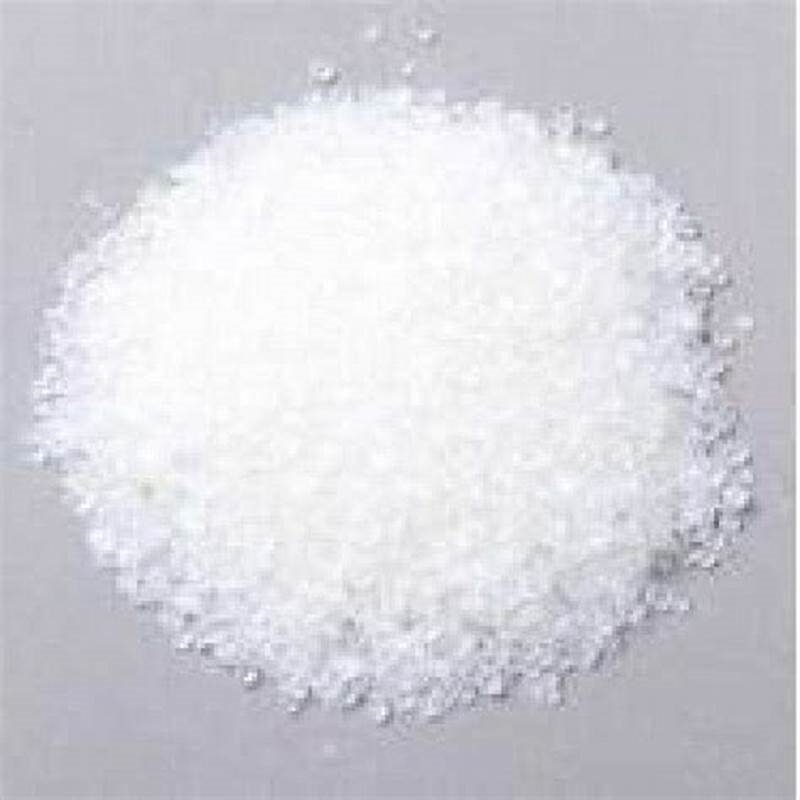
| Appearance (Solid) | White, crystalline powder (Tetrahydrate) |
| Appearance (Solution) | Clear, colorless aqueous solution (40% w/w) |
| Odor | Odorless |
| Physical State (20°C) | Solid (powder) or Liquid (solution) |
| Pharmacological Class | Mood stabilizer, Antimanic agent |
2. PHYSICAL PROPERTIES
| Property | Value |
|---|---|
| Physical State (20°C) | Solid (crystalline powder) or Liquid (solution) |
| Appearance (Solid) | White, crystalline powder |
| Appearance (Solution) | Clear, colorless aqueous solution |
| Odor | Odorless |
| Molecular Weight (Anhydrous) | 209.92 g/mol |
| Molecular Weight (Tetrahydrate) | 281.98 g/mol |
| Melting Point | Decomposes at ~105°C |
| Solubility in Water (20°C) | Soluble (~150 g/L) |
| Solubility in Ethanol | Slightly soluble |
| pH (Solution) | ~7.0 – 8.5 (slightly alkaline) |
3. CHEMICAL PROPERTIES
| Property | Information |
|---|---|
| Chemical Formula (Anhydrous) | C₆H₅Li₃O₇ |
| Chemical Formula (Tetrahydrate) | C₆H₅Li₃O₇·4H₂O |
| Molecular Weight (Anhydrous) | 209.92 g/mol |
| Molecular Weight (Tetrahydrate) | 281.98 g/mol |
| Chemical Class | Organic lithium salt (citrate) |
| Structure | Trilithium salt of citric acid |
| IUPAC Name | Trilithium 2-hydroxypropane-1,2,3-tricarboxylate |
| Stability | Stable under normal storage conditions; protect from light and moisture |
| Hygroscopicity | Low to medium |
| Incompatible Materials | Strong acids (releases citric acid), strong bases |
Chemical Structure (Schematic):
CH₂-COOLi
    |
HO-C-COOLi
    |
CH₂-COOLi

(Trilithium Citrate)
4. PHARMACOLOGICAL MECHANISM OF ACTION
| Parameter | Description |
|---|---|
| Primary Mechanism | Inhibition of inositol monophosphatase (IMPase) enzyme |
| Target Molecule | Inositol monophosphatase (IMPase) |
| Effect | Disruption of inositol phosphate cycle; modulation of neurotransmitter release |
| Neuroprotective Effect | Increase in neurotrophic factors (BDNF); reduction of glutamate toxicity |
| Onset of Action | 1-3 weeks (chronic use) |
| Therapeutic Range | Narrow (0.6-1.2 mmol/L serum lithium level) |
5. THERAPEUTIC APPLICATIONS
5.1. Primary Indications
| Application | Description | Evidence Level |
|---|---|---|
| Bipolar Disorder (Manic Episode) | Acute mania treatment | Strong |
| Bipolar Disorder (Maintenance) | Relapse prevention, mood stabilization | Strong |
| Depression (Adjunctive) | Adjunctive treatment for antidepressant non-responders | Moderate |
| Schizophrenia (Adjunctive) | Aggression and impulsivity control | Moderate |
| Neurodegenerative Diseases | Alzheimer, Parkinson (research phase) | Weak |
5.2. Pharmaceutical Forms
| Form | Concentration | Route of Administration | Description |
|---|---|---|---|
| Lithium Citrate Syrup | 300 mg/5 mL | Oral | Liquid form for pediatric and geriatric use |
| Lithium Carbonate Tablets | 300 mg, 450 mg | Oral | Most common form |
| Lithium Citrate 40% Solution | 400 mg/mL | Oral (diluted) | Flexible dose adjustment |
6. PHARMACOKINETIC PROPERTIES
| Parameter | Value |
|---|---|
| Absorption (Oral) | Rapid and complete (~100%) |
| Bioavailability | ~100% |
| Peak Plasma Concentration (Tmax) | 1-3 hours |
| Volume of Distribution (Vd) | ~0.6-0.8 L/kg |
| Protein Binding | None (~0%) |
| Metabolism | Not metabolized (excreted unchanged in urine) |
| Elimination Half-Life | ~18-24 hours (healthy adult) |
| Renal Clearance | ~15-20 mL/min |
| Excretion | Urine (~95%) |
| Half-Life (Renal Impairment) | Prolonged (48 hours) |
7. DOSAGE AND ADMINISTRATION GUIDELINES
7.1. Bipolar Disorder (Acute Mania)
| Population | Starting Dose | Maintenance Dose | Target Serum Level |
|---|---|---|---|
| Adult | 300-600 mg/day (Lithium Citrate 1.2-1.8 g/day) | 900-1800 mg/day (Lithium Citrate 1.5-2.4 g/day) | 0.8-1.2 mmol/L |
| Elderly (>65) | 150-300 mg/day (Lithium Citrate 0.6-1.2 g/day) | 300-900 mg/day (Lithium Citrate 1.2-1.8 g/day) | 0.4-0.8 mmol/L |
7.2. Bipolar Disorder (Maintenance Therapy)
| Population | Maintenance Dose | Target Serum Level |
|---|---|---|
| Adult | 600-1200 mg/day (Lithium Citrate 1.5-2.4 g/day) | 0.6-1.0 mmol/L |
| Elderly (>65) | 300-600 mg/day (Lithium Citrate 1.2-1.8 g/day) | 0.4-0.8 mmol/L |
7.3. Dose Conversion Table
| Lithium Carbonate (mg) | Lithium Citrate (mg) | Lithium Citrate (mL 40% solution) |
|---|---|---|
| 300 mg | 520 mg | 1.3 mL |
| 450 mg | 780 mg | 1.95 mL |
| 600 mg | 1040 mg | 2.6 mL |
| 900 mg | 1560 mg | 3.9 mL |
8. ADVERSE EFFECTS
8.1. Common Adverse Effects
| Type | Effects |
|---|---|
| Neurological | Fine tremor, weakness, fatigue, sedation |
| Endocrine | Polyuria, polydipsia (diabetes insipidus-like), hypothyroidism |
| Gastrointestinal | Nausea, anorexia, diarrhea |
| Renal | Decreased glomerular filtration, nephrogenic diabetes insipidus |
| Dermatological | Acne, maculopapular rash |
8.2. Serious Adverse Effects
| Type | Effects |
|---|---|
| Neurological | Neurotoxicity (confusion, dysarthria, ataxia, coma) |
| Cardiovascular | Bradycardia, ECG changes (T wave flattening) |
| Renal | Chronic interstitial nephritis, nephrotic syndrome |
| Endocrine | Hypothyroidism (edema, constipation, weight gain) |
9. OVERDOSE AND TOXICITY
| Parameter | Information |
|---|---|
| Toxic Dose | > 1.5 mmol/L (serum lithium level) |
| Severe Toxicity | > 2.0 mmol/L |
| Symptoms | Nausea, vomiting, diarrhea, tremor, confusion, ataxia, nystagmus, dysarthria, coma, convulsions, cardiac arrhythmias |
| Treatment | Gastric lavage, fluid-electrolyte therapy, hemodialysis (severe cases) |
| Antidote | None (hemodialysis) |
10. HISTORICAL USE
| Period | Application |
|---|---|
| 1886 | Original Coca-Cola formulation (trace amounts) |
| 1929 | Original 7Up formulation ("Lithium Citrate" containing beverage) |
| 1948 | Use in beverages banned in USA |
| 1970-present | Psychiatric use as mood stabilizer |
11. QUALITY SPECIFICATIONS (PHARMACEUTICAL GRADE)
11.1. Lithium Citrate Powder (Tetrahydrate)
| Parameter | Specification (USP / Ph. Eur.) |
|---|---|
| Appearance | White, crystalline powder |
| Identification | Positive (Lithium and Citrate tests) |
| Assay (on dried basis) | 99.0 – 101.0% |
| Water Content (Tetrahydrate) | 24.0 – 28.0% |
| pH (1:20 solution) | 7.0 – 8.5 |
| Chloride (Cl) | ≤ 0.01% |
| Sulfate (SO₄) | ≤ 0.02% |
| Heavy Metals (as Pb) | ≤ 10 ppm |
| Arsenic (As) | ≤ 1 ppm |
| Calcium (Ca) | ≤ 0.01% |
| Magnesium (Mg) | ≤ 0.01% |
| Sodium (Na) | ≤ 0.01% |
| Potassium (K) | ≤ 0.01% |
| Loss on Drying | ≤ 1.0% |
| Residue on Ignition | ≤ 0.1% |
11.2. Lithium Citrate 40% w/w Solution
| Parameter | Specification |
|---|---|
| Appearance | Clear, colorless solution |
| Identification | Positive (Lithium and Citrate tests) |
| Assay | 39.0 – 41.0% w/w |
| pH | 7.0 – 8.5 |
| Heavy Metals | ≤ 10 ppm |
| Microbial Limits | TAMC ≤ 100 CFU/mL, TYMC ≤ 10 CFU/mL |
12. STORAGE AND SHELF LIFE
| Parameter | Information |
|---|---|
| Storage Conditions | Cool (15-25°C), dry, well-ventilated area |
| Container Requirements | Tightly closed, original packaging (hygroscopic) |
| Protect From | Light, moisture, strong acids |
| Shelf Life (Powder) | 36-60 months (unopened original packaging) |
| Shelf Life (Solution) | 24-36 months (unopened original packaging) |
13. PACKAGING OPTIONS
| Packaging Type | Quantity | Form |
|---|---|---|
| PE-lined kraft paper bag | 20 kg | Powder |
| Plastic drum | 250 kg | Solution (40% w/w) |
| Plastic pail | 5-25 kg | Powder |
| Glass bottle | 1-5 kg | Powder |
14. SAFETY AND HEALTH INFORMATION
GHS Classification (Powder)
| Hazard Class | Category |
|---|---|
| Acute Toxicity (Oral) | Category 4 (H302) |
| Skin Irritation | Category 2 (H315) |
| Serious Eye Damage | Category 1 (H318) |
| Specific Target Organ Toxicity | Category 3 (H335) |
Hazard Statements (H-Codes)
| Code | Statement |
|---|---|
| H302 | Harmful if swallowed |
| H315 | Causes skin irritation |
| H318 | Causes serious eye damage |
| H335 | May cause respiratory irritation |
Precautionary Statements (P-Codes)
| Code | Statement |
|---|---|
| P261 | Avoid breathing dust |
| P280 | Wear protective gloves/eye protection |
| P301+P312 | IF SWALLOWED: Call a POISON CENTER/doctor if you feel unwell |
| P305+P351+P338 | IF IN EYES: Rinse cautiously with water for several minutes; remove contact lenses if present and easy to do; continue rinsing |
First Aid Measures
| Exposure Route | Action |
|---|---|
| Inhalation | Move to fresh air. If respiratory irritation persists, seek medical attention. |
| Skin Contact | Wash with plenty of soap and water. Remove contaminated clothing. |
| Eye Contact | Rinse immediately with plenty of water for at least 15 minutes. Seek medical attention. |
| Ingestion | Rinse mouth. Do not induce vomiting. Seek medical attention. |
15. CRITICAL COMPLIANCE DECLARATIONS
| Criterion | Description |
|---|---|
| Halal/Kosher Suitability | Synthetic compound; halal certification depends on process control |
| GMO Status | Synthesis-derived; GMO status not relevant |
| Pregnancy (FDA) | Category D (risk exists; fetal cardiac anomalies) |
| Breastfeeding | Contraindicated (lithium passes into breast milk; careful use required) |
| Renal Impairment | Contraindication (careful dose adjustment required) |
| Hypothyroidism | Monitoring required (may cause hypothyroidism) |
| Dehydration | Risk (may cause lithium toxicity) |
| Thiazide Diuretics | Interaction (increases lithium levels) |
16. REGULATORY STATUS
| Region / Authority | Status |
|---|---|
| European Union | Approved medicinal substance (Prescription only) |
| USA (FDA) | Approved prescription drug |
| Türkiye (TİTCK) | Approved prescription drug |
| UK (MHRA) | Approved POM (Prescription only) |
| Canada (Health Canada) | Approved prescription drug |
| WHO | Listed on WHO Model List of Essential Medicines |
| Prescription Status | Prescription only (uncontrolled use prohibited) |
17. TRANSPORT INFORMATION
| Parameter | Information |
|---|---|
| UN Number | Not regulated (not dangerous goods) |
| Hazard Class | Not applicable |
| Packing Group | Not applicable |
| ADR/RID | Not regulated |
| IMDG Code | Not regulated |
| IATA (Air) | Not regulated |
| Marine Pollutant | No |
18. FIRE-FIGHTING MEASURES
| Parameter | Information |
|---|---|
| Fire Hazard | Non-combustible (inorganic salt) |
| Suitable Extinguishing Media | Water spray (mist), CO₂, dry chemical powder |
| Specific Hazards | When heated, emits lithium oxide (Li₂O), CO, CO₂ |
| Decomposition Products | Li₂O, CO, CO₂ |
| Protective Equipment | Self-contained breathing apparatus (SCBA), full protective clothing |
19. ACCIDENTAL SPILLAGE AND CLEANUP
| Parameter | Information |
|---|---|
| Personal Protection | Nitrile gloves, protective goggles, dust mask (N95) |
| Cleaning Methods | Collect mechanically (sweep or spatula) |
| Environmental Precautions | Prevent entry into drains, soil, and surface waters |
| Waste Disposal | According to local regulations; incineration or landfilling at licensed facilities |
20. OTHER NAMES AND SYNONYMS
| Type | Name |
|---|---|
| English Names | Lithium Citrate, Trilithium Citrate, Lithium Citrate Tetrahydrate, Trilithium 2-hydroxypropane-1,2,3-tricarboxylate |
| CAS Number (Anhydrous / Solution) | 919-16-4 |
| CAS Number (Tetrahydrate) | 6080-58-6 |
| EC Number | 213-045-8 |
| PubChem CID | 3084039 |
| DrugBank ID | DB01356 |
Trade Names (Partial List):
-
Lithium Citrate Syrup (Generic)
-
Quilonum®
-
Lithonate®
-
Lithobid® (Lithium Carbonate)
-
Eskalith® (Lithium Carbonate)
-
Various generics
21. LITHIUM CITRATE VS LITHIUM CARBONATE
| Property | Lithium Citrate | Lithium Carbonate |
|---|---|---|
| Molecular Weight | 209.92 g/mol (Anhydrous) | 73.89 g/mol |
| Lithium Content | ~18.3% | ~27.8% |
| Solubility (Water) | Soluble | Slightly soluble |
| Form | Powder or Solution | Tablet, Capsule |
| Use | Syrup / Solution | Tablet / Capsule |
| Dose | Higher mg dose | Lower mg dose |
| Gastrointestinal | Better tolerated | May cause irritation |
| Bioavailability | ~100% | ~100% |
22. SUMMARY AND CRITICAL WARNINGS
Product Summary
| Parameter | Value |
|---|---|
| Product | Lithium Citrate |
| CAS (Anhydrous / Solution) | 919-16-4 |
| CAS (Tetrahydrate) | 6080-58-6 |
| Appearance | White, crystalline powder or clear solution |
| Molecular Weight | 209.92 g/mol (Anhydrous) |
| Pharmacological Class | Mood stabilizer, Antimanic |
Key Properties
| Property | Description |
|---|---|
| Pharmacological Class | Mood stabilizer, Antimanic |
| Mechanism of Action | Inositol monophosphatase inhibition |
| Target Serum Level | 0.6-1.2 mmol/L |
| Half-Life | ~18-24 hours |
| Metabolism | Not metabolized; excreted in urine |
Critical Warnings
| No | Warning |
|---|---|
| 1 | Lithium has a narrow therapeutic range (0.6-1.2 mmol/L). Serum levels must be regularly monitored. |
| 2 | Nephrotoxicity: Long-term use may cause renal dysfunction. Creatinine and BUN must be regularly monitored. |
| 3 | Hypothyroidism: Long-term use may cause hypothyroidism. Thyroid function tests must be regularly monitored. |
| 4 | Dehydration: Fluid loss (vomiting, diarrhea, sweating) may cause lithium toxicity. Patients must remain hydrated. |
| 5 | Drug Interactions: Thiazide diuretics, NSAIDs, ACE inhibitors may increase lithium levels. |
| 6 | Tremor: Fine tremor is common; severe tremor may indicate toxicity. |
| 7 | Pregnancy: FDA Category D; risk of fetal cardiac anomalies. Use during pregnancy only under medical supervision. |
| 8 | Breastfeeding: Lithium passes into breast milk; careful use required during breastfeeding. |
| 9 | Overdose: Medical emergency; hemodialysis may be required. |
| 10 | Historical Use: Previously used in Coca-Cola and 7Up formulations; use in beverages is now prohibited. |
IMPORTANT DECLARATION: This Technical Data Sheet (TDS) is for informational purposes only and has been prepared based on available technical data. The user is responsible for determining the product's suitability for their specific application and for complying with all local, national, and international regulations. This document does not replace medical advice. Lithium should be used under medical guidance. Serum lithium levels must be regularly monitored. Overdose is a medical emergency requiring immediate intervention. For complete safety, storage, use, transport, waste, and regulatory compliance information, refer to the official Safety Data Sheet (SDS/MSDS) provided by the manufacturer/supplier.