We unleash your business potential by maximize the business innovation.
Send EmailSodium Salicylate, Monosodium Salicylate, Sodium O-hydroxybenzoate, Sodium 2-hydroxybenzoate, 54-21-7
SODIUM SALICYLATE – SODIUM SALICYLATE
CAS Number: 54-21-7
EC Number (EINECS): 200-198-0
Molecular Formula: C₇H₅NaO₃
Molecular Weight: 160.10 g/mol
ATC Code: N02BA04, D01AE12, S01BC05
1. IDENTIFICATION INFORMATION
| Parameter | Information |
|---|---|
| Chemical Name (IUPAC) | Sodium 2-hydroxybenzoate / Sodium o-hydroxybenzoate |
| Other Names (English) | Sodium Salicylate, Monosodium Salicylate, Salsonin, Diuratin, Sodium o-hydroxybenzoate, Sodium 2-hydroxybenzoate, Salicylic Acid Sodium Salt, Monosodium 2-hydroxybenzoate |
| Chemical Class | Salicylate derivative (NSAID) |
| CAS Number | 54-21-7 |
| EC Number (EINECS) | 200-198-0 |
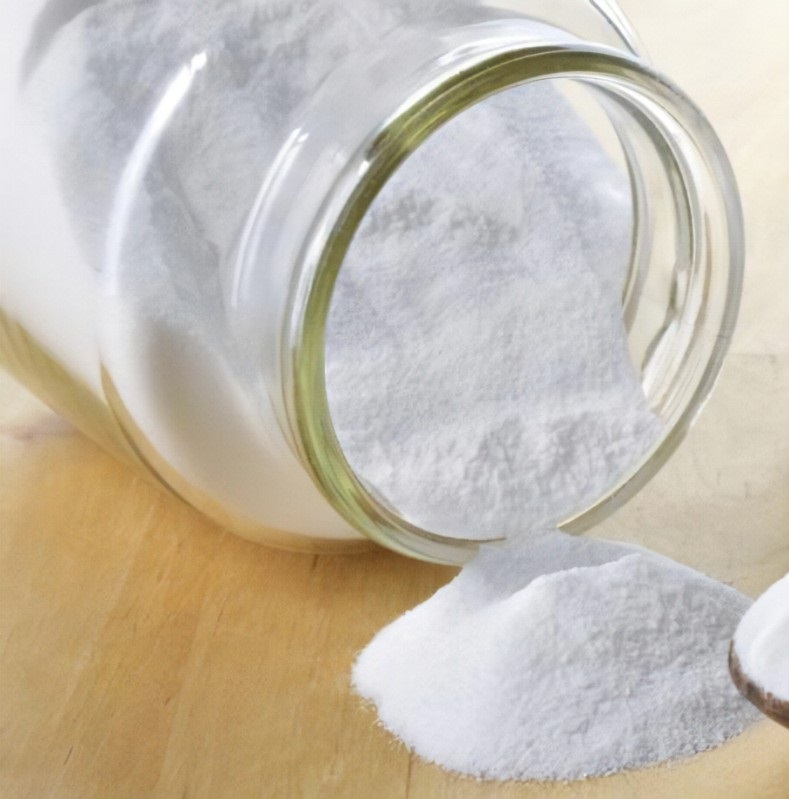
| Appearance | White, crystalline powder or flakes |
| Odor | Slight characteristic or odorless |
| Physical State (20°C) | Solid (crystalline powder) |
| Pharmacological Class | Analgesic, Antipyretic, Non-steroidal Anti-inflammatory Drug (NSAID) |
2. PHYSICAL PROPERTIES
| Property | Value |
|---|---|
| Physical State (20°C) | Solid (crystalline powder or flakes) |
| Appearance | White, crystalline powder or flakes |
| Odor | Slight characteristic or odorless |
| Molecular Weight | 160.10 g/mol |
| Melting Point | ~200°C (decomposes) |
| Density (25°C) | ~1.44 g/cm³ |
| Solubility in Water (20°C) | Soluble (~660 g/L) |
| Solubility in Ethanol | Soluble |
| Solubility in Glycerol | Soluble |
| Solubility in 1,4-Dioxane | Soluble |
| Solubility in Ether | Practically insoluble |
| pH (1:10 solution) | ~6.0 – 7.5 (slightly alkaline) |
| Log P (octanol/water) | -0.81 |
| pKa (Salicylic Acid) | 2.97 |
| UV Absorption (λmax) | 296 nm (in water) |
3. CHEMICAL PROPERTIES
| Property | Information |
|---|---|
| Chemical Formula | C₇H₅NaO₃ |
| Molecular Weight | 160.10 g/mol |
| Chemical Class | Salicylate derivative (NSAID) |
| Structure | Benzene ring (ortho position: OH, carboxylate salt) |
| IUPAC Name | Sodium 2-hydroxybenzoate |
| SMILES | C1=CC=C(C(=C1)C(=O)[O-])O.[Na+] |
| InChI Key | KOGFZZOEKJLKAK-UHFFFAOYSA-M |
| Stability | Stable under normal storage conditions; protect from light and moisture |
| Hygroscopicity | Low to medium |
| Incompatible Materials | Strong acids (releases salicylic acid), strong oxidizing agents, iron salts (color change) |
Chemical Structure (Schematic):
    COONa
      |
    -OH
    /  \
   /    \
  C₆H₄  (Benzene ring)

(Sodium o-hydroxybenzoate / Sodium Salicylate)
4. PHARMACOLOGICAL MECHANISM OF ACTION
| Parameter | Description |
|---|---|
| Primary Mechanism | Inhibition of Cyclooxygenase-1 (COX-1) and Cyclooxygenase-2 (COX-2) enzymes |
| Target Molecule | COX-1 and COX-2 enzymes |
| Effect | Decreased prostaglandin synthesis; reduction of inflammation, pain, and fever |
| Inhibition Potency | Weaker COX inhibition compared to Aspirin |
| Anti-inflammatory Effect | Moderate |
| Analgesic Effect | Moderate (headache, muscle pain, joint pain) |
| Antipyretic Effect | Good (fever reducer) |
| Gastrointestinal Effect | Milder than Aspirin (less GI irritation) |
| Platelet Effect | No antiplatelet effect unlike Aspirin |
5. THERAPEUTIC APPLICATIONS
5.1. Primary Indications
| Application | Description | Evidence Level |
|---|---|---|
| Pain (Mild to Moderate) | Headache, muscle pain, joint pain, toothache | Strong |
| Fever (Pyrexia) | Reduces elevated body temperature | Strong |
| Rheumatoid Arthritis | Inflammation and pain reduction (Aspirin alternative) | Moderate |
| Osteoarthritis | Joint pain and inflammation | Moderate |
| Acute Rheumatic Fever | Inflammation reduction (use has decreased) | Weak |
| Gout | Increases uric acid excretion (high doses) | Weak |
5.2. Other Applications
| Application | Description |
|---|---|
| Topical (Skin) | Keratolytic agent (acne, warts, psoriasis) |
| Food Preservative | Antibacterial properties (limited) |
| Phosphor Detection | Detection of vacuum ultraviolet radiation and electrons |
| Analytical Reagent | Color reaction with iron ions |
5.3. Comparison with Aspirin
| Property | Sodium Salicylate | Aspirin (Acetylsalicylic Acid) |
|---|---|---|
| COX Inhibition | Weaker | Stronger |
| Anti-inflammatory Effect | Moderate | Strong |
| Antiplatelet Effect | None | Yes |
| GI Irritation | Less | More |
| Tinnitus | Common | Less common |
| Use | Aspirin alternative | Widespread use |
6. PHARMACOKINETIC PROPERTIES
| Parameter | Value |
|---|---|
| Absorption (Oral) | Rapid and complete |
| Bioavailability | ~100% |
| Peak Plasma Concentration (Tmax) | 1-2 hours |
| Protein Binding | ~80-90% (albumin) |
| Volume of Distribution (Vd) | ~0.15-0.2 L/kg |
| Metabolism | Hepatic (glucuronidation, oxidation) |
| Major Metabolites | Gentisic acid, salicyluric acid, salicyl glucuronide |
| Elimination Half-Life | ~2-4 hours (low dose), ~12-24 hours (high dose) |
| Renal Excretion | ~95% (unchanged and as metabolites) |
| Dose-Dependent Kinetics | Saturation kinetics (half-life prolongs at high doses) |
7. DOSAGE AND ADMINISTRATION GUIDELINES
7.1. Adult Dosage
| Application | Dose | Frequency | Maximum Daily Dose |
|---|---|---|---|
| Pain / Fever | 300-600 mg | Every 4-6 hours | 3,600 mg |
| Rheumatoid Arthritis | 900-1800 mg | Every 4-6 hours (divided) | 5,400 mg |
| Acute Rheumatic Fever | 900-1800 mg | Every 4-6 hours | 5,400 mg |
7.2. Pediatric Dosage
| Age | Dose | Frequency |
|---|---|---|
| 6-12 years | 150-300 mg | Every 4-6 hours |
| 2-6 years | 75-150 mg | Every 4-6 hours |
| Infants | 25-75 mg | Every 4-6 hours |
8. ADVERSE EFFECTS
8.1. Common Adverse Effects
| Type | Effects |
|---|---|
| Gastrointestinal | Nausea, epigastric discomfort, anorexia |
| Neurological | Tinnitus, dizziness, headache |
| Allergic | Skin rash, urticaria |
8.2. Serious Adverse Effects
| Type | Effects |
|---|---|
| Gastrointestinal | Gastric bleeding, peptic ulcer (less than Aspirin) |
| Neurological | Salicylism (high doses): tinnitus, confusion, hyperventilation |
| Metabolic | Respiratory alkalosis, metabolic acidosis (high doses) |
| Allergic | Anaphylaxis (rare) |
| Renal | Nephrotoxicity (high doses) |
9. OVERDOSE AND TOXICITY
| Parameter | Information |
|---|---|
| Toxic Dose | > 200 mg/kg (children), > 300 mg/kg (adults) |
| Symptoms | Tinnitus, dizziness, nausea, vomiting, hyperventilation, confusion, fever, coma, respiratory depression |
| Salicylism | High dose: tinnitus, hearing loss, confusion, hyperventilation, metabolic acidosis |
| Treatment | Gastric lavage, activated charcoal, fluid-electrolyte therapy, alkalization, hemodialysis (severe) |
| Antidote | No specific antidote; symptomatic treatment |
10. HISTORICAL USE
| Period | Application |
|---|---|
| 1870s | First synthesized salicylate derivative |
| 1880s | Use as antipyretic and analgesic |
| 1899 | Introduction of Aspirin (acetylsalicylic acid) |
| 1900-1950 | Widespread use in rheumatic fever treatment |
| Present | Aspirin alternative, topical uses |
11. QUALITY SPECIFICATIONS (PHARMACEUTICAL GRADE)
| Parameter | Specification (USP / Ph. Eur.) |
|---|---|
| Appearance | White, crystalline powder or flakes |
| Identification | Positive (Sodium and Salicylate tests) |
| Assay (on dried basis) | 99.0 – 101.0% |
| pH (1:20 solution) | 6.0 – 7.5 |
| Loss on Drying | ≤ 0.5% |
| Residue on Ignition | ≤ 0.1% |
| Heavy Metals (as Pb) | ≤ 10 ppm |
| Arsenic (As) | ≤ 1 ppm |
| Chloride (Cl) | ≤ 0.02% |
| Sulfate (SO₄) | ≤ 0.02% |
| Free Salicylic Acid | ≤ 0.1% |
| Related Substances (Impurities) | Total ≤ 0.5% |
| Residual Solvents | Meets ICH Q3C requirements |
| Microbial Limits | TAMC ≤ 1000 CFU/g, TYMC ≤ 100 CFU/g |
12. STORAGE AND SHELF LIFE
| Parameter | Information |
|---|---|
| Storage Conditions | Cool (15-25°C), dry, well-ventilated area |
| Container Requirements | Tightly closed, original packaging, protect from light |
| Protect From | Light, moisture, strong acids, iron salts |
| Shelf Life | 36-60 months (unopened original packaging) |
| Stability Note | Color change (yellowing) indicates oxidation; do not use |
13. PACKAGING OPTIONS
| Packaging Type | Quantity | Material |
|---|---|---|
| PE-lined fiber drum | 25 kg | HDPE drum + PE bag |
| Aluminum foil bag | 1-5 kg | Laminated aluminum |
| Glass bottle | 100-500 g | Amber glass |
| Big-Bag | 500-1000 kg | Polypropylene |
14. SAFETY AND HEALTH INFORMATION
GHS Classification (Bulk Powder)
| Hazard Class | Category |
|---|---|
| Acute Toxicity (Oral) | Category 4 (H302) |
| Skin Irritation | Category 2 (H315) |
| Serious Eye Damage | Category 1 (H318) |
| Specific Target Organ Toxicity | Category 3 (H335) |
Hazard Statements (H-Codes)
| Code | Statement |
|---|---|
| H302 | Harmful if swallowed |
| H315 | Causes skin irritation |
| H318 | Causes serious eye damage |
| H335 | May cause respiratory irritation |
Precautionary Statements (P-Codes)
| Code | Statement |
|---|---|
| P261 | Avoid breathing dust |
| P280 | Wear protective gloves/eye protection |
| P301+P312 | IF SWALLOWED: Call a POISON CENTER/doctor if you feel unwell |
| P305+P351+P338 | IF IN EYES: Rinse cautiously with water for several minutes; remove contact lenses if present and easy to do; continue rinsing |
First Aid Measures
| Exposure Route | Action |
|---|---|
| Inhalation | Move to fresh air. If respiratory irritation persists, seek medical attention. |
| Skin Contact | Wash with plenty of soap and water. Remove contaminated clothing. |
| Eye Contact | Rinse immediately with plenty of water for at least 15 minutes. Seek medical attention. |
| Ingestion | Rinse mouth. Do not induce vomiting. Seek medical attention. |
| Overdose | Tinnitus, confusion, hyperventilation; emergency medical intervention required |
15. CRITICAL COMPLIANCE DECLARATIONS
| Criterion | Description |
|---|---|
| Halal/Kosher Suitability | Synthetic compound; halal certification depends on raw materials and process control |
| GMO Status | Synthesis-derived; GMO status not relevant |
| Allergen | Does not contain; cross-reaction with Aspirin allergy is rare |
| Pregnancy (FDA) | Category C (risk cannot be ruled out; avoid use) |
| Breastfeeding | Passes into breast milk; careful use required |
| Aspirin Allergy | Cross-reactivity risk is low but present |
| Asthma | Risk of bronchospasm (similar to Aspirin) |
| Hepatic Impairment | Use with caution |
| Renal Impairment | Use with caution |
16. REGULATORY STATUS
| Region / Authority | Status |
|---|---|
| European Union | Approved medicinal substance; OTC and prescription forms available |
| USA (FDA) | Approved OTC and prescription drug |
| Türkiye (TİTCK) | Approved OTC and prescription drug |
| UK (MHRA) | Approved OTC and POM |
| Canada (Health Canada) | Approved OTC drug |
| Prescription Status | OTC (low dose), Prescription (high dose) |
17. TRANSPORT INFORMATION
| Parameter | Information |
|---|---|
| UN Number | Not regulated (not dangerous goods) |
| Hazard Class | Not applicable |
| Packing Group | Not applicable |
| ADR/RID | Not regulated |
| IMDG Code | Not regulated |
| IATA (Air) | Not regulated |
| Marine Pollutant | No |
18. FIRE-FIGHTING MEASURES
| Parameter | Information |
|---|---|
| Fire Hazard | Non-combustible (inorganic salt) |
| Suitable Extinguishing Media | Water spray (mist), CO₂, dry chemical powder |
| Specific Hazards | When heated, emits sodium oxide (Na₂O), CO, CO₂ |
| Decomposition Products | Na₂O, CO, CO₂ |
| Protective Equipment | Self-contained breathing apparatus (SCBA), full protective clothing |
19. ACCIDENTAL SPILLAGE AND CLEANUP
| Parameter | Information |
|---|---|
| Personal Protection | Nitrile gloves, protective goggles, dust mask (N95) |
| Cleaning Methods | Collect mechanically (sweep or spatula) |
| Environmental Precautions | Prevent entry into drains, soil, and surface waters |
| Waste Disposal | According to local regulations; incineration or landfilling at licensed facilities |
20. OTHER NAMES AND SYNONYMS
| Type | Name |
|---|---|
| English Names | Sodium Salicylate, Monosodium Salicylate, Salsonin, Diuratin, Sodium o-hydroxybenzoate, Sodium 2-hydroxybenzoate, Salicylic Acid Sodium Salt, Monosodium 2-hydroxybenzoate |
| CAS Number | 54-21-7 |
| EC Number | 200-198-0 |
| PubChem CID | 516900 |
| DrugBank ID | DB01398 |
Trade Names (Partial List):
-
Sodium Salicylate (Generic)
-
Salsonin
-
Diuratin
-
Various generics
21. SODIUM SALICYLATE VS ASPIRIN
| Property | Sodium Salicylate | Aspirin (Acetylsalicylic Acid) |
|---|---|---|
| Chemical Structure | C₇H₅NaO₃ | C₉H₈O₄ |
| COX Inhibition | Weaker | Stronger |
| Anti-inflammatory Effect | Moderate | Strong |
| Antipyretic Effect | Good | Good |
| Analgesic Effect | Moderate | Moderate |
| Antiplatelet Effect | None | Yes |
| GI Irritation | Less | More |
| Tinnitus | Common | Less common |
| Water Solubility | Soluble | Slightly soluble |
| Salt Form | Sodium salt | Acid |
| Route of Administration | Oral, Topical | Oral |
22. SUMMARY AND CRITICAL WARNINGS
Product Summary
| Parameter | Value |
|---|---|
| Product | Sodium Salicylate |
| CAS | 54-21-7 |
| Appearance | White, crystalline powder or flakes |
| Molecular Weight | 160.10 g/mol |
| Pharmacological Class | Analgesic, Antipyretic, NSAID |
Key Properties
| Property | Description |
|---|---|
| Pharmacological Class | Analgesic, Antipyretic, NSAID |
| Mechanism of Action | COX-1 and COX-2 inhibition |
| Half-Life | ~2-4 hours (low dose) |
| Metabolism | Hepatic |
| Excretion | Urine |
Critical Warnings
| No | Warning |
|---|---|
| 1 | Sodium salicylate is used as an Aspirin alternative; has milder effects on the gastrointestinal system compared to Aspirin. |
| 2 | Tinnitus: Common at high doses; requires dose reduction. |
| 3 | Aspirin Allergy: Cross-reaction with Aspirin allergy is rare but caution is required. |
| 4 | Asthma: Risk of bronchospasm similar to Aspirin. Use with caution in asthmatic patients. |
| 5 | Gastrointestinal: Causes less GI irritation than Aspirin, but ulcer risk exists with long-term use. |
| 6 | Pregnancy: FDA Category C; avoid use during pregnancy. |
| 7 | Breastfeeding: Passes into breast milk; use with caution. |
| 8 | Children: Avoid use in children with viral illnesses due to Reye's syndrome risk (similar to Aspirin). |
| 9 | Salicylate Intolerance: Rare allergic reactions may occur. |
| 10 | Overdose: Medical emergency; salicylism (tinnitus, confusion, hyperventilation, metabolic acidosis) may develop. |
IMPORTANT DECLARATION: This Technical Data Sheet (TDS) is for informational purposes only and has been prepared based on available technical data. The user is responsible for determining the product's suitability for their specific application and for complying with all local, national, and international regulations. This document does not replace medical advice. Sodium salicylate should be used under medical guidance. Overdose is a medical emergency requiring immediate intervention. For complete safety, storage, use, transport, waste, and regulatory compliance information, refer to the official Safety Data Sheet (SDS/MSDS) provided by the manufacturer/supplier.