We unleash your business potential by maximize the business innovation.
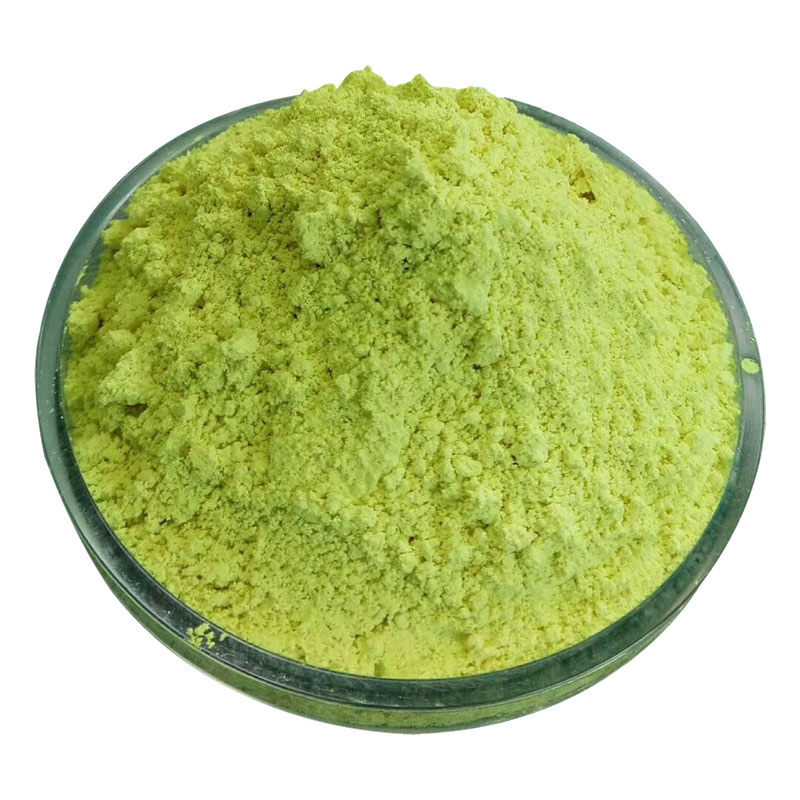
Send EmailOptical Brightener, Fluorescent Brightener, OBA
Optical Brighteners (OBA)
Optical brighteners, also known as fluorescent whitening agents (FWA), are essential for achieving perfect whiteness and brilliance on textile surfaces. This comprehensive guide covers scientific principles, practical applications, and industrial performance criteria.
-
Basic Principle: How OBAs Work
Optical brighteners do not bleach fabric chemically; they create an optical illusion.
-
Absorption: The molecules absorb invisible ultraviolet (UV) light (typically 340-380 nm wavelength).
-
Emission: The absorbed energy is re-emitted in the blue region of the visible spectrum (425-450 nm).
-
Neutralization: The emitted blue light neutralizes the fabric's natural yellow tint, resulting in a whiter, brighter, and cleaner appearance.
-
Chemical Classification and Fiber Compatibility
Performance depends directly on the match between chemical structure and fiber type.
-
Stilbene Derivatives: For cotton, nylon, and paper (cellulosic and polyamide fibers).
-
Benzoxazole Derivatives: For polyester (PET) and nylon (synthetic fibers).
-
Coumarin Derivatives: For certain plastics (e.g., PVC).
-
Pyrazoline Derivatives: For wool, polyamide, and acrylic.
-
Naphthalimide Derivatives: For polyester and polyamide.
These differences affect the OBA's affinity for the fiber, fastness properties, and application conditions.
-
OBA Types and Application Differences by Fiber Type
🔹 Cotton (Cellulosic Fiber)
-
Chemical Structure: Anionic stilbene derivatives (high affinity).
-
Application Method: Exhaustion or pad-dry-cure.
-
Critical Process Factors: Bath pH (slightly alkaline) and temperature.
🔹 Polyester (Synthetic Fiber)
-
Chemical Structure: Nonionic benzoxazole derivatives (e.g., OB-1) with high thermal stability.
-
Application Method: High temperature (around 130°C) or dope addition during fiber spinning. Masterbatch form is common for plastics.
-
Critical Process Factors: Temperature is crucial; a carrier may be needed for uniform distribution.
🔹 Nylon (Polyamide Fiber)
-
Chemical Structure: Stilbene derivatives (anionic) or benzoxazole derivatives (OB-1).
-
Application Method: Exhaustion or high temperature methods.
-
Critical Process Factors: High pH sensitivity; optimum pH range varies by product type.
Optical Brightener Varieties and Applications Table
| Product (Example) | Suitable Fiber/Material | Chemical Structure / Character | Form | Shade | Key Features |
|---|---|---|---|---|---|
| Superwhite B-2B | Cotton, Nylon | Stilbene / Anionic | Powder | Light Blue | High affinity, suitable for exhaustion |
| Superwhite B-3B | Cotton, Nylon | Stilbene / Anionic | Powder | Medium Blue | Bluer shade |
| Superwhite B-4B | Cotton, Nylon | Stilbene / Anionic | Powder | Intense Blue | Very bluer shade |
| Superwhite B-6B | Cotton, Nylon | Stilbene / Anionic | Powder | Most Intense Blue | Most intense blue shade |
| Superwhite NB Liq | Cotton, Nylon | Stilbene / Anionic | Liquid | Medium-Intense Blue | Ready to use, no dissolving needed |
| OB-1 | Polyester, Nylon, Plastics | Benzoxazole / Nonionic | Powder | Greenish Blue | High thermal stability, can be added to melt |
| Superwhite RN | Polyester | Benzoxazole / Nonionic | Powder | Reddish Shade | For carrier and HT systems |
| Masterbatch | PE, PP, PET, PVC | Stilbene/Benzoxazole | Granule | - | Direct addition to polymers, easy dispersion |
-
Critical Process Factors (For Optimal Performance)
-
Temperature: Vital especially for polyester. Insufficient temperature leads to low affinity and poor whiteness.
-
pH: Optimum pH depends on the OBA's chemical structure (e.g., pH 7-10 is ideal for anionic products). Wrong pH can weaken or destroy fluorescence.
-
Metal Ions and Water Hardness: Calcium, magnesium, iron, and copper ions quench fluorescence. Iron significantly reduces emission. Therefore, using chelating (complexing) agents (e.g., EDTA) is almost mandatory.
-
Mechanical and Thermal Stability: Excessive stirring (foaming) or overheating can degrade the OBA structure.
-
Performance Evaluation (Whiteness and Fastness Measurement)
-
Whiteness Degree: Measured with a spectrophotometer. Common metrics are CIE Whiteness (ASTM E313) or Berger Whiteness (Ry). Activity Value (E₁/₁) indicates effectiveness (e.g., 200-400 for textiles, 600 for detergents).
-
Light Fastness: Resistance to sunlight. Rated on a scale from 1 (poor) to 8 (excellent).
-
Washing Fastness: Whiteness retention after repeated washing.
-
UV Protection (UPF): Some OBAs, especially on cotton, can increase the ultraviolet protection factor of the fabric.
-
Main Application Areas
-
Textile Industry: Apparel (shirts, t-shirts, underwear), home textiles (bed sheets, towels), medical textiles (surgical gowns, patient bedding).
-
Detergent Industry: Widely used in laundry detergents to prevent yellowing and maintain whiteness.
-
Plastics and Polymers: Injection molding, film, and profile production.
-
Paper Industry: Office paper, printing paper, packaging paper.
Summary and Conclusion
-
For cotton: Anionic stilbene derivatives are ideal (high affinity).
-
For polyester: Nonionic benzoxazole derivatives (e.g., OB-1) are required (high temperature resistance).
-
For nylon: Both classes are compatible; choice depends on application method.
-
For successful application: pH, temperature, and water quality (free of metal ions) are critical. Use of chelating agents is essential.
-
Performance evaluation: Whiteness degree, light fastness, and washing fastness.
Frequently Asked Questions (FAQs)
-
Do optical brighteners damage fabric? No, at correct concentrations. Overuse can cause yellowing over time, especially on synthetics.
-
Are they safe for skin contact? Most commercial OBAs used in textiles and detergents are considered low risk as they are largely removed during washing. FDA-approved products should be preferred.
-
Can I use the same OBA for natural and synthetic blends? Special products exist for blends. Using fiber-specific products gives better results.
-
Can I use direct OBA in a household washing machine? No, commercial products are highly concentrated. Use a quality whitening detergent that contains OBA.