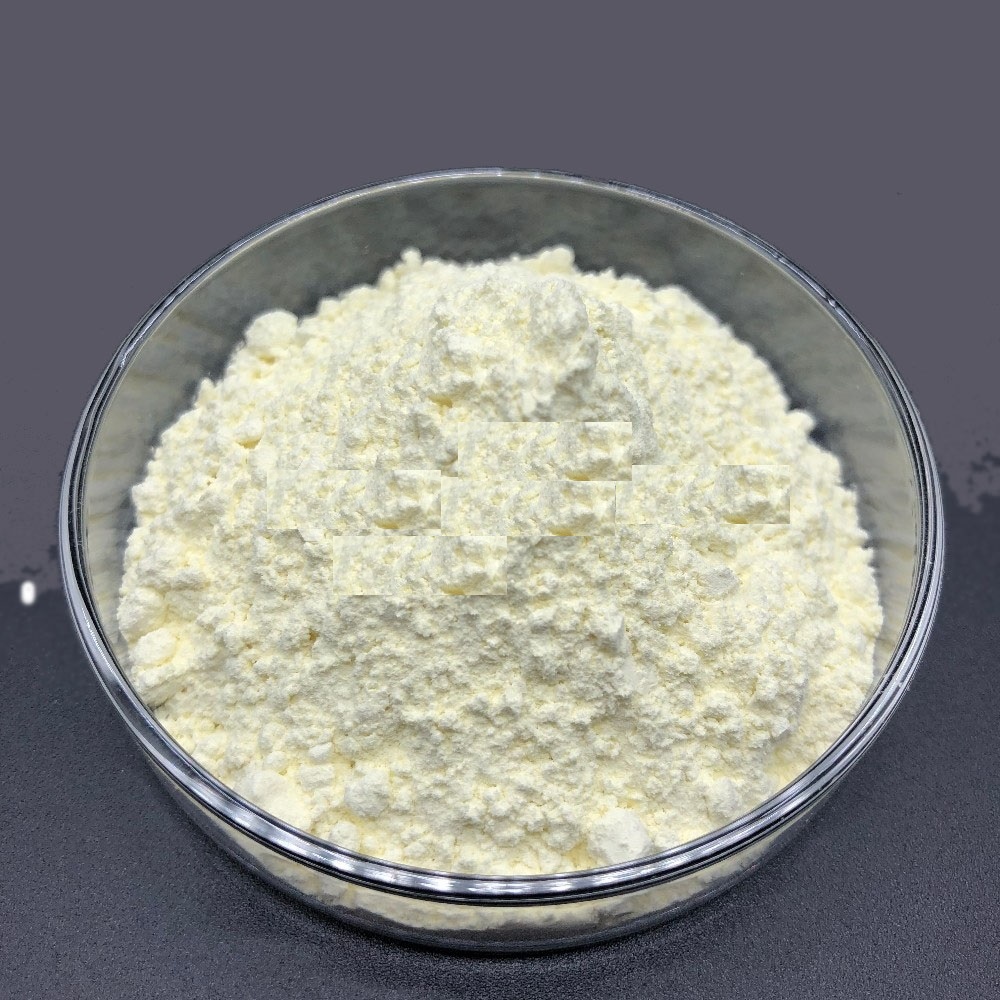
UV Stabilizer, Plastic UV Absorber, UV Adsorber, Light Stabilizer, Free Radical Scavenger, Sunlight Protector, Sun Protector
POLYMER UV STABILIZERS
Product Category: UV Stabilizers / UV Absorbers / Light Stabilizers
Function: Protection of polymers against UV degradation
Applications: Plastics, automotive, coatings, packaging, agriculture
SECTION 1: PRODUCT IDENTIFICATION AND DESCRIPTION
| Parameter |
Description |
| Product Name |
Polymer UV Stabilizers |
| Other Names |
UV Emici, UV Adsorber, Plastic UV Absorber, Free Radical Scavenger, Sunlight Protector, Sun Protector, Light Stabilizer |
| Chemical Class |
UV absorbers, Hindered Amine Light Stabilizers (HALS), Free radical scavengers, Quenchers |
| Function |
Prevents polymer degradation caused by UV radiation |
| Application Form |
Powder, liquid, granules, masterbatch |
SECTION 2: WORKING PRINCIPLES
2.1. UV Absorption Mechanism
UV stabilizers protect polymers through several mechanisms:
| Mechanism |
Description |
| UV Absorption |
Absorbs UV energy and converts it to harmless heat energy |
| Free Radical Scavenging |
Traps and neutralizes free radicals generated by UV exposure |
| Peroxide Decomposition |
Decomposes peroxides formed during photo-oxidation |
| Quenching |
Deactivates excited states of chromophores |
2.2. Types of UV Stabilizers
| Type |
Mechanism |
Common Examples |
| UV Absorbers |
Absorb UV radiation and dissipate as heat |
Benzophenones, Benzotriazoles, Triazines |
| HALS (Hindered Amine Light Stabilizers) |
Free radical scavenging |
Tinuvin, Chimassorb |
| Quenchers |
Deactivate excited states |
Nickel complexes |
| Antioxidants |
Prevent oxidation during photo-degradation |
Phenolic antioxidants, Phosphites |
SECTION 3: COMMON TYPES AND CAS NUMBERS
3.1. Benzotriazole UV Absorbers
| Product |
CAS Number |
Description |
| Tinuvin P |
2440-22-4 |
2-(2'-Hydroxy-5'-methylphenyl)benzotriazole |
| Tinuvin 326 |
3896-11-5 |
2-(5-Chloro-2H-benzotriazol-2-yl)-6-(1,1-dimethylethyl)-4-methylphenol |
| Tinuvin 328 |
25973-55-1 |
2-(2'-Hydroxy-3',5'-di-tert-amylphenyl)benzotriazole |
| Tinuvin 329 |
3147-75-9 |
2-(2'-Hydroxy-5'-tert-octylphenyl)benzotriazole |
| Tinuvin 234 |
70321-86-7 |
2-(2-Hydroxy-3,5-di-α-cumylphenyl)benzotriazole |
| Tinuvin 360 |
103597-45-1 |
2,2'-Methylenebis[6-(2H-benzotriazol-2-yl)-4-tert-octylphenol] |
3.2. Benzophenone UV Absorbers
| Product |
CAS Number |
Description |
| Benzophenone |
119-61-9 |
Diphenylmethanone |
| Chimassorb 81 |
1843-05-6 |
2-Hydroxy-4-octyloxybenzophenone |
| Uvinul 3000 |
131-56-6 |
2,4-Dihydroxybenzophenone |
| Uvinul 3040 |
131-53-3 |
2,2'-Dihydroxy-4,4'-dimethoxybenzophenone |
| Uvinul 3050 |
131-54-4 |
2,2',4,4'-Tetrahydroxybenzophenone |
3.3. Triazine UV Absorbers
| Product |
CAS Number |
Description |
| Tinuvin 1577 |
147315-50-2 |
2-(4,6-Diphenyl-1,3,5-triazin-2-yl)-5-[(hexyl)oxy]-phenol |
| Tinuvin 400 |
153519-44-9 |
2-[4-((2-Hydroxy-3-dodecyloxypropyl)oxy)-2-hydroxyphenyl]-4,6-bis(2,4-dimethylphenyl)-1,3,5-triazine |
3.4. HALS (Hindered Amine Light Stabilizers)
| Product |
CAS Number |
Description |
| Tinuvin 770 |
52829-07-9 |
Bis(2,2,6,6-tetramethyl-4-piperidyl) sebacate |
| Tinuvin 292 |
41556-26-7 |
Bis(1,2,2,6,6-pentamethyl-4-piperidyl) sebacate |
| Tinuvin 622 |
65447-77-0 |
Poly[(6-morpholine-s-triazine-2,4-diyl)[(2,2,6,6-tetramethyl-4-piperidyl)imino]hexamethylene] |
| Tinuvin 123 |
129757-67-1 |
Bis(1-octyloxy-2,2,6,6-tetramethyl-4-piperidyl) sebacate |
| Chimassorb 944 |
71878-19-8 |
Poly[[6-[(1,1,3,3-tetramethylbutyl)amino]-1,3,5-triazine-2,4-diyl][(2,2,6,6-tetramethyl-4-piperidyl)imino]hexamethylene] |
| Chimassorb 119 |
106990-43-6 |
N,N'''-1,2-ethanediylbis[N-[3-[(4,6-bis[butyl(1,2,2,6,6-pentamethyl-4-piperidinyl)amino]-1,3,5-triazin-2-yl]amino]propyl] |
SECTION 4: PHYSICAL AND CHEMICAL PROPERTIES
4.1. General Properties (Varies by Type)
| Property |
Value / Range |
| Appearance |
White to light yellow powder, granules, or liquid |
| Melting Point |
80-200°C (varies by type) |
| Solubility |
Soluble in organic solvents; insoluble in water |
| Volatility |
Low to very low |
| Thermal Stability |
Good to excellent (up to 300°C) |
| UV Absorption Range |
280-400 nm (varies by type) |
| pH (Aqueous) |
Neutral |
4.2. Typical Specifications
| Parameter |
Typical Value |
| Purity |
≥ 98.0% |
| Ash Content |
≤ 0.1% |
| Water Content |
≤ 0.5% |
| Color (APHA) |
≤ 50 |
| Loss on Drying |
≤ 0.5% |
SECTION 5: MAJOR APPLICATIONS AND END-USES
5.1. Plastics and Polymers
| Application |
Function |
Suitability |
| Polypropylene (PP) |
UV protection for outdoor applications |
High |
| Polyethylene (PE) |
UV protection for films and pipes |
High |
| Polystyrene (PS) |
UV protection for packaging and consumer goods |
High |
| Polyvinyl Chloride (PVC) |
UV protection for profiles, pipes, and films |
High |
| Polycarbonate (PC) |
UV protection for automotive and construction |
High |
| Polyamide (PA / Nylon) |
UV protection for automotive and electrical |
High |
| Polyesters (PET, PBT) |
UV protection for packaging and textiles |
High |
| Acrylics (PMMA) |
UV protection for optical and outdoor applications |
High |
| ABS |
UV protection for automotive and electronics |
High |
| Polyurethanes (PU) |
UV protection for coatings and elastomers |
High |
5.2. Automotive Industry
| Application |
Function |
Suitability |
| Interior Plastics |
Prevention of fading and cracking |
High |
| Exterior Parts |
Protection against UV degradation |
High |
| Coatings |
UV protection for clear coats and paints |
High |
| Headlight Lenses |
UV protection for polycarbonate lenses |
High |
| Dashboard and Trim |
Prevention of color fading |
High |
5.3. Coatings and Paints
| Application |
Function |
Suitability |
| Industrial Coatings |
UV protection for metal and plastic surfaces |
High |
| Automotive Paints |
UV protection for clear and pigmented coats |
High |
| Marine Coatings |
UV protection for boat surfaces |
High |
| Wood Coatings |
UV protection for outdoor furniture and decks |
High |
| Powder Coatings |
UV protection for metal surfaces |
High |
5.4. Packaging
| Application |
Function |
Suitability |
| Food Packaging |
UV protection for packaged goods |
High |
| Pharmaceutical Packaging |
UV protection for light-sensitive drugs |
High |
| Agricultural Films |
UV protection for greenhouse films |
High |
| Stretch Films |
UV protection for outdoor storage |
High |
5.5. Textiles
| Application |
Function |
Suitability |
| Outdoor Fabrics |
UV protection for awnings, tents, and furniture |
High |
| Technical Textiles |
UV protection for industrial fabrics |
High |
| Automotive Textiles |
UV protection for interior fabrics |
High |
5.6. Agriculture
| Application |
Function |
Suitability |
| Greenhouse Films |
UV protection for agricultural plastics |
High |
| Mulch Films |
UV protection for soil covering |
High |
| Agricultural Pipes |
UV protection for irrigation systems |
High |
SECTION 6: INDUSTRY SUITABILITY MATRIX
| Industry |
Suitability |
Explanation |
| Plastics Processing |
High |
Essential for outdoor and UV-sensitive applications |
| Automotive |
High |
Interior and exterior parts require UV protection |
| Coatings |
High |
UV protection for automotive, industrial, and marine coatings |
| Packaging |
High |
Protection of light-sensitive products |
| Textiles |
High |
UV protection for outdoor and technical fabrics |
| Agriculture |
High |
Greenhouse films and agricultural plastics |
| Construction |
High |
PVC profiles, polycarbonate sheets, and roofing materials |
| Electronics |
High |
UV protection for housings and components |
| Medical |
Moderate |
UV protection for medical devices and packaging |
| Food Contact |
Regulated |
Subject to regulatory approval (FDA, EU) |
SECTION 7: RECOMMENDED DOSAGE
| Application |
Typical Dosage (wt%) |
| Polypropylene (PP) |
0.1 - 1.0% |
| Polyethylene (PE) |
0.1 - 0.8% |
| Polyvinyl Chloride (PVC) |
0.2 - 1.5% |
| Polycarbonate (PC) |
0.3 - 0.8% |
| Polystyrene (PS) |
0.1 - 0.5% |
| Polyamide (PA) |
0.2 - 0.8% |
| Acrylics (PMMA) |
0.1 - 0.5% |
| Coatings |
0.5 - 3.0% |
| Masterbatch Formulation |
5 - 20% (in masterbatch) |
SECTION 8: COMBINATION SYSTEMS
| System |
Components |
Function |
| UV Absorber + HALS |
Benzotriazole + Tinuvin 770 |
Synergistic UV protection |
| UV Absorber + Antioxidant |
Benzophenone + Irganox 1010 |
UV and thermal stabilization |
| HALS + Antioxidant |
Tinuvin 770 + Irganox 1010 |
Light and thermal protection |
| Triazine + HALS |
Tinuvin 1577 + Chimassorb 944 |
High-performance UV protection |
SECTION 9: OTHER NAMES AND IDENTIFIERS
| Type |
Name / Description |
| Common Names |
UV Emici, UV Adsorber, Light Stabilizer, Sunlight Protector, Free Radical Scavenger |
| Brand Names |
Tinuvin (BASF), Chimassorb (BASF), Uvinul (BASF), Cyasorb (Cytec), Hostavin (Clariant) |
| CAS Numbers (Examples) |
2440-22-4, 3896-11-5, 25973-55-1, 3147-75-9, 1843-05-6, 131-56-6, 52829-07-9, 41556-26-7, 65447-77-0, 71878-19-8, 147315-50-2 |
SECTION 10: TOXICOLOGY AND HEALTH EFFECTS
| Parameter |
Value / Description |
| GHS Classification |
Varies by type; generally Warning |
| Oral LD50 (Rat) |
> 2,000 mg/kg (most types) |
| Skin Irritation |
Mild irritant (some types) |
| Eye Irritation |
Mild irritant (some types) |
| Skin Sensitization |
Not sensitizing (most types) |
| Mutagenicity |
Negative |
| Carcinogenicity |
Not classified |
| Target Organs |
Skin, eyes, respiratory system |
SECTION 11: SAFETY AND STORAGE
| Parameter |
Information |
| Storage Conditions |
Cool, dry, well-ventilated area |
| Temperature |
Room temperature (15-30°C) |
| Container |
Tightly closed, original packaging |
| Materials to Avoid |
Strong oxidizers, moisture (for some types) |
| Shelf Life |
24-36 months (under recommended conditions) |
| Packaging |
20-25 kg bags, 500 kg big bags, drums for liquid types |
SECTION 12: REGULATORY INFORMATION
| Region / Authority |
Status |
| EU REACH |
Registered (most types) |
| Turkey KKDİK |
Registration required |
| USA TSCA |
Listed (most types) |
| USA FDA |
Approved for food contact (some types) |
| EU Food Contact |
Approved (some types) |
| EU Cosmetics Regulation |
Permitted (some types) |
SECTION 13: SUMMARY AND CRITICAL WARNINGS
Product Summary
| Parameter |
Value |
| Product Type |
UV Stabilizers / UV Absorbers |
| Function |
Protects polymers against UV degradation |
| Key Types |
Benzotriazoles, Benzophenones, Triazines, HALS |
| Key Industries |
Plastics, automotive, coatings, packaging, agriculture |
CRITICAL WARNINGS
-
UV Protection is Essential: Polymers without UV stabilization degrade rapidly when exposed to sunlight, resulting in discoloration, embrittlement, and loss of mechanical properties.
-
Selection Based on Application: Different UV stabilizers are suitable for different polymers and applications. Selection depends on polymer type, processing conditions, and end-use requirements.
-
Synergistic Effects: Combining UV absorbers with HALS provides synergistic protection and is more effective than using either type alone.
-
Processing Stability: UV stabilizers must be thermally stable at processing temperatures (up to 300°C for some polymers).
-
Dosage Optimization: Optimum dosage depends on polymer type, thickness, and exposure conditions. Overdosing may cause compatibility issues or migration.
-
Migration Resistance: UV stabilizers should have low migration to provide long-term protection. High molecular weight types offer better permanence.
-
Food Contact Regulations: Not all UV stabilizers are approved for food contact applications. Check FDA and EU regulations for specific product approval.
-
Color Impact: Some UV stabilizers may affect color and clarity. Selection should consider the aesthetic requirements of the final product.
-
Storage: Store in cool, dry conditions. Some types are moisture-sensitive and require protection from humidity.
-
Product Variations: There are many UV stabilizer products with different CAS numbers. Always verify the specific product and CAS number for your application.
IMPORTANT DISCLAIMER: This Technical Data Sheet (TDS) is for informational purposes only and is based on available technical data. The user is solely responsible for determining the product's suitability for their specific application and for complying with all applicable local, national, and international regulations. For complete safety, storage, handling, transportation, disposal, and regulatory compliance information, always refer to the official Safety Data Sheet (SDS/MSDS) provided by the manufacturer/supplier. Users are responsible for testing the product in their own processes and applications. All local, national, and international regulations must be followed when working with UV Stabilizers.