We unleash your business potential by maximize the business innovation.
Send EmailVinyl Acetate Monomer, Vinyl Acetate, Vinyl Ethanoate, VAM, 108-05-4
VINYL ACETATE MONOMER (VAM)
Vinyl Acetate Monomer / Vinyl Acetate / Vinyl Ethanoate / Acetic Acid Vinyl Ester / VAM
CAS Number: 108-05-4
EC Number: 203-545-4
UN Number: 1301
SECTION 1: PRODUCT IDENTIFICATION AND CHEMICAL IDENTITY
| Parameter | Information |
|---|---|
| Product Name | Vinyl Acetate Monomer |
| IUPAC Name | Ethenyl acetate |
| Other Names | Vinyl Acetate, Vinyl Ethanoate, Acetic Acid Vinyl Ester, VAM |
| CAS Number | 108-05-4 |
| EC Number (EINECS) | 203-545-4 |
| UN Number | 1301 |
| Molecular Formula | C₄H₆O₂ |
| Molecular Weight | 86.09 g/mol |
| Chemical Class | Vinyl ester, Monomer |
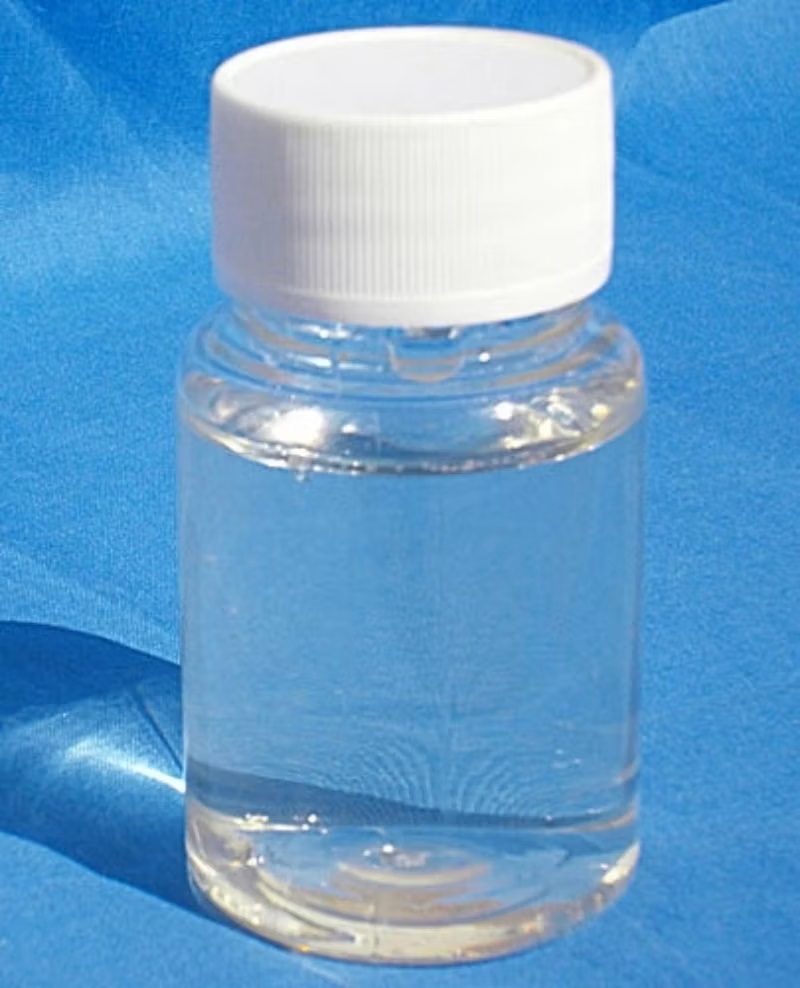
| Appearance | Colorless liquid |
| Odor | Characteristic, fruity, sweetish |
| Physical State (20°C) | Liquid |
Vinyl Acetate Monomer (VAM) is a colorless, flammable liquid with a characteristic fruity odor. It is a key building block for the production of polyvinyl acetate (PVAc), polyvinyl alcohol (PVOH), ethylene-vinyl acetate (EVA), and polyvinyl butyral (PVB). It is one of the most important monomers in the chemical industry, with annual global production in the millions of tons.
SECTION 2: SYNONYMS AND OTHER NAMES
| Type | Name |
|---|---|
| Common Names | Vinyl Acetate, Vinyl Acetate Monomer, VAM |
| Chemical Names | Vinyl Ethanoate, Acetic Acid Vinyl Ester, Ethenyl Acetate |
| CAS Number | 108-05-4 |
| EC Number | 203-545-4 |
| UN Number | 1301 |
| HS Code | 2915.32 |
SECTION 3: CHEMICAL STRUCTURE
3.1. Molecular Structure
Vinyl acetate consists of a vinyl group (-CH=CH₂) esterified with acetic acid. The molecule contains a reactive carbon-carbon double bond that enables polymerization.
Structural Formula:
        O
        ||
   CH₂ = CH - O - C - CH₃
Simplified Representation:
CH₂=CH-O-CO-CH₃
3.2. Molecular Formula
C₄H₆O₂
3.3. Molecular Weight
86.09 g/mol
3.4. Key Structural Features
| Feature | Description |
|---|---|
| Functional Groups | Vinyl group (-CH=CH₂), Ester group (-COO-) |
| Reactive Site | Carbon-carbon double bond (polymerization site) |
| Acetate Group | Acetic acid moiety (-O-CO-CH₃) |
| Polarity | Moderate polarity (ester group) |
| Stability | Stabilized with inhibitors to prevent spontaneous polymerization |
SECTION 4: PHYSICAL AND CHEMICAL PROPERTIES
| Property | Value |
|---|---|
| Appearance | Colorless liquid |
| Odor | Characteristic, fruity, sweetish |
| Molecular Formula | C₄H₆O₂ |
| Molecular Weight | 86.09 g/mol |
| Density (20°C) | 0.932 g/cm³ |
| Melting Point | -93.2 °C |
| Boiling Point | 72.8 °C |
| Flash Point (Closed Cup) | -8 °C |
| Autoignition Temperature | 402 °C |
| Explosive Limits (vol% in air) | 2.6 – 13.4 |
| Vapor Pressure (20°C) | 90.2 mmHg |
| Vapor Density (Air=1) | 3.0 (heavier than air) |
| Viscosity (20°C) | 0.43 cP |
| Refractive Index (20°C) | 1.395 |
| Dielectric Constant (20°C) | 4.8 |
| Water Solubility (25°C) | ~20 g/L (slightly soluble) |
| Solubility in Ethanol | Miscible |
| Solubility in Acetone | Miscible |
| Solubility in Toluene | Miscible |
| Solubility in Chloroform | Miscible |
| Solubility in Oils | Miscible |
SECTION 5: SOLUBILITY PROFILE
| Solvent | Solubility | Conditions |
|---|---|---|
| Water | Slightly soluble (~20 g/L) | 25°C |
| Ethanol | Miscible | All proportions |
| Acetone | Miscible | All proportions |
| Diether Ether | Miscible | All proportions |
| Toluene | Miscible | All proportions |
| Chloroform | Miscible | All proportions |
| Oils and Solvents | Miscible | All proportions |
SECTION 6: THERMODYNAMIC PROPERTIES
| Parameter | Value |
|---|---|
| Heat of Formation (20°C) | -1017 kJ/mol |
| Heat of Vaporization | 29.1 kJ/mol |
| Specific Heat Capacity (20°C) | 1.97 J/g·K |
| Thermal Expansion Coefficient | 0.0011 /°C |
| Critical Temperature | 265 °C |
| Critical Pressure | 4.3 MPa |
SECTION 7: CHEMICAL PROPERTIES AND REACTIVITY
| Reaction Type | Description |
|---|---|
| Polymerization | Free radical polymerization initiated by heat, light, or peroxides; highly exothermic reaction |
| Hydrolysis | Converts to acetic acid in the presence of acids or bases |
| Transesterification | Ester exchange with alcohols |
| Addition Reactions | Electrophilic and nucleophilic addition reactions |
| Oxidation | Can form peroxides with atmospheric oxygen |
| Copolymerization | Polymerizes with ethylene, acrylates, and other monomers |
SECTION 8: POLYMERIZATION AND STABILITY
| Parameter | Information |
|---|---|
| Stabilizer/Inhibitor | Hydroquinone (15-20 ppm) or Hydroquinone Monomethyl Ether (MEHQ) |
| Polymerization Mechanism | Free radical chain polymerization |
| Polymerization Initiators | Peroxides, azo compounds, heat, light |
| Auto-polymerization Temperature | Accelerates above 40°C |
| Storage Temperature | 5-25°C (must be maintained) |
| Shelf Life (Stabilized) | 6-12 months (depending on storage conditions) |
SECTION 9: APPLICATIONS AND INDUSTRIAL USES
9.1. Polyvinyl Acetate (PVAc) – Largest Application
| Application | Description |
|---|---|
| Adhesives | Wood glues, paper adhesives, packaging adhesives |
| Paints and Coatings | Water-based paints, interior paints |
| Paper Coatings | Paper sizing, paper finishing |
| Emulsion Polymers | PVAc emulsions for various applications |
9.2. Polyvinyl Alcohol (PVOH)
| Application | Description |
|---|---|
| Packaging Films | Water-soluble films, biodegradable packaging |
| Textile Sizing | Warp sizing for weaving |
| Paper Coatings | Paper sizing and coating |
| Emulsion Stabilizers | Protective colloids in emulsion polymerization |
9.3. Ethylene-Vinyl Acetate (EVA)
| Application | Description |
|---|---|
| Hot Melt Adhesives | Packaging, bookbinding, assembly |
| Films | Agricultural films, packaging films |
| Foams | Footwear, sports equipment |
| Cables and Wires | Insulation, jacketing |
| Solar Encapsulants | Solar panel encapsulation |
9.4. Polyvinyl Butyral (PVB)
| Application | Description |
|---|---|
| Laminated Safety Glass | Automotive windshields, architectural glass |
| Sunscreen Films | UV protection films |
9.5. Vinyl Acetate-Ethylene (VAE) Copolymers
| Application | Description |
|---|---|
| Paints and Coatings | Low VOC, water-based systems |
| Adhesives | Carpet adhesives, construction adhesives |
| Nonwovens | Binders for nonwoven fabrics |
9.6. Copolymers and Specialty Applications
| Copolymer | Components | Application |
|---|---|---|
| VAE | VAM + Ethylene | Water-based paints, carpet adhesives |
| EVA | Ethylene + VAM | Films, hot melts, shoe soles |
| VAc/VeoVa | VAM + Versatic Acid Ester | Exterior paints, high durability |
| VAc/AA | VAM + Acrylic Acid | Textile finishes, paper coatings |
| VAc/Maleate | VAM + Maleic Acid Esters | Hair sprays, adhesives |
SECTION 10: OCCUPATIONAL EXPOSURE LIMITS
| Region/Agency | TWA (8 hours) | STEL (15 min) | Note |
|---|---|---|---|
| ACGIH (USA) | 10 ppm | 15 ppm | Skin absorption |
| OSHA (USA) PEL | 10 ppm | - | - |
| NIOSH (USA) REL | 10 ppm | 15 ppm | Suspect carcinogen |
| EU (INRS) | 10 ppm | 15 ppm | - |
| MAK (Germany) | 10 ppm | 20 ppm | Category 4 carcinogen |
Note: VAM can be absorbed through the skin. Exposure limits account for this.
SECTION 11: TOXICOLOGICAL PROFILE
| Parameter | Value |
|---|---|
| Acute Oral Toxicity (LD50, Rat) | 2,920 mg/kg |
| Acute Dermal Toxicity (LD50, Rabbit) | > 2,500 mg/kg |
| Acute Inhalation (LC50, Rat, 4 hours) | 11.4 mg/L (~3,000 ppm) |
| Skin Irritation (Rabbit) | Mild irritant |
| Eye Irritation (Rabbit) | Moderate to severe irritant |
| Skin Sensitization | Not a sensitizer |
| Reproductive Toxicity | Limited data, suspect |
| Carcinogenicity | IARC: Group 2B (possibly carcinogenic to humans); NTP: reasonably anticipated |
| Target Organs | Liver, kidneys, respiratory system, nervous system |
SECTION 12: GHS CLASSIFICATION
| Hazard Class | Category | H-Statement |
|---|---|---|
| Flammable Liquid | Category 2 | H225 |
| Acute Toxicity (Oral) | Category 4 | H302 |
| Acute Toxicity (Dermal) | Category 4 | H312 |
| Acute Toxicity (Inhalation) | Category 4 | H332 |
| Eye Irritation | Category 2 | H319 |
| Carcinogenicity | Category 2 | H351 |
| Specific Target Organ Toxicity - Repeated Exposure | Category 2 | H373 |
Signal Word: DANGER
Hazard Pictograms: GHS02 (Flame), GHS07 (Exclamation Mark), GHS08 (Health)
Hazard Statements (H-Codes):
| Code | Statement |
|---|---|
| H225 | Highly flammable liquid and vapor. |
| H302 | Harmful if swallowed. |
| H312 | Harmful in contact with skin. |
| H319 | Causes serious eye irritation. |
| H332 | Harmful if inhaled. |
| H351 | Suspected of causing cancer. |
| H373 | May cause damage to organs through prolonged or repeated exposure. |
SECTION 13: PRECAUTIONARY STATEMENTS (P-CODES)
| Code | Statement |
|---|---|
| P210 | Keep away from heat/sparks/open flames/hot surfaces. No smoking. |
| P233 | Keep container tightly closed. |
| P240 | Ground/bond container and receiving equipment. |
| P241 | Use explosion-proof electrical/ventilating/lighting equipment. |
| P261 | Avoid breathing dust/fume/gas/mist/vapors/spray. |
| P271 | Use only outdoors or in a well-ventilated area. |
| P280 | Wear protective gloves/protective clothing/eye protection/face protection. |
| P301+P312 | IF SWALLOWED: Call a POISON CENTER/doctor if you feel unwell. |
| P302+P352 | IF ON SKIN: Wash with plenty of soap and water. |
| P304+P340 | IF INHALED: Remove person to fresh air and keep comfortable for breathing. |
| P305+P351+P338 | IF IN EYES: Rinse cautiously with water for several minutes. Remove contact lenses if present. |
| P308+P313 | IF exposed or concerned: Get medical advice/attention. |
| P403+P235 | Store in a well-ventilated place. Keep cool. |
| P501 | Dispose of contents/container in accordance with local regulations. |
SECTION 14: FIRST AID MEASURES
| Route of Exposure | Action to Be Taken |
|---|---|
| Inhalation | Move to fresh air. If breathing has stopped, perform artificial respiration. Seek medical attention. |
| Skin Contact | Remove contaminated clothing. Wash with plenty of soap and water. If irritation persists, seek medical attention. |
| Eye Contact | Rinse thoroughly with plenty of water for at least 15 minutes. Keep eyelids open. Seek medical attention. |
| Ingestion | Do not induce vomiting. Rinse mouth. If conscious, drink water. Seek immediate medical attention. |
| Note | Symptoms may be delayed. Medical observation is recommended. |
SECTION 15: FIRE-FIGHTING MEASURES
| Parameter | Information |
|---|---|
| Fire Hazard | Highly flammable liquid (Flash point -8°C). |
| Vapor Behavior | Vapors are heavier than air and may accumulate at floor level. |
| Explosion Hazard | Vapors may form explosive mixtures with air (2.6-13.4%). |
| Suitable Extinguishing Media | Dry chemical powder, CO₂, alcohol-resistant foam, water spray. |
| Unsuitable Extinguishing Media | High-pressure water jet (may spread the fire). |
| Special Protective Equipment | Self-contained breathing apparatus (SCBA), full protective clothing. |
| Special Hazards | Heat may cause severe polymerization; containers may rupture. |
| Decomposition Products | CO, CO₂, acetic acid vapors. |
SECTION 16: ACCIDENTAL RELEASE MEASURES
| Spill Size | Procedure |
|---|---|
| Personal Protection | Wear appropriate PPE (gloves, protective goggles, respirator). |
| Small Spills | Cover with absorbent material (sand, soil, vermiculite). Collect in closed containers. |
| Large Spills | Remove ignition sources. Barricade the spill. Do not allow evaporation. |
| Environmental Precautions | Prevent entry into drains, surface water, and groundwater. |
| Disposal | Incineration or chemical disposal according to local regulations. |
SECTION 17: PERSONAL PROTECTIVE EQUIPMENT (PPE)
| Protection Type | Requirement |
|---|---|
| Respiratory Protection | Organic vapor cartridge mask; SCBA in confined spaces |
| Hand Protection | Butyl rubber, nitrile, or Viton gloves |
| Eye Protection | Chemical splash goggles + face shield |
| Skin Protection | Butyl rubber or Teflon apron, chemical-resistant boots |
| Engineering Controls | Local exhaust ventilation, explosion-proof equipment |
| Hygiene | Eye wash and emergency shower available. Wash hands after work. |
SECTION 18: STORAGE CONDITIONS
| Parameter | Requirement |
|---|---|
| Storage Temperature | 5°C - 25°C |
| Maximum Storage Temperature | 30°C (short-term) |
| Tank Material | Stainless steel (316L), carbon steel (lined), aluminum |
| Materials to Avoid | Copper, brass, iron salts (initiate polymerization) |
| Atmosphere | Under inert gas (nitrogen) |
| Stabilizer | MEHQ or hydroquinone (15-25 ppm) |
| Storage Duration | Stabilized: up to 12 months |
| Special Precautions | Protect from static electricity; ground equipment; keep away from catalysts |
SECTION 19: PACKAGING OPTIONS
| Packaging Type | Quantity | Material |
|---|---|---|
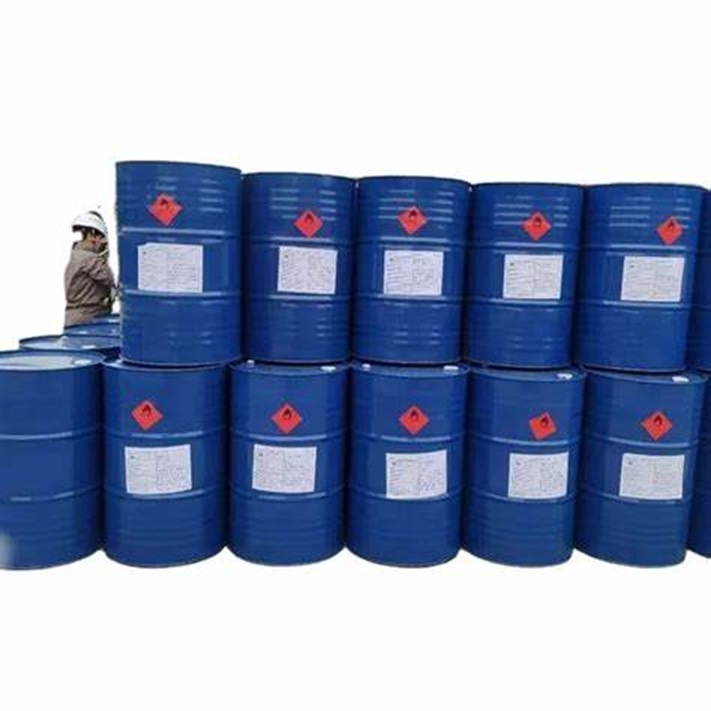
| Steel Drum | 200 L | Stainless steel / Carbon steel (lined) |
| IBC Tank | 1000 L | Stainless steel |
| Bulk Tanker | 20 – 30 tons | Stainless steel (with nitrogen blanket) |
| Small Containers | 1 L, 5 L | Aluminum / HDPE |
SECTION 20: TRANSPORT INFORMATION
| Parameter | Information |
|---|---|
| UN Number | 1301 |
| Hazard Class | 3 (Flammable Liquid) |
| Packing Group | II |
| Proper Shipping Name | VINYL ACETATE, STABILIZED |
| Marine Pollutant | No |
| ADR/RID Label | 3 |
| Transport Code | E |
| Limited Quantity | 1 L |
| Tanker Requirements | Stainless steel or aluminum tank; inert gas blanketing |
| Special Precautions | May freeze below -17°C; heated tanker may be required |
SECTION 21: ENVIRONMENTAL INFORMATION
| Parameter | Value |
|---|---|
| Fish LC50 (96 h) | 21 mg/L (Pimephales promelas) |
| Daphnia magna EC50 (48 h) | 46 mg/L |
| Algae EC50 (72 h) | 221 mg/L |
| Bioaccumulation | Low (log Kow = 0.73) |
| Mobility in Soil | High (rapidly transported with water) |
| Biodegradability | Readily biodegradable (OECD 301A: >70% in 28 days) |
| Aquatic Toxicity Class (WGK) | 2 (Germany) – water pollutant |
| Atmospheric Lifetime | ~1 day (reaction with OH radicals) |
SECTION 22: REGULATORY INFORMATION
| Region / Authority | Status |
|---|---|
| European Union (REACH) | Registered; classified as flammable and suspect carcinogen. |
| USA (TSCA) | Listed. |
| Turkey (KKDIK) | Registered under chemical registration regulations. |
| IARC | Group 2B (possibly carcinogenic to humans). |
| NTP | Reasonably anticipated to be a human carcinogen. |
| OSHA | Regulated as a hazardous substance. |
SECTION 23: OTHER NAMES AND SYNONYMS
| Name | Context |
|---|---|
| Vinyl Acetate | Common name |
| Vinyl Acetate Monomer | Trade name |
| VAM | Abbreviation |
| Vinyl Ethanoate | Chemical name |
| Acetic Acid Vinyl Ester | Chemical name |
| Ethenyl Acetate | IUPAC name |
| CAS | 108-05-4 |
| EC | 203-545-4 |
| UN | 1301 |
SECTION 24: QUICK REFERENCE TABLE
| Property | Value |
|---|---|
| CAS Number | 108-05-4 |
| EC Number | 203-545-4 |
| UN Number | 1301 |
| Molecular Formula | C₄H₆O₂ |
| Molecular Weight | 86.09 g/mol |
| Appearance | Colorless liquid |
| Odor | Fruity, sweetish |
| Density (20°C) | 0.932 g/cm³ |
| Melting Point | -93.2 °C |
| Boiling Point | 72.8 °C |
| Flash Point | -8 °C |
| Water Solubility (25°C) | ~20 g/L |
| Vapor Density (Air=1) | 3.0 (heavier than air) |
| Primary Uses | PVAc, PVOH, EVA, PVB, VAE |
| Shelf Life | 6-12 months (stabilized) |
| Inhibitor | MEHQ (15-25 ppm) |
SECTION 25: CRITICAL NOTICES AND BEST PRACTICES
CRITICAL NOTICES:
-
Highly Flammable: VAM is highly flammable (flash point -8°C). Vapors are heavier than air and can form explosive mixtures. Keep away from all ignition sources.
-
Polymerization Risk: VAM polymerizes exothermically, especially when heated, exposed to light, or in contact with peroxides. Maintain inhibitor levels and storage temperature.
-
Carcinogenicity: IARC classifies VAM as Group 2B (possibly carcinogenic to humans). Use adequate ventilation and personal protective equipment.
-
Skin Absorption: VAM can be absorbed through the skin. Use appropriate chemical-resistant gloves.
-
Inhibitor Maintenance: The inhibitor (MEHQ) requires oxygen to function. Do not store under nitrogen without oxygen; maintain air space in containers.
-
Storage Temperature: VAM must be stored between 5-25°C. Freezing may cause phase separation and inhibitor depletion.
-
Incompatibility: VAM reacts violently with strong oxidizers, acids, bases, and polymerization initiators.
-
Environmental Hazard: VAM is harmful to aquatic life. Prevent release into the environment.
BEST PRACTICE RECOMMENDATIONS:
-
Storage: Store in a cool, well-ventilated area at 5-25°C. Maintain inhibitor levels (MEHQ 15-25 ppm). Use nitrogen blanketing for large tanks.
-
Handling: Use explosion-proof equipment. Ground all containers. Use chemical-resistant gloves (butyl rubber, nitrile, Viton), goggles, and face shield.
-
Ventilation: Provide adequate ventilation. Vapors are heavier than air; install exhaust at floor level.
-
Spill Management: Remove ignition sources. Absorb with inert material. Prevent entry into drains.
-
Waste Management: Dispose of VAM and contaminated materials as hazardous waste. Incineration is recommended.
-
Quality Control: Monitor inhibitor level regularly. Test for purity and water content.
-
Training: Train personnel on flammability, polymerization risks, and carcinogenicity hazards.
LEGAL DISCLAIMER:
This Technical Data Sheet (TDS) is for informational purposes only and is prepared based on available technical data. The user is solely responsible for determining the suitability of the product for their specific application and for complying with all local, national, and international regulations. For complete safety, storage, handling, transport, waste, and regulatory compliance information, the official Safety Data Sheet (SDS/MSDS) provided by the manufacturer/supplier must be consulted. Vinyl Acetate Monomer is a highly flammable and potentially hazardous substance and should be handled with extreme caution. This document does not substitute professional or medical advice.