We unleash your business potential by maximize the business innovation.
Send EmailMethyl Methacrylate, Methyl-2-methylpropenoate, Methyl Methacrylate Monmomer, MMA, 80-62-6
METHYL METHACRYLATE (MMA)
CAS Number: 80-62-6
EC Number (EINECS): 201-297-1
Molecular Formula: C₅H₈O₂
Molecular Weight: 100.12 g/mol
Chemical Class: Methacrylate ester (monomer)
SECTION 1: PRODUCT IDENTIFICATION AND CHEMICAL IDENTITY
| Parameter | Description |
|---|---|
| Chemical Name (IUPAC) | Methyl 2-methylprop-2-enoate |
| Other Names | MMA, Methyl Methacrylate, Methyl-2-methylpropenoate, Methacrylic acid methyl ester |
| CAS Number | 80-62-6 |
| EC Number (EINECS) | 201-297-1 |
| Molecular Formula | C₅H₈O₂ |
| Molecular Weight | 100.12 g/mol |
| Chemical Class | Methacrylate ester (monomer) |
| Structure | CH₂=C(CH₃)-COOCH₃ |
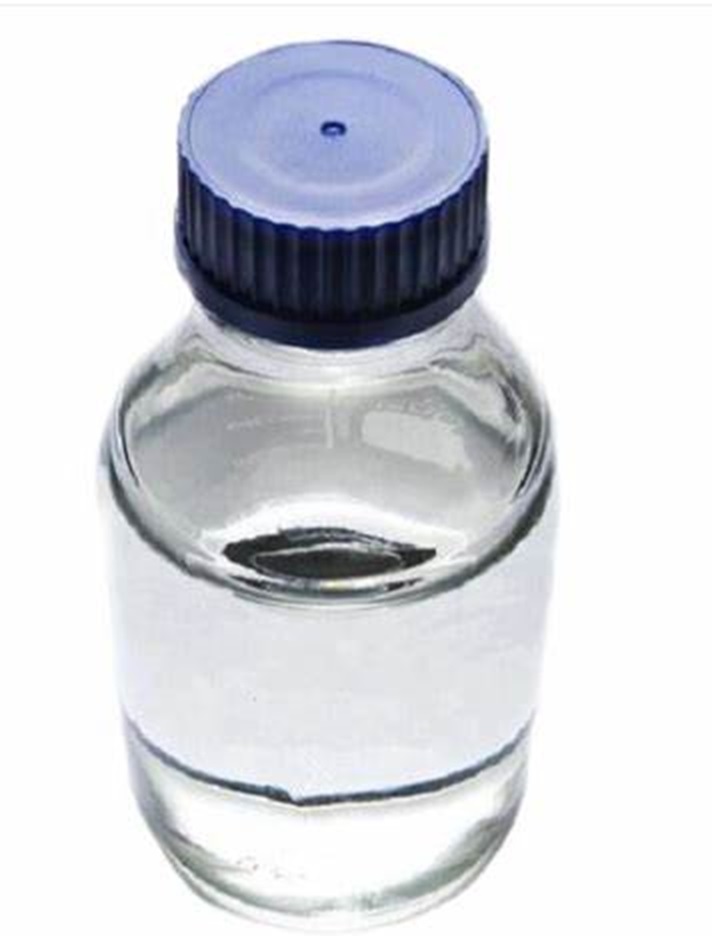
| Appearance | Colorless liquid |
| Odor | Sharp, sweet, characteristic |
| Stabilizer | 10–20 ppm Hydroquinone (HQ) or MEHQ |
SECTION 2: PHYSICAL AND CHEMICAL PROPERTIES
| Property | Value / Range |
|---|---|
| Molecular Formula | C₅H₈O₂ |
| Molecular Weight | 100.12 g/mol |
| Appearance | Colorless liquid |
| Odor | Sharp, sweet, characteristic |
| Density (20°C) | ~0.94 g/cm³ |
| Melting Point | -48°C |
| Boiling Point | ~101°C |
| Flash Point | ~10°C (closed cup) |
| Autoignition Temperature | ~420°C |
| Vapor Pressure (20°C) | ~29 mmHg |
| Vapor Density (air=1) | 3.45 (heavier than air) |
| Solubility in Water (20°C) | ~1.5 g/100 mL (slightly soluble) |
| Solubility in Organic Solvents | Soluble in alcohols, ethers, ketones, hydrocarbons |
| Refractive Index (n²⁰D) | ~1.414 |
| Explosive Limits | 1.7% – 8.2% (v/v) |
| Viscosity (25°C) | ~0.6 cP |
| LogP | ~1.38 |
| Polymerization Inhibitor | 10–20 ppm Hydroquinone (HQ) or MEHQ |
SECTION 3: SOLUBILITY PROFILE
| Solvent | Solubility | Condition |
|---|---|---|
| Water | Slightly soluble (~1.5 g/100 mL) | 20°C |
| Methanol | Completely miscible | - |
| Ethanol | Completely miscible | - |
| Acetone | Completely miscible | - |
| Toluene | Completely miscible | - |
| Ethyl Acetate | Completely miscible | - |
| Diethyl Ether | Completely miscible | - |
Critical Note: MMA is slightly soluble in water but completely miscible with most organic solvents. It is a flammable liquid with a flash point of 10°C. Contains inhibitor to prevent polymerization.
SECTION 4: CHEMICAL PROPERTIES AND REACTIONS
| Property | Description |
|---|---|
| Chemical Class | Methacrylate ester (monomer) |
| Functional Groups | Ester (-COOR) and vinyl (C=C) |
| Reactivity | High; readily polymerizes |
| Polymerization | Free-radical polymerization (bulk, solution, suspension, emulsion) |
| Copolymerization | Copolymerizes with acrylates, methacrylates, styrene |
| Thermal Decomposition | > 200°C releases CO, CO₂, and irritant vapors |
| Oxidation | May form peroxides in air |
| Hydrolysis | Hydrolyzes in acidic/basic media to methacrylic acid and methanol |
| Transesterification | Reacts with alcohols to form other methacrylate esters |
4.1. Key Reactions
| Reaction Type | Description |
|---|---|
| Radical Polymerization | Heat or initiator triggered → Poly(methyl methacrylate) (PMMA) |
| Copolymerization | With acrylates, methacrylates, styrene |
| Hydrolysis | Acid/base → Methacrylic acid + Methanol |
| Transesterification | Alcohol + MMA → Other alkyl methacrylates |
| Michael Addition | Reacts with nucleophiles at β-carbon |
4.2. Polymerization Inhibition
| Parameter | Information |
|---|---|
| Stabilizer | 10–20 ppm Hydroquinone (HQ) or MEHQ |
| Stabilizer Function | Prevents premature free-radical polymerization |
| Dissolved Oxygen | Acts as additional inhibitor |
| Storage Temp | 15–25°C |
| Inhibitor Removal | Can be removed by distillation or inhibitor removal column |
SECTION 5: MAJOR APPLICATIONS AND END-USES
5.1. Polymer Production (Most Important Application)
| Application | Function | Suitability |
|---|---|---|
| PMMA (Acrylic Glass) Production | Homopolymerization → Plexiglas | High |
| Acrylic Copolymers | Copolymerization with other monomers | High |
| Cast PMMA | Optical quality sheets and blocks | High |
| Extruded PMMA | Sheets, films, profiles | High |
| Injection Molded PMMA | Consumer products, automotive parts | High |
5.2. Coatings and Paints
| Application | Function | Suitability |
|---|---|---|
| Industrial Coatings | Co-monomer or resin component | High |
| Automotive Coatings | Clearcoats and topcoats | High |
| Varnishes | Film former | High |
| Powder Coatings | Co-monomer | High |
5.3. Adhesives
| Application | Function | Suitability |
|---|---|---|
| Acrylic Adhesives | Monomer or co-monomer | High |
| Structural Adhesives | Co-monomer | High |
| Anaerobic Adhesives | Main component | High |
5.4. Medical and Dental
| Application | Function | Suitability |
|---|---|---|
| Prosthetic Devices | PMMA-based materials | High |
| Hard Prosthetic Materials | PMMA-based | High |
| Dental Materials | Fillings, prosthetics | High |
| Surgical Bone Cements | PMMA-based | High |
5.5. Automotive
| Application | Function | Suitability |
|---|---|---|
| Headlight Lenses | PMMA (acrylic glass) | High |
| Instrument Cluster Covers | PMMA | High |
| Taillight Covers | PMMA | High |
| Coatings | Co-monomer | High |
5.6. Other Applications
| Application | Function | Suitability |
|---|---|---|
| Lighting | PMMA optical materials | High |
| Signage | PMMA sheets | High |
| Electronics | PMMA components | High |
| Window Glazing | PMMA (acrylic glass) | High |
SECTION 6: INDUSTRY SUITABILITY MATRIX
| Industry | Suitability | Explanation |
|---|---|---|
| Polymers / Plastics | High | PMMA production, copolymers |
| Coatings | High | Industrial and automotive coatings |
| Medical / Dental | High | Prosthetics, bone cements, dental materials |
| Automotive | High | Headlight lenses, coatings, interiors |
| Adhesives | High | Acrylic adhesives |
| Lighting | High | PMMA optical materials |
| Construction | High | Window glazing, lighting |
| Food | Limited | Not a direct food additive |
| Cosmetics | Not suitable | Not used in cosmetics |
SECTION 7: MMA vs ACRYLATES
| Property | MMA (Methacrylate) | EA (Ethyl Acrylate) | BA (Butyl Acrylate) |
|---|---|---|---|
| Structure | CH₂=C(CH₃)-COOCH₃ | CH₂=CH-COOC₂H₅ | CH₂=CH-COOC₄H₉ |
| Glass Transition Temp (Tg) | ~105°C (PMMA) | ~-22°C | ~-54°C |
| Homopolymer | Hard, transparent | Soft | Very soft |
| Optical Clarity | Excellent | Good | Good |
| Hardness | High | Low | Very low |
| UV Resistance | Excellent | Moderate | Moderate |
| Weather Resistance | Excellent | Moderate | Moderate |
| Use | PMMA, optical, medical | Coatings, textiles | Adhesives, coatings |
SECTION 8: OTHER NAMES AND IDENTIFIERS
| Type | Name / Description |
|---|---|
| IUPAC Name | Methyl 2-methylprop-2-enoate |
| Commercial Names | MMA, Methyl Methacrylate, Methyl-2-methylpropenoate |
| Synonyms | Methacrylic acid methyl ester, Methyl methacrylate monomer |
| CAS Number | 80-62-6 |
| EC Number | 201-297-1 |
| RTECS Number | OZ5075000 |
| HS Code | 29161400 |
SECTION 9: TOXICOLOGY AND HEALTH EFFECTS
| Parameter | Value / Description |
|---|---|
| GHS Classification | Danger |
| Signal Word | Danger |
| Hazard Statements | H225 (Highly flammable liquid and vapor), H302 (Harmful if swallowed), H315 (Causes skin irritation), H317 (May cause allergic skin reaction), H319 (Causes serious eye irritation), H335 (May cause respiratory irritation), H370 (Causes organ damage), H400 (Very toxic to aquatic life) |
| Oral LD50 (Rat) | ~5,000-10,000 mg/kg |
| Dermal LD50 (Rabbit) | ~5,000 mg/kg |
| Inhalation LC50 (Rat) | ~5,000-10,000 ppm |
| Skin Irritation | Irritant |
| Eye Irritation | Serious irritant |
| Skin Sensitization | Positive (allergic contact dermatitis) |
| Mutagenicity | Negative |
| Carcinogenicity | IARC Group 3 (not classifiable) |
| Target Organs | Skin, eyes, respiratory system, liver, kidneys |
| Occupational Exposure Limit (TWA) | 100 ppm (ACGIH), 100 ppm (OSHA) |
SECTION 10: ECOTOXICOLOGY AND ENVIRONMENTAL BEHAVIOR
| Parameter | Value / Description |
|---|---|
| Fish Toxicity (LC50, 96 hours) | ~50-100 mg/L |
| Daphnia Toxicity (EC50, 48 hours) | ~50-100 mg/L |
| Algae Toxicity (EC50, 72 hours) | ~50-100 mg/L |
| Biodegradability | Readily biodegradable (OECD 301) |
| Bioaccumulation | Low (LogP ~1.38) |
| Hydrolysis | Slow hydrolysis to methacrylic acid and methanol |
| Water Hazard Class (WGK Germany) | WGK 2 (hazardous to water) |
SECTION 11: SAFETY MEASURES AND PERSONAL PROTECTIVE EQUIPMENT
| Parameter | Information |
|---|---|
| Respiratory Protection | Organic vapor cartridge (at high concentrations) or SCBA |
| Gloves | Chemically resistant (nitrile, butyl rubber, Viton) |
| Eye Protection | Chemical safety goggles + face shield |
| Body Protection | Chemical-resistant apron, full protective clothing |
| Ventilation | Local exhaust ventilation and general ventilation |
| Special Precautions | Grounding for static electricity; explosion-proof equipment |
| Engineering Controls | Closed systems; inert atmosphere (N₂) |
SECTION 12: STORAGE INFORMATION
| Parameter | Information |
|---|---|
| Storage Conditions | Cool, dry, well-ventilated area |
| Temperature | 15–25°C (store under inert atmosphere) |
| Container | Tightly closed, dark, stainless steel or aluminum containers |
| Special Requirements | Must contain inhibitor (HQ/MEHQ); avoid extreme temperatures |
| Incompatibilities | Heat, light, peroxides, strong oxidizers, strong acids, strong bases |
| Shelf Life | 6–12 months (under recommended conditions) |
| Packaging | 200 kg drum, 1000 kg IBC, bulk tanker (under N₂ blanket) |
SECTION 13: TRANSPORT INFORMATION
| Parameter | Information |
|---|---|
| UN Number | 1247 |
| Hazard Class | 3 (Flammable Liquid) |
| Packing Group | II |
| Proper Shipping Name | Methyl Methacrylate, stabilized |
| Labels | 3 (Flammable Liquid) |
| ADR/RID | UN 1247, Class 3, PG II |
| IMDG Code | UN 1247, Class 3, PG II |
| IATA (Air) | UN 1247, Class 3, PG II |
| Marine Pollutant | Yes |
| Transport Notes | Keep away from heat and fire; take precautions against static electricity; transport under inert atmosphere |
SECTION 14: FIRE-FIGHTING MEASURES
| Parameter | Information |
|---|---|
| Fire Hazard | Highly flammable (flash point ~10°C) |
| Extinguishing Media | Alcohol-resistant foam, CO₂, dry chemical, water fog |
| Special Hazards | Vapors are heavier than air (3.45×), explosive limits 1.7–8.2% |
| Decomposition Products | CO, CO₂, irritant vapors |
| Protective Equipment | Self-contained breathing apparatus (SCBA), full protective clothing |
| Explosion Risk | Vapor/air mixtures explosive |
| Water Use | Prevent fire-fighting water from entering the environment |
SECTION 15: ACCIDENTAL RELEASE AND CLEANUP
| Parameter | Information |
|---|---|
| Personal Protection | Gloves, safety goggles, face shield, protective clothing, SCBA |
| Ventilation | Increase ventilation; evacuate area |
| Control | Stop source; prevent vapor spread |
| Cleanup Methods | Absorb with inert absorbent material; collect in sealed containers |
| Environmental Precautions | Prevent entry into drains and water bodies (H400) |
| Waste Disposal | According to local regulations; incineration (hazardous waste) |
SECTION 16: FIRST AID MEASURES
| Exposure Route | Action |
|---|---|
| Inhalation | Move to fresh air. Administer oxygen if breathing difficulty. Seek medical attention. |
| Skin Contact | Remove contaminated clothing. Wash with soap and plenty of water for at least 15 minutes. Seek medical attention. |
| Eye Contact | Rinse with plenty of water for at least 15 minutes. Seek immediate medical attention. |
| Ingestion | Do NOT induce vomiting. Drink plenty of water. Seek immediate medical attention. |
SECTION 17: REGULATORY INFORMATION
| Region / Authority | Status |
|---|---|
| EU REACH | Registered |
| Turkey KKDİK | Registration required |
| USA TSCA | Listed |
| USA FDA | Approved for food contact (21 CFR 177.1010) |
| EU Food Contact | Permitted under specific conditions |
| IARC | Group 3 (not classifiable) |
| EINECS | 201-297-1 |
| RTECS | OZ5075000 |
| WGK (Germany) | 2 (hazardous to water) |
SECTION 18: SUMMARY AND CRITICAL WARNINGS
Product Summary
| Parameter | Value |
|---|---|
| Product | Methyl Methacrylate (MMA) |
| CAS | 80-62-6 |
| Appearance | Colorless liquid |
| Density | ~0.94 g/cm³ |
| Boiling Point | ~101°C |
| Flash Point | ~10°C |
| UN Number | 1247 |
| Key Industries | Polymer (PMMA), coatings, medical, automotive |
CRITICAL WARNINGS
-
PMMA Production: MMA is the main monomer for PMMA (acrylic glass / Plexiglas) production. PMMA is known for excellent optical clarity and weather resistance.
-
Highly Flammable: Flash point ~10°C. Keep away from heat, sparks, and open flames. Explosive limits 1.7–8.2% in air.
-
Polymerization Risk: Readily polymerizes; always contains inhibitor (HQ/MEHQ). Keep away from heat and light. Do not store without inhibitor.
-
Vapor Density: Vapors are heavier than air (3.45×), accumulate at floor level and in low areas.
-
Toxic and Irritant: Harmful if swallowed, inhaled, or absorbed through skin. May cause organ damage (H370). Causes serious eye irritation (H319).
-
Skin Sensitizer: May cause allergic skin reactions (H317). Use appropriate PPE.
-
Aquatic Toxicity: Very toxic to aquatic life (H400). Avoid release to the environment.
-
Storage: Store in cool, dark, well-ventilated areas under inert atmosphere. Do not exceed 25°C.
-
Shipping: Transport as UN 1247, Class 3, Packing Group II. Marine pollutant.
-
Regulatory Status: Registered under REACH. FDA-approved for food contact (21 CFR 177.1010).
IMPORTANT DISCLAIMER: This Technical Data Sheet (TDS) is for informational purposes only and is based on available technical data. The user is solely responsible for determining the product's suitability for their specific application and for complying with all applicable local, national, and international regulations. MMA is highly flammable, readily polymerizes, and may cause organ damage! For complete safety, storage, handling, transportation, disposal, and regulatory compliance information, always refer to the official Safety Data Sheet (SDS/MSDS) provided by the manufacturer/supplier. Users are responsible for testing the product in their own processes and applications. All local, national, and international regulations must be followed when working with Methyl Methacrylate.