We unleash your business potential by maximize the business innovation.
Send EmailDibutyl Phthalate, Di-n-butyl phthalate, Dibutyl benzene-1,2-dicarboxylate, DBP, 84-74-2
DIBUTYL PHTHALATE (DBP)
CAS Number: 84-74-2
EC Number (EINECS): 201-557-4
Molecular Formula: C₁₆H₂₂O₄
Molecular Weight: 278.34 g/mol
Chemical Class: Phthalate ester (plasticizer)
SECTION 1: PRODUCT IDENTIFICATION AND CHEMICAL IDENTITY
| Parameter | Description |
|---|---|
| Chemical Name (IUPAC) | 1,2-Benzenedicarboxylic acid dibutyl ester |
| Other Names | DBP, Di-n-butyl phthalate, Phthalic acid dibutyl ester, Dibutyl benzene-1,2-dicarboxylate |
| CAS Number | 84-74-2 |
| EC Number (EINECS) | 201-557-4 |
| Molecular Formula | C₁₆H₂₂O₄ |
| Molecular Weight | 278.34 g/mol |
| Chemical Class | Phthalate ester (plasticizer) |
| Structure | Benzene ring with two butyl ester groups |
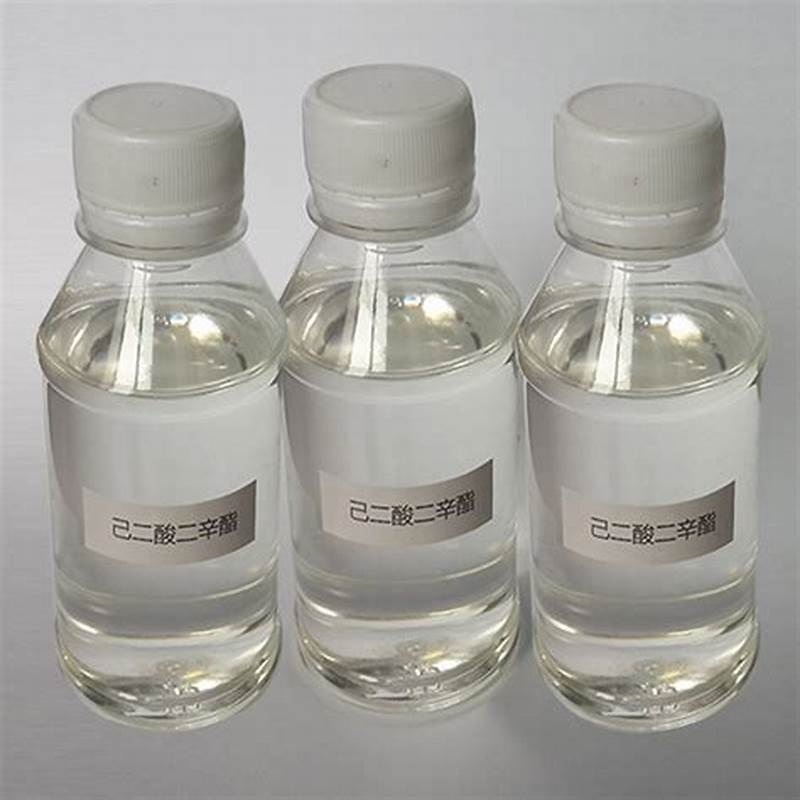
| Appearance | Colorless to pale yellow oily liquid |
| Odor | Mild, characteristic |
SECTION 2: PHYSICAL AND CHEMICAL PROPERTIES
| Property | Value / Range |
|---|---|
| Molecular Formula | C₁₆H₂₂O₄ |
| Molecular Weight | 278.34 g/mol |
| Appearance | Colorless to pale yellow oily liquid |
| Odor | Mild, characteristic |
| Density (20°C) | ~1.05 g/cm³ |
| Melting Point | -35°C |
| Boiling Point | ~340°C |
| Flash Point | ~157°C (closed cup) |
| Autoignition Temperature | ~410°C |
| Viscosity (25°C) | ~18 cP |
| Solubility in Water (25°C) | ~13 mg/L (very slight) |
| Vapor Pressure (20°C) | 0.00007 mmHg (very low) |
| Solubility in Organic Solvents | Soluble in most organic solvents |
| LogP (octanol/water) | ~4.45 |
| Refractive Index (n²⁰D) | ~1.490-1.492 |
| Acid Value | ≤ 0.05 mg KOH/g |
| Water Content | ≤ 0.1% |
| Purity (GC) | ≥ 99.0% |
SECTION 3: CHEMICAL PROPERTIES AND REACTIONS
| Property | Description |
|---|---|
| Chemical Class | Phthalate ester |
| Functional Group | Ester (-COOR) |
| Reactivity | Low under normal conditions |
| Hydrolysis | Slow hydrolysis in acidic or basic medium |
| Thermal Decomposition | > 300°C releases CO, CO₂ |
| Oxidation | Stable under normal conditions |
| Hydrolytic Stability | Good |
| UV Stability | Moderate |
| Volatility | Low-moderate |
SECTION 4: FUNCTIONAL PROPERTIES
| Property | Description |
|---|---|
| Plasticizer Type | Primary plasticizer |
| PVC Compatibility | Excellent |
| Gelation Speed | Fast |
| Low-Temperature Flexibility | Good |
| Volatility | Low-moderate |
| Migration | Moderate |
| Water Resistance | Good |
| Oil Resistance | Moderate |
| Electrical Insulation | Good |
| Cost/Performance | Good |
SECTION 5: MAJOR APPLICATIONS AND END-USES
5.1. PVC Plasticizer (Primary Application)
| Application | Function | Suitability |
|---|---|---|
| Flexible PVC | Primary plasticizer | High |
| PVC Films and Sheets | Flexibility and processability | High |
| PVC Adhesives | Flexibility and adhesion | High |
5.2. Coatings and Inks
| Application | Function | Suitability |
|---|---|---|
| Printing Inks | Plasticizer, flow control | High |
| Lacquers | Plasticizer | High |
| Paper Coatings | Plasticizer | High |
| Textile Coatings | Plasticizer | High |
5.3. Adhesives and Sealants
| Application | Function | Suitability |
|---|---|---|
| Adhesives | Plasticizer | High |
| Sealants | Plasticizer | High |
5.4. Specialty Applications
| Application | Function | Suitability |
|---|---|---|
| Explosives | Plasticizer | High |
| Perfume Solvents | Solvent | High |
| Resin Solvents | Solvent | High |
| Nail Polish | Plasticizer | High |
| Rubber | Plasticizer | High |
SECTION 6: INDUSTRY SUITABILITY MATRIX
| Industry | Suitability | Explanation |
|---|---|---|
| PVC Processing | High | Fast gelation, good flexibility |
| Inks | High | Plasticizer, flow control |
| Adhesives | High | Plasticizer |
| Coatings | High | Plasticizer |
| Cosmetics | Limited | Due to regulatory restrictions |
| Food Contact | Restricted | Due to regulatory restrictions |
| Toys | Restricted | Banned under EU Toys Directive |
SECTION 7: COMPARISON OF PHTHALATES
| Property | DMP (Dimethyl) | DEP (Diethyl) | DBP (Dibutyl) | DOP/DEHP (Dioctyl) | DIDP (Diisodecyl) |
|---|---|---|---|---|---|
| Molecular Formula | C₁₀H₁₀O₄ | C₁₂H₁₄O₄ | C₁₆H₂₂O₄ | C₂₄H₃₈O₄ | C₂₈H₄₆O₄ |
| Molecular Weight | ~194 g/mol | ~222 g/mol | ~278 g/mol | ~390 g/mol | ~446 g/mol |
| Boiling Point | ~282°C | ~298°C | ~340°C | ~385°C | >400°C |
| Volatility | High | Moderate | Low | Very low | Very low |
| Water Solubility | Partially | Slight | Insoluble | Insoluble | Insoluble |
| Main Use | Insect repellent, specialty polymers | Cosmetics, perfume, cellulose acetate | PVC, adhesives, rubber | PVC, vinyl, cable coatings | Cable, automotive, durable PVC |
| Toxicological Status | Relatively low | Low | Endocrine disruptor risk | Environmental concerns, restricted | Safer, low migration |
| Usage Share (per 100 units) | 8% | 12% | 15% | 40% | 25% |
SECTION 8: OTHER NAMES AND IDENTIFIERS
| Type | Name / Description |
|---|---|
| IUPAC Name | 1,2-Benzenedicarboxylic acid dibutyl ester |
| Commercial Names | DBP, Dibutyl Phthalate, Di-n-butyl phthalate |
| Synonyms | Phthalic acid dibutyl ester, o-Benzenedicarboxylic acid dibutyl ester |
| CAS Number | 84-74-2 |
| EC Number | 201-557-4 |
| HS Code | 29173200 |
SECTION 9: TOXICOLOGY AND HEALTH EFFECTS
| Parameter | Value / Description |
|---|---|
| GHS Classification | Warning |
| Signal Word | Warning |
| Hazard Statements | H302 (Harmful if swallowed), H315 (Causes skin irritation), H319 (Causes serious eye irritation), H335 (May cause respiratory irritation), H360 (May damage fertility or the unborn child), H373 (May cause organ damage through prolonged exposure), H400 (Very toxic to aquatic life) |
| Oral LD50 (Rat) | ~5,000-10,000 mg/kg |
| Dermal LD50 (Rabbit) | > 2,000 mg/kg |
| Skin Irritation | Mild irritant |
| Eye Irritation | Mild irritant |
| Skin Sensitization | Not sensitizing |
| Mutagenicity | Negative |
| Carcinogenicity | Not classified (IARC Group 3) |
| Reproductive Toxicity | May damage fertility or unborn child (H360) |
| Endocrine Disruption | Concern (classified as endocrine disruptor) |
| Target Organs | Reproductive system, liver, kidneys |
| WGK (Germany) | 3 (very hazardous to water) |
SECTION 10: SAFETY AND STORAGE
| Parameter | Information |
|---|---|
| Storage Conditions | Cool, dry, well-ventilated area |
| Temperature | Room temperature (15-30°C) |
| Container | Tightly closed containers |
| Materials to Avoid | Strong oxidizers, strong acids, strong bases |
| Shelf Life | 24 months (under recommended conditions) |
| Packaging | 200 kg drum, 1000 kg IBC, bulk tanker |
SECTION 11: TRANSPORT INFORMATION
| Parameter | Information |
|---|---|
| UN Number | Not regulated (not classified as dangerous goods) |
| Hazard Class | Not applicable |
| Packing Group | Not applicable |
| Proper Shipping Name | Dibutyl Phthalate |
| ADR/RID | Not regulated |
| IMDG Code | Not regulated |
| IATA (Air) | Not regulated |
| Marine Pollutant | Yes (H400) |
SECTION 12: REGULATORY INFORMATION
| Region / Authority | Status |
|---|---|
| EU REACH | Registered (Annex XIV - Subject to authorization) |
| Turkey KKDİK | Registration required |
| USA TSCA | Listed |
| USA FDA | Restricted for food contact |
| EU Cosmetics Regulation | Restricted in cosmetics |
| EU Toys Directive | Banned in toys |
| California Prop 65 | Listed for reproductive toxicity risk |
| EINECS | 201-557-4 |
SECTION 13: SUMMARY AND CRITICAL WARNINGS
Product Summary
| Parameter | Value |
|---|---|
| Product | Dibutyl Phthalate (DBP) |
| CAS | 84-74-2 |
| Appearance | Colorless to pale yellow liquid |
| Density | ~1.05 g/cm³ |
| Molecular Weight | 278.34 g/mol |
| Key Industries | PVC, adhesives, inks |
CRITICAL WARNINGS
-
Endocrine Disruptor: DBP is classified as an endocrine disruptor. It may damage fertility or the unborn child (H360). Its use is increasingly restricted.
-
Regulatory Restrictions: Subject to authorization under EU REACH Annex XIV. Banned in toys and childcare articles. Restricted in cosmetics.
-
PVC Compatibility: Provides excellent compatibility with PVC and fast gelation.
-
Low-Temperature Flexibility: Provides good low-temperature flexibility.
-
California Prop 65: Listed under California Prop 65 for reproductive toxicity risk.
-
Aquatic Toxicity: Very toxic to aquatic life (H400). Marine pollutant.
-
Alternatives: Due to regulatory restrictions, safer plasticizers such as DOTP, DINP, and DIDP are preferred.
-
Storage: Store in cool, dry, well-ventilated areas. Keep away from strong oxidizers and acids.
-
Use Restrictions: Restricted or banned in food contact, toys, and cosmetics applications.
-
Regulatory Status: Registered under REACH. Registration required under Turkey KKDİK.
IMPORTANT DISCLAIMER: This Technical Data Sheet (TDS) is for informational purposes only and is based on available technical data. The user is solely responsible for determining the product's suitability for their specific application and for complying with all applicable local, national, and international regulations. DBP is classified as an endocrine disruptor and is subject to regulatory restrictions! For complete safety, storage, handling, transportation, disposal, and regulatory compliance information, always refer to the official Safety Data Sheet (SDS/MSDS) provided by the manufacturer/supplier. Users are responsible for testing the product in their own processes and applications. All local, national, and international regulations must be followed when working with DBP.