We unleash your business potential by maximize the business innovation.
Send EmailViton Rubber, Fluoroelastomer, Fluorine Rubber, Viton FKM, FPM, FKM, 64706-30-5
VITON FLUOROELASTOMER (FKM)
Viton Rubber / Fluoroelastomer / FKM / FPM / Fluorine Rubber / Viton FKM
CAS Number: 64706-30-5
EC Number: 265-561-6
1. PRODUCT IDENTIFICATION AND CHEMICAL IDENTITY
| Parameter | Description |
|---|---|
| Product Name | Fluoroelastomer (FKM / Viton) |
| Other Names | Viton, Fluoro Rubber, Fluorine Rubber, FKM, FPM |
| CAS Number | 64706-30-5 |
| EC Number (EINECS) | 265-561-6 |
| Chemical Class | Synthetic elastomer (fluorocarbon-based) |
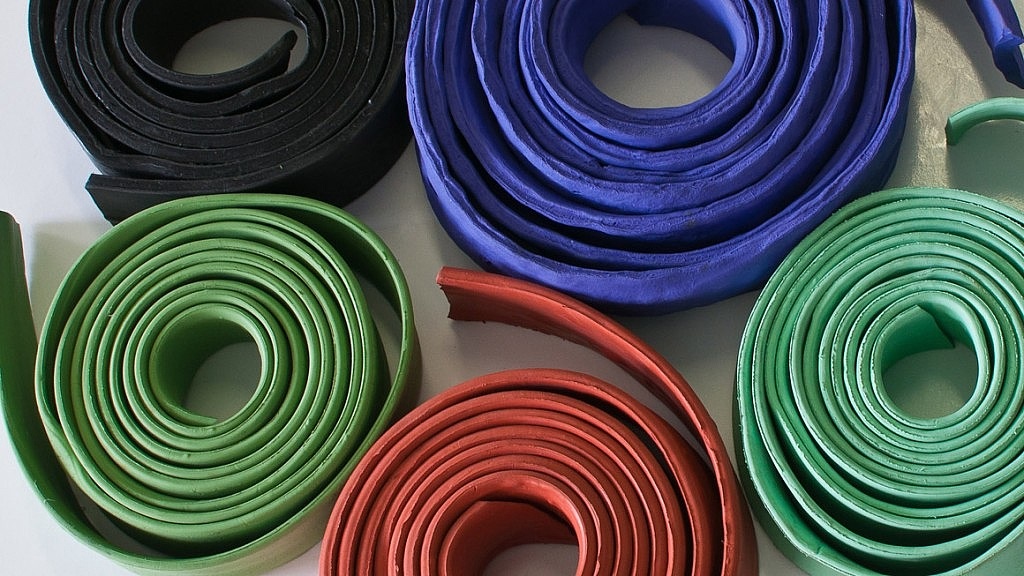
| Appearance | Black or dark brown solid (bales or sheets) |
| Odor | Characteristic rubber odor |
| Density | ~1.8 g/cm³ |
| Service Temperature Range | -26°C to +260°C (-15°F to 500°F) |
| Hardness Range (Shore A) | 60-90 |
| Tensile Strength | 10-20 MPa |
| Elongation at Break | 150-300% |
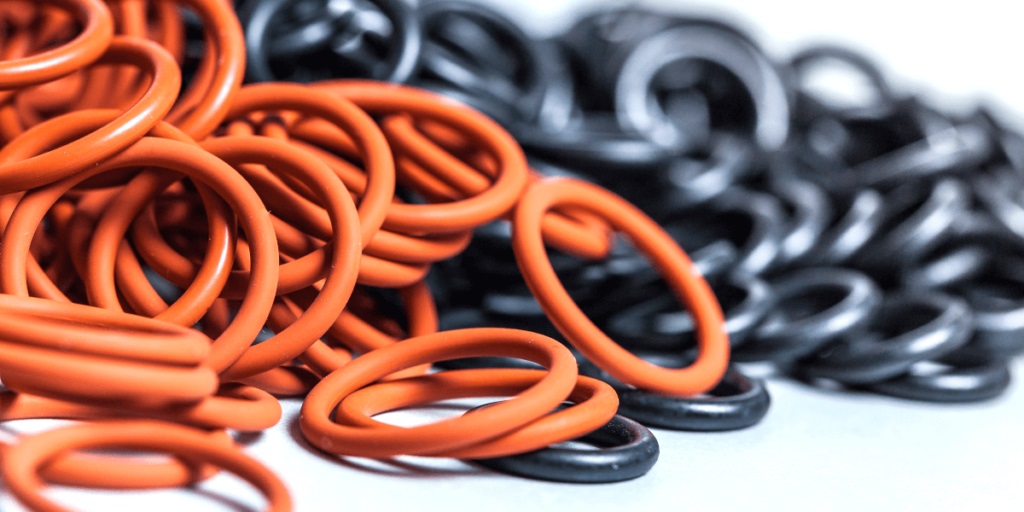
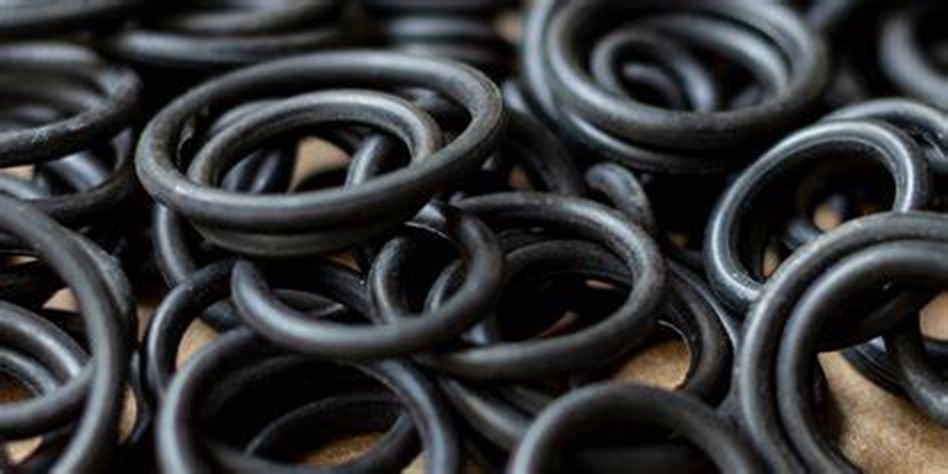
Viton FKM (Fluoroelastomer) is a family of synthetic rubber materials based on fluorocarbon polymers. First developed by DuPont (now Chemours), it is known for its excellent resistance to heat, chemicals, oils, and fuels. The abbreviation FKM stands for "Fluorine Kautschuk Material" (Fluorine Rubber Material) in German, while FPM is the international designation according to DIN/ISO. Viton is the most well-known brand name. Fluoroelastomers offer superior performance in demanding applications where conventional elastomers fail due to high temperatures, aggressive chemicals, or severe environmental conditions. They are widely used in aerospace, automotive, chemical processing, oil and gas, and semiconductor industries.
2. FKM TYPES AND CLASSIFICATION
| Type | Description | Fluorine Content | Key Properties | Applications |
|---|---|---|---|---|
| Standard FKM | Copolymer of VF2 and HFP | ~66% | Good heat and chemical resistance | General-purpose seals, O-rings |
| High-Fluorine FKM | Terpolymer with higher fluorine | ~68-70% | Superior chemical and solvent resistance | Aerospace, fuel systems, aggressive chemicals |
| Perfluoroelastomer (FFKM) | Fully fluorinated | ~72-74% | Maximum heat and chemical resistance | Semiconductor, chemical processing, extreme conditions |
| Low-Temperature FKM | Modified polymer | ~66% | Improved low-temperature flexibility | Cold weather applications, Arctic environments |
| Base-Resistant FKM | Special formulation | ~66% | Resistance to amines and caustics | Oil and gas, chemical processing |
3. TECHNICAL SPECIFICATIONS
Typical Properties of FKM (Viton):
| Parameter | Value |
|---|---|
| Density | ~1.8 g/cm³ |
| Hardness (Shore A) | 60-90 |
| Tensile Strength | 10-20 MPa |
| Elongation at Break | 150-300% |
| Service Temperature Range | -26°C to +260°C |
| Continuous Service Temperature | Up to 230°C |
| Intermittent Service Temperature | Up to 260°C |
| Glass Transition Temperature (Tg) | -20°C to -15°C |
| Compression Set (70h/200°C) | ≤ 30% |
| Heat Aging Resistance | Excellent (up to 260°C) |
| Oil Resistance | Excellent |
| Fuel Resistance | Excellent |
| Acid Resistance | Excellent |
| Solvent Resistance | Excellent |
| Ozone Resistance | Excellent |
| UV Resistance | Excellent |
| Water Resistance | Good |
| Electrical Insulation | Good |
| Abrasion Resistance | Good |
4. PHYSICAL AND CHEMICAL PROPERTIES
| Property | Value |
|---|---|
| Density | ~1.8 g/cm³ |
| Service Temperature Range | -26°C to +260°C (-15°F to 500°F) |
| Hardness (Shore A) | 60-90 |
| Tensile Strength | 10-20 MPa |
| Elongation at Break | 150-300% |
| Heat Resistance | Excellent (up to 260°C) |
| Oil Resistance | Excellent |
| Fuel Resistance | Excellent |
| Chemical Resistance | Excellent (acids, bases, solvents) |
| Ozone Resistance | Excellent |
| UV Resistance | Excellent |
| Gas Permeability | Low |
| Water Resistance | Good |
| Steam Resistance | Moderate (limited) |
| Electrical Insulation | Good |
| Abrasion Resistance | Good |
| Flammability | Self-extinguishing |
5. ADVANTAGES OF VITON FKM
| Advantage | Description |
|---|---|
| Excellent Heat Resistance | Continuous service up to 230°C; intermittent up to 260°C |
| Superior Chemical Resistance | Resistant to oils, fuels, acids, solvents, and many aggressive chemicals |
| Outstanding Ozone and UV Resistance | Excellent weathering resistance |
| Low Gas Permeability | Good barrier properties |
| Self-Extinguishing | Flame-resistant (does not propagate flame) |
| Wide Service Temperature Range | -26°C to +260°C |
| Good Mechanical Properties | Good tensile strength and tear resistance |
| Long Service Life | Excellent durability in demanding environments |
| Low Compression Set | Maintains sealing force over time |
| Excellent Aging Resistance | Retains properties over extended periods |
6. LIMITATIONS
| Limitation | Description |
|---|---|
| High Cost | More expensive than conventional elastomers |
| Limited Low-Temperature Flexibility | Standard grades limited to -26°C; special grades available for lower temperatures |
| Poor Steam Resistance | Limited resistance to high-pressure steam |
| Poor Resistance to Amines and Caustics | Base-resistant grades available |
| Difficult Processing | Requires specialized equipment and expertise |
| High Density | Heavier than most other elastomers |
| Poor Abrasion Resistance | Lower than some specialty elastomers |
| Limited Solvent Resistance to Certain Compounds | Polar solvents can cause swelling |
7. APPLICATIONS AND INDUSTRIAL USES
7.1. Aerospace Industry (Most Demanding Applications)
| Application | Description |
|---|---|
| O-Rings and Seals | Fuel systems, hydraulic systems, engines |
| Gaskets | Engine and airframe gaskets |
| Hose Linings | Fuel and hydraulic hoses |
| Valve Seals | Fuel control valves |
| Engine Components | Various engine sealing applications |
7.2. Automotive Industry
| Application | Description |
|---|---|
| Fuel System Seals | Fuel injector seals, fuel pump seals |
| Oil Seals | Crankshaft seals, transmission seals |
| O-Rings | Engine and transmission O-rings |
| Gaskets | Cylinder head gaskets, valve cover gaskets |
| Hoses | Fuel and oil hoses |
| Turbocharger Components | Turbocharger seals |
| Electrical Connectors | Wire and cable seals |
7.3. Chemical Processing Industry
| Application | Description |
|---|---|
| Pump Seals | Chemical pump seals |
| Valve Seals | Chemical valve seals |
| Gaskets | Flange gaskets |
| Hose Linings | Chemical transfer hoses |
| Expansion Joints | Chemical processing equipment |
| Diaphragms | Control valves and pumps |
7.4. Oil and Gas Industry
| Application | Description |
|---|---|
| Downhole Seals | Wellhead seals, packers |
| O-Rings | Pipeline and equipment seals |
| Gaskets | Flange gaskets |
| Valve Seals | Control valve seals |
| Hose Linings | Oil transfer hoses |
7.5. Semiconductor and Electronics Industry
| Application | Description |
|---|---|
| Seals | Process equipment seals |
| O-Rings | Vacuum chamber seals |
| Valve Seals | Gas and chemical delivery systems |
| Gaskets | Wafer fabrication equipment |
7.6. Chemical and Pharmaceutical Industry
| Application | Description |
|---|---|
| Pharmaceutical Equipment Seals | Reactor seals, pump seals |
| Medical Devices | Syringes, drug delivery systems |
| Laboratory Equipment | Seals and gaskets for analytical instruments |
8. COMPARISON WITH OTHER ELASTOMERS
| Property | FKM (Viton) | NBR | EPDM | Silicone (VMQ) | PTFE |
|---|---|---|---|---|---|
| Heat Resistance | Excellent (260°C) | Good (120°C) | Good (150°C) | Excellent (230°C) | Excellent (260°C) |
| Oil Resistance | Excellent | Good | Poor | Good | Excellent |
| Fuel Resistance | Excellent | Good | Poor | Fair | Excellent |
| Chemical Resistance | Excellent | Good | Good | Good | Excellent |
| Ozone Resistance | Excellent | Poor | Excellent | Excellent | Excellent |
| Low-Temperature Flexibility | Good (-26°C) | Good (-40°C) | Good (-50°C) | Excellent (-60°C) | Excellent (-100°C) |
| Compression Set | Low | Moderate | Moderate | High | Low |
| Abrasion Resistance | Good | Excellent | Good | Poor | Poor |
| Cost | Very High | Low | Moderate | High | Very High |
9. FKM CURE SYSTEMS
| Cure System | Description | Advantages | Applications |
|---|---|---|---|
| Bisphenol Cure | Standard peroxide-free system | Good heat resistance, low compression set | General-purpose O-rings, seals |
| Peroxide Cure | Uses organic peroxides | Better chemical resistance, high-temp applications | Aerospace, chemical processing |
| Diamine Cure | Uses amine curatives | Good adhesion to metals | Metal-bonded seals, automotive |
| Ionic Cure | Specialized system | Improved base resistance | Oil and gas, caustic environments |
10. TYPICAL FORMULATIONS AND COMPOUNDING
| Component | Function | Typical Range |
|---|---|---|
| FKM Polymer | Base elastomer | 100 phr |
| Filler (Carbon Black) | Reinforcement | 15-40 phr |
| Filler (Mineral) | Cost reduction, processing | 10-30 phr |
| Plasticizer | Processing aid, low-temp improvement | 5-15 phr |
| Activator | Cure acceleration | 3-5 phr |
| Curative | Crosslinking | 1-5 phr |
| Processing Aid | Mold release, flow improvement | 1-3 phr |
| Antioxidant | Heat and oxygen protection | 1-2 phr |
11. PACKAGING AND SHIPPING
| Packaging Option | Details |
|---|---|
| Sheet/Strip Form | Various thicknesses |
| Bale Weight | 10-25 kg (typical) |
| Pallet Configuration | 20-30 bales/pallet |
| Pallet Type | Wooden pallet, shrink-wrapped |
| Container Capacity (20-ft) | Depending on packaging |
12. STORAGE AND HANDLING
| Parameter | Information |
|---|---|
| Storage Conditions | Cool, dry, well-ventilated area; away from direct sunlight |
| Recommended Temperature | Below 25°C |
| Humidity | Avoid high humidity |
| Shelf Life | 12-24 months under proper storage conditions |
| Handling | Avoid contamination with oils, solvents, and dirt |
| Protection | Keep covered and protected from moisture and dust |
| Special Considerations | FKM compounds can cure prematurely if exposed to heat or certain chemicals |
13. SAFETY AND HEALTH INFORMATION
| Parameter | Information |
|---|---|
| Toxicity | Non-toxic (cured); processing fumes can be irritating |
| Skin Irritation | Non-irritant |
| Eye Irritation | Mild irritant (dust) |
| Inhalation | May cause respiratory irritation (dust/fumes) |
| Flammability | Self-extinguishing |
| Fire Extinguishing Media | Water spray, foam, CO₂, dry chemical powder |
| Special Hazards | Burning produces toxic fumes (HF, CO, CO₂) |
| Pyrolysis Products | Hydrogen fluoride (HF) and other toxic gases at high temperatures |
14. FIRST AID MEASURES
| Exposure Route | Action |
|---|---|
| Inhalation | Move person to fresh air. If irritation persists, seek medical attention. |
| Skin Contact | Wash with soap and water. Remove contaminated clothing. |
| Eye Contact | Rinse with plenty of water for at least 15 minutes. Seek medical attention if irritation persists. |
| Ingestion | Rinse mouth. Do NOT induce vomiting. Seek medical attention if large amounts are swallowed. |
15. REGULATORY INFORMATION
| Region | Status |
|---|---|
| EU | REACH registered |
| Turkey (KKDİK) | Mandatory compliance; requires registration |
| USA (TSCA) | Listed |
| Canada (DSL) | Listed |
| Australia (AICS) | Listed |
| Japan (ENCS) | Listed |
| Korea (KECL) | Listed |
| China (IECSC) | Listed |
Regulatory Status:
| Status | Information |
|---|---|
| HS Code | 40024900 |
| CAS Number | 64706-30-5 |
| EC Number | 265-561-6 |
| IARC Classification | Not classified |
| WGK Germany | 1 (slight hazard to water) |
16. OTHER NAMES AND DATABASE IDENTIFIERS
| Category | Names / Identifiers |
|---|---|
| Product Names | Fluoroelastomer, FKM, Viton, Fluorine Rubber |
| Brand Names | Viton (Chemours), Fluorel (3M), Dai-El (Daikin), Tecnoflon (Solvay) |
| International Designations | FKM (ASTM), FPM (DIN/ISO) |
| Common Names | Viton Rubber, Fluoro Rubber, FKM |
Database Identifiers:
| Database | Identifier |
|---|---|
| CAS | 64706-30-5 |
| EC (EINECS) | 265-561-6 |
| HS Code | 40024900 |
17. COMPARISON OF FKM TYPES
| Type | Fluorine Content | Temperature Range | Applications |
|---|---|---|---|
| Standard FKM | ~66% | -20°C to +230°C | General-purpose O-rings, seals |
| High-Fluorine FKM | ~68-70% | -15°C to +240°C | Aerospace, fuel systems |
| Low-Temperature FKM | ~66% | -40°C to +220°C | Cold weather applications |
| Base-Resistant FKM | ~66% | -20°C to +230°C | Oil and gas, caustic environments |
| Perfluoroelastomer (FFKM) | ~72-74% | -20°C to +300°C | Semiconductor, extreme chemical |
18. INDUSTRY SUITABILITY TABLE
| Industry | Applications | Recommended Type | Suitability |
|---|---|---|---|
| Aerospace | O-rings, seals, gaskets, hose linings | High-Fluorine FKM | High |
| Automotive | Fuel system seals, oil seals, O-rings | Standard FKM | High |
| Chemical Processing | Pump seals, valve seals, gaskets | High-Fluorine/Perfluoroelastomer | High |
| Oil and Gas | Downhole seals, packers, O-rings | Base-Resistant FKM | High |
| Semiconductor | Process equipment seals | Perfluoroelastomer | High |
| Pharmaceutical | Equipment seals, medical devices | Standard/High-Fluorine FKM | High |
19. COMPARISON OF BRAND NAMES
| Brand | Manufacturer | Equivalent FKM Type |
|---|---|---|
| Viton | Chemours (formerly DuPont) | Standard and specialty FKM |
| Fluorel | 3M | High-fluorine FKM |
| Dai-El | Daikin | Standard and specialty FKM |
| Tecnoflon | Solvay | High-fluorine and specialty FKM |
20. SUMMARY AND CRITICAL WARNINGS
SUMMARY:
Viton FKM (Fluoroelastomer) is a high-performance synthetic rubber based on fluorocarbon polymers. It offers excellent heat resistance (up to 260°C), superior chemical resistance (oils, fuels, acids, solvents), outstanding ozone and UV resistance, and good mechanical properties. It is available in various types: standard FKM (66% fluorine), high-fluorine FKM (68-70%), perfluoroelastomer (FFKM, 72-74%), low-temperature FKM, and base-resistant FKM. It is used in aerospace, automotive, chemical processing, oil and gas, semiconductor, and pharmaceutical industries. The most well-known brand is Viton (Chemours). FKM is self-extinguishing and has a wide service temperature range (-26°C to +260°C). It is non-toxic but can release toxic gases (HF) at high temperatures. HS Code: 40024900.
Key Properties:
| Property | Value |
|---|---|
| Appearance | Black or dark brown solid |
| CAS Number | 64706-30-5 |
| Density | ~1.8 g/cm³ |
| Service Temperature Range | -26°C to +260°C |
| Primary Types | Standard FKM, High-Fluorine FKM, Perfluoroelastomer |
| Primary Use | High-temperature, chemical-resistant seals and O-rings |
Major Application Areas:
| Industry | Applications |
|---|---|
| Aerospace | O-rings, seals, gaskets |
| Automotive | Fuel system seals, oil seals |
| Chemical Processing | Pump seals, valve seals |
| Oil and Gas | Downhole seals, packers |
| Semiconductor | Process equipment seals |
| Pharmaceutical | Equipment seals, medical devices |
Key Safety Points:
-
NON-TOXIC (CURED): Generally safe for handling
-
SELF-EXTINGUISHING: Does not propagate flame
-
STORAGE: Store in cool, dry, well-ventilated area; avoid direct sunlight
-
PPE RECOMMENDED: Dust mask, safety goggles, protective gloves (for handling)
-
PROTECT: Keep away from oils, solvents, and contaminants
-
PYROLYSIS HAZARD: Releases toxic HF at temperatures above 260°C
CRITICAL WARNINGS:
-
Viton FKM offers excellent heat resistance up to 260°C, making it suitable for high-temperature sealing applications where other elastomers fail.
-
FKM has superior resistance to oils, fuels, acids, and solvents, making it ideal for aggressive chemical environments.
-
FKM has limited low-temperature flexibility (standard grades to -26°C). Low-temperature grades are available for colder environments.
-
FKM is more expensive than conventional elastomers but offers longer service life in demanding applications.
-
FKM releases hydrogen fluoride (HF) and other toxic gases at temperatures above 260°C. Adequate ventilation is required during processing or in case of fire.
-
Perfluoroelastomers (FFKM) offer the highest heat and chemical resistance but are significantly more expensive.
-
FKM should not be used with high-pressure steam or certain amines/caustics without special grades.
-
FKM compounds can cure prematurely if exposed to heat or certain chemicals during storage or processing.
-
The most well-known brand is Viton (Chemours), but other manufacturers offer equivalent products (Fluorel, Dai-El, Tecnoflon).
Important Disclaimer: This Technical Data Sheet (TDS) is for informational purposes only. The information provided is based on available data and is believed to be accurate. However, the user is solely responsible for determining the suitability of the product for their specific application and for complying with all applicable regulations and safety requirements. For complete safety, handling, storage, and regulatory compliance information, always refer to the official Safety Data Sheet (SDS/MSDS) provided by the manufacturer/supplier.