We unleash your business potential by maximize the business innovation.
Send EmailEPDM Rubber, Ethylene Propylene Diene Monomer Rubber, Ethylene Propylene Rubber, EPR, EPM, 25038-36-2
EPDM RUBBER
EPDM / Ethylene Propylene Diene Monomer Rubber / EPM / EPR / Ethylene Propylene Rubber
CAS Number: 25038-36-2
EC Number: 607-644-6
1. PRODUCT IDENTIFICATION AND CHEMICAL IDENTITY
| Parameter | Description |
|---|---|
| Product Name | EPDM Rubber (Ethylene Propylene Diene Monomer Rubber) |
| Other Names | Ethylene Propylene Rubber, EPR, EPM, EPDM, Synthetic Rubber |
| CAS Number | 25038-36-2 |
| EC Number (EINECS) | 607-644-6 |
| Chemical Class | Synthetic elastomer (terpolymer of ethylene, propylene, and diene) |
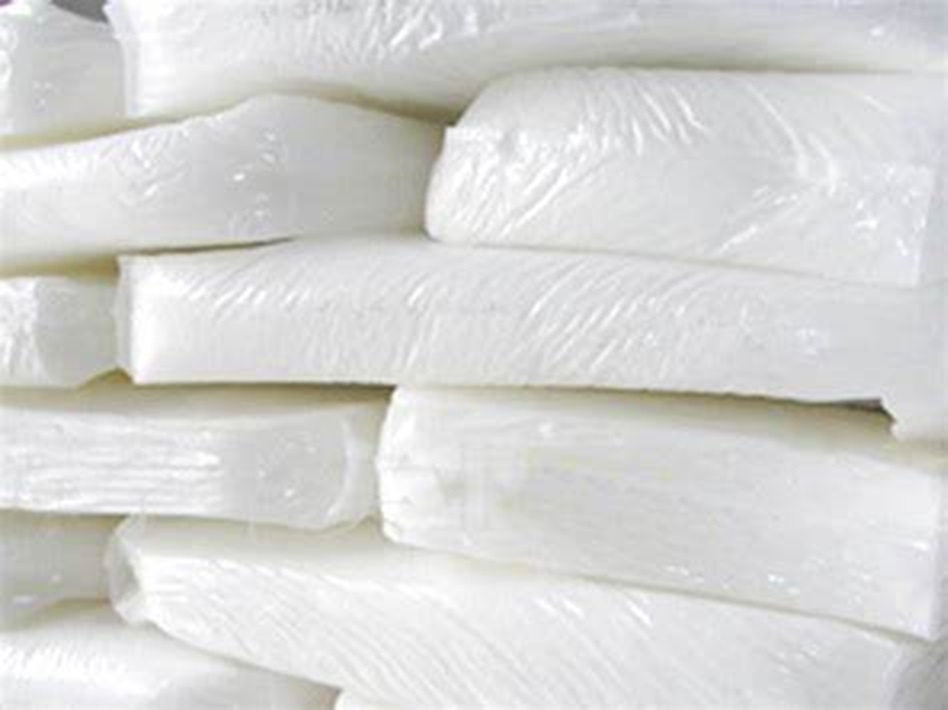
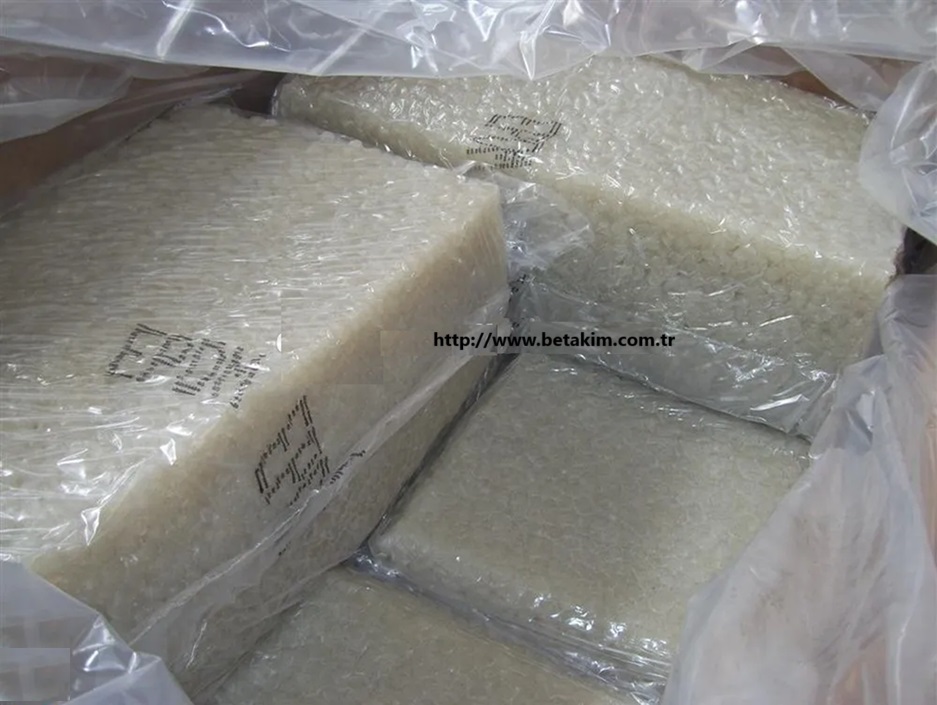
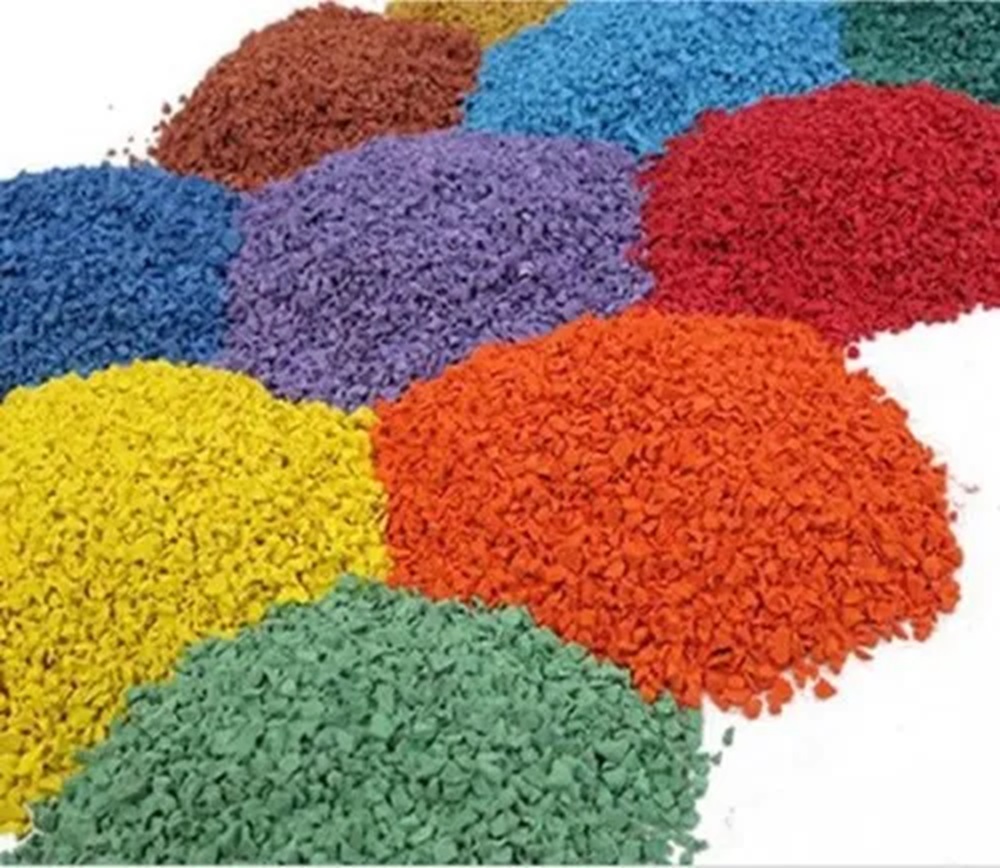
| Appearance | Black or colored solid (bales or sheets) |
| Odor | Characteristic rubber odor |
| Density | 0.86 - 0.90 g/cm³ |
| Service Temperature Range | -50°C to +150°C |
| Hardness Range (Shore A) | 40-90 |
| Tensile Strength | 7-21 MPa |
| Elongation at Break | 300-600% |
EPDM Rubber (Ethylene Propylene Diene Monomer) is a synthetic elastomer produced by the polymerization of ethylene, propylene, and a diene monomer (typically ethylidene norbornene - ENB, dicyclopentadiene - DCPD, or 1,4-hexadiene - HD). The diene monomer provides unsaturation sites for sulfur vulcanization, while the ethylene and propylene units provide the backbone structure. EPDM is one of the most widely used synthetic rubbers due to its excellent resistance to heat, ozone, weathering, and many chemicals. It is also known for its outstanding electrical insulation properties, high elasticity, and good low-temperature performance. EPDM is widely used in automotive, construction, roofing, electrical insulation, and industrial applications where long-term durability and environmental resistance are required.
2. EPDM TYPES AND CLASSIFICATION
| Type | Diene Monomer | Properties | Applications |
|---|---|---|---|
| ENB-EPDM | Ethylidene Norbornene (ENB) | Fast curing, high tensile strength, good heat resistance | Automotive seals, hoses, gaskets |
| DCPD-EPDM | Dicyclopentadiene (DCPD) | Medium cure rate, good processability, lower cost | Roofing membranes, general-purpose products |
| HD-EPDM | 1,4-Hexadiene (HD) | Slow curing, good heat resistance, low compression set | Electrical insulation, high-temp applications |
| High-Mooney EPDM | ENB or DCPD | High viscosity, high green strength | Extruded profiles, hoses, tubes |
| Low-Mooney EPDM | ENB or DCPD | Low viscosity, easy processing | Injection molding, calendering |
3. TECHNICAL SPECIFICATIONS
Typical Properties of EPDM:
| Parameter | Value |
|---|---|
| Density | 0.86 - 0.90 g/cm³ |
| Hardness (Shore A) | 40-90 |
| Tensile Strength | 7-21 MPa |
| Elongation at Break | 300-600% |
| Service Temperature Range | -50°C to +150°C |
| Continuous Service Temperature | Up to 130°C |
| Intermittent Service Temperature | Up to 150°C |
| Glass Transition Temperature (Tg) | -55°C to -45°C |
| Compression Set (70h/150°C) | 30-50% |
| Heat Aging Resistance | Excellent (up to 150°C) |
| Ozone Resistance | Excellent |
| UV Resistance | Excellent |
| Weathering Resistance | Excellent |
| Water Resistance | Excellent |
| Acid Resistance | Excellent |
| Alkali Resistance | Excellent |
| Oil Resistance | Poor |
| Solvent Resistance | Good (polar solvents) |
| Electrical Insulation | Excellent |
| Abrasion Resistance | Good |
4. PHYSICAL AND CHEMICAL PROPERTIES
| Property | Value |
|---|---|
| Density | 0.86 - 0.90 g/cm³ |
| Service Temperature Range | -50°C to +150°C |
| Hardness (Shore A) | 40-90 |
| Tensile Strength | 7-21 MPa |
| Elongation at Break | 300-600% |
| Heat Resistance | Excellent (up to 150°C) |
| Ozone Resistance | Excellent |
| UV Resistance | Excellent |
| Weathering Resistance | Excellent |
| Water Resistance | Excellent |
| Chemical Resistance | Excellent (acids, bases, polar solvents) |
| Oil Resistance | Poor |
| Gas Permeability | Low |
| Electrical Insulation | Excellent |
| Abrasion Resistance | Good |
| Flexibility | Excellent at low temperatures |
| Steam Resistance | Moderate |
| Flame Resistance | Poor (requires flame retardants) |
5. ADVANTAGES OF EPDM
| Advantage | Description |
|---|---|
| Excellent Ozone and Weather Resistance | Outstanding outdoor durability; resists cracking and degradation |
| Excellent Heat Resistance | Continuous service up to 130°C; intermittent up to 150°C |
| Outstanding Electrical Insulation | Excellent dielectric properties |
| Good Chemical Resistance | Resistant to acids, bases, polar solvents, and water |
| Wide Service Temperature Range | -50°C to +150°C |
| High Elasticity | Excellent flexibility and elongation |
| Good Low-Temperature Performance | Maintains flexibility down to -50°C |
| Excellent UV Resistance | Resistant to sunlight and UV degradation |
| Good Water Resistance | Excellent resistance to water and steam |
| Low Gas Permeability | Good barrier properties |
| Cost-Effective | Economical compared to specialty elastomers |
6. LIMITATIONS
| Limitation | Description |
|---|---|
| Poor Oil and Fuel Resistance | Not suitable for oil, fuel, or hydrocarbon applications |
| Poor Flame Resistance | Requires flame retardants for fire-resistant applications |
| Slow Cure Rate | Slower than some other elastomers |
| Poor Adhesion | Poor adhesion to other materials without special treatment |
| Low Tear Strength | Lower than natural rubber or neoprene |
| High Compression Set | Higher than some specialty elastomers |
| Limited High-Temperature Performance | Not suitable above 150°C |
7. APPLICATIONS AND INDUSTRIAL USES
7.1. Automotive Industry (Largest Application)
| Application | Description |
|---|---|
| Weather Stripping | Door seals, window seals, trunk seals |
| Hoses | Radiator hoses, heater hoses, coolant hoses |
| Gaskets | Engine gaskets, valve cover gaskets |
| Belts | V-belts, drive belts |
| Vibration Dampers | Engine mounts, suspension components |
| Tubing | Windshield washer tubing, vacuum tubing |
| Dust Covers | CV joint boots, steering rack boots |
7.2. Construction and Building Materials
| Application | Description |
|---|---|
| Roofing Membranes | Single-ply roofing systems (EPDM roofing) |
| Waterproofing | Pond liners, reservoir liners, tunnel waterproofing |
| Seals | Window seals, door seals, expansion joint seals |
| Gaskets | Construction gaskets |
| Profiles | Weather stripping and sealing profiles |
| Flooring | Sports flooring, playground surfaces |
7.3. Electrical and Electronics Industry
| Application | Description |
|---|---|
| Cable Insulation | Low-voltage and medium-voltage cable insulation |
| Wire Jacketing | Wire and cable jacketing |
| Connector Seals | Electrical connector seals |
| Grommets | Wire grommets |
| High-Voltage Applications | Insulation for high-voltage cables |
| Electrical Components | Various electrical insulating components |
7.4. Industrial Applications
| Application | Description |
|---|---|
| Hoses | Industrial hoses for water, chemicals, and steam |
| Conveyor Belts | Food-grade and industrial conveyor belts |
| Gaskets | Industrial gaskets for chemical resistance |
| Seals | Industrial seals for equipment |
| Rollers | Rubber rollers for printing and processing |
| Liners | Tank liners, pond liners |
7.5. Consumer Products
| Application | Description |
|---|---|
| Garden Hoses | Water hoses |
| Seals | Household seals and gaskets |
| Floor Mats | Automotive and industrial floor mats |
| Sports Equipment | Sports surfaces, gym flooring |
| Toys | Rubber toys |
8. COMPARISON WITH OTHER ELASTOMERS
| Property | EPDM | Natural Rubber (NR) | SBR | NBR | Silicone |
|---|---|---|---|---|---|
| Ozone Resistance | Excellent | Poor | Poor | Poor | Excellent |
| Weather Resistance | Excellent | Poor | Poor | Good | Excellent |
| Heat Resistance | Excellent (150°C) | Good (80°C) | Good (90°C) | Good (100°C) | Excellent (230°C) |
| Oil Resistance | Poor | Poor | Poor | Excellent | Good |
| Electrical Insulation | Excellent | Good | Good | Poor | Excellent |
| Low-Temperature Flexibility | Excellent (-50°C) | Excellent (-50°C) | Good (-40°C) | Good (-40°C) | Excellent (-60°C) |
| Abrasion Resistance | Good | Excellent | Excellent | Good | Poor |
| Tear Resistance | Good | Excellent | Good | Good | Poor |
| Cost | Moderate | Variable | Low | Moderate | High |
9. EPDM CURE SYSTEMS
| Cure System | Description | Advantages | Applications |
|---|---|---|---|
| Sulfur Cure | Standard sulfur/accelerator system | Good properties, cost-effective | General-purpose products |
| Peroxide Cure | Organic peroxide system | High heat resistance, low compression set | High-temp applications, electrical insulation |
| Hybrid Cure | Combination of sulfur and peroxide | Balanced properties | Specialty applications |
| Resin Cure | Phenolic resin system | Excellent heat and chemical resistance | High-performance applications |
10. TYPICAL FORMULATIONS AND COMPOUNDING
| Component | Function | Typical Range |
|---|---|---|
| EPDM Polymer | Base elastomer | 100 phr |
| Filler (Carbon Black) | Reinforcement | 50-150 phr |
| Filler (Mineral) | Cost reduction, processing | 20-80 phr |
| Plasticizer (Oil) | Processing aid, low-temp improvement | 10-50 phr |
| Activator (Zinc Oxide) | Cure activation | 3-5 phr |
| Activator (Stearic Acid) | Cure activation | 1-2 phr |
| Accelerator | Cure speed and efficiency | 1-3 phr |
| Sulfur | Crosslinking | 1-2 phr |
| Processing Aid | Mold release, flow improvement | 1-3 phr |
| Antioxidant | Heat and oxygen protection | 1-2 phr |
11. PACKAGING AND SHIPPING
| Packaging Option | Details |
|---|---|
| Bale Weight | 33.33 kg or 35 kg |
| Bale Dimensions | ~70 cm x 35 cm x 18 cm |
| Pallet Configuration | 36 bales/pallet = 1.26 MT |
| Pallet Type | Wooden pallet, shrink-wrapped |
| Container Capacity (20-ft) | 16 pallets = 20.16 MT |
| Container Type | Standard 20-ft container |
12. STORAGE AND HANDLING
| Parameter | Information |
|---|---|
| Storage Conditions | Cool, dry, well-ventilated area; away from direct sunlight |
| Recommended Temperature | Below 25°C |
| Humidity | Avoid high humidity to prevent mold growth |
| Shelf Life | 12-24 months under proper storage conditions |
| Handling | Avoid contamination with oils, solvents, and dirt |
| Protection | Keep bales covered and protected from moisture and dust |
| Stacking | Maximum 4-5 pallets high for stable storage |
13. SAFETY AND HEALTH INFORMATION
| Parameter | Information |
|---|---|
| Toxicity | Non-toxic |
| Skin Irritation | Non-irritant |
| Eye Irritation | Mild irritant (dust) |
| Inhalation | May cause respiratory irritation (dust) |
| Flammability | Combustible (can burn) |
| Fire Extinguishing Media | Water spray, foam, CO₂, dry chemical powder |
| Special Hazards | Burning produces toxic fumes (CO, CO₂, SO₂) |
14. FIRST AID MEASURES
| Exposure Route | Action |
|---|---|
| Inhalation | Move person to fresh air. If irritation persists, seek medical attention. |
| Skin Contact | Wash with soap and water. Remove contaminated clothing. |
| Eye Contact | Rinse with plenty of water for at least 15 minutes. Seek medical attention if irritation persists. |
| Ingestion | Rinse mouth. Do NOT induce vomiting. Seek medical attention if large amounts are swallowed. |
15. REGULATORY INFORMATION
| Region | Status |
|---|---|
| EU | REACH registered |
| Turkey (KKDİK) | Mandatory compliance; requires registration |
| USA (TSCA) | Listed |
| Canada (DSL) | Listed |
| Australia (AICS) | Listed |
| Japan (ENCS) | Listed |
| Korea (KECL) | Listed |
| China (IECSC) | Listed |
Regulatory Status:
| Status | Information |
|---|---|
| HS Code | 40027000 |
| CAS Number | 25038-36-2 |
| EC Number | 607-644-6 |
| IARC Classification | Not classified |
| WGK Germany | 1 (slight hazard to water) |
16. OTHER NAMES AND DATABASE IDENTIFIERS
| Category | Names / Identifiers |
|---|---|
| Product Names | EPDM Rubber, Ethylene Propylene Diene Monomer Rubber |
| Related Types | EPM (Ethylene Propylene Monomer), EPR (Ethylene Propylene Rubber) |
| Common Names | Synthetic Rubber, EPDM, EPR |
| Trade Names | Nordel (Dow), Vistalon (ExxonMobil), Keltan (Lanxess), Buna EP (Arlanxeo) |
Database Identifiers:
| Database | Identifier |
|---|---|
| CAS | 25038-36-2 |
| EC (EINECS) | 607-644-6 |
| HS Code | 40027000 |
17. COMPARISON OF EPDM TYPES
| Type | Diene | Cure Rate | Heat Resistance | Applications |
|---|---|---|---|---|
| ENB-EPDM | Ethylidene Norbornene | Fast | Good | Automotive seals, hoses |
| DCPD-EPDM | Dicyclopentadiene | Medium | Moderate | Roofing membranes, general-purpose |
| HD-EPDM | 1,4-Hexadiene | Slow | Excellent | Electrical insulation, high-temp |
| High-Mooney EPDM | ENB/DCPD | Fast/Medium | Good | Extruded profiles, hoses |
| Low-Mooney EPDM | ENB/DCPD | Fast/Medium | Good | Injection molding, calendering |
18. INDUSTRY SUITABILITY TABLE
| Industry | Applications | Recommended Type | Suitability |
|---|---|---|---|
| Automotive | Weather stripping, hoses, gaskets | ENB-EPDM | High |
| Construction | Roofing membranes, waterproofing, seals | DCPD-EPDM | High |
| Electrical | Cable insulation, wire jacketing | HD-EPDM | High |
| Industrial | Hoses, conveyor belts, gaskets | ENB-EPDM | High |
| Consumer | Garden hoses, floor mats | ENB-EPDM | High |
19. ADVANTAGES OF EPDM IN ROOFING APPLICATIONS
| Property | Benefit |
|---|---|
| UV Resistance | Does not degrade under sunlight |
| Ozone Resistance | Resists cracking and aging |
| Flexibility | Remains flexible in cold weather |
| Water Resistance | Excellent waterproofing |
| Heat Resistance | Withstands high temperatures |
| Long Service Life | 20-30 years typical lifespan |
| Low Maintenance | Minimal upkeep required |
| Seam Integrity | Heat-weldable or adhesive-bonded seams |
20. SUMMARY AND CRITICAL WARNINGS
SUMMARY:
EPDM Rubber (Ethylene Propylene Diene Monomer) is a synthetic elastomer produced by the polymerization of ethylene, propylene, and a diene monomer. It offers excellent resistance to heat (up to 150°C), ozone, UV, weather, water, and many chemicals. It is available in various types: ENB-EPDM (fast curing), DCPD-EPDM (medium cure), HD-EPDM (slow curing), and high/low Mooney grades. EPDM is used in automotive (weather stripping, hoses), construction (roofing membranes, waterproofing), electrical (cable insulation), industrial (hoses, gaskets), and consumer products. EPDM has poor oil and fuel resistance and is not suitable for hydrocarbon applications. It is non-toxic, combustible, and requires storage in cool, dry conditions. HS Code: 40027000.
Key Properties:
| Property | Value |
|---|---|
| Appearance | Black or colored solid |
| CAS Number | 25038-36-2 |
| Density | 0.86 - 0.90 g/cm³ |
| Service Temperature Range | -50°C to +150°C |
| Primary Types | ENB-EPDM, DCPD-EPDM, HD-EPDM |
| Primary Use | Automotive, construction, electrical insulation |
Major Application Areas:
| Industry | Applications |
|---|---|
| Automotive | Weather stripping, hoses, gaskets |
| Construction | Roofing membranes, waterproofing, seals |
| Electrical | Cable insulation, wire jacketing |
| Industrial | Hoses, conveyor belts, gaskets |
| Consumer | Garden hoses, floor mats, toys |
Key Safety Points:
-
NON-TOXIC: Generally safe for handling
-
COMBUSTIBLE: Can burn; keep away from ignition sources
-
STORAGE: Store in cool, dry, well-ventilated area; avoid direct sunlight and high humidity
-
PPE RECOMMENDED: Dust mask, safety goggles, protective gloves (for handling)
-
PROTECT: Keep away from oils, solvents, and contaminants
CRITICAL WARNINGS:
-
EPDM has excellent ozone, UV, and weather resistance, making it ideal for outdoor applications such as roofing membranes and automotive weather stripping.
-
EPDM has poor oil and fuel resistance and should not be used in applications involving mineral oils, fuels, or hydrocarbons.
-
EPDM can be vulcanized with sulfur, peroxide, or resin systems depending on application requirements.
-
ENB-EPDM is the most widely used type due to its fast cure rate and good overall properties.
-
EPDM is an excellent electrical insulator and is widely used in cable and wire insulation applications.
-
EPDM has a wide service temperature range from -50°C to +150°C, making it suitable for both cold and hot environments.
-
EPDM has poor flame resistance and requires flame retardant additives for fire-resistant applications.
-
EPDM has lower tear strength than natural rubber and may not be suitable for high-tear applications.
-
EPDM is one of the most cost-effective synthetic rubbers for outdoor and weather-resistant applications.
-
EPDM roofing membranes have a typical service life of 20-30 years with minimal maintenance.
Important Disclaimer: This Technical Data Sheet (TDS) is for informational purposes only. The information provided is based on available data and is believed to be accurate. However, the user is solely responsible for determining the suitability of the product for their specific application and for complying with all applicable regulations and safety requirements. For complete safety, handling, storage, and regulatory compliance information, always refer to the official Safety Data Sheet (SDS/MSDS) provided by the manufacturer/supplier.