We unleash your business potential by maximize the business innovation.
Send EmailLatex, Polyisoprene, Standard Ammonia Latex, Latex SA, High Ammonia Latex, Latex HA, Low Ammonia Latex, Latex LA, 9006-04-6
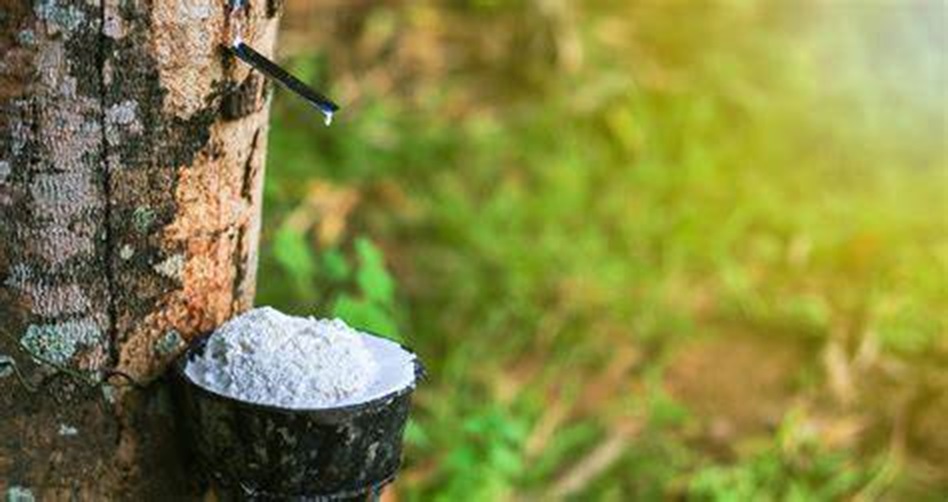
Latex is a natural polymer obtained from the sap of rubber trees, primarily Hevea brasiliensis. Here are some key details about latex:
General Information
-
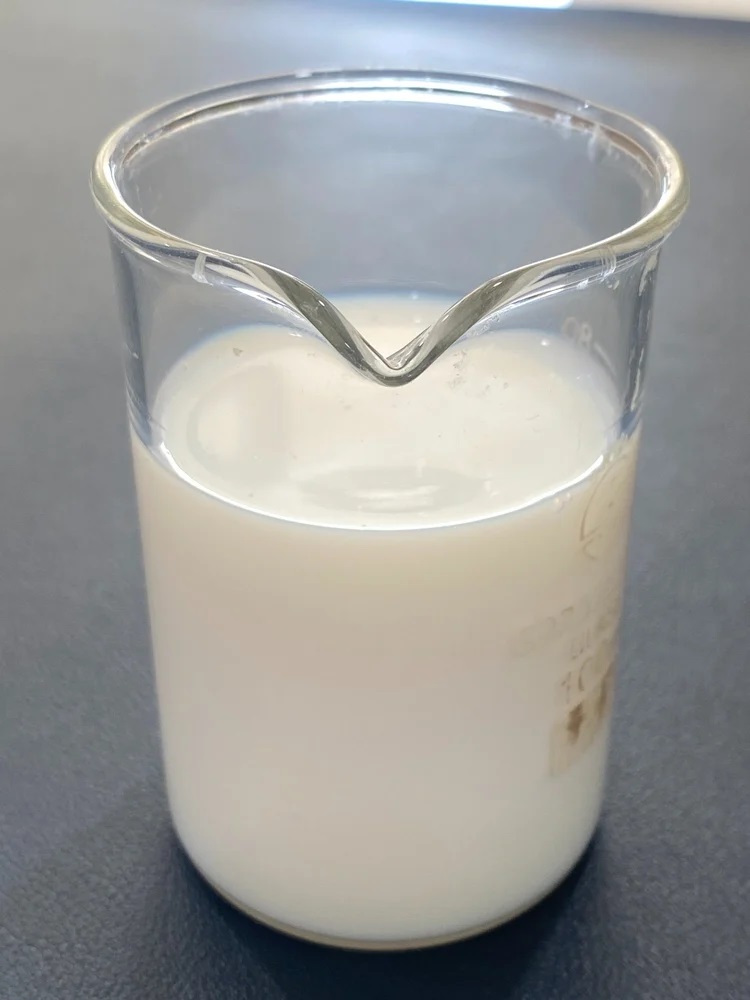
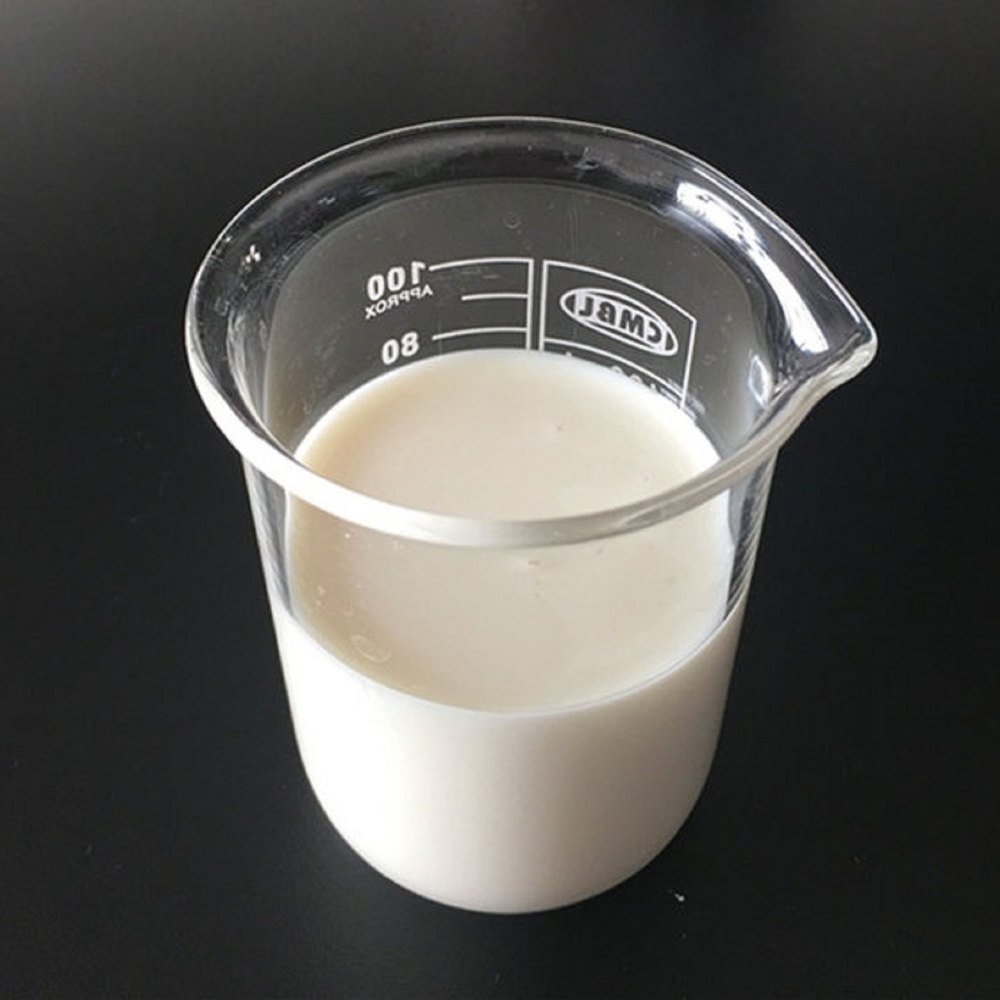
Description: Latex is a milky fluid that contains rubber particles dispersed in water. It is harvested by tapping the rubber tree and collecting the sap.
-
CAS Number: 9006-04-6.
Physical and Chemical Properties
-
Appearance: Milky white liquid.
-
Density: Approximately 0.92 g/cm³.
-
Solubility: Insoluble in water but can be coagulated by acids.
-
Chemical Formula: (C₅H₈)n.
Other Names
-
Natural Rubber Latex: Emphasizes its natural origin.
-
Hevea Latex: Named after the rubber tree species.
-
Cis-1,4-Polyisoprene: The chemical structure of natural rubber.
Common Names
Latex is commonly referred to as "rubber" or "natural rubber" in everyday language.
Uses
-
Medical: Used in gloves, catheters, and other medical supplies.
-
Industrial: Used in the production of tires, hoses, and gaskets.
-
Consumer Goods: Used in balloons, rubber bands, and footwear.
-
Adhesives: Used in various types of adhesives and sealants.
These details provide a comprehensive overview of latex and its significance in various industries.
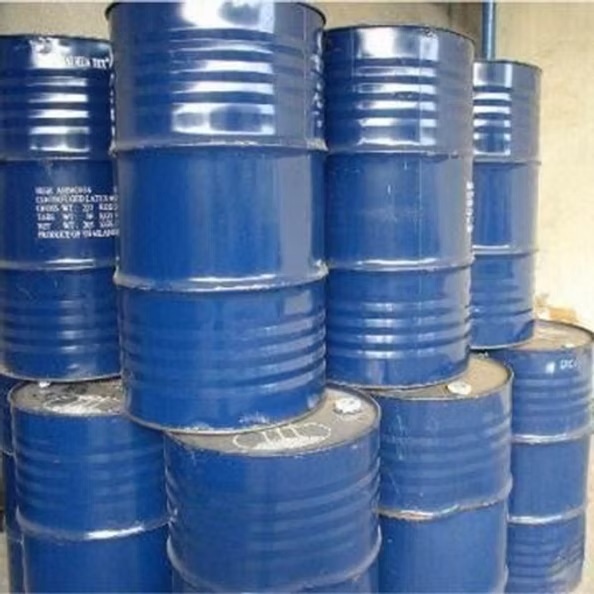
High Ammonia Latex (HA Latex) is a natural rubber latex concentrate that is preserved with a high amount of ammonia. Here are some key details about it:
General Information
-
Description: HA Latex is obtained by centrifugation and preserved with a high amount of ammonia. It contains 60% Dry Rubber Content (DRC).
-
CAS Number: Not specifically assigned, but it falls under the general CAS number for natural rubber latex, which is 9006-04-6.
Physical and Chemical Properties
-
Appearance: Milky white liquid.
-
Density: Approximately 0.92 g/cm³.
-
Total Solids Content: Minimum 61.5%.
-
Dry Rubber Content: Minimum 60.0%.
-
Non-rubber Solids: Maximum 2%.
-
Ammonia Content: Minimum 0.6%.
-
Mechanical Stability: Minimum 650 seconds.
-
Coagulum Content: Maximum 0.03%.
-
Copper and Manganese Content: Maximum 8 ppm each.
-
Sludge Content: Maximum 0.1%.
Other Names
-
Standard Ammonia Latex (SA Latex)
-
Full Ammonia Latex (FA Latex)
-
Latex HA
-
Yüksek Amonyaklı Lateks (in Turkish)
Uses
-
Medical Products: Used in the production of medical gloves, finger cots, and other dipped products.
-
Industrial Products: Used in the production of industrial gloves, rubber threads, balloons, and prophylactics (condoms).
-
Adhesives: Used as an adhesive for wood lamination, carpet backing, and binding materials together.
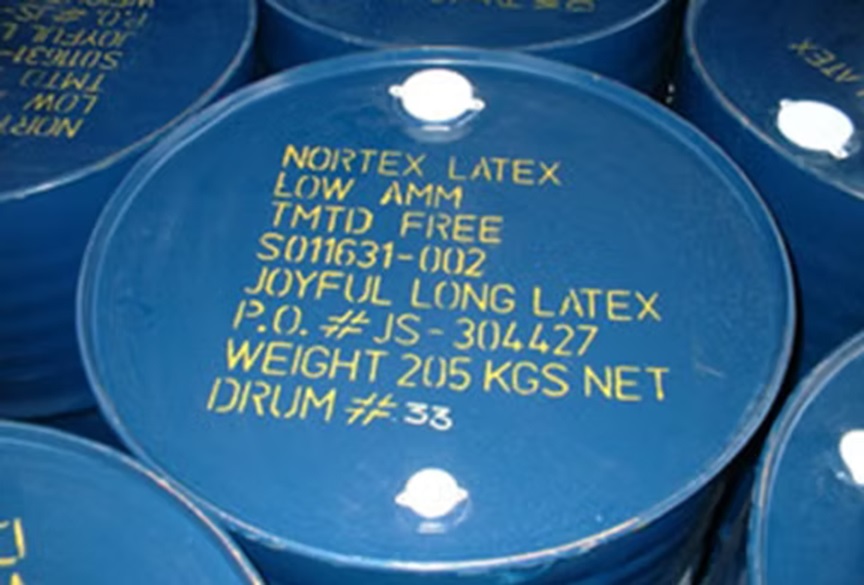
Low Ammonia Latex (LA Latex) is a natural rubber latex concentrate that is preserved with a lower amount of ammonia compared to High Ammonia Latex. Here are some key details about it:
General Information
-
Description: LA Latex is obtained by centrifugation and preserved with a low amount of ammonia and other preservatives. It contains 60% Dry Rubber Content (DRC).
-
CAS Number: Not specifically assigned, but it falls under the general CAS number for natural rubber latex, which is 9006-04-6.
Physical and Chemical Properties
-
Appearance: Milky white liquid.
-
Density: Approximately 0.92 g/cm³.
-
Total Solids Content: Minimum 61.5%.
-
Dry Rubber Content: Minimum 60.0%.
-
Non-rubber Solids: Maximum 2%.
-
Ammonia Content: Maximum 0.29%.
-
Mechanical Stability: Minimum 650 seconds.
-
Coagulum Content: Maximum 0.03%.
-
Copper and Manganese Content: Maximum 8 ppm each.
-
Sludge Content: Maximum 0.1%.
Other Names
-
Standard Ammonia Latex (SA Latex)
-
Full Ammonia Latex (FA Latex)
-
Latex LA
-
Düşük Amonyaklı Lateks (in Turkish)
Uses
-
Medical Products: Used in the production of medical gloves, finger cots, and other dipped products.
-
Industrial Products: Used in the production of industrial gloves, rubber threads, balloons, and prophylactics (condoms).
-
Adhesives: Used as an adhesive for wood lamination, carpet backing, and binding materials together.