We unleash your business potential by maximize the business innovation.
Send EmailCarbon Black, Charcoal Black, Furnace Black, Pigment Black 7, Pigment Black 6, Channel Black, Thermal Black, Acetylene Black, C.I. 77266, 1333-86-4
CARBON BLACK - N SERIES
Carbon Black / Charcoal Black / Furnace Black / Pigment Black 7 / C.I. 77266
CAS Number: 1333-86-4
EC Number: 215-609-9
1. PRODUCT IDENTIFICATION AND CHEMICAL IDENTITY
| Parameter | Description |
|---|---|
| Product Name | Carbon Black |
| Other Names | Furnace Black, Pigment Black 7 (C.I. 77266), Pigment Black 6, Channel Black, Thermal Black, Acetylene Black, Charcoal Black |
| CAS Number | 1333-86-4 |
| EC Number (EINECS) | 215-609-9 |
| Chemical Formula | C (elemental carbon) |
| Chemical Class | Paracrystalline elemental carbon |
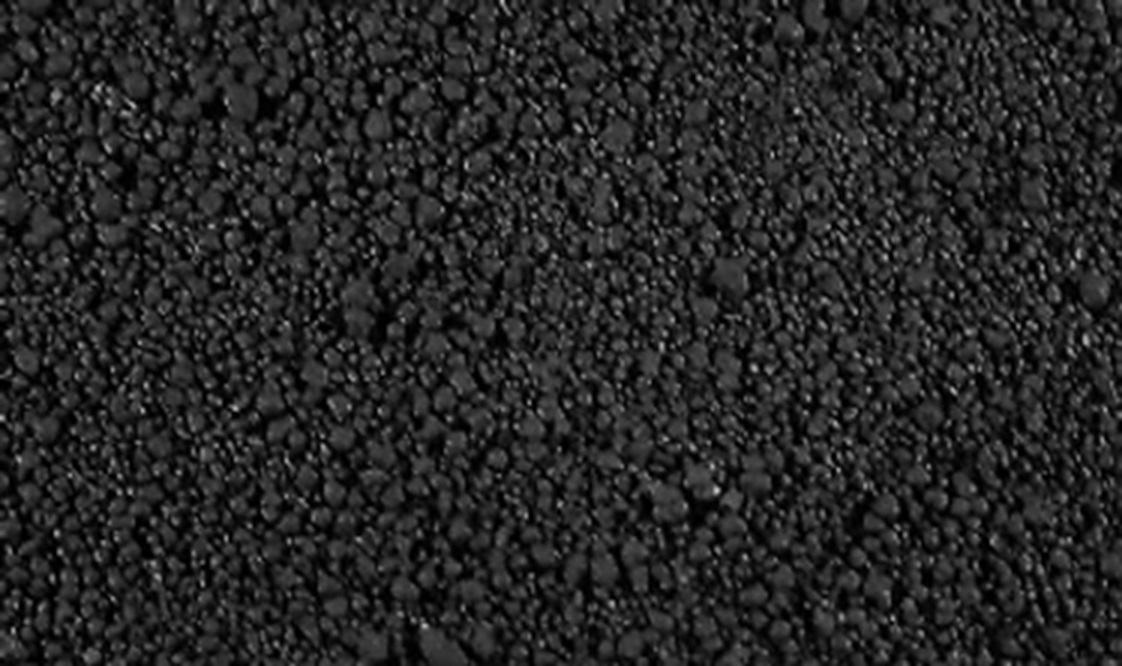
| Appearance | Fine black powder or pellets/granules |
| Odor | Odorless |
| Density | 1.8 - 2.1 g/cm³ |
| Particle Size | 10 - 500 nm (10-100 nm for typical furnace blacks) |
| Surface Area (BET-N₂) | 5 - 150 m²/g (grade dependent) |
Carbon Black is a paracrystalline form of elemental carbon produced by the incomplete combustion or thermal decomposition of hydrocarbons under controlled conditions. It consists of spherical particles of elemental carbon that form aggregates and agglomerates. The ASTM N series classification (N100-N900) is the international standard for carbon black grades used primarily in rubber and plastics industries. The letter 'N' indicates normal curing rate, and the number relates to particle size and structure. Smaller numbers (N100, N200) indicate smaller particle sizes and higher reinforcement, while larger numbers (N500-N900) indicate larger particles and lower reinforcement. Carbon Black is widely used as a reinforcing filler in rubber, as a pigment in plastics and inks, as a UV stabilizer, and as a conductivity enhancer. Approximately 90% of global production is consumed by the rubber industry, primarily for tire manufacturing.
2. N SERIES CLASSIFICATION AND APPLICATION TABLE
| Grade | Surface Area (BET m²/g) | Structure (DBP cc/100g) | Particle Size (nm) | Key Properties | Typical Applications |
|---|---|---|---|---|---|
| N110 | 127 ± 5 | 113 ± 5 | ~20 | Maximum reinforcement, very high abrasion resistance | Off-road tire tread, high-performance rubber |
| N120 | ~120-130 | ~110-120 | ~20 | High blackness, excellent UV resistance | Inks, coatings, plastic pigment applications |
| N220 | 114-124 | 109-119 | ~25 | Balanced reinforcement, good tensile strength, medium processability | Truck/passenger tire tread, mechanical rubber goods |
| N234 | ~120-130 | ~110-125 | ~20 | Ultimate abrasion resistance, low hysteresis | High-speed vehicle tires, premium rubber |
| N326 | ~80-85 | ~70-75 | ~28 | Balanced reinforcement and durability | Tires, hoses, conveyor belts |
| N330 | 70-80 | 100-110 | ~25-30 | Balanced abrasion resistance and flexibility, good dispersion | General tire tread, conveyor belts, molded rubber goods |
| N339 | ~90-95 | ~115-125 | ~25 | High abrasion resistance and conductivity | Automotive tires, industrial rubber |
| N351 | ~60-65 | ~115-125 | ~30-35 | High hardness, low hysteresis | Gaskets, hoses, sealing elements |
| N550 | 38-45 | 118-125 | ~30-40 | Good dispersion, moderate reinforcement, low shrinkage | Inner liner, hoses, cable insulation |
| N650 | ~35-40 | ~120-130 | ~35-45 | Durability and reinforcement balance | Industrial rubber, gaskets, seals |
| N660 | 30-40 | 85-95 | ~35-45 | Easy processability, high elasticity | Profiles, pipes, shoe soles, insulation |
| N772 | 28-32 | 60-70 | ~40-50 | High flexibility, good dynamic performance | Seals, belts, extruded rubber profiles |
| N990 | ~9.5 (ultra-low) | ~40-45 | ~200-500 | Very high electrical resistance, low reinforcement | Low voltage cable insulation (Thermal Black) |
| LH30 | ~30-35 | ~110-120 | ~30 | Low rolling resistance | Ultra-high performance premium tire tread |
3. TECHNICAL SPECIFICATIONS
Typical Specifications for N Series Grades:
| Parameter | N110 | N220 | N330 | N550 | N660 | N772 | N990 |
|---|---|---|---|---|---|---|---|
| Iodine Number (mg/g) | ~145 | ~120 | ~82 | ~43 | ~36 | ~28 | ~10 |
| DBP Absorption (cc/100g) | 113 ± 5 | 109-119 | 100-110 | 118-125 | 85-95 | 60-70 | ~40-45 |
| NSA (m²/g) | 127 ± 5 | 114-124 | 70-80 | 38-45 | 30-40 | 28-32 | ~9.5 |
| STSA (m²/g) | ~120 | ~105 | ~70 | ~38 | ~32 | ~30 | ~9 |
| Tint Strength | High | High | Medium | Low | Very Low | Very Low | Very Low |
| Volatile Matter (%) | ≤1.5 | ≤2.5 | ≤2.0 | ≤1.0 | ≤1.5 | ≤1.0 | ≤0.5 |
| Ash Content (%) | ≤0.75 | ≤0.5 | ≤0.5 | ≤0.45 | ≤0.5 | ≤0.45 | ≤0.3 |
| Moisture (%) | ≤0.5 | ≤0.5 | ≤0.5 | ≤0.5 | ≤0.5 | ≤0.5 | ≤0.5 |
| pH | 8-10 | 8-10 | 8-10 | 8-10 | 8-10 | 8-10 | 8-10 |
| Particle Size (nm) | ~20 | ~25 | ~25-30 | ~30-40 | ~35-45 | ~40-50 | ~200-500 |
4. PHYSICAL AND CHEMICAL PROPERTIES
| Property | Value |
|---|---|
| Appearance | Fine black powder or pellets/granules |
| Odor | Odorless |
| Density | 1.8 - 2.1 g/cm³ |
| Bulk Density | 0.1 - 0.5 g/cm³ (grade and form dependent) |
| Particle Size | 10 - 500 nm |
| Surface Area (BET) | 5 - 150 m²/g |
| DBP Absorption | 30 - 130 mL/100g |
| Iodine Number | 10 - 145 mg/g |
| Melting Point | ~3550°C (sublimes) |
| Autoignition Temperature | >140°C (dust cloud) |
| Water Solubility | Insoluble |
| Chemical Stability | Inert under normal conditions |
| Electrical Resistivity | Varies by grade (conductive to insulating) |
| pH | 8-10 (aqueous suspension) |
5. EFFECT OF CARBON BLACK ON RUBBER PERFORMANCE
| Increasing Property | Tensile Strength | Abrasion Resistance | Tear Resistance | Rebound Resilience | Conductivity | Viscosity | Dispersibility |
|---|---|---|---|---|---|---|---|
| Decreasing Particle Size (Increasing Surface Area) | Increases | Increases | Increases | Variable | Decreases | Increases | Becomes Harder |
| Increasing Structure (DBP) | Slight Increase | Variable | Increases | Decreases | Increases | Increases | Becomes Easier |
| Increasing Surface Activity | Increases | Increases | Increases | Increases | — | Increases | Variable |
6. APPLICATION GUIDE BY INDUSTRY
6.1. Tire Industry
| Application Area | Recommended Grade | Technical Justification |
|---|---|---|
| High-Speed Tire Tread | N234 | Highest abrasion resistance, low hysteresis, maximum reinforcement |
| Truck/Passenger Tread | N220 | Balanced abrasion resistance, good tensile strength, medium processability |
| General Tread Compound | N330 | Moderate reinforcement, good dispersion, viscosity balance |
| Sidewall and Inner Surface | N550 / N660 | Low reinforcement, high elasticity, easy processability |
| Vibration Dampers | N772 | Low structure, high flexibility, dynamic performance |
6.2. Cable Industry
| Application Area | Recommended Grade | Technical Justification |
|---|---|---|
| Cable Insulation | N550 | Moderate reinforcement, good dispersion, low shrinkage |
| Outer Sheath | N660 | High elasticity, easy processability, low ash content |
| Vibration Dampers | N772 | Low reinforcement, high flexibility, ideal for inner layers |
| Low Voltage Insulation | N990 | Thermal black - high volume resistivity, low surface area |
6.3. Plastics and Polymer Applications
| Plastic Type | Recommended Grade | Technical Justification |
|---|---|---|
| PMMA (Acrylic) | N330 / N660 | UV protection, dispersion advantage, low hysteresis |
| PVC | N550 / N660 / N772 | Low ash, high dispersion, suitable for inner surface applications |
| PET | N234 / N330 | Deep black, UV resistance, outdoor durability |
| PA (Polyamide) | N220 / N330 | High reinforcement, thermal stability, ideal for mechanical parts |
| PE / PP | N550 / N660 / N990 | UV stabilization, low ash, suitable for food packaging and cable insulation |
6.4. Pigment, Ink and Coating
| Application Area | Recommended Grade | Technical Justification |
|---|---|---|
| Deep Black Pigment | N120 / N330 | High blackness, low structure, UV resistance |
| Coatings and Inks | N120 / N772 | High jetness, low ash, easy dispersion |
| Antistatic/EMI Applications | Conductive blacks (e.g., Ketjenblack, Vulcan XC-72) | Special conductive carbon blacks outside N series |
7. SELECTION GUIDELINES
-
Small Particle Size (N110, N220): High reinforcement, difficult dispersion
-
Large Particle Size (N550, N660): Easy processability, low reinforcement
-
High Structure: Better dispersion, less hardness
-
Low Structure: High blackness and UV resistance (especially for inks and coatings)
8. PACKAGING AND SHIPPING
| Packaging Option | Details |
|---|---|
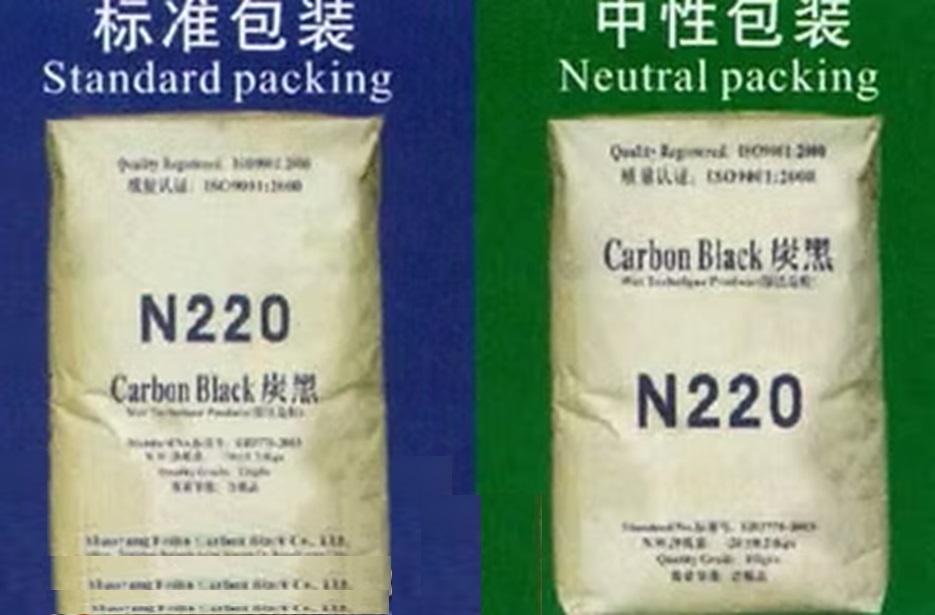
| Bags | 20-25 kg kraft paper bags (lined) |
| FIBC | 500-1000 kg big bags |
| Bulk | Bulk silo tankers |
| Pellet Form | Low dust, easier handling, preferred for storage and transport |
| Powder Form | High dust, requires dust control measures |
9. STORAGE AND HANDLING
| Parameter | Information |
|---|---|
| Storage Conditions | Cool, dry, well-ventilated area; away from ignition sources |
| Humidity | Protect from moisture (slightly hygroscopic) |
| Shelf Life | 12-36 months under proper storage |
| Dust Explosion | Can form explosive dust-air mixtures; use explosion-proof equipment |
| Static Charge | Can generate static charge; use grounding |
| Handling | Avoid dust generation; use local exhaust ventilation |
10. SAFETY AND HEALTH INFORMATION
| Parameter | Information |
|---|---|
| IARC Classification | Group 2B (possibly carcinogenic to humans - dust inhalation only) |
| Toxicity | Non-toxic |
| Skin Irritation | Non-irritant |
| Eye Irritation | Mechanical irritant (dust) |
| Inhalation | May cause respiratory irritation (dust) |
| Flammability | Combustible dust |
| Fire Extinguishing Media | Water spray, foam, CO₂, dry chemical powder |
| Special Hazards | Burning produces toxic fumes (CO, CO₂) |
11. FIRST AID MEASURES
| Exposure Route | Action |
|---|---|
| Inhalation | Move person to fresh air. If irritation persists, seek medical attention. |
| Skin Contact | Wash with soap and water. Remove contaminated clothing. |
| Eye Contact | Rinse with plenty of water for at least 15 minutes. Seek medical attention if irritation persists. |
| Ingestion | Rinse mouth. Do NOT induce vomiting. Seek medical attention if large amounts are swallowed. |
12. REGULATORY INFORMATION
| Region | Status |
|---|---|
| EU | REACH registered |
| Turkey (KKDİK) | Mandatory compliance; requires registration |
| USA (TSCA) | Listed |
| Canada (DSL) | Listed |
| Australia (AICS) | Listed |
| Japan (ENCS) | Listed |
| Korea (KECL) | Listed |
| China (IECSC) | Listed |
Regulatory Status:
| Status | Information |
|---|---|
| FDA Compliance | Approved for food contact materials (21 CFR 178.3297) |
| EU Compliance | REACH registered |
| IARC Classification | Group 2B (possibly carcinogenic - dust inhalation only) |
| HS Code | 28030000 |
| EINECS | 215-609-9 |
13. OTHER NAMES AND DATABASE IDENTIFIERS
| Category | Names / Identifiers |
|---|---|
| Product Names | Carbon Black, Furnace Black, Charcoal Black |
| Pigment Names | C.I. Pigment Black 7, C.I. Pigment Black 6, C.I. 77266 |
| Trade Names | Vulcan®, Printex®, Corax®, Black Pearls®, Sterling®, Regal®, Raven®, Monarch® |
| Process Types | Furnace Black, Thermal Black, Acetylene Black, Channel Black, Lamp Black |
Database Identifiers:
| Database | Identifier |
|---|---|
| CAS | 1333-86-4 |
| EC (EINECS) | 215-609-9 |
| HS Code | 28030000 |
| MDL | MFCD00133992 |
| RTECS | FF5800000 |
14. PRODUCTION METHODS
| Method | Raw Materials | Process Description | Grades |
|---|---|---|---|
| Furnace Black | Heavy petroleum oils, coal tar, ethylene tar | Most common method. Raw material is partially combusted in high-temperature reactor and quenched. Particle size and structure controlled by process parameters. | N100-N700 series (>95% of global production) |
| Thermal Black | Natural gas | Gas undergoes thermal decomposition between two refractory furnaces. Largest particle size grade. | N800-N900 series |
| Acetylene Black | Acetylene gas (C₂H₂) | Exothermic decomposition of acetylene. High structure and high conductivity. | Conductive applications, batteries |
| Channel Black | Natural gas | Flame impingement on cold channel irons. Highly oxidized surface. | Inks, paints (limited production) |
15. COMPARISON OF N SERIES GRADES
| Property | N110 | N234 | N330 | N550 | N660 | N772 | N990 |
|---|---|---|---|---|---|---|---|
| Reinforcement | Very High | Very High | Medium | Low | Very Low | Very Low | Ultra Low |
| Abrasion Resistance | Very High | Very High | Medium | Medium | Low | Low | Very Low |
| Processability | Difficult | Difficult | Good | Excellent | Excellent | Excellent | Excellent |
| Dispersibility | Difficult | Difficult | Good | Good | Very Good | Very Good | Excellent |
| Conductivity | Good | Good | Medium | Medium | Low | Low | Very Low |
| Color Depth | Good | Good | Good | Medium | Low | Low | Very Low |
| Cost | High | High | Medium | Medium | Low | Low | High |
| Primary Use | Tire treads | Premium tires | General purpose | Hoses, cables | Profiles, pipes | Seals, belts | Cable insulation |
16. INDUSTRY SUITABILITY TABLE
| Industry | Applications | Recommended Grades | Suitability |
|---|---|---|---|
| Rubber Industry | Tire treads, sidewalls, inner liners | N110, N220, N234, N330, N550, N660 | High |
| Plastics | Pipes, cable insulation, films, automotive parts | N330, N550, N660, N772, N990 | High |
| Paints and Coatings | Automotive paints, industrial coatings | N120, N330 | High |
| Inks and Toners | Printing inks, laser toners | N120 | High |
| Batteries and Energy | Lead-acid batteries, lithium-ion batteries | Acetylene Black, Conductive grades | High |
17. COMPARISON OF CARBON BLACK FORMS
| Form | Particle Size | Dust Generation | Typical Use |
|---|---|---|---|
| Powder | 10-100 nm | High | Liquid mixtures, masterbatch, special applications |
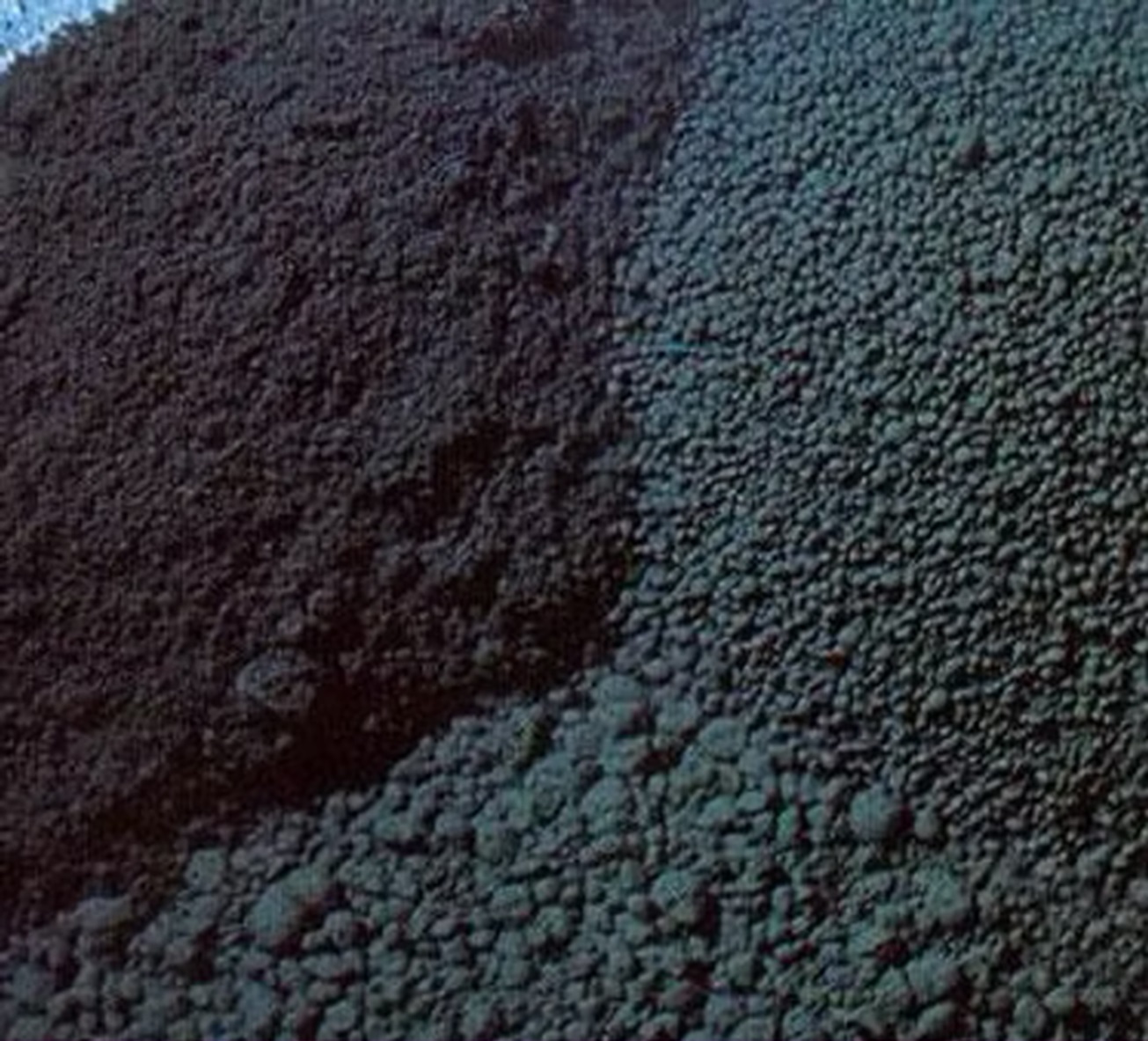
| Pellets/Granules | 0.5-3 mm | Low/Very Low | Industrial rubber and plastic processing, safe storage |
18. PHYSICAL PROPERTIES TABLE
| Grade | Particle Size (nm) | Surface Area (m²/g) | DBP (cc/100g) | Density (g/cm³) |
|---|---|---|---|---|
| N110 | ~20 | 127 | 113 | 1.8-2.1 |
| N220 | ~25 | 114-124 | 109-119 | 1.8-2.1 |
| N234 | ~20 | ~120-130 | ~110-125 | 1.8-2.1 |
| N330 | ~25-30 | 70-80 | 100-110 | 1.8-2.1 |
| N550 | ~30-40 | 38-45 | 118-125 | 1.8-2.1 |
| N660 | ~35-45 | 30-40 | 85-95 | 1.8-2.1 |
| N772 | ~40-50 | 28-32 | 60-70 | 1.8-2.1 |
| N990 | ~200-500 | ~9.5 | ~40-45 | 1.8-2.1 |
19. ADVANTAGES AND LIMITATIONS
| Advantages | Limitations |
|---|---|
| Excellent reinforcement | Dust explosion hazard |
| Good abrasion resistance | IARC Group 2B (dust inhalation) |
| UV protection | Slightly hygroscopic |
| Conductivity control | Can be difficult to disperse |
| Cost-effective | Static charge accumulation |
| Wide range of grades |
20. SUMMARY AND CRITICAL WARNINGS
SUMMARY:
Carbon Black N Series (CAS 1333-86-4) is a paracrystalline form of elemental carbon produced by the incomplete combustion of hydrocarbons. The ASTM N series classification (N100-N900) is the international standard with grades ranging from N110 (smallest particle size, highest reinforcement) to N990 (largest particle size, lowest reinforcement). Key properties include particle size (10-500 nm), surface area (5-150 m²/g), and DBP absorption (30-130 cc/100g). Grades are selected based on application requirements: N110, N220, N234 for high reinforcement; N330 for general-purpose; N550, N660 for easy processing; N772 for flexibility; and N990 for high electrical resistance. Carbon Black is used in tires, industrial rubber products, plastics, inks, coatings, and batteries. IARC Group 2B. It is combustible, slightly hygroscopic, and stored in cool, dry conditions. HS Code: 28030000.
Key Properties:
| Property | Value |
|---|---|
| Appearance | Fine black powder or pellets/granules |
| CAS Number | 1333-86-4 |
| Density | 1.8 - 2.1 g/cm³ |
| Particle Size | 10 - 500 nm |
| Surface Area | 5 - 150 m²/g |
| Primary Use | Rubber reinforcement, pigment, UV stabilizer |
Major Application Areas:
| Industry | Applications |
|---|---|
| Rubber | Tires, conveyor belts, hoses, seals |
| Plastics | Pipes, cable insulation, films |
| Paints and Coatings | Pigment, UV protection |
| Inks and Toners | Pigment |
| Batteries | Conductive additives |
Key Safety Points:
-
IARC GROUP 2B: Possibly carcinogenic to humans (dust inhalation only)
-
DUST EXPLOSION: Combustible dust; avoid dust cloud formation
-
COMBUSTIBLE: Can burn; keep away from ignition sources
-
STORAGE: Store in cool, dry, well-ventilated area; protect from moisture
-
PPE RECOMMENDED: Dust mask, safety goggles, protective gloves (for handling)
-
PELLET FORM PREFERRED: Use pellet form to minimize dust risks
CRITICAL WARNINGS:
-
Carbon Black is classified by IARC as Group 2B (possibly carcinogenic to humans) based on animal studies involving high-dose, long-term dust inhalation. The pellet (granule) form largely eliminates this risk by minimizing dust generation.
-
Carbon Black dust can form explosive mixtures with air. Explosion-proof equipment, proper grounding, and dust collection systems should be used.
-
Carbon Black is slightly hygroscopic and can absorb moisture from the air, causing caking. Store in tightly closed containers in a cool, dry place.
-
Select the correct N series grade based on application requirements: N110/N234 for high performance, N330 for general-purpose, N550/N660 for easy processing, N772 for flexibility, and N990 for high electrical resistance.
-
Carbon Black is used in approximately 90% of tire production as a reinforcing filler.
-
The pellet form is preferred for storage and transport as it reduces dust generation and handling hazards.
Important Disclaimer: This Technical Data Sheet (TDS) is for informational purposes only. The information provided is based on available data and is believed to be accurate. However, the user is solely responsible for determining the suitability of the product for their specific application and for complying with all applicable regulations and safety requirements. For complete safety, handling, storage, and regulatory compliance information, always refer to the official Safety Data Sheet (SDS/MSDS) provided by the manufacturer/supplier.