We unleash your business potential by maximize the business innovation.
Send EmailIsoprene Synthetic Rubber, Synthetic Isoprene Rubber, Polyisoprene, SKI, SKI-3, SKI-3S, 9003-31-0
SYNTHETIC ISOPRENE RUBBER (SKI)
Synthetic Isoprene Rubber / Isoprene Synthetic Rubber / SKI / SKI-3 / SKI-3S / Polyisoprene / Cis-1,4-Polyisoprene
CAS Number: 9003-31-0
EINECS: 618-371-6
1. PRODUCT IDENTIFICATION AND CHEMICAL IDENTITY
| Parameter | Description |
|---|---|
| Product Name | Synthetic Isoprene Rubber (SKI) |
| Other Names | SKI-3, SKI-3S, Polyisoprene, Cis-1,4-Polyisoprene, Synthetic Polyisoprene Rubber (IR) |
| CAS Number | 9003-31-0 |
| EINECS | 618-371-6 |
| Molecular Formula | (C₅H₈)ₓ |
| Molecular Weight | Variable (depends on degree of polymerization) |
| Chemical Class | Synthetic rubber (homopolymer of isoprene) |
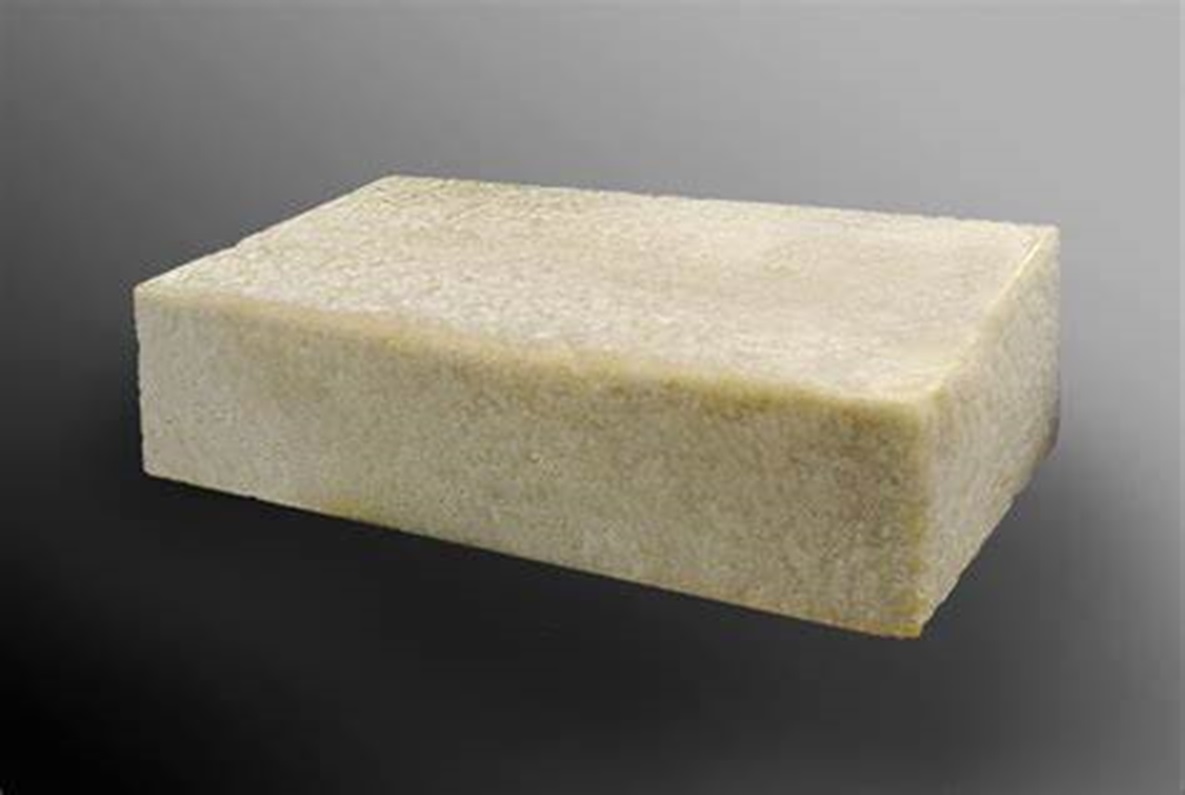
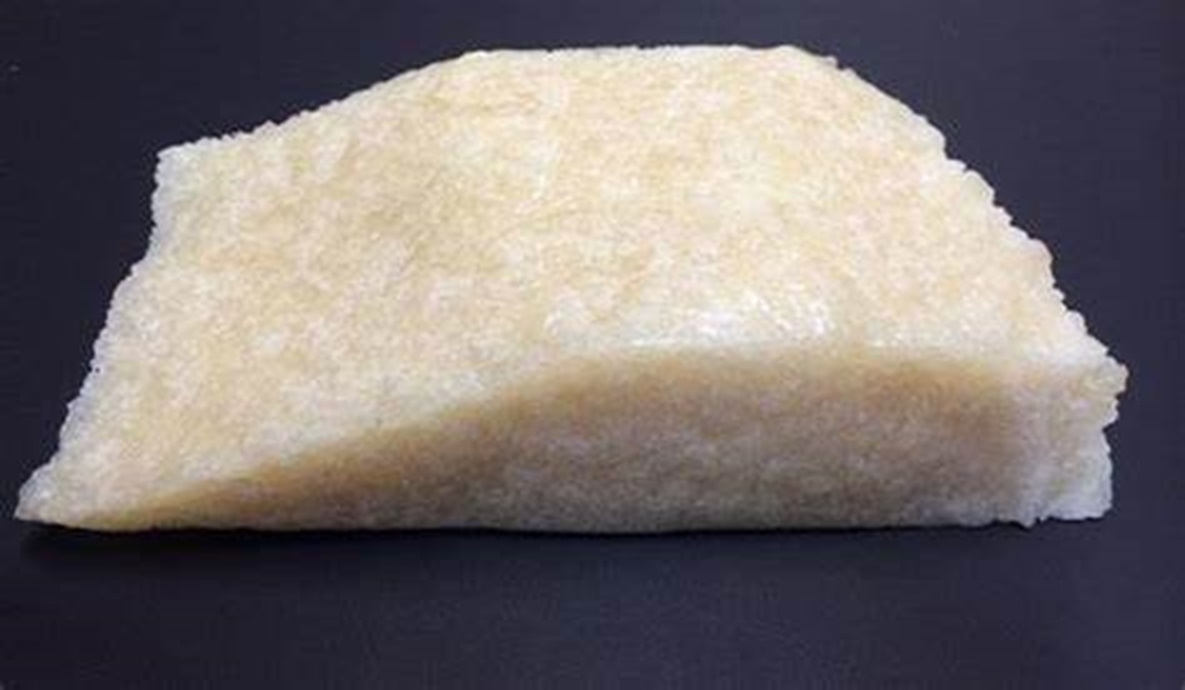
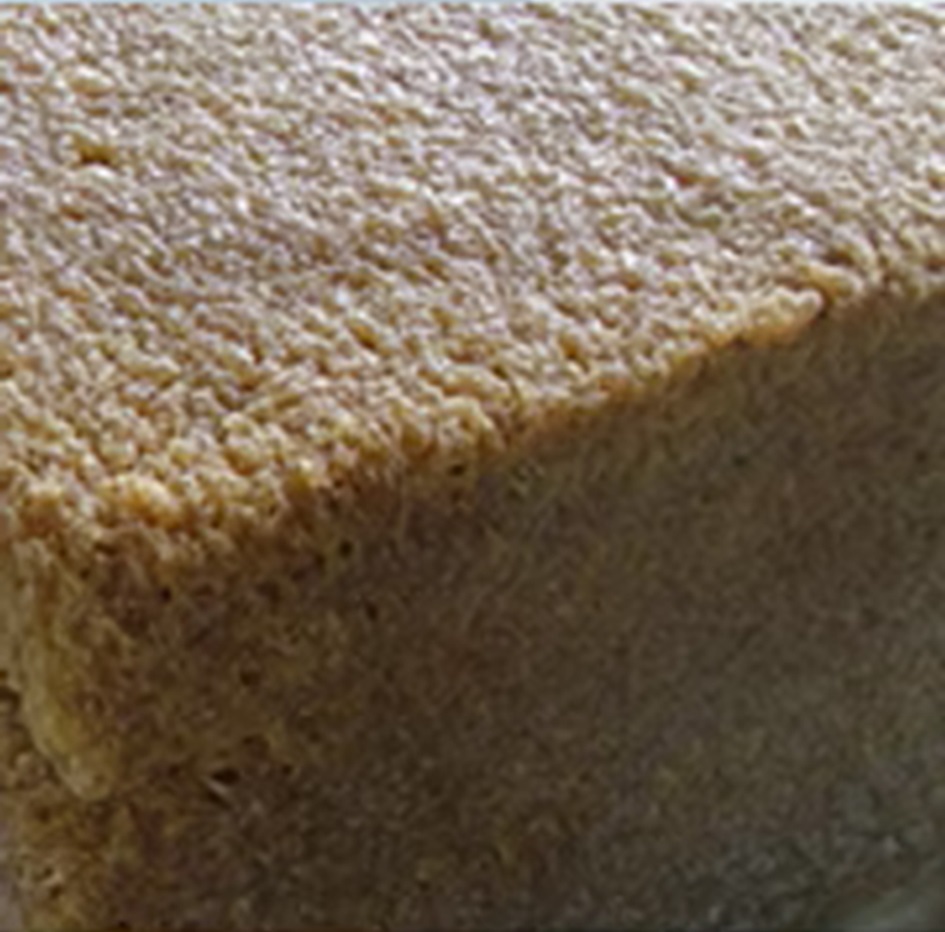
| Appearance | White to pale yellow solid (bales) |
| Odor | Characteristic rubber odor |
| Density | 0.91 - 0.93 g/cm³ |
| Glass Transition Temperature (Tg) | -70°C to -65°C |
| Service Temperature Range | -60°C to +100°C |
Synthetic Isoprene Rubber (SKI) is a synthetic rubber produced by the polymerization of isoprene monomers. It is chemically identical to natural rubber (cis-1,4-polyisoprene) and is often referred to as "synthetic natural rubber." SKI is produced primarily by solution polymerization using titanium-based stereospecific catalysts, resulting in a high cis-1,4 content (typically 92-98%). The most common grades are SKI-3 and SKI-3S, which are widely used as substitutes for natural rubber in various applications. SKI exhibits excellent elasticity, resilience, abrasion resistance, and mechanical properties that are very similar to natural rubber. It is used in tire manufacturing, industrial rubber products, footwear, and various consumer goods, particularly when natural rubber supply is limited or when specific consistency is required.
2. GRADES AND CLASSIFICATION
| Grade | Description | Cis Content | Mooney Viscosity | Applications |
|---|---|---|---|---|
| SKI-3 | Standard synthetic isoprene rubber | 92-96% | 70-85 MU | General-purpose applications, tire components, mechanical goods |
| SKI-3S | Synthetic isoprene rubber with improved properties | 96-98% | 70-85 MU | High-performance applications, premium tires, technical goods |
| SKI-5 | Higher viscosity grade | 92-96% | 85-100 MU | Applications requiring higher green strength |
| SKI-5S | High viscosity with improved properties | 96-98% | 85-100 MU | Heavy-duty applications, industrial products |
3. TECHNICAL SPECIFICATIONS
Typical Properties of SKI-3 and SKI-3S:
| Parameter | SKI-3 | SKI-3S |
|---|---|---|
| Cis-1,4 Content | 92-96% | 96-98% |
| Mooney Viscosity (ML 1+4, 100°C) | 70-85 MU | 70-85 MU |
| Density (g/cm³) | 0.91 - 0.93 | 0.91 - 0.93 |
| Glass Transition Temperature (Tg) | -70°C to -65°C | -70°C to -65°C |
| Service Temperature Range | -60°C to +100°C | -60°C to +100°C |
| Tensile Strength (vulcanized) | 20-25 MPa | 22-28 MPa |
| Elongation at Break (vulcanized) | 500-700% | 550-750% |
| Abrasion Resistance | Good | Good |
| Resilience | Excellent | Excellent |
| Tear Strength | Excellent | Excellent |
| Electrical Insulation | Good | Good |
4. PHYSICAL AND CHEMICAL PROPERTIES
| Property | Value |
|---|---|
| Density | 0.91 - 0.93 g/cm³ |
| Glass Transition Temperature (Tg) | -70°C to -65°C |
| Service Temperature Range | -60°C to +100°C |
| Tensile Strength (vulcanized) | 20-25 MPa |
| Elongation at Break (vulcanized) | 500-700% |
| Abrasion Resistance | Good |
| Resilience | Excellent |
| Tear Strength | Excellent |
| Flexibility | Excellent |
| Weather Resistance | Fair |
| Ozone Resistance | Poor |
| Oil Resistance | Poor |
| Water Resistance | Good |
| Acid Resistance | Good |
| Alkali Resistance | Good |
| Electrical Insulation | Good |
5. ADVANTAGES OF SKI
| Advantage | Description |
|---|---|
| Excellent Elasticity | Very similar to natural rubber |
| High Resilience | Excellent rebound properties |
| Good Tensile Strength | Comparable to natural rubber |
| Excellent Tear Strength | Good resistance to tearing |
| Good Abrasion Resistance | Suitable for tire applications |
| Consistent Quality | Synthetic production ensures consistent properties |
| Good Low-Temperature Performance | Maintains flexibility down to -60°C |
| Good Water Resistance | Resistant to water and aqueous solutions |
| Good Acid and Alkali Resistance | Resistant to many acids and bases |
6. LIMITATIONS
| Limitation | Description |
|---|---|
| Poor Oil Resistance | Not resistant to oils and fuels |
| Poor Ozone Resistance | Requires antioxidants/antiozonants for outdoor use |
| Poor Weather Resistance | Degrades under UV and atmospheric conditions |
| Higher Cost | More expensive than natural rubber (NR) |
| Lower Green Strength | Lower than natural rubber in uncured state |
| Limited Availability | Less widely available than natural rubber |
7. APPLICATIONS AND INDUSTRIAL USES
7.1. Tire Industry
| Application | Description |
|---|---|
| Passenger Car Tires | Tread and sidewall components |
| Motorcycle Tires | Tire compounds |
| Bicycle Tires | Tire compounds |
| Retread Materials | Retreading applications |
| Off-Road Tires | Mining and construction tire components |
SKI is used extensively in tire manufacturing, particularly when consistent quality is required or when natural rubber supply is limited. SKI-3S is preferred for premium tire applications due to its higher cis content (96-98%) and superior properties.
7.2. Industrial Rubber Products
| Application | Description |
|---|---|
| Hoses | Industrial and automotive hoses |
| Tubes | Rubber tubes and tubing |
| Gaskets | Industrial gaskets |
| Rollers | Roller coverings |
| Conveyor Belts | Conveyor belt components |
| Vibration Dampers | Vibration and noise insulation |
7.3. Footwear
| Application | Description |
|---|---|
| Shoe Soles | Work and outdoor footwear soles |
| Athletic Footwear | Sports shoe soles |
| Rubber Boots | Industrial and outdoor boots |
7.4. Consumer Products
| Application | Description |
|---|---|
| Rubber Bands | Elastic bands |
| Toys | Rubber toys |
| Sports Equipment | Various sports equipment |
| Medical Products | Medical tubing and components |
7.5. Technical Products
| Application | Description |
|---|---|
| Seals | Industrial and automotive seals |
| Diaphragms | Pump diaphragms |
| Engine Mounts | Automotive engine mounts |
| Gaskets | High-performance gaskets |
8. COMPARISON WITH NATURAL RUBBER
| Property | SKI (Synthetic Isoprene) | Natural Rubber (NR) |
|---|---|---|
| Source | Synthetic | Natural (Hevea tree) |
| Cis-1,4 Content | 92-98% | 98-100% |
| Tensile Strength | 20-25 MPa | 20-30 MPa |
| Tear Strength | Excellent | Excellent |
| Resilience | Excellent | Excellent |
| Green Strength | Lower | Higher |
| Consistency | Excellent (synthetic) | Variable (natural) |
| Aging Resistance | Similar | Similar |
| Ozone Resistance | Poor | Poor |
| Oil Resistance | Poor | Poor |
| Cost | Higher | Lower |
| Availability | Limited | Wide |
9. NATURAL RUBBER VS. SKI-3 PERFORMANCE
| Property | SKI-3 | Natural Rubber (NR) |
|---|---|---|
| Tensile Strength (vulcanized) | 20-25 MPa | 20-30 MPa |
| Elongation at Break | 500-700% | 500-700% |
| Tear Strength | Comparable | Slightly better |
| Resilience | Comparable | Slightly better |
| Green Strength | Lower | Higher |
| Processability | Good | Excellent |
| Heat Build-up | Comparable | Lower |
| Consistency | Excellent | Variable |
10. PACKAGING AND SHIPPING
| Packaging Option | Details |
|---|---|
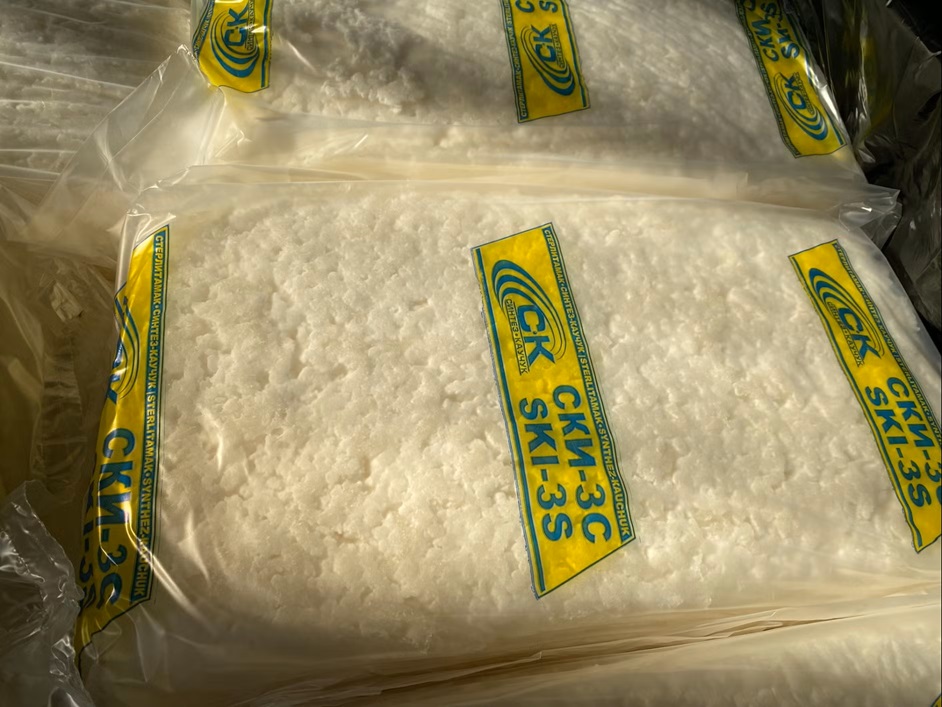
| Bale Weight | 33.33 kg or 35 kg |
| Bale Dimensions | ~70 cm x 35 cm x 18 cm |
| Pallet Configuration | 36 bales/pallet = 1.26 MT |
| Pallet Type | Wooden pallet, shrink-wrapped |
| Container Capacity (20-ft) | 16 pallets = 20.16 MT |
| Container Type | Standard 20-ft container |
11. STORAGE AND HANDLING
| Parameter | Information |
|---|---|
| Storage Conditions | Cool, dry, well-ventilated area; away from direct sunlight |
| Recommended Temperature | Below 25°C |
| Humidity | Avoid high humidity to prevent mold growth |
| Shelf Life | 12-24 months under proper storage conditions |
| Handling | Avoid contamination with oils, solvents, and dirt |
| Protection | Keep bales covered and protected from moisture and dust |
| Stacking | Maximum 4-5 pallets high for stable storage |
12. SAFETY AND HEALTH INFORMATION
| Parameter | Information |
|---|---|
| Toxicity | Non-toxic |
| Skin Irritation | Non-irritant |
| Eye Irritation | Mild irritant (dust) |
| Inhalation | May cause respiratory irritation (dust) |
| Flammability | Combustible (can burn) |
| Fire Extinguishing Media | Water spray, foam, CO₂, dry chemical powder |
| Special Hazards | Burning produces toxic fumes (CO, CO₂) |
13. FIRST AID MEASURES
| Exposure Route | Action |
|---|---|
| Inhalation | Move person to fresh air. If irritation persists, seek medical attention. |
| Skin Contact | Wash with soap and water. Remove contaminated clothing. |
| Eye Contact | Rinse with plenty of water for at least 15 minutes. Seek medical attention if irritation persists. |
| Ingestion | Rinse mouth. Do NOT induce vomiting. Seek medical attention if large amounts are swallowed. |
14. REGULATORY INFORMATION
| Region | Status |
|---|---|
| EU | REACH registered |
| Turkey (KKDİK) | Mandatory compliance; requires registration |
| USA (TSCA) | Listed |
| Canada (DSL) | Listed |
| Australia (AICS) | Listed |
| Japan (ENCS) | Listed |
| Korea (KECL) | Listed |
| China (IECSC) | Listed |
Regulatory Status:
| Status | Information |
|---|---|
| HS Code | 40026000 |
| CAS Number | 9003-31-0 |
| EINECS | 618-371-6 |
| IARC Classification | Not classified |
| WGK Germany | 1 (slight hazard to water) |
15. OTHER NAMES AND DATABASE IDENTIFIERS
| Category | Names / Identifiers |
|---|---|
| Product Names | Synthetic Isoprene Rubber, Isoprene Rubber, SKI, Polyisoprene |
| Grade Names | SKI-3, SKI-3S, SKI-5, SKI-5S |
| Chemical Names | Cis-1,4-Polyisoprene, Synthetic Polyisoprene Rubber (IR) |
| Common Names | Synthetic Rubber, Artificial Rubber, Synthetic NR |
Database Identifiers:
| Database | Identifier |
|---|---|
| CAS | 9003-31-0 |
| EINECS | 618-371-6 |
| HS Code | 40026000 |
16. PRODUCTION PROCESS
SKI is produced by solution polymerization of isoprene monomers using titanium-based stereospecific catalysts (Ziegler-Natta catalysts). The process results in a polymer with high cis-1,4 content (92-98%), which is chemically similar to natural rubber. The polymerization is carried out in an organic solvent, and the resulting polymer is coagulated, dried, and baled.
Production Steps:
-
Monomer Preparation: Isoprene monomers are purified.
-
Polymerization: Polymerization is initiated using titanium-based catalysts.
-
Control: Molecular weight is controlled by adjusting catalyst concentration and reaction conditions.
-
Termination: The reaction is terminated.
-
Coagulation: The polymer is coagulated.
-
Drying: The rubber is dried and baled.
17. INDUSTRY SUITABILITY TABLE
| Industry | Applications | Recommended Grade | Suitability |
|---|---|---|---|
| Tire Industry | Passenger, motorcycle, bicycle tires | SKI-3, SKI-3S | High |
| Industrial Products | Hoses, tubes, gaskets, rollers | SKI-3 | High |
| Footwear | Shoe soles, boots | SKI-3 | High |
| Consumer Products | Rubber bands, toys, sports equipment | SKI-3 | High |
| Technical Products | Seals, diaphragms, engine mounts | SKI-3, SKI-3S | High |
18. COMPARISON OF SKI GRADES
| Property | SKI-3 | SKI-3S | SKI-5 | SKI-5S |
|---|---|---|---|---|
| Cis-1,4 Content | 92-96% | 96-98% | 92-96% | 96-98% |
| Mooney Viscosity | 70-85 MU | 70-85 MU | 85-100 MU | 85-100 MU |
| Tensile Strength | Good | Superior | Good | Superior |
| Processing | Good | Good | Good | Good |
| Applications | General-purpose | Premium applications | Heavy-duty | High-performance |
19. SKI VS. NATURAL RUBBER: KEY DIFFERENCES
| Aspect | SKI (Synthetic Isoprene) | Natural Rubber (NR) |
|---|---|---|
| Cis Content | 92-98% | 98-100% |
| Green Strength | Lower (needs reinforcement) | Higher (self-reinforcing) |
| Cure Rate | Slightly slower | Faster |
| Consistency | Excellent (batch-to-batch) | Variable (weather-dependent) |
| Availability | Limited (few producers) | Wide (many producers) |
| Price | Higher (premium product) | Lower (commodity product) |
| Processing | Good | Excellent |
20. SUMMARY AND CRITICAL WARNINGS
SUMMARY:
Synthetic Isoprene Rubber (SKI) is a synthetic rubber produced by the polymerization of isoprene monomers using titanium-based catalysts. It is chemically identical to natural rubber (cis-1,4-polyisoprene) and is often used as a substitute when consistent quality is required or when natural rubber supply is limited. The main grades are SKI-3 (standard, 92-96% cis content) and SKI-3S (premium, 96-98% cis content). SKI exhibits excellent elasticity, resilience, tensile strength, and tear strength, comparable to natural rubber. It is used in tire manufacturing, industrial rubber products, footwear, and consumer goods. SKI is non-toxic, combustible, and requires storage in cool, dry conditions. HS Code: 40026000.
Key Properties:
| Property | Value |
|---|---|
| Appearance | White to pale yellow solid (bales) |
| CAS Number | 9003-31-0 |
| Density | 0.91 - 0.93 g/cm³ |
| Glass Transition Temperature | -70°C to -65°C |
| Primary Grades | SKI-3, SKI-3S |
| Primary Use | Tires, industrial products, footwear |
Major Application Areas:
| Industry | Applications |
|---|---|
| Tire Industry | Passenger, motorcycle, bicycle tires |
| Industrial Products | Hoses, tubes, gaskets, rollers |
| Footwear | Shoe soles, boots |
| Consumer Products | Rubber bands, toys, sports equipment |
| Technical Products | Seals, diaphragms, engine mounts |
Key Safety Points:
-
NON-TOXIC: Generally safe for handling
-
COMBUSTIBLE: Can burn; keep away from ignition sources
-
STORAGE: Store in cool, dry, well-ventilated area; avoid direct sunlight and high humidity
-
PPE RECOMMENDED: Dust mask, safety goggles, protective gloves (for handling)
-
PROTECT: Keep away from oils, solvents, and contaminants
CRITICAL WARNINGS:
-
SKI is chemically identical to natural rubber (cis-1,4-polyisoprene) and is often called "synthetic natural rubber."
-
SKI-3S has a higher cis content (96-98%) and offers superior mechanical properties compared to SKI-3 (92-96%).
-
SKI has lower green strength compared to natural rubber, requiring reinforcement in some applications.
-
SKI is more expensive than natural rubber but offers consistent quality and reliable supply.
-
SKI is used as a substitute for natural rubber when consistency is critical or when natural rubber supply is disrupted.
-
SKI has poor ozone, weather, and oil resistance, requiring antioxidants/antiozonants for outdoor applications.
-
SKI is produced primarily by solution polymerization using titanium-based stereospecific catalysts.
-
The service temperature range of SKI is -60°C to +100°C, similar to natural rubber.
-
SKI is available in various grades (SKI-3, SKI-3S, SKI-5, SKI-5S) for different applications.
-
SKI is widely used in tire manufacturing, particularly when consistent quality is required.
Important Disclaimer: This Technical Data Sheet (TDS) is for informational purposes only. The information provided is based on available data and is believed to be accurate. However, the user is solely responsible for determining the suitability of the product for their specific application and for complying with all applicable regulations and safety requirements. For complete safety, handling, storage, and regulatory compliance information, always refer to the official Safety Data Sheet (SDS/MSDS) provided by the manufacturer/supplier.