We unleash your business potential by maximize the business innovation.
Send EmailNaphthalene, Tar camphor, White Tar, Mothballs, Naphthalin, Powder, Tablet, 91-20-3
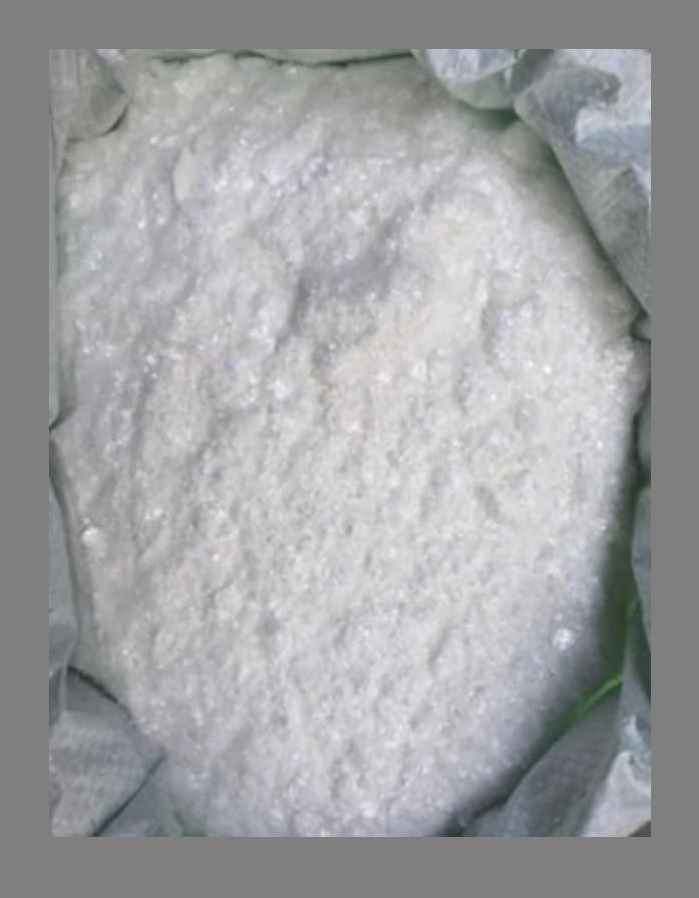
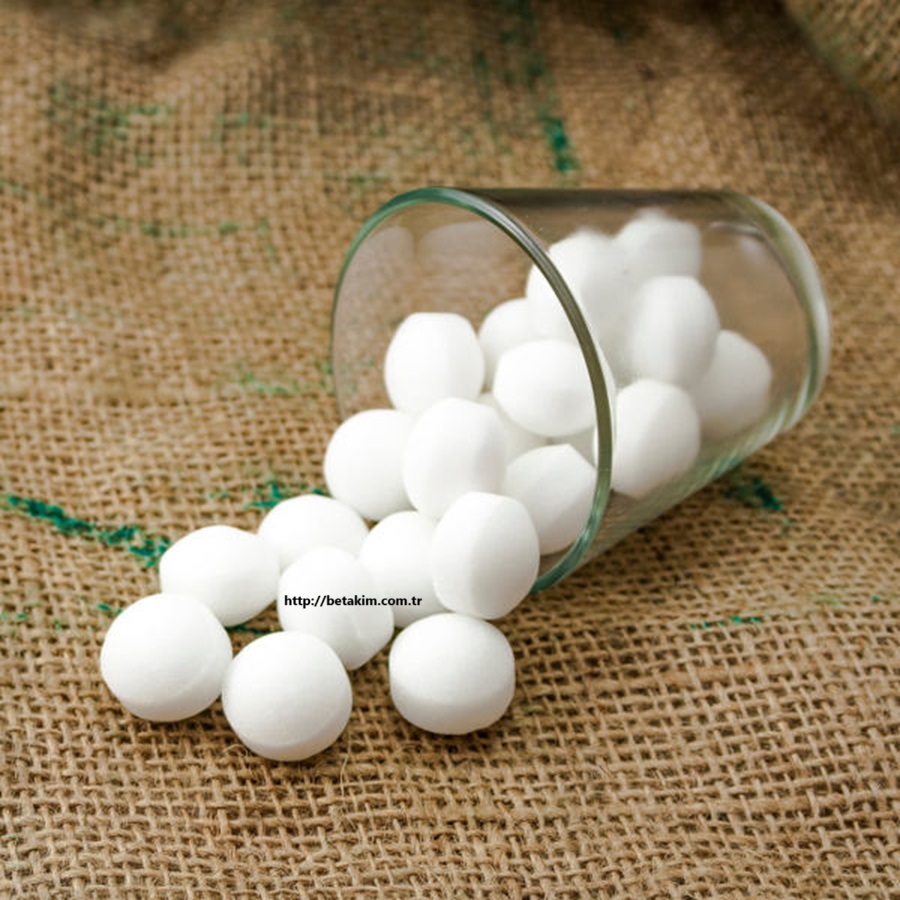
Naphthalene is a white or colorless crystalline aromatic hydrocarbon with a strong, distinctive odor. It is widely recognized for its effectiveness in protecting textiles and stored clothing from moths and other insects.
Chemical Properties
-
Formula: C10H8
-
Molecular Weight: 128.17 g/mol
-
Appearance: White or colorless crystals
-
Melting Point: 80.2°C
-
Boiling Point: 218°C
-
Solubility: Insoluble in water, soluble in organic solvents
-
CAS No: 91-20-3
Applications
-
Moth & Insect Repellent: Commonly used in closets, wardrobes, and storage areas to prevent moth damage to textiles.
-
Disinfectant: Exhibits antimicrobial properties, helping to inhibit the growth of microorganisms.
-
Industrial Uses: Applied in the production of paints, varnishes, plastics, and rubber.
-
Laboratory Uses: Utilized as a reagent in organic synthesis and chemical analysis.
Safety Notes
-
Use only in well-ventilated areas due to toxic vapors.
-
Avoid direct contact; gloves are recommended.
-
Store away from children and pets.
| Category | Details |
|---|---|
| Sectoral Uses | - Textile: Protection of fabrics and garments - Chemical Industry: Production of dyes, varnishes, plastics, rubber - Laboratory: Reagent in organic synthesis and analysis |
| Reasons for Preference | - Strong odor and quick effectiveness - Low cost - Easy to use (tablet form) - Long shelf life |
| Alternative Products | - Paradichlorobenzene (PDB) - Natural solutions: Lavender, cedarwood oil - Modern insecticides: Pyrethroid-based sprays |
| Usage Quantities | - Household: 1–2 tablets for small closets/drawers - Industrial storage: Larger amounts depending on volume, evenly distributed - Laboratory: Precisely measured as reagent |
| Precautions During Use | - Ensure good ventilation - Use gloves, avoid direct contact - Do not place tablets directly on fabrics (risk of staining) - Keep away from children and pets - Store in sealed containers |
A sector-based comparison of naphthalene and its alternatives::
| Sector / Usage Reason | Naphthalene (C10H8) | Paradichlorobenzene (PDB) | Natural Alternatives (Lavender, Cedarwood Oil) | Modern Insecticides (Pyrethroid Sprays) |
|---|---|---|---|---|
| Textile Protection | Strong odor, effective against moths and larvae | Similar moth repellent, less flammable | Pleasant scent, eco-friendly, less potent | Highly effective, targeted action, higher cost |
| Chemical Industry | Intermediate for dyes, resins, plastics, rubber | Limited industrial use | Not applicable | Not applicable |
| Paints & Varnishes | Raw material in certain formulations | Rarely used | Not applicable | Not applicable |
| Laboratory Applications | Reagent in organic synthesis and analysis | Occasionally used in research | Not applicable | Specialized reagents only |
| Household Use | Common mothballs/tablets for closets and storage | Widely used as mothballs | Sachets, cedar blocks, safer but weaker | Sprays for direct insect control, fast action |