We unleash your business potential by maximize the business innovation.
Send EmailNaphthalene, Tar Camphor, White Tar, Mothballs, Naphthalin, 91-20-3
NAPHTHALENE - NAFTALİN
Tar Camphor - White Tar - Mothball
CAS: 91-20-3
| Product Name | Naphthalene |
| CAS Number | 91-20-3 |
| EC Number | 202-049-5 |
| Chemical Class | Aromatic Hydrocarbon (PAH) |
| Synonyms | Naphthalene, Tar Camphor, White Tar, Mothball, Naphthalin |
ITEM 1: PRODUCT IDENTITY AND NOMENCLATURE
| Parameter | Description |
|---|---|
| IUPAC Name | Naphthalene |
| Chemical Formula | C₁₀H₈ |
| Molecular Weight | 128.17 g/mol |
| CAS Number | 91-20-3 |
| EC Number | 202-049-5 |
| Synonyms | Naphthalene, Tar Camphor, White Tar, Mothball, Naphthalin |
| HS Code | 2902.90.00.00.00 |
| REACH Status | Registered and compliant |
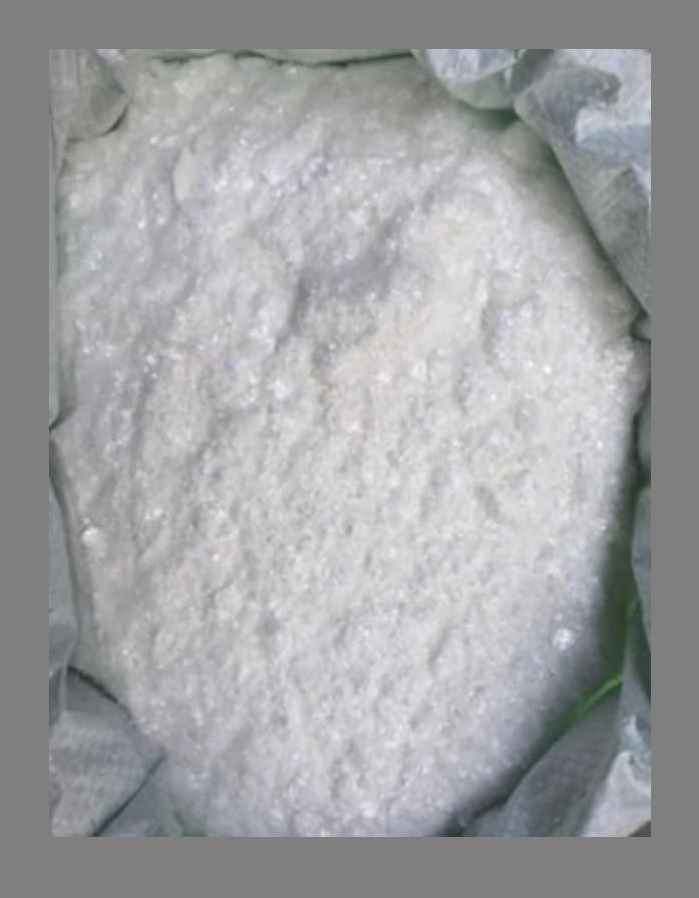
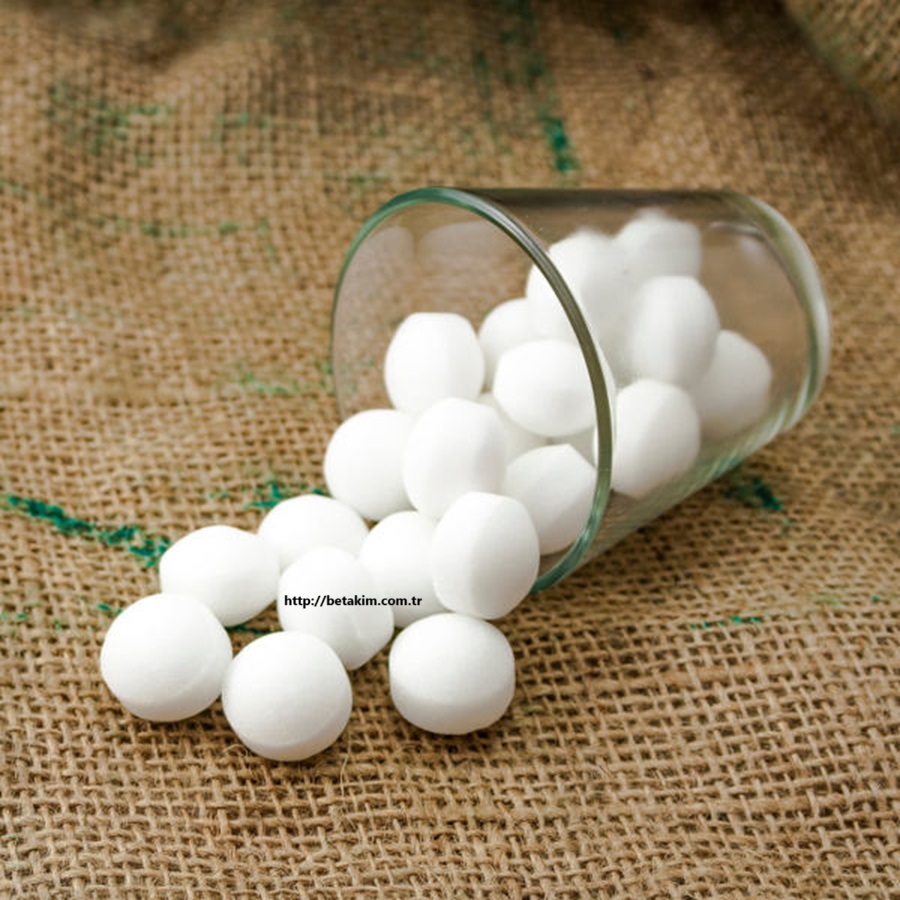
Description: Naphthalene is a white or colorless crystalline aromatic hydrocarbon consisting of two fused benzene rings. It has a characteristic strong and pungent odor. It occurs naturally in coal tar and is obtained industrially by coal tar distillation or petroleum refining. Its most common application is as a moth repellent used in closets and storage areas to protect clothes and textiles from moths and other pests. In the chemical industry, it is an important intermediate for the production of dyes, paints, plastics, and rubber.
ITEM 2: CHEMICAL STRUCTURE AND MOLECULAR PROPERTIES
| Parameter | Description |
|---|---|
| Chemical Family | Polycyclic Aromatic Hydrocarbon (PAH) |
| Structure | Two fused benzene rings (bicyclic) |
| Molecular Structure | Planar, two-ring, 10-carbon system |
| Bond Type | Aromatic (conjugated double bonds) |
| SMILES | C1=CC=C2C=CC=CC2=C1 |
| InChI Key | UFWIBTONFRDIAS-UHFFFAOYSA-N |
Structural Formula:
text
    / \
   /   \
  |  / \ |
  | |   | |
  | \_/ | |
   \   /
    \_/
Description: Naphthalene is a bicyclic aromatic hydrocarbon formed by the fusion of two benzene rings. Its aromatic structure contains 10 π electrons, providing high chemical stability. This structure determines naphthalene's ability to undergo electrophilic substitution reactions.
ITEM 3: PHYSICAL APPEARANCE AND FORM
| Parameter | Specification | Test Method |
|---|---|---|
| Appearance | White / Colorless crystals | Visual Inspection |
| Physical Form | Solid (crystalline) | Visual Inspection |
| Odor | Characteristic, strong, pungent | Organoleptic |
| Crystal Structure | Monoclinic prismatic | Microscopic |
| Color | White to colorless | Visual Inspection |
| Foreign Matter | None detectable | Visual Inspection |
Description: Naphthalene is found as white or colorless, lustrous crystalline flakes. It is easily recognizable by its characteristic strong and pungent odor. Its crystal structure is monoclinic prismatic, and it is typically supplied commercially in the form of fine flakes or tablets.
ITEM 4: THERMAL PROPERTIES
| Property | Specification / Value | Test Method |
|---|---|---|
| Melting Point | 80.2 °C | DSC |
| Boiling Point | 218 °C | – |
| Boiling Point | 217.9 °C | – |
| Sublimation Temperature | ~80 °C (at atmospheric pressure) | – |
| Flash Point (Closed Cup) | ~79 °C | ASTM D93 |
| Auto-ignition Temperature | ~540 °C | – |
| Vapor Pressure (25°C) | 0.087 mmHg | – |
| Thermal Conductivity | 0.14 W/m·K | – |
Description: Naphthalene is a crystalline solid that melts at 80.2°C and boils at 218°C. At room temperature and atmospheric pressure, it exhibits sublimation - meaning it transitions directly from solid to gas without passing through the liquid phase. This property makes naphthalene effective as a moth repellent, as it slowly evaporates to form a protective gas barrier.
ITEM 5: PHYSICAL PROPERTIES - DENSITY
| Property | Specification | Typical Value | Test Method |
|---|---|---|---|
| Density (Solid, 20°C) | 1.14 – 1.15 g/cm³ | 1.145 g/cm³ | ASTM D792 |
| Density (Liquid, 100°C) | 0.97 g/cm³ | 0.97 g/cm³ | – |
| Bulk Density (Crystalline) | 600 – 700 kg/m³ | 650 kg/m³ | ASTM D1895 |
Description: Naphthalene is denser than water (1.145 g/cm³) and sinks in water. In liquid form, density decreases above the melting point. Bulk density varies depending on the shape and size of the crystalline form.
ITEM 6: CHEMICAL AND SOLUBILITY PROPERTIES
| Property | Specification / Description |
|---|---|
| pH | Not applicable (organic) |
| Solubility in Water (25°C) | ~31 mg/L (very slightly soluble) |
| Solubility in Water | 0.031 g/L (20°C) |
| Solubility in Organic Solvents | Readily soluble |
| Benzene | Readily soluble |
| Toluene | Readily soluble |
| Ethanol (Alcohol) | Soluble |
| Ether | Soluble |
| Chloroform | Soluble |
| Acetone | Soluble |
| Oils | Soluble |
Description: Naphthalene has very low solubility in water (31 mg/L) but is readily soluble in most organic solvents (benzene, toluene, ethanol, ether, chloroform, acetone, oils). This solubility profile enables naphthalene's use in organic synthesis and industrial applications.
ITEM 7: CHEMICAL STABILITY AND REACTIVITY
| Parameter | Description |
|---|---|
| Chemical Stability | Stable under normal conditions |
| Sublimation | Slowly sublimes at room temperature |
| Oxidation | Reacts with strong oxidizing agents |
| Electrophilic Substitution | Used for phthalic anhydride, naphthol, and naphthylamine production |
| Nitration | Nitronaphthalene production |
| Sulfonation | Naphthalene sulfonic acid production |
| Halogenation | Halogenated naphthalene derivatives |
| Reduction | Tetralin and decalin production |
Description: Due to its aromatic structure, naphthalene undergoes electrophilic substitution reactions. Nitration, sulfonation, halogenation, and Friedel-Crafts reactions are its most important chemical transformations. It reacts with oxidizing agents to form naphthoquinone or phthalic anhydride.
ITEM 8: PURITY AND ANALYTICAL SPECIFICATIONS
| Parameter | Specification | Typical Value | Test Method |
|---|---|---|---|
| Purity (GC) | ≥ 99.0% | 99.5% | GC |
| Purity (Industrial) | ≥ 95.0% | 98.0% | GC |
| Melting Point | 79.5 – 80.5 °C | 80.0 °C | DSC |
| Color | White / Colorless | White | Visual Inspection |
| Volatile Matter | ≤ 0.5% | 0.1% | – |
| Ash Content | ≤ 0.05% | 0.01% | – |
| Heavy Metals (Pb) | ≤ 10 ppm | <1 ppm | ICP-MS |
| Thiophene Content | ≤ 0.1% | 0.02% | GC |
Description: Naphthalene is supplied in high purity (>99%) or industrial grade (>95%) qualities. Melting point is an important indicator of purity. Low ash content and low thiophene content indicate high quality.
ITEM 9: TEXTILE AND STORAGE PROTECTION APPLICATIONS (MOTH REPELLENT)
| Application | Description / Function |
|---|---|
| Moth Repellent | Protects clothes, carpets, and textiles against moths and larvae |
| Pest Repellent | Keeps insects away from closets, storage areas |
| Textile Storage | Protection of fabrics and garments during long-term storage |
| Industrial Storage | Protective agent for textile product storage |
Mechanism of Action:
| Parameter | Description |
|---|---|
| Active Ingredient | Naphthalene (C₁₀H₈) |
| Mechanism of Action | Sublimation releases gas phase; affects insect respiratory system |
| Activity Spectrum | Moth larvae, adult moths, other pests |
| Duration of Effect | Weeks to months depending on sublimation rate |
| Application | Tablet, ball, or crystal form; placed inside closets |
Usage Quantities:
| Application | Recommendation |
|---|---|
| Household Use (Small Closet) | 1-2 tablets |
| Household Use (Large Closet) | 2-4 tablets |
| Industrial Storage | Even distribution based on volume |
Description: Naphthalene slowly evaporates in enclosed spaces through sublimation, forming a protective gas barrier against moths and other textile pests. It is used in tablet or ball form.
ITEM 10: CHEMICAL INDUSTRY APPLICATIONS (INTERMEDIATE)
| Application | Description / Function |
|---|---|
| Phthalic Anhydride Production | Oxidation of naphthalene; raw material for plasticizers, dyes, and resins |
| Naphthol Production | Sulfonation and alkali fusion; dye and rubber additive |
| Naphthylamine Production | Nitration and reduction; dye and pharmaceutical intermediates |
| Tetralin and Decalin | Hydrogenation of naphthalene; used as solvents |
| Plasticizer Production | Naphthalene derivatives as plasticizers |
| Resin Production | Naphthalene-based resins |
| Dispersants | Naphthalene sulfonates as dispersants |
| Dye and Pigment Production | Naphthalene derivatives as colorants |
Description: In the chemical industry, naphthalene is one of the most important aromatic intermediates. It is the primary raw material for the synthesis of thousands of chemical products including phthalic anhydride (plasticizers, dyes, resins), naphthol (dyes, rubber additives), and naphthylamine (dyes, pharmaceuticals).
ITEM 11: PAINT, VARNISH AND COATING APPLICATIONS
| Application | Description / Function |
|---|---|
| Paint Production | Naphthalene derivatives in dye synthesis |
| Varnish Formulations | Naphthalene derivatives as resins and solvents |
| Coating Materials | Naphthalene derivatives in protective coatings |
| Pigment Production | Naphthalene derivatives in pigment synthesis |
| Paint Solvents | Naphthalene derivatives as solvents |
Description: In the paint and varnish industry, naphthalene is not used directly, but its derivatives (especially naphthol and naphthylamine-based compounds) are important raw materials for dye synthesis.
ITEM 12: PLASTIC AND RUBBER INDUSTRY APPLICATIONS
| Application | Description / Function |
|---|---|
| Plastic Production | Naphthalene derivatives as monomers |
| Rubber Additives | Naphthalene derivatives as antioxidants and vulcanization accelerators |
| Plasticizers | Phthalic anhydride derivatives as plasticizers |
| Polymer Production | Naphthalene derivatives in polymer synthesis |
Description: In the plastic and rubber industry, naphthalene is the primary raw material for the synthesis of plasticizers (e.g., DEHP, DINP) through phthalic anhydride production. Additionally, naphthalene derivatives are used as antioxidants and vulcanization accelerators in rubber.
ITEM 13: LABORATORY APPLICATIONS (REAGENT)
| Application | Description / Function |
|---|---|
| Organic Synthesis | Reagent for synthesis of naphthalene derivatives |
| Analytical Chemistry | As standard reference material |
| Research Chemistry | Model compound for reaction mechanism studies |
| Pharmaceutical Research | Synthesis of naphthalene derivatives |
Description: In laboratories, naphthalene is used as a fundamental building block in organic synthesis and as a reference standard in analytical chemistry.
ITEM 14: SECTOR COMPATIBILITY MATRIX
| Industry | Suitability | Application | Notes |
|---|---|---|---|
| Textile Protection | High | Moth repellent, pest protection | Widespread household and industrial use |
| Chemical Industry | High | Intermediate, phthalic anhydride, naphthol | Most important application area |
| Paint & Varnish | High | Dye synthesis | Through derivatives |
| Plastic & Rubber | High | Plasticizers, antioxidants | Through phthalic anhydride |
| Laboratory | High | Organic synthesis, analysis | As reagent |
| Pharmaceutical | Medium | Intermediate chemical | Limited use |
| Energy | Low | – | No widespread use |
ITEM 15: NAPHTHALENE AND ALTERNATIVES COMPARISON TABLE
| Sector / Use | Naphthalene (C₁₀H₈) | Paradichlorobenzene (PDB) | Natural Alternatives | Modern Insecticides |
|---|---|---|---|---|
| Textile Protection | Strong odor, effective against moths and larvae | Similar moth repellent, less flammable | Pleasant odor, environmentally friendly, weaker effect | High effect, targeted, more expensive |
| Chemical Industry | Raw material for dyes, resins, plastics, rubber | Limited industrial use | Not applicable | Not applicable |
| Paint & Varnish | Raw material in some formulations | Rare use | Not applicable | Not applicable |
| Laboratory | Reagent in organic synthesis and analysis | Limited use in research | Not applicable | Not used except special reagents |
| Household Use | Widespread in closets and storage as tablets | Widespread as moth tablets | Lavender sachets, cedar blocks, safer but weak | Spray form for rapid effect, direct pest control |
ITEM 16: SAFETY AND TOXICOLOGICAL PROFILE
| Parameter | Description |
|---|---|
| Acute Oral Toxicity (LD50) | ~490 mg/kg (rat) |
| Acute Dermal Toxicity | Low - Medium |
| Skin Irritation | Irritating to sensitive skin |
| Eye Irritation | Irritant |
| Inhalation | Respiratory tract irritation, headache, nausea |
| Carcinogenicity | IARC Group 2B (possibly carcinogenic) |
| Mutagenicity | Positive (in bacterial tests) |
| Reproductive Toxicity | Adverse effects in animal studies |
| Hemolytic Anemia | Risk in G6PD deficient individuals |
| Odor Detection Threshold | Low (<1 ppm) |
Description: Naphthalene is a substance that requires careful handling due to its toxic effects. It is classified by IARC as Group 2B (possibly carcinogenic). It can cause hemolytic anemia in individuals with G6PD deficiency. Prolonged exposure may lead to liver and kidney damage.
ITEM 17: HANDLING AND PERSONAL PROTECTIVE EQUIPMENT (PPE)
| Parameter | Recommendation |
|---|---|
| Skin Contact | Irritant; wash with soap and water |
| Eye Contact | Irritant; rinse with plenty of water for 15 minutes; seek medical attention |
| Inhalation | Use in well-ventilated area; mask recommended |
| Ingestion | Rinse mouth; seek medical attention |
| Ventilation | Good ventilation or local exhaust |
| Gloves | Nitrile or neoprene gloves |
| Eye Protection | Safety goggles |
| Respiratory Protection | Organic vapor mask |
| Clothing | Chemical-resistant apron |
Description: Standard industrial hygiene practices should be followed when handling naphthalene. Adequate ventilation should be provided and skin, eye, and respiratory contact should be avoided.
ITEM 18: STORAGE AND SHELF LIFE
| Parameter | Description |
|---|---|
| Storage Temperature | Room temperature (15 – 30°C) |
| Storage Conditions | Tightly closed, well-ventilated area |
| Materials to Avoid | High heat, direct sunlight, strong oxidizers |
| Packaging Materials | HDPE, glass, steel |
| Shelf Life | 2 years (under proper storage) |
| Signs of Degradation | Color change, caking |
| Keep Away From | Children and pets |
Description: Naphthalene should be stored in a cool, dry place in tightly closed containers. Due to its sublimation property, it must be kept in sealed containers. Store out of reach of children and pets.
ITEM 19: SPILL CLEANUP AND DISPOSAL
| Parameter | Description |
|---|---|
| Small Spills | Can be collected in solid form |
| Large Spills | Collect, transfer to suitable containers |
| Do Not | Discharge to sewers or water sources |
| Waste Disposal | Dispose according to local regulations |
| Environmental Classification | Toxic to aquatic life |
| RCRA Classification | Hazardous waste |
| Incineration | Incinerate at approved facility |
Description: For naphthalene spills, the material should be collected and transferred to suitable containers. Do not discharge to sewers or water sources. Environmental precautions should be taken as it is toxic to aquatic life.
ITEM 20: TRANSPORT AND REGULATORY INFORMATION
| Parameter | Classification | |
|---|---|---|
| UN Number | 1334 | |
| UN Class | 4.1 (Flammable Solid) | |
| Packaging Group | III | |
| Hazard Symbols | Flammable | Health Hazard |
| R-Phrases | R22, R40, R50/53 | |
| S-Phrases | S2, S36/37, S46, S60, S61 | |
| REACH | Registered and compliant | |
| TSCA (USA) | Listed | |
| EINECS (EU) | 202-049-5 | |
| IARC Classification | Group 2B (Possibly carcinogenic) |
SYNONYMS AND ALIASES
| Name | Description |
|---|---|
| Naphthalene | Most common English name |
| Tar Camphor | Camphene from tar |
| White Tar | White tar |
| Mothball | Moth tablet / ball |
| Naphthalin | Older literature |
| Güve Kovucu | Turkish name |
| Naftalin | Turkish name |
QUALITY AND CERTIFICATION SUMMARY
| Certificate / Standard | Status |
|---|---|
| ISO 9001:2015 | Certified manufacturing sites |
| REACH (EC 1907/2006) | Registered and compliant |
| TSCA (USA) | Listed |
| EINECS (EU) | 202-049-5 |
Disclaimer: This Technical Data Sheet provides typical values for reference purposes only. All values are based on standard laboratory measurements and do not constitute a binding specification. For binding properties, please request the Certificate of Analysis (COA) for each specific batch. The user is solely responsible for determining product suitability for their intended application and for compliance with all applicable regulations. Safety Data Sheet (SDS) must be requested from the supplier before use.