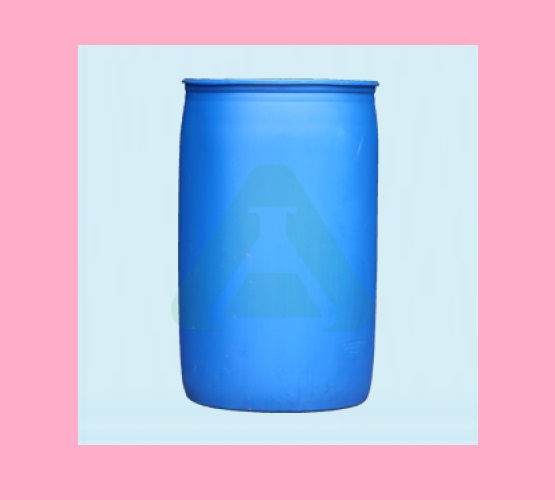
Sodium Chlorite, Sodium Chlorous Acid, 7758-19-2
SODIUM CHLORITE
CHEMICAL FORMULA AND STRUCTURE
Molecular Formula
NaClO₂
Structural Representations
| Representation Type |
Formula |
| Molecular Formula |
NaClO₂ |
| Molecular Weight |
90.44 g/mol |
| CAS Number |
7758-19-2 |
| EC Number (EINECS) |
231-836-6 |
| UN Number |
1496 (Sodium Chlorite, Solid) / 1908 (Sodium Chlorite Solution) |
| IUPAC Name |
Sodium Chlorite |
| Synonyms |
Sodium Chlorous Acid, Chlorous Acid Sodium Salt, Chlorine Dioxide Precursor |
Chemical Structure
      O
      ||
  Na⁺ Cl — O⁻
      |
      O
Sodium chlorite contains the chlorite ion (ClO₂⁻) in which chlorine is in the +3 oxidation state.
SECTION 1: PRODUCT IDENTIFICATION
| Parameter |
Information |
| Product Name |
Sodium Chlorite |
| CAS Number |
7758-19-2 |
| Molecular Formula |
NaClO₂ |
| Molecular Weight |
90.44 g/mol |
| Physical State (20°C) |
White to slightly yellowish crystalline solid (powder or flakes) |
| Odor |
Slightly characteristic (chlorine-like) |
| Taste |
Saline, pungent |
| Solubility |
Soluble in water; slightly soluble in alcohol |
Available Commercial Forms
| Form |
Concentration |
Packaging |
Application |
| Liquid Solution |
31% |
250 kg drums, 1250 kg IBC |
Water treatment, disinfection, bleaching |
| Solid (Powder/Flakes) |
78-82% |
25 kg bags, 50 kg drums |
Chemical synthesis, industrial oxidation |
| Stabilized Solution |
25-31% |
Various |
On-site chlorine dioxide generation |
SECTION 2: PHYSICAL AND CHEMICAL PROPERTIES
| Property |
Value |
| Molecular Weight |
90.44 g/mol |
| Appearance (Solid) |
White to yellowish crystalline powder or flakes |
| Appearance (31% Solution) |
Clear to yellowish liquid |
| Odor |
Slightly chlorine-like |
| Melting Point |
180°C (decomposes) |
| Density (20°C) |
2.468 g/cm³ (solid) |
| Density (31% Solution, 20°C) |
1.26-1.28 g/cm³ |
| pH (31% Solution) |
11.5-12.5 (alkaline) |
| Solubility in Water (20°C) |
360 g/L (solid) |
| Boiling Point |
Decomposes before boiling |
| Vapor Pressure |
Low |
| Oxidation Potential |
Strong oxidizing agent |
| Auto-decomposition Temperature |
>180°C (exothermic) |
| Available Chlorine |
~55% (based on Cl₂ equivalent) |
SECTION 3: CHEMICAL PROPERTIES AND REACTIVITY
| Parameter |
Information |
| Chemical Character |
Strong oxidizing agent; chlorite salt |
| Oxidation State |
Chlorine: +3 (intermediate between hypochlorite and chlorate) |
| pKa (Chlorous Acid) |
1.96 |
| Acid Activation |
NaClO₂ + 4HCl → 4ClO₂↑ + 2NaCl + 2H₂O |
| Stability |
Stable under alkaline conditions; decomposes at elevated temperatures |
| Decomposition Products |
Sodium chlorate (NaClO₃), sodium chloride (NaCl), oxygen (O₂) |
| Reducing Agent Incompatibility |
Violent reaction with strong reducing agents (sulfides, sulfites, organics) |
| Acid Incompatibility |
Reacts violently with acids releasing chlorine dioxide (ClO₂) |
| Organic Incompatibility |
Contact with organic materials may cause fire/explosion |
| Transition Metal Incompatibility |
Catalyzes decomposition (Fe, Cu, Ni, Co salts) |
Key Reaction Equations
Acid Activation (Chlorine Dioxide Generation):
5NaClO₂ + 4HCl → 4ClO₂↑ + 5NaCl + 2H₂O
Self-Decomposition (Thermal):
3NaClO₂ → 2NaClO₃ + NaCl
Bleaching Mechanism (Oxidation):
ClO₂⁻ + 4H⁺ + 4e⁻ → Cl⁻ + 2H₂O
SECTION 4: PRODUCTION AND QUALITY SPECIFICATIONS
Production Method
Sodium chlorite is typically produced by reducing chlorine dioxide (ClO₂) with hydrogen peroxide or sodium peroxide in alkaline solution:
2ClO₂ + 2NaOH + H₂O₂ → 2NaClO₂ + O₂ + 2H₂O
Quality Specifications (31% Liquid)
| Parameter |
Specification |
| Sodium Chlorite (NaClO₂) |
31% ± 0.5% |
| Sodium Chloride (NaCl) |
≤ 8.0% |
| Sodium Chlorate (NaClO₃) |
≤ 2.0% |
| Sodium Hydroxide (NaOH) |
≤ 1.0% |
| Sodium Carbonate (Na₂CO₃) |
≤ 0.5% |
| Sodium Sulfate (Na₂SO₄) |
≤ 0.5% |
| pH |
11.5-12.5 |
| Density (20°C) |
1.26-1.28 g/cm³ |
| Appearance |
Clear to yellowish liquid |
Quality Specifications (Solid - Technical Grade)
| Parameter |
Specification |
| Sodium Chlorite (NaClO₂) |
≥ 78-82% |
| Sodium Chloride (NaCl) |
≤ 12% |
| Sodium Chlorate (NaClO₃) |
≤ 4% |
| Sodium Carbonate (Na₂CO₃) |
≤ 1% |
| Sodium Hydroxide (NaOH) |
≤ 0.5% |
| Sodium Sulfate (Na₂SO₄) |
≤ 0.5% |
| Water Content |
≤ 1% |
SECTION 5: APPLICATIONS
1. Water Treatment
| Application |
Description |
| Drinking Water |
Disinfection and odor control (chlorine dioxide generation) |
| Industrial Water |
Cooling water treatment, biofilm control |
| Wastewater |
Decolorization, odor control, oxidation of pollutants |
| Municipal Water |
Primary disinfectant alternative to chlorine |
2. Bleaching Applications
| Application |
Description |
| Pulp and Paper |
Brightening of cellulose pulp (high brightness, no yellowing) |
| Textile Industry |
Bleaching of cotton, jute, and synthetic fibers |
| Flour |
Flour bleaching and aging |
| Edible Oils |
Bleaching and deodorization |
3. Medical and Healthcare
| Application |
Description |
| Dental Hygiene |
Chlorine dioxide mouthwash and plaque removal |
| Topical Antiseptic |
Wound cleaning and disinfection |
| Contact Lenses |
Contact lens cleaning solutions |
4. Industrial Applications
| Application |
Description |
| Chemical Synthesis |
Precursor for chlorine dioxide and other chemicals |
| Metal Surface Treatment |
Metal cleaning and passivation |
| Leather Tanning |
Oxidation and bleaching processes |
| Petroleum Industry |
Injection water treatment |
5. Food Industry
| Application |
Description |
| Fruit and Vegetable Washing |
Surface decontamination and extended shelf life |
| Poultry Processing |
Antimicrobial treatment |
| Seafood Processing |
Pathogen reduction and shelf life extension |
| Beverage Sterilization |
Bottle and packaging sterilization |
6. Agriculture
| Application |
Description |
| Irrigation Water |
Disinfection and biofilm removal |
| Greenhouse |
Disease control through water treatment |
| Post-Harvest |
Fruit and vegetable surface decontamination |
SECTION 6: ADVANTAGES AND DISADVANTAGES
Advantages
| Advantage |
Description |
| Strong Oxidizing Agent |
High oxidation potential for bleaching and disinfection |
| Chlorine Dioxide Precursor |
Can generate ClO₂ on-site, minimizing storage risks |
| No Chlorinated Byproducts |
Does not form THMs (trihalomethanes) or HAAs |
| Wide pH Range |
Effective across broad pH spectrum |
| Excellent Bleaching |
Superior brightness with no fiber degradation |
| Broad Antimicrobial |
Effective against bacteria, viruses, spores, and biofilms |
Disadvantages
| Disadvantage |
Description |
| Hazardous Handling |
Strong oxidizer; fire and explosion risks |
| Incompatibility |
Violent reactions with acids, organics, and reducing agents |
| Decomposition Risk |
Self-heating and decomposition at elevated temperatures |
| Storage Sensitivity |
Requires alkaline conditions and controlled temperature |
| Transportation Restrictions |
Classified as dangerous goods |
| Cost |
Higher cost compared to traditional bleach (NaClO) |
SECTION 7: GHS CLASSIFICATION AND LABELING
GHS Classification (compliant with 1272/2008/EC):
| Hazard Class |
Category |
H-Phrase |
| Oxidizing Solid/Liquid |
Category 2 |
H272 |
| Acute Toxicity (Oral) |
Category 4 |
H302 |
| Skin Irritation |
Category 2 |
H315 |
| Eye Damage |
Category 1 |
H318 |
| Specific Target Organ Toxicity |
Category 3 |
H335 |
| Aquatic Toxicity (Chronic) |
Category 2 |
H411 |
Signal Word: DANGER
Hazard Pictograms: GHS03 (Flame Over Circle - Oxidizer), GHS05 (Corrosion), GHS07 (Exclamation Mark), GHS09 (Environment)
Hazard Statements (H-Codes):
| Code |
Statement |
| H272 |
May intensify fire; oxidizer |
| H302 |
Harmful if swallowed |
| H315 |
Causes skin irritation |
| H318 |
Causes serious eye damage |
| H335 |
May cause respiratory irritation |
| H411 |
Toxic to aquatic life with long lasting effects |
SECTION 8: PRECAUTIONARY STATEMENTS (P-CODES)
| Code |
Statement |
| P210 |
Keep away from heat/sparks/open flames/hot surfaces |
| P220 |
Keep/Store away from combustible materials |
| P221 |
Take any precaution to avoid mixing with combustibles |
| P280 |
Wear protective gloves/protective clothing/eye protection/face protection |
| P301+P312 |
IF SWALLOWED: Call a POISON CENTER/doctor if you feel unwell |
| P305+P351+P338 |
IF IN EYES: Rinse cautiously with water for several minutes. Remove contact lenses if present and easy to do. Continue rinsing |
| P370+P378 |
In case of fire: Use dry sand, dry chemical, or alcohol-resistant foam |
SECTION 9: STORAGE AND SHELF LIFE
| Parameter |
Information |
| Storage Temperature |
10-30°C (avoid extremes) |
| Storage Conditions |
Cool, dry, well-ventilated, shaded area |
| Container Material |
HDPE, PVC, Stainless Steel, Fiberglass reinforced polyester |
| pH Control |
Maintain alkaline conditions (pH >11) |
| Protection Required |
Heat, sunlight, moisture, contamination |
| Shelf Life (Solid) |
12-24 months (in original sealed container) |
| Shelf Life (31% Solution) |
6-12 months (depending on temperature) |
| Never Store With |
Acids, reducing agents, organic matter, flammable materials |
| Separation Distance |
Store away from combustible materials (minimum 5 meters) |
SECTION 10: TRANSPORT INFORMATION
| Parameter |
Solid (≥80%) |
Solution (31%) |
| UN Number |
UN 1496 |
UN 1908 |
| Hazard Class |
5.1 (Oxidizer) |
8 (Corrosive) |
| Packing Group |
II |
III |
| ADR/RID |
5.1, PG II |
8, PG III |
| IMDG Code |
5.1, PG II |
8, PG III |
| IATA (Air) |
5.1, PG II |
8, PG III |
| Marine Pollutant |
No |
No |
SECTION 11: TOXICOLOGICAL PROFILE
| Parameter |
Value |
| Acute Oral Toxicity (LD50, Rat) |
200-500 mg/kg |
| Acute Inhalation (LC50, Rat, 4h) |
> 5 mg/L |
| Skin Irritation |
Irritant |
| Eye Irritation |
Severe damage (Category 1) |
| Skin Sensitization |
Not expected to cause sensitization |
| Carcinogenicity |
Not classified as carcinogenic |
| Mutagenicity |
Negative in standard tests |
| Reproductive Toxicity |
Not classified |
| Target Organs |
Blood (methemoglobinemia), respiratory tract |
Toxicological Warnings
-
Methemoglobinemia: Sodium chlorite can oxidize hemoglobin to methemoglobin, reducing oxygen-carrying capacity of blood.
-
Irritant: Causes severe eye damage and skin irritation.
-
Ingestion: Harmful if swallowed; may cause nausea, vomiting, abdominal pain.
-
Inhalation: May cause respiratory tract irritation, coughing, and breathing difficulties.
SECTION 12: FIRE-FIGHTING MEASURES
| Parameter |
Information |
| Fire Hazard |
Strong oxidizer; may intensify fire; can be explosive under certain conditions |
| Fire Behavior |
Containers may explode if heated; emits toxic fumes (chlorine dioxide, chlorine) |
| Suitable Extinguishing Media |
Water spray, water mist, dry powder, carbon dioxide, alcohol-resistant foam |
| Special Protective Equipment |
Self-contained breathing apparatus (SCBA), full chemical protective clothing |
| Special Precautions |
Cool containers with water spray; evacuate area; avoid breathing fumes |
SECTION 13: HAZARD WARNINGS
| Warning |
Description |
| Strong Oxidizer |
Enhances combustion of combustible materials |
| Acid Contact |
Reacts with acids, releasing toxic chlorine dioxide gas (ClO₂) |
| Organic Contact |
Contact with organic materials may cause spontaneous ignition |
| Heat Sensitivity |
Decomposes exothermically above 180°C; can self-heat |
| Explosion Risk |
Contaminated or heated material may explode |
| Incompatibility |
NEVER mix with acids, organic materials, sulfur, reducing agents |
LEGAL DISCLAIMER
The information provided in this document is based on our current knowledge and experience and is presented in good faith; however, as all conditions of use are beyond our control, it does not constitute a binding specification or warranty. This Technical Data Sheet is for informational purposes only. Users are responsible for testing the suitability for their own applications. For complete safety, storage, use, handling, disposal, and regulatory compliance information, please refer to the official Safety Data Sheet (SDS) provided by the manufacturer/supplier.