We unleash your business potential by maximize the business innovation.
Send EmailCalcium Oxide, Calcium Hydroxide, Quicklime, Burnt Lime, Calcium Monoxid, Slaked Lime, Hydrated Lime, Lime Water, Calcium Hydrate, 1305-78-8, 1305-62-0
CALCIUM OXIDE (CaO) AND CALCIUM HYDROXIDE (Ca(OH)₂)
PRODUCT IDENTIFICATION INFORMATION
| Parameter | Calcium Oxide | Calcium Hydroxide |
|---|---|---|
| Product Name | Calcium Oxide | Calcium Hydroxide |
| Chemical Name (IUPAC) | Calcium Oxide | Calcium Hydroxide |
| Common Names | Quicklime, Burnt Lime, Calcium Monoxide | Slaked Lime, Hydrated Lime, Lime Water, Calcium Hydrate |
| CAS Number | 1305-78-8 | 1305-62-0 |
| EC Number (EINECS) | 215-138-9 | 215-137-3 |
| Molecular Formula | CaO | Ca(OH)₂ |
| Molecular Weight | 56.08 g/mol | 74.09 g/mol |
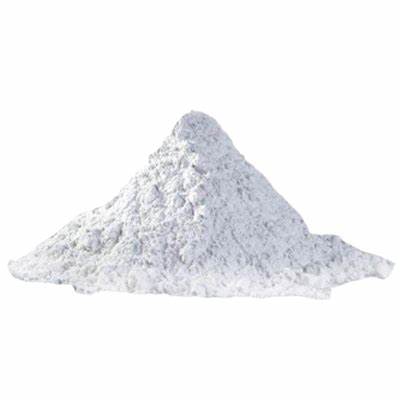
| Appearance | White to gray crystalline/powder | White fine powder |
CHEMICAL STRUCTURE
    Calcium Oxide (CaO)              Calcium Hydroxide (Ca(OH)₂)

        O²⁻                            OH⁻
         |                              |
    Ca²⁺ — O²⁻ — Ca²⁺              Ca²⁺ — OH⁻

    Ionic Structure                 Ionic Structure
Calcium Oxide Molecular Formula: CaO
Calcium Hydroxide Molecular Formula: Ca(OH)₂
SMILES (CaO): O=[Ca]
SMILES (Ca(OH)₂): [Ca+2].[OH-].[OH-]
Crystal System: Cubic (CaO); Hexagonal (Ca(OH)₂)
SECTION 1: CHEMICAL IDENTITY AND DEFINITION
| Parameter | Calcium Oxide | Calcium Hydroxide |
|---|---|---|
| Product Name | Calcium Oxide | Calcium Hydroxide |
| Chemical Name (IUPAC) | Calcium Oxide | Calcium Hydroxide |
| Common Names (English) | Calcium Oxide, Quicklime, Burnt Lime, Lime, Calcium Monoxide | Calcium Hydroxide, Slaked Lime, Hydrated Lime, Lime Water, Calcium Hydrate |
| Common Names (Turkish) | Kalsiyum Oksit, Sönmemiş Kireç, Yanmış Kireç, Kalsiyum Monoksit | Kalsiyum Hidroksit, Sönmüş Kireç, Hidrate Kireç, Kireç Suyu, Kalsiyum Hidrat |
| CAS Number | 1305-78-8 | 1305-62-0 |
| EC Number (EINECS) | 215-138-9 | 215-137-3 |
| Molecular Formula | CaO | Ca(OH)₂ |
| Molecular Weight | 56.08 g/mol | 74.09 g/mol |
| Chemical Class | Inorganic compound; alkaline earth metal oxide | Inorganic compound; alkaline earth metal hydroxide |
| Physical State (20°C) | Crystalline solid / powder | Fine powder |
| Odor | Odorless | Odorless |
| Color | White to gray, yellowish or brownish | White |
| Taste | Caustic alkaline taste | Mild alkaline taste |
SECTION 2: PHYSICAL AND CHEMICAL PROPERTIES
| Property | Calcium Oxide (CaO) | Calcium Hydroxide (Ca(OH)₂) |
|---|---|---|
| Appearance | White to gray crystalline or powder | White fine powder |
| Odor | Odorless | Odorless |
| Molecular Weight | 56.08 g/mol | 74.09 g/mol |
| Density (20°C) | 3.34 g/cm³ | 2.21 g/cm³ |
| Melting Point | 2,572°C | 580°C (decomposes) |
| Boiling Point | 2,850°C | Not applicable (decomposes) |
| Solubility in Water (20°C) | Reacts vigorously (releases heat) | 1.65 g/L (slightly soluble) |
| pH (Aqueous Solution) | Strongly alkaline (pH > 12) | Strongly alkaline (pH ~12.4) |
| Crystal System | Cubic | Hexagonal |
| Hygroscopicity | High (absorbs moisture) | Slight |
| Reactivity (with Water) | Violent exothermic reaction | Mild exothermic, limited solubility |
| CO₂ Absorption | High (carbonation) | High (carbonation) |
| Specific Surface Area (BET) | 5-15 m²/g (typical) | 10-25 m²/g (typical) |
| Corrosivity | High (corrosive) | Moderate (irritant) |
SECTION 3: CHEMICAL PROPERTIES AND REACTIVITY
| Parameter | Calcium Oxide (CaO) | Calcium Hydroxide (Ca(OH)₂) |
|---|---|---|
| Chemical Character | Strong basic oxide; highly reactive; violent reaction with water | Strong base; more stable; limited reaction with water |
| Stability | Stable under normal conditions; Absorbs moisture and CO₂ from air; Hygroscopic | Stable under normal conditions; Absorbs CO₂ from air to form calcium carbonate |
| Reactivity (with Water) | CaO + H₂O → Ca(OH)₂ + Heat (violent exothermic) | Ca(OH)₂ + H₂O → Ca²⁺ + 2OH⁻ (limited dissolution) |
| Carbonate Formation | CaO + CO₂ → CaCO₃ | Ca(OH)₂ + CO₂ → CaCO₃ + H₂O |
| Acid Neutralization | CaO + 2HCl → CaCl₂ + H₂O | Ca(OH)₂ + 2HCl → CaCl₂ + 2H₂O |
| Incompatible Materials | Water, acids, oxidizing agents, organic materials, halogens | Strong acids, CO₂, organic materials |
| Decomposition Products (Heating) | Does not decompose (stable up to high temperatures) | Ca(OH)₂ → CaO + H₂O (~580°C) |
| Hazardous Reactions | Violent exothermic reaction with water (splashing, burns); Violent reaction with acids | Neutralization with acids; Carbonate formation with CO₂ |
| Heat of Reaction with Water | ~1,120 kJ/kg (very high) | ~0 kJ/kg (negligible) |
| Carbonation Rate | High (rapid) | Moderate (slow) |
SECTION 4: COMPARISON OF CALCIUM COMPOUNDS
| Property | Calcium Oxide (CaO) | Calcium Hydroxide (Ca(OH)₂) | Calcium Carbonate (CaCO₃) |
|---|---|---|---|
| CAS Number | 1305-78-8 | 1305-62-0 | 471-34-1 |
| Formula | CaO | Ca(OH)₂ | CaCO₃ |
| Molecular Weight | 56.08 g/mol | 74.09 g/mol | 100.09 g/mol |
| Appearance | White-gray crystalline/powder | White fine powder | White powder |
| Density (g/cm³) | 3.34 | 2.21 | 2.71 |
| Water Solubility | Reacts vigorously | 1.65 g/L | 0.013 g/L |
| pH | Strongly alkaline (>12) | Strongly alkaline (~12.4) | Weakly alkaline (~9) |
| Heat Reaction (with Water) | Violent exothermic | Mild exothermic | No reaction |
| Primary Use | Cement, steel, glass | Agriculture, water treatment, construction | Construction, food, filler |
| Common Name | Quicklime | Slaked Lime | Limestone |
SECTION 5: PRODUCTION METHODS
Calcium Oxide (CaO) Production
Method 1: Calcination of Limestone (Main Industrial Method)
-
Reaction: CaCO₃ → CaO + CO₂ (at 900-1,200°C)
-
Description: Calcium carbonate (limestone) is heated at high temperatures; Calcium oxide and carbon dioxide are formed; Most common industrial production method; Rotary kiln or shaft kiln used
Method 2: Rotary Kiln Calcination
-
Process: Limestone → Crushing → Rotary kiln (900-1,200°C) → CaO
-
Description: Limestone is continuously calcined in a rotary kiln; High-purity calcium oxide is produced; Large-scale industrial production
Method 3: Shaft Kiln Calcination
-
Process: Limestone → Shaft kiln (900-1,200°C) → CaO
-
Description: Limestone is calcined in a shaft kiln; Lower energy consumption; Medium-scale production
Calcium Hydroxide (Ca(OH)₂) Production
Method 1: Slaking (Quicklime + Water)
-
Reaction: CaO + H₂O → Ca(OH)₂ + Heat (violent exothermic)
-
Description: Calcium oxide (quicklime) is reacted with water; Calcium hydroxide (slaked lime) is formed; Controlled water addition yields powder or suspension
Method 2: Controlled Hydration Slaking
-
Process: CaO + Water (controlled amount) → Ca(OH)₂ powder
-
Description: Controlled amount of water is added to quicklime; Fine powder form of calcium hydroxide is obtained; Used in agriculture and construction applications
Method 3: Lime Milk Production (Suspension)
-
Process: CaO + Excess water → Ca(OH)₂ suspension
-
Description: Quicklime is reacted with excess water; Lime milk suspension is obtained; Used in water treatment and industrial applications
SECTION 6: FUNCTIONAL PROPERTIES AND MECHANISM OF ACTION
Calcium Oxide (CaO)
| Property | Description |
|---|---|
| Calcination Agent | Obtained by calcination of limestone; Essential component in cement and clinker production; Used in high-temperature processes |
| Flux Agent (Metallurgy) | Used as flux in steel production; Removes sulfur and phosphorus; Removes impurities from molten metal |
| Neutralization Agent | Neutralization of acidic environments; Heavy metal precipitation; pH adjustment |
| Reaction with Water | Violent exothermic reaction; Releases heat; Forms slaked lime |
| CO₂ Absorption | Absorbs CO₂ from air; Carbonation; Must be considered for long-term storage |
Calcium Hydroxide (Ca(OH)₂)
| Property | Description |
|---|---|
| Soil Conditioner | Neutralizes acidic soils; Raises soil pH; Promotes plant growth |
| Water Treatment | Wastewater treatment; Drinking water softening; Heavy metal precipitation; pH adjustment |
| Construction Additive | Mortar and plaster additive; Binder in building materials; Hardening through carbonation |
| Food Additive | Food additive (E526); Calcium fortification; pH regulator; Gelatin/sugar production |
| Pharmaceutical | Dental fillings and root canal treatments; Filler and pH regulator in pharmaceutical formulations |
| Animal Feed | Feed additive; Digestive regulator; Calcium source |
SECTION 7: MAIN APPLICATION AREAS
| Sector | Calcium Oxide (CaO) | Calcium Hydroxide (Ca(OH)₂) |
|---|---|---|
| Construction | Essential in cement and clinker production | Mortar and plaster additive, building materials |
| Agriculture | Raw material for calcium fertilizers | Soil pH regulator, neutralization of acidic soils |
| Water Treatment | Neutralization of acidic environments, heavy metal precipitation | Wastewater treatment, drinking water softening |
| Metallurgy | Flux in steel production, sulfur and phosphorus removal | Limited use; auxiliary base in some processes |
| Paper Industry | Pulp bleaching | Pulp refining and pH control |
| Food & Pharmaceutical | Food additive (E529), gelatin/sugar production | Filler and pH regulator in pharmaceutical formulations |
| Animal Feed | High energy efficiency feed additive | More common as feed additive, digestive regulator |
| Energy & Technology | Cathode in solid oxide fuel cells, oxygen production systems | Less used; some catalytic applications |
| Glass Industry | Improves glass durability | Limited use, auxiliary additive |
| Environment | Flue gas desulfurization | Wastewater treatment, pH regulation |
SECTION 8: QUALITY SPECIFICATIONS
Calcium Oxide (CaO) Specifications
| Parameter | Specification | Test Method |
|---|---|---|
| Appearance | White to gray crystalline or powder | Visual |
| Assay (CaO) | ≥ 90.0% - 98.0% | Titrimetric / ICP |
| Calcium Content | ≥ 64.0% - 70.0% | AAS / ICP |
| Loss on Ignition | ≤ 2.0% - 5.0% | Gravimetric (1,000°C) |
| Water Insoluble Matter | ≤ 1.0% - 5.0% | Gravimetric |
| Silica (SiO₂) | ≤ 1.0% - 3.0% | AAS / ICP |
| Iron Oxide (Fe₂O₃) | ≤ 0.5% - 1.0% | AAS / ICP |
| Aluminum Oxide (Al₂O₃) | ≤ 0.5% - 1.5% | AAS / ICP |
| Magnesium Oxide (MgO) | ≤ 0.5% - 2.0% | AAS / ICP |
| Sulfate (SO₄) | ≤ 0.1% - 0.5% | Turbidimetric |
| Carbon Dioxide (CO₂) | ≤ 1.0% - 5.0% | Gravimetric |
| Particle Size | As per requirement (powder, granules, lumps) | Sieve / Laser Diffraction |
| Reactivity (Slaking Rate) | 10-30 minutes | ASTM C110 |
Calcium Hydroxide (Ca(OH)₂) Specifications
| Parameter | Specification | Test Method |
|---|---|---|
| Appearance | White fine powder | Visual |
| Assay (Ca(OH)₂) | ≥ 95.0% - 99.0% | Titrimetric / ICP |
| Calcium Content | ≥ 51.0% - 53.0% | AAS / ICP |
| Loss on Ignition | ≤ 1.0% - 5.0% | Gravimetric (1,000°C) |
| Water Insoluble Matter | ≤ 0.5% - 1.0% | Gravimetric |
| Silica (SiO₂) | ≤ 0.5% - 1.0% | AAS / ICP |
| Iron Oxide (Fe₂O₃) | ≤ 0.1% - 0.5% | AAS / ICP |
| Aluminum Oxide (Al₂O₃) | ≤ 0.1% - 0.5% | AAS / ICP |
| Magnesium Oxide (MgO) | ≤ 0.5% - 1.0% | AAS / ICP |
| Sulfate (SO₄) | ≤ 0.1% - 0.5% | Turbidimetric |
| Carbonate (CaCO₃) | ≤ 1.0% - 5.0% | Titrimetric |
| pH (1% Solution) | 12.0 - 12.5 | pH Meter |
| Particle Size (D50) | 5-20 µm (fine powder) | Laser Diffraction |
| Whiteness (Hunter) | ≥ 90% - 95% | Colorimetry |
SECTION 9: TOXICOLOGICAL PROFILE
| Parameter | Calcium Oxide (CaO) | Calcium Hydroxide (Ca(OH)₂) |
|---|---|---|
| Acute Oral Toxicity (LD50, Rat) | ~ 1,000 mg/kg (moderate toxicity) | ~ 7,300 mg/kg (low toxicity) |
| Acute Dermal Toxicity | Corrosive; Skin burns | Irritant; Skin irritation |
| Acute Inhalation Toxicity | Corrosive; Respiratory tract irritation | Respiratory tract irritation |
| Skin Irritation | Corrosive; Severe skin burns (H314) | Irritant; Skin irritation (H315) |
| Eye Irritation | Corrosive; Serious eye damage (H318) | Serious eye damage (H318) |
| Respiratory Irritation | Corrosive; Respiratory tract irritation (H335) | Respiratory tract irritation (H335) |
| Chronic Toxicity | Low; Dust pneumoconiosis | Low; Dust pneumoconiosis |
| Carcinogenicity | Not classified | Not classified |
| Target Organs | Skin, eyes, respiratory system | Skin, eyes, respiratory system |
| Occupational Exposure Limit (8h TWA) | 5 mg/m³ (CaO) | 5 mg/m³ (Ca(OH)₂) |
| Special Toxicity Note | CaO reacts violently with water releasing heat; Can cause thermal burns; Corrosive | Ca(OH)₂ is less corrosive; Dust may cause respiratory irritation; Food additive (E526) considered safe |
SECTION 10: GHS CLASSIFICATION AND LABELING
Calcium Oxide (CaO) - GHS Classification
| Hazard Class | Category | H-Statement |
|---|---|---|
| Skin Corrosion/Irritation | Category 1B | H314 |
| Eye Damage/Irritation | Category 1 | H318 |
| STOT - SE (Single Exposure) | Category 3 | H335 |
Signal Word: DANGER
Hazard Pictograms: GHS05 (Corrosion), GHS07 (Exclamation Mark)
Calcium Hydroxide (Ca(OH)₂) - GHS Classification
| Hazard Class | Category | H-Statement |
|---|---|---|
| Skin Corrosion/Irritation | Category 1B | H314 |
| Eye Damage/Irritation | Category 1 | H318 |
| STOT - SE (Single Exposure) | Category 3 | H335 |
Signal Word: DANGER
Hazard Pictograms: GHS05 (Corrosion), GHS07 (Exclamation Mark)
Hazard Statements (H-Codes) - Both Compounds:
| Code | Statement |
|---|---|
| H314 | Causes severe skin burns and eye damage |
| H318 | Causes serious eye damage |
| H335 | May cause respiratory irritation |
NFPA 704 Hazard Classification:
| Compound | Health | Flammability | Reactivity | Special |
|---|---|---|---|---|
| Calcium Oxide (CaO) | 3 | 0 | 1 | W |
| Calcium Hydroxide (Ca(OH)₂) | 2 | 0 | 0 | - |
SECTION 11: PRECAUTIONARY STATEMENTS (P-CODES)
| Code | Statement |
|---|---|
| P260 | Do not breathe dust/fume/gas/mist/vapors/spray |
| P264 | Wash hands thoroughly after handling |
| P270 | Do not eat, drink or smoke when using this product |
| P271 | Use only outdoors or in a well-ventilated area |
| P280 | Wear protective gloves/protective clothing/eye protection/face protection/respiratory protection |
| P301+P330+P331 | IF SWALLOWED: Rinse mouth. Do NOT induce vomiting |
| P303+P361+P353 | IF ON SKIN (or hair): Take off immediately all contaminated clothing. Rinse skin with water/shower |
| P304+P340 | IF INHALED: Remove person to fresh air and keep comfortable for breathing |
| P305+P351+P338 | IF IN EYES: Rinse cautiously with water for several minutes. Remove contact lenses if present and continue rinsing |
| P310 | Immediately call a POISON CENTER/doctor |
| P363 | Wash contaminated clothing before reuse |
| P403+P233 | Store in a well-ventilated place. Keep container tightly closed |
| P405 | Store locked up |
| P501 | Dispose of contents/container in accordance with local/regional/national/international regulations |
SECTION 12: FIRST AID MEASURES
| Exposure Route | Calcium Oxide (CaO) | Calcium Hydroxide (Ca(OH)₂) |
|---|---|---|
| Inhalation | Move to fresh air immediately. If breathing is difficult, give oxygen. Get immediate medical attention. | Move to fresh air immediately. If symptoms persist, get medical attention. |
| Skin Contact | DO NOT wash with water immediately (heat burn). Brush off dry material first, then rinse with plenty of water. Get immediate medical attention. | Remove contaminated clothing. Rinse skin with plenty of water for 15-20 minutes. Get medical attention. |
| Eye Contact | Rinse immediately with plenty of water for at least 15 minutes. Keep eyelids open. Get immediate medical attention. | Rinse immediately with plenty of water for at least 15 minutes. Keep eyelids open. Get medical attention. |
| Ingestion | Do NOT induce vomiting. Drink one glass of water or milk. Get immediate medical attention. | Rinse mouth. Do NOT induce vomiting. Drink one glass of water. Get medical attention. |
SECTION 13: FIREFIGHTING MEASURES
| Parameter | Calcium Oxide (CaO) | Calcium Hydroxide (Ca(OH)₂) |
|---|---|---|
| Fire Hazard | Non-combustible. Reacts violently with water. | Non-combustible. |
| Hazards During Fire | No thermal decomposition; Contact with water releases heat | No toxic fumes generated |
| Suitable Extinguishers | Dry chemical powder, CO₂, sand (DO NOT USE WATER) | Water fog, CO₂, dry chemical powder |
| Special Protective Equipment | Self-contained breathing apparatus (SCBA), full protective clothing | Self-contained breathing apparatus (SCBA), full protective clothing |
| Special Precautions | DO NOT USE WATER; Use dry sand or inert powder | Provide containment for firefighting effluent |
SECTION 14: STORAGE AND SHELF LIFE
| Parameter | Calcium Oxide (CaO) | Calcium Hydroxide (Ca(OH)₂) |
|---|---|---|
| Storage Conditions | Cool, dry, well-ventilated area; Protect from moisture and CO₂; Avoid contact with water | Cool, dry, well-ventilated area; Protect from moisture and CO₂ |
| Container Requirements | Airtight, tightly closed containers; Moisture-proof | Tightly closed containers; Moisture-proof |
| Materials to Protect From | Water, moisture, acids, CO₂, organic materials | Strong acids, CO₂, moisture |
| Shelf Life | 12-24 months (under proper conditions) | 24-36 months (under proper conditions) |
| Stability Note | Absorbs moisture and CO₂ from air; Quality loss through carbonation | Absorbs CO₂ from air; Converts to carbonate over time |
SECTION 15: PACKAGING OPTIONS
| Packaging Type | Calcium Oxide (CaO) | Calcium Hydroxide (Ca(OH)₂) |
|---|---|---|
| Plastic Bag | 25 kg, 50 kg (PE-lined) | 25 kg, 50 kg (PE-lined) |
| Kraft Bag | 25 kg, 50 kg | 25 kg, 50 kg |
| Plastic Drum | 50 kg, 100 kg | 50 kg, 100 kg |
| Big Bag (FIBC) | 500 kg, 1000 kg | 500 kg, 1000 kg |
| Bulk | Tanker (50-100 tons) | Tanker (50-100 tons) |
| Liquid Form | Not applicable | Drum / IBC Tank |
SECTION 16: TRANSPORT INFORMATION
| Parameter | Calcium Oxide (CaO) | Calcium Hydroxide (Ca(OH)₂) |
|---|---|---|
| UN Number | UN 1910 (Calcium Oxide) | UN 3077 (Environmentally hazardous) |
| Hazard Class | 8 (Corrosive) | 9 (Miscellaneous Dangerous Goods) |
| Packing Group | III | III |
| ADR/RID | UN 1910, Calcium oxide, 8, PG III | UN 3077, Environmentally hazardous, 9, PG III |
| Marine Pollutant | Yes | Yes |
| Transport Temperature | Ambient temperature; Protect from moisture | Ambient temperature; Protect from moisture |
SECTION 17: REGULATORY STATUS
| Region / Authority | Calcium Oxide (CaO) | Calcium Hydroxide (Ca(OH)₂) |
|---|---|---|
| European Union | REACH registered; Classified as corrosive | REACH registered; Classified as corrosive |
| USA (TSCA) | Listed | Listed |
| Turkey | Subject to KKDIK regulation | Subject to KKDIK regulation |
| FDA | Food additive (E529) | Food additive (E526) |
| EFSA | Approved as food additive | Approved as food additive |
| Turkish Food Codex | Approved as E529 | Approved as E526 |
SECTION 18: OTHER NAMES AND SYNONYMS
| Type | Calcium Oxide (CaO) | Calcium Hydroxide (Ca(OH)₂) |
|---|---|---|
| Turkish Names | Kalsiyum Oksit, Sönmemiş Kireç, Yanmış Kireç, Kalsiyum Monoksit | Kalsiyum Hidroksit, Sönmüş Kireç, Hidrate Kireç, Kireç Suyu, Kalsiyum Hidrat |
| English Names | Calcium Oxide, Quicklime, Burnt Lime, Lime, Calcium Monoxide | Calcium Hydroxide, Slaked Lime, Hydrated Lime, Lime Water, Calcium Hydrate |
| Food Additive Codes | E529 (CaO) | E526 (Ca(OH)₂) |
| CAS Number | 1305-78-8 | 1305-62-0 |
| EC Number | 215-138-9 | 215-137-3 |
| Molecular Formula | CaO | Ca(OH)₂ |
SECTION 19: SUMMARY TABLE
| Parameter | Calcium Oxide (CaO) | Calcium Hydroxide (Ca(OH)₂) |
|---|---|---|
| Product | Calcium Oxide | Calcium Hydroxide |
| CAS Number | 1305-78-8 | 1305-62-0 |
| Molecular Formula | CaO | Ca(OH)₂ |
| Molecular Weight | 56.08 g/mol | 74.09 g/mol |
| Appearance | White to gray crystalline/powder | White fine powder |
| Density | 3.34 g/cm³ | 2.21 g/cm³ |
| Melting Point | 2,572°C | 580°C (decomposes) |
| Water Solubility | Reacts vigorously (releases heat) | 1.65 g/L |
| pH | Strongly alkaline (>12) | Strongly alkaline (~12.4) |
| Food Additive Code | E529 | E526 |
| GHS Signal Word | DANGER | DANGER |
| UN Number | UN 1910 | UN 3077 |
| Main Applications | Cement, steel, glass, water treatment | Agriculture, water treatment, construction, food, pharmaceutical |
SECTION 20: CRITICAL WARNINGS AND BEST PRACTICES
CRITICAL WARNINGS (CALCIUM OXIDE - CaO):
-
Causes severe skin burns and eye damage (H314/H318). Corrosive substance. Avoid skin and eye contact.
-
Reacts violently with water (exothermic). Releases heat causing splashing and burns. NEVER add water to dry CaO.
-
For skin contact with dry CaO, DO NOT wash with water immediately. Brush off dry material first, then rinse with water.
-
Hygroscopic. Absorbs moisture from air. Store in airtight containers.
-
Absorbs CO₂. Carbonation causes quality loss. Store in airtight containers.
-
Avoid inhalation of dust. Severe respiratory tract irritation.
-
Non-combustible but reacts violently with water. DO NOT USE WATER for firefighting.
CRITICAL WARNINGS (CALCIUM HYDROXIDE - Ca(OH)₂):
-
Causes severe skin burns and eye damage (H314/H318). Corrosive substance. Avoid skin and eye contact.
-
Avoid inhalation of dust. Respiratory tract irritation.
-
Absorbs CO₂. Carbonation causes quality loss. Store in airtight containers.
-
Non-combustible.
-
Food additive (E526): Only food grade should be used. Industrial grade must NOT be used for food.
-
More stable and less corrosive than CaO but still requires protective equipment.
BEST PRACTICE RECOMMENDATIONS:
-
Construction and Cement Sector: Use CaO in clinker production; 60-70% in cement production; Use Ca(OH)₂ in mortar and plaster applications; Carbonation provides hardening.
-
Agriculture Applications: Use Ca(OH)₂ as soil pH regulator (200-500 kg/ha); Neutralize acidic soils; Use as calcium source; Improve soil structure.
-
Water Treatment: Use Ca(OH)₂ in wastewater treatment; pH adjustment; Heavy metal precipitation; Drinking water softening.
-
Metallurgy: Use CaO as flux in steel production; Sulfur and phosphorus removal; Remove impurities from molten metal.
-
Food and Pharmaceutical: Use ONLY food grade CaO (E529) or Ca(OH)₂ (E526); Comply with FDA/EFSA/Turkish Food Codex regulations.
-
Handling (CaO): Use in well-ventilated areas; AVOID CONTACT WITH WATER; Wear protective gloves, goggles, face shield, and respiratory protection; Avoid dust generation.
-
Handling (Ca(OH)₂): Use in well-ventilated areas; Wear protective gloves, goggles, and respiratory protection; Avoid dust generation.
-
Personal Protective Equipment: Wear impermeable gloves (nitrile, neoprene, butyl), chemical safety goggles, full-face shield, protective clothing, and NIOSH-approved dust mask/respirator.
-
Storage (CaO): Store in airtight, tightly closed containers in dry conditions; Protect from moisture and CO₂; AVOID CONTACT WITH WATER; Store separately from acids.
-
Storage (Ca(OH)₂): Store in tightly closed containers in dry conditions; Protect from CO₂; Store separately from acids.
-
Spill Response (CaO): DO NOT USE WATER; Clean up dry; Place in closed containers; Do not allow to enter drains or waterways.
-
Spill Response (Ca(OH)₂): Avoid dust generation; Vacuum or sweep; Place in closed containers.
-
Disposal: Dispose of in accordance with local, regional, and national regulations; Do not discharge into sewers or water sources; Lime is regulated as hazardous waste.
SPECIAL NOTE ON SLAKING REACTION (CALCIUM OXIDE + WATER):
-
Reaction: CaO + H₂O → Ca(OH)₂ + Heat (violent exothermic)
-
Heat Released: ~1,120 kJ/kg (very high)
-
Temperature Rise: Can exceed 100°C
-
Hazard: Splashing and severe burns
-
Precaution: NEVER add water to dry CaO; Perform controlled slaking; Use appropriate PPE
SPECIAL NOTE ON CARBONATION:
Both compounds absorb CO₂ from air:
-
Reaction (CaO): CaO + CO₂ → CaCO₃
-
Reaction (Ca(OH)₂): Ca(OH)₂ + CO₂ → CaCO₃ + H₂O
-
Effect: Purity decreases; Reactivity decreases; Quality loss
-
Precaution: Store in airtight containers; Perform periodic analysis for long-term storage
LEGAL DISCLAIMER:
The information provided in this document is based on our current knowledge and experience and is presented in good faith. However, as all conditions of use are beyond our control, this document does not constitute a binding specification or warranty. This Technical Data Sheet is for informational purposes only. Users are responsible for testing suitability for their own applications. For complete safety, storage, handling, transportation, waste, and regulatory compliance information, please refer to the official Safety Data Sheet (SDS/MSDS) provided by the manufacturer/supplier.