We unleash your business potential by maximize the business innovation.
Send EmailCalcium Oxide, Calcium Hydroxide, Lime, Slaked lime, 1305-78-8, 1305-62-0
Lime, also known as calcium oxide (CaO) or calcium hydroxide (Ca(OH)₂), is a chemical compound with various industrial and commercial applications. Here are some key points about lime:
-
Chemical Composition:
-
Calcium Oxide (CaO): Obtained by heating limestone (calcium carbonate, CaCO₃) at high temperatures.
-
Calcium Hydroxide (Ca(OH)₂): Formed when calcium oxide reacts with water.
-
-
Physical Properties:
-
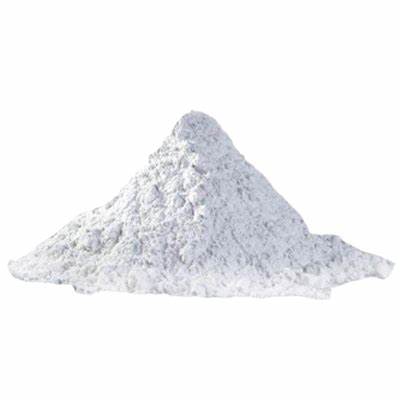
Appearance: White, fine powder or granular form.
-
Melting Point: 2,572°C (for calcium oxide).
-
Density: 3.34 g/cm³ (for calcium oxide).
-
-
Uses:
-
Construction: Used in mortar, plaster, and concrete production.
-
Water Treatment: Used to reduce water hardness and balance pH levels.
-
Agriculture: Used to adjust soil pH and promote plant growth.
-
Chemical Industry: Used in various chemical reactions and production processes.
-
Environmental Protection: Used in wastewater treatment and flue gas desulfurization.
-
-
Health and Safety:
-
Irritant: Can cause irritation to the skin, eyes, and respiratory system.
-
Protective Equipment
-
Lime, also known as calcium oxide (CaO) or calcium hydroxide (Ca(OH)₂), has several other names depending on its form and use. Here are some of the common names:
-
Quicklime: Refers to calcium oxide (CaO).
-
Slaked Lime: Refers to calcium hydroxide (Ca(OH)₂).
-
Hydrated Lime: Another name for calcium hydroxide (Ca(OH)₂).
-
Burnt Lime: Refers to calcium oxide (CaO).
-
Limewater: A solution of calcium hydroxide in water.
Calcium Oxide – Usage Areas
| Sector | Application | Explanation |
|---|---|---|
| Construction | Cement and mortar production | Essential in clinker formation; irreplaceable binder. |
| Agriculture | Soil pH regulation, fertilizer production | Neutralizes acidic soils and serves as calcium fertilizer additive. |
| Water Treatment | Softening, neutralization | Neutralizes acidic environments and precipitates heavy metals. |
| Metallurgy | Slag remover in steelmaking | Provides high alkalinity to eliminate sulfur and phosphorus. |
| Paper Industry | Bleaching of cellulose pulp | Improves pulp quality and paper texture. |
| Food & Pharma | Food additive (E529), gelatin/sugar production | Acts as acid regulator and reactive agent. |
| Animal Feed | Feed additive | Used in high-efficiency feed formulations. |
| Energy & Technology | Solid oxide fuel cells, oxygen generation systems | Cathode material and oxygen production processes. |
| Glass Industry | Strength-enhancing additive | Improves mechanical and chemical durability of glass. |
Calcium Oxide (CaO) vs Calcium Hydroxide (Ca(OH)₂) – Particle Sizes (Micron & mm)
| Chemical | Type / Form | Particle Size (µm / mm) | Application |
|---|---|---|---|
| CaO – Calcium Oxide | Fine powder (white powder) | 10–50 µm | Cement, glass, chemical processes |
| Granular form | 0.5–3 mm | Metallurgy, slag removal | |
| Lump form (chunk lime) | 10–50 mm | Steelmaking, high-temperature processes | |
| Ca(OH)₂ – Calcium Hydroxide | Fine powder (slaked lime) | 5–20 µm | Agriculture, food additive, pharmaceuticals |
| Suspension (lime milk) | Micronized (<5 µm) | Water treatment, pH regulation | |
| Granular form | 0.5–2 mm | Construction, mortar and plaster additives |
Key Notes
-
Micron (µm): 1 µm = 0.001 mm. Powder forms are typically in the 5–50 µm range.
-
Millimeter (mm): Granular and lump forms range from 0.5 mm up to 50 mm.
-
Selection criteria:
-
Micronized powders: Preferred in chemical, food, pharma, and agriculture sectors.
-
Granules/lumps (mm sizes): Used in metallurgy, cement, and high-temperature industrial processes.
-