We unleash your business potential by maximize the business innovation.
Send EmailSweet Chestnut, Castanea Sativa, Kestane, Marron, Maron, Kastanya
SWEET CHESTNUT – TATLI KESTANE
1. PRODUCT IDENTIFICATION
| Parameter | Information |
|---|---|
| Scientific Name | Castanea sativa |
| Turkish Name | Tatlı Kestane, Kestane |
| English Name | Sweet Chestnut, European Chestnut, Spanish Chestnut |
| Other Names | Marron, Maron, Kastanya, Avrupa Kestanesi, İspanyol Kestanesi, Slovak Kestanesi |
| Family | Fagaceae |
| Genus | Castanea |
| Species | Castanea sativa |
| Origin | Southern Europe and Asia Minor |
| Product Type | Edible nut (tree nut) |
2. BOTANICAL DESCRIPTION
| Parameter | Information |
|---|---|
| Growth Form | Large deciduous tree with broad crown |
| Height | Up to 25-35 meters |
| Bark | Dark brown, deeply fissured |
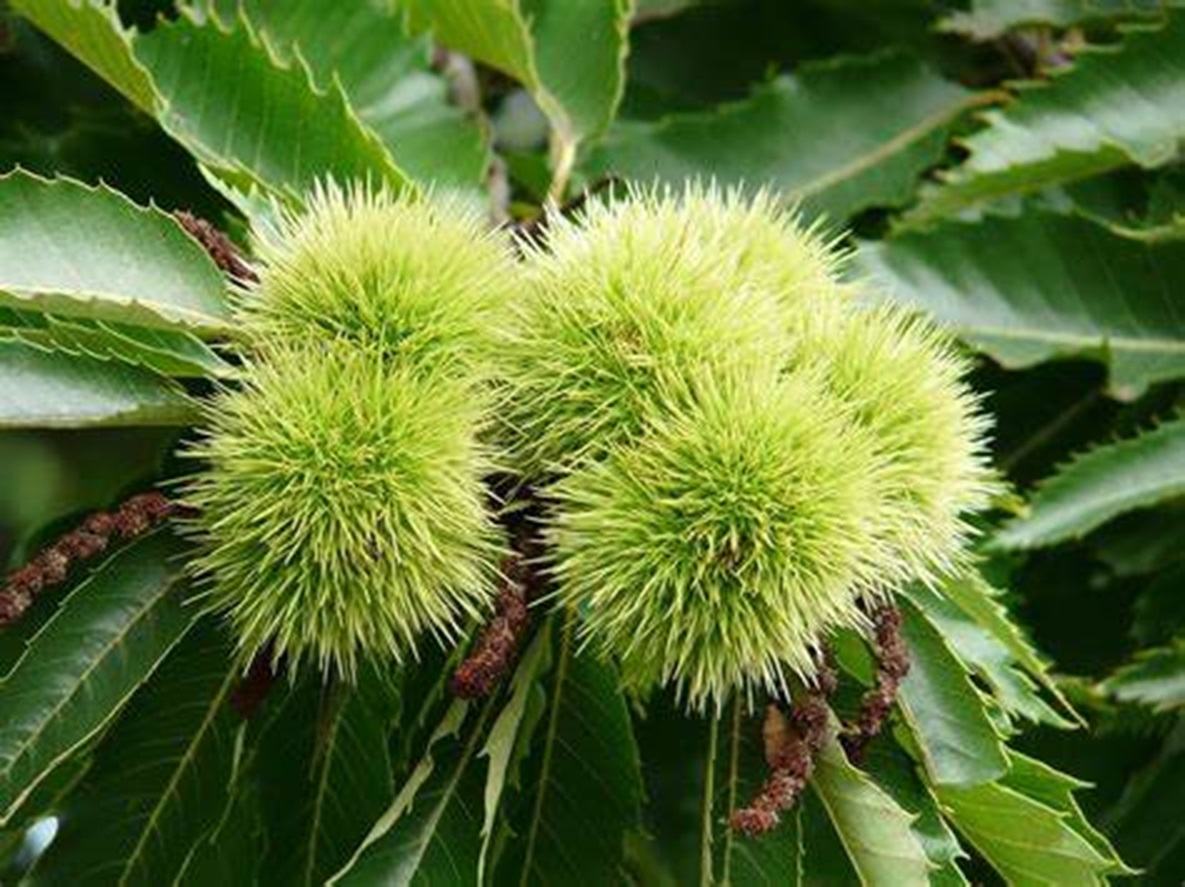
| Leaves | Elongated, glossy green, serrated edges |
| Flowers | Catkins (male and female flowers on same tree) |
| Fruit | Edible nuts enclosed in a spiny husk (burr) |
| Lifespan | Can live up to 500-1000 years |
3. PHYSICAL PROPERTIES (Raw Chestnut)
| Property | Description |
|---|---|
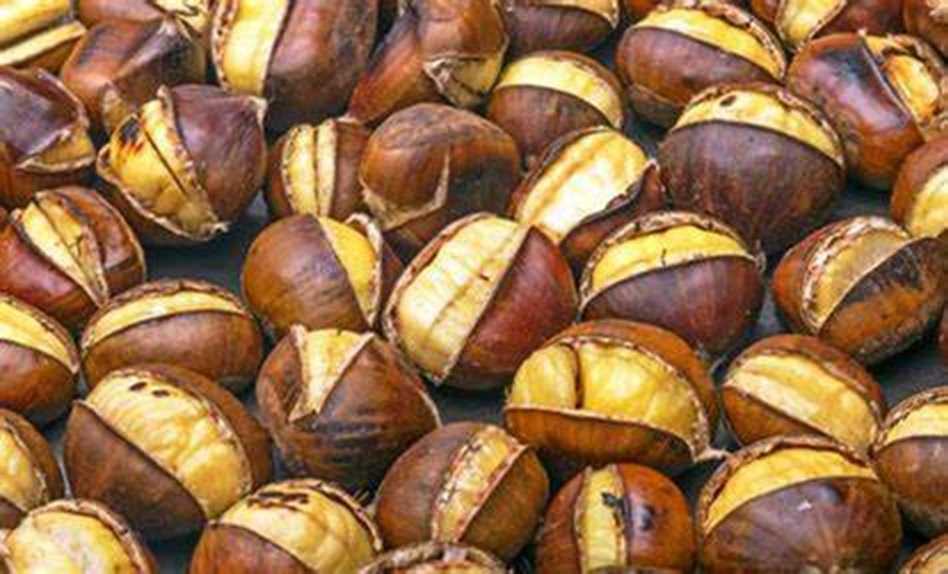
| Appearance | Brown, glossy shell |
| Shape | Flattened oval or round |
| Size | 2-5 cm diameter |
| Weight | 5-20 g (variety dependent) |
| Shell | Hard, leathery, brown |
| Kernel | Creamy white to pale yellow |
| Texture | Firm, slightly starchy |
| Taste | Sweet, nutty, mild |
4. NUTRITIONAL VALUES (100 g Raw Sweet Chestnut)
| Nutrient | Amount |
|---|---|
| Energy | ~131 kcal |
| Water | ~48 g |
| Carbohydrates | ~28 g |
| Starch | ~20 g |
| Sugars | ~6 g |
| Fiber | ~8 g |
| Protein | ~2 g |
| Fat | ~0.9 g |
| Potassium | ~380 mg |
| Magnesium | ~30 mg |
| Iron | ~1.2 mg |
| Calcium | ~19 mg |
| Phosphorus | ~100 mg |
| Vitamin C | ~43 mg |
| Vitamin B6 | ~0.2 mg |
| Folate | ~62 µg |
5. COMPARISON: SWEET CHESTNUT VS OTHER NUTS
| Property | Sweet Chestnut | Walnut | Almond | Hazelnut |
|---|---|---|---|---|
| Fat Content | Low (~0.9%) | High (~65%) | High (~50%) | High (~60%) |
| Carbohydrates | High (~28%) | Low (~14%) | Low (~22%) | Low (~17%) |
| Protein | Moderate (~2%) | Moderate (~15%) | High (~21%) | Moderate (~15%) |
| Fiber | High (~8%) | Moderate (~7%) | High (~12%) | High (~10%) |
| Primary Use | Starch source, flour | Snack, oil | Snack, oil | Snack, oil |
6. HEALTH BENEFITS
| Benefit | Description |
|---|---|
| Heart Health | Low fat content and high fiber support heart health |
| Immune System | High Vitamin C content strengthens the immune system |
| Digestive Health | High fiber content regulates digestion and supports gut health |
| Energy Source | High carbohydrate content provides sustainable energy |
| Bone Health | Phosphorus and magnesium content supports bone density |
| Antioxidant Properties | Contains polyphenols and flavonoids; protects against free radicals |
7. CULINARY APPLICATIONS AND USES
| Application | Description |
|---|---|
| Roasted Chestnuts | Classic winter snack; roasted over open fire or in oven |
| Boiled Chestnuts | Cooked in water; softer texture |
| Chestnut Flour | Gluten-free flour alternative for baking and cooking |
| Chestnut Puree | Used in desserts, pastries, and confectionery |
| Chestnut Honey | Monofloral honey produced from chestnut flowers |
| Traditional Dishes | Used in stuffing, soups, stews, and casseroles |
| Desserts | Mont Blanc, chestnut cake, chestnut cream, marrons glacés |
8. GLUTEN-FREE ALTERNATIVE
Chestnut flour is a popular gluten-free alternative:
| Property | Chestnut Flour |
|---|---|
| Gluten Content | Gluten-free |
| Protein Content | Moderate |
| Fiber Content | High |
| Shelf Life | 12-18 months (cool, dry storage) |
| Applications | Pasta, bread, cakes, pancakes |
9. SEASONAL INFORMATION
| Parameter | Information |
|---|---|
| Harvest Season | September – November |
| Peak Availability | October – December |
| Storage | Cool, dry, ventilated area |
| Shelf Life (Fresh) | 2-4 weeks (refrigerated) |
| Shelf Life (Dried) | 6-12 months |
10. KEY PRODUCING COUNTRIES
| Country | Production Notes |
|---|---|
| Turkey | Major producer in Black Sea region |
| Italy | Famous for marron varieties |
| France | Notable for high-quality chestnuts |
| Portugal | Significant production |
| Spain | Well-known chestnut varieties |
| Greece | Traditional chestnut cultivation |
11. SUMMARY AND KEY POINTS
| Parameter | Value |
|---|---|
| Product | Sweet Chestnut (European Chestnut) |
| Scientific Name | Castanea sativa |
| Family | Fagaceae |
| Origin | Southern Europe, Asia Minor |
| Key Nutrients | Carbohydrates, fiber, Vitamin C, potassium |
| Primary Use | Food (snack, flour, desserts) |
| Harvest Season | September – November |
CRITICAL NOTES
-
Low Fat Content: Sweet chestnuts are unique among nuts due to their low fat content and high carbohydrate content, making them more similar to grains than typical nuts.
-
Gluten-Free: Chestnut flour is a valuable gluten-free alternative for people with celiac disease or gluten sensitivity.
-
Perishable: Fresh chestnuts are perishable and should be stored in cool, ventilated conditions to prevent mold.
-
Not to Be Confused with Horse Chestnut: Sweet chestnut (Castanea sativa) is edible and should not be confused with horse chestnut (Aesculus hippocastanum), which is toxic.
-
Allergies: While chestnut allergies are less common than other nut allergies, they can still occur.
IMPORTANT DECLARATION: This Technical Data Sheet (TDS) is for informational purposes only and has been prepared based on available technical data. Product characteristics may vary depending on growing conditions, harvest period, and processing methods. This document does not guarantee the stated specifications; sample analysis and supplier verification are recommended for final acceptance.