We unleash your business potential by maximize the business innovation.
Send EmailQuebracho Tannin, Tannin, Glycerite, Gallotannin, Chinese Gallotannin, E181, 100085-70-9
KEBROKA – QUEBRACHO TANNIN
CAS Number: 100085-70-9
EC/List Number: 215-753-2
Molecular Formula: C₇₆H₅₂O₄₆
E Number: E181 (General code for tannins)
1. PRODUCT IDENTIFICATION
| Parameter | Information |
|---|---|
| Product Name | Kebroka, Quebracho Tannin |
| Other Names | Tannin, Glycerite, Gallotannin, Chinese Gallotannin, Quebracho vegetable tannin |
| Chemical Class | Hydrolyzable tannin (gallotannin) |
| CAS Number | 100085-70-9 |
| EC/List Number | 215-753-2 |
| Molecular Formula | C₇₆H₅₂O₄₆ |
| E Number | E181 (General code for tannins) |
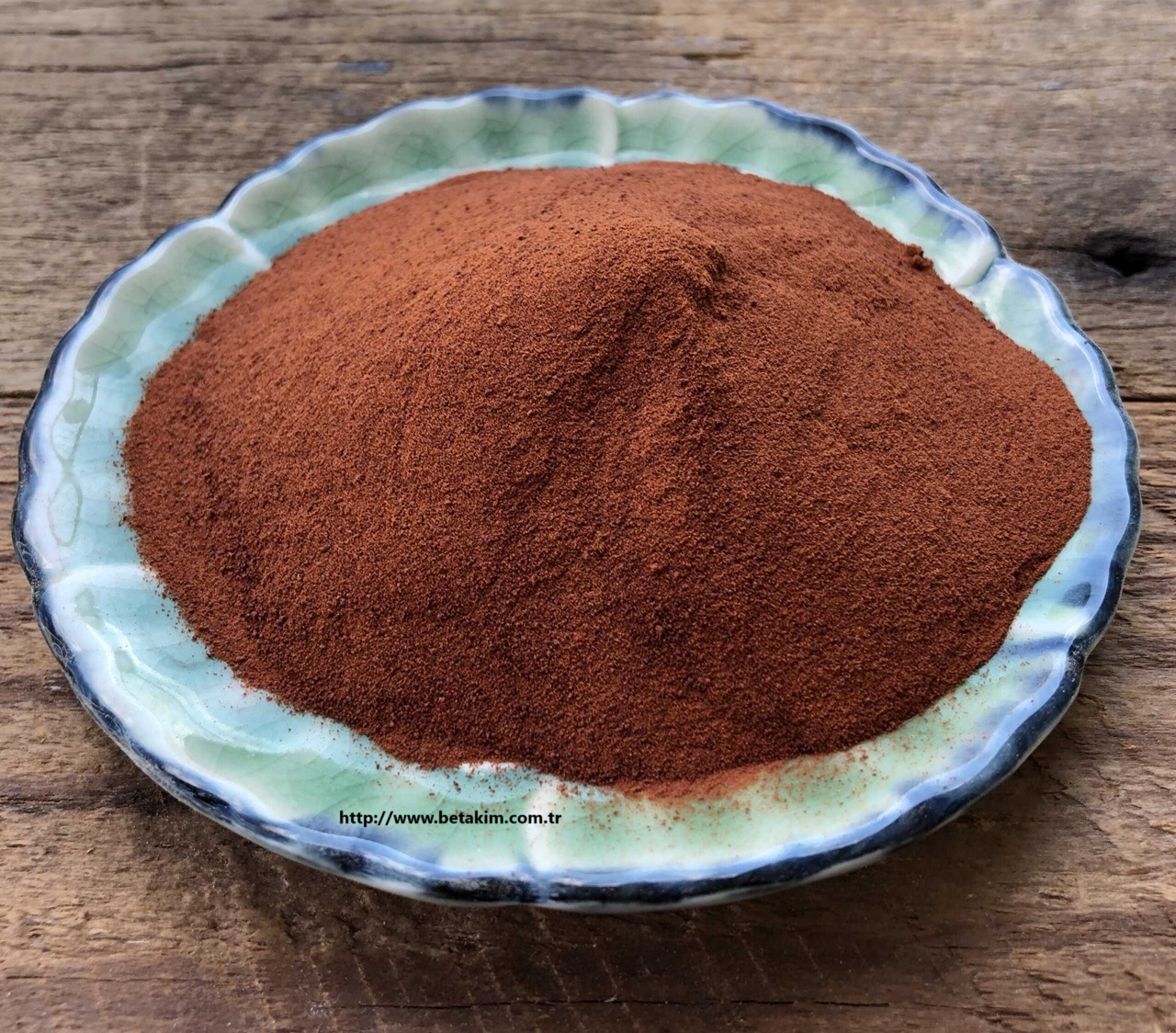
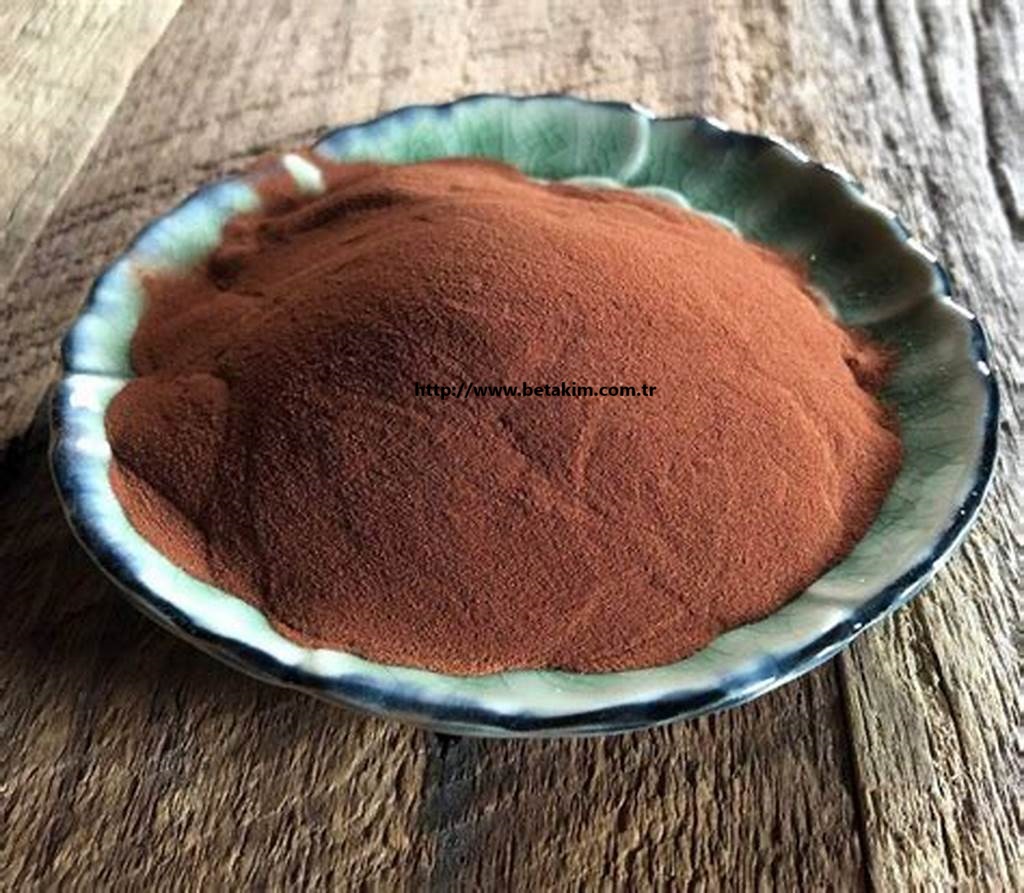
| Appearance | Light yellow to brown, powder, flakes or spongy mass |
| Odor | Slight characteristic |
| Origin | Argentina (Quebracho tree) |
2. PHYSICAL AND CHEMICAL PROPERTIES
| Property | Value / Description |
|---|---|
| Appearance | Light yellow to brown, powder, flakes or spongy mass |
| Odor | Slight characteristic |
| Melting Point | ~200°C (decomposes) |
| Density (20°C) | >1 g/cm³ |
| Solubility in Water (20°C) | Soluble (~0.35 g/mL) |
| pH (1:10 solution) | 3.5 – 5.0 (acidic) |
| Tannin Content | High (70-80%) |
| Stability | Stable under normal conditions; protect from light and moisture |
| Incompatible Materials | Strong oxidizing agents, iron salts (color change) |
3. TYPES OF TANNINS
| Type | Description |
|---|---|
| Hydrolyzable Tannins | Esters of gallic acid or ellagic acid; hydrolyzed by acids or enzymes. Gallotannins belong to this group. |
| Condensed Tannins | Flavonoid polymers; polymerize with acids. Quebracho tannin belongs to this group. |
| Quebracho Tannin | Condensed tannin; obtained from Schinopsis species. Widely used in leather processing. |
4. APPLICATION AREAS
| Sector | Application |
|---|---|
| Leather Processing and Tanning | Primary tanning agent in leather processing; provides durability and flexibility to leather |
| Food Industry | Wine and beer clarification (fining agent); E181 as food additive |
| Flavoring Agents | Used in food flavoring, plastics, and rubber products |
| Processing Aids | Used as surfactant in various industrial processes |
| Textile and Dyeing | Natural dye mordant and fixative |
| Water Treatment | As coagulant; binds heavy metals |
| Adhesives | Used in wood adhesives and resin production |
5. FOOD INDUSTRY APPLICATIONS (E181)
| Application | Description |
|---|---|
| Wine Clarification | Binds proteins and other suspended substances to clarify wine |
| Beer Clarification | Precipitates haze-causing proteins |
| Juice Stabilization | Reduces cloudiness formation |
| Antioxidant | Acts as natural antioxidant; prevents oxidation of products |
6. SOURCES OF QUEBRACHO TANNIN
| Source | Description |
|---|---|
| Quebracho Tree | Schinopsis balansae and Schinopsis lorentzii species; South America (Argentina, Paraguay, Brazil) |
| Other Sources | Acacia, oak, chestnut, mimosa |
7. STORAGE CONDITIONS
| Parameter | Information |
|---|---|
| Storage Conditions | Cool (15-25°C), dry, well-ventilated area |
| Container Requirements | Tightly closed, original packaging (hygroscopic) |
| Protect From | Moisture, direct sunlight, iron salts |
| Shelf Life | 24-36 months (unopened original packaging) |
8. SUMMARY AND KEY POINTS
| Parameter | Value |
|---|---|
| Product | Kebroka (Quebracho Tannin) |
| CAS Number | 100085-70-9 |
| Appearance | Light yellow to brown, powder, flakes |
| Tannin Content | 70-80% |
| Primary Applications | Leather processing, food (E181), textile, water treatment |
CRITICAL NOTES
-
E181 Code: Kebroka does not have a specific E number; E181 is the general code used for tannins.
-
Water Solubility: Soluble in water but solution may be acidic; pH range 3.5-5.0.
-
Reaction with Iron: Tannins form dark-colored complexes with iron salts. Avoid iron-containing containers.
-
Hygroscopic: Absorbs moisture; store in airtight containers after opening.
-
Natural Source: Quebracho tannin is a natural product obtained from the Quebracho tree native to South America.
IMPORTANT DECLARATION: This Technical Data Sheet (TDS) is for informational purposes only and has been prepared based on available technical data. The user is responsible for determining the product's suitability for their specific application and for complying with all local, national, and international regulations. For complete safety, storage, use, transport, waste, and regulatory compliance information, refer to the official Safety Data Sheet (SDS/MSDS) provided by the manufacturer/supplier. The user is responsible for testing the product in their own processes and applications.