We unleash your business potential by maximize the business innovation.
Send EmailDimethyl Urea, Dimethyl Carbamide, N,N Dimethyl Urea, 1,3 Dimethyl Urea, 96-31-1
DIMETHYL UREA – DİMETİL ÜRE
CAS Number: 96-31-1
EC Number (EINECS): 202-498-7
Molecular Formula: C₃H₈N₂O
Molecular Weight: 88.11 g/mol
1. IDENTIFICATION INFORMATION
| Parameter | Information |
|---|---|
| Chemical Name | Dimethyl Urea / 1,3-Dimethyl Urea |
| Other Names | N,N'-Dimethyl Urea, Dimethyl Carbamide, Sym-Dimethyl Urea, Dimethylcarbamide, 1,3-Dimethyl Urea, N,N-Dimethyl Urea |
| Chemical Class | Urea derivative (organic compound) |
| CAS Number | 96-31-1 |
| EC Number (EINECS) | 202-498-7 |
| Molecular Formula | C₃H₈N₂O |
| Molecular Weight | 88.11 g/mol |
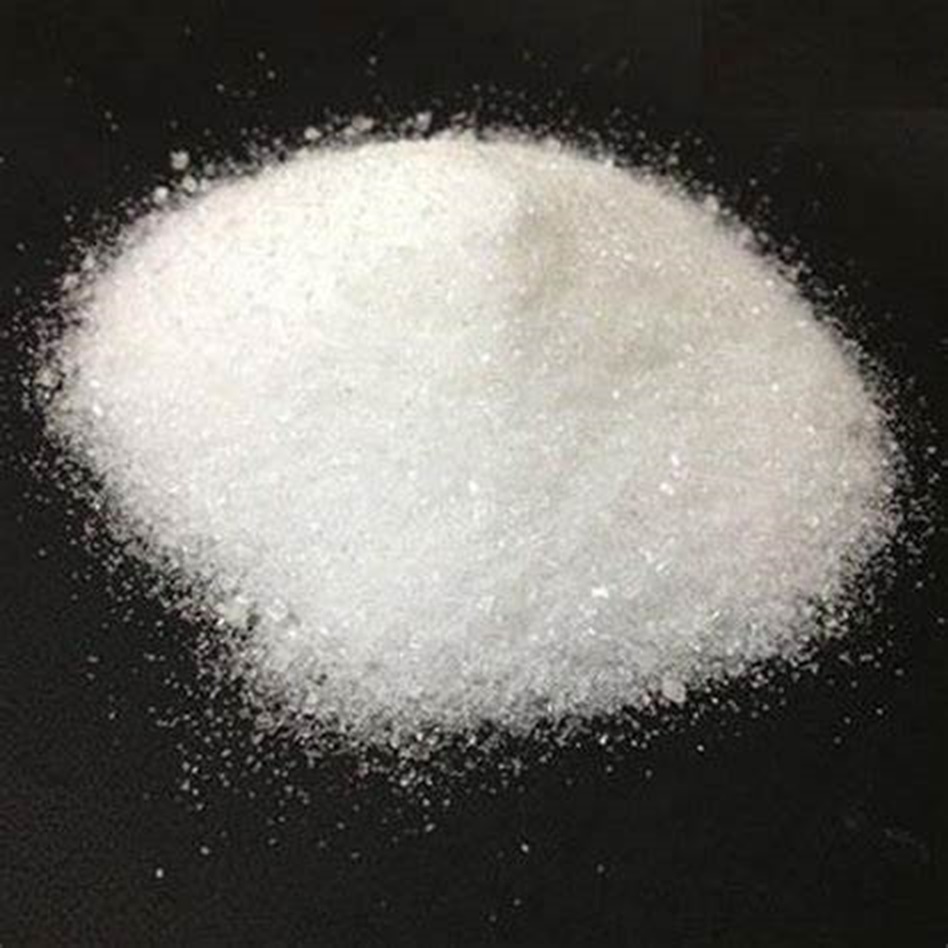
| Appearance | White crystalline powder |
| Odor | Odorless |
| Physical State (20°C) | Solid (crystalline powder) |
2. PHYSICAL PROPERTIES
| Property | Value |
|---|---|
| Physical State (20°C) | Solid (crystalline powder) |
| Appearance | White crystalline powder |
| Odor | Odorless |
| Molecular Weight | 88.11 g/mol |
| Melting Point | 177-178 °C |
| Density | ~1.32 g/cm³ |
| Solubility in Water (20°C) | Soluble (~765 g/L) |
| Solubility in Ethanol | Soluble |
| Solubility in Methanol | Soluble |
| Solubility in Chloroform | Slightly soluble |
| pH (1:10 solution) | ~6.5 – 7.5 (neutral) |
| Vapor Pressure | Low |
3. CHEMICAL PROPERTIES
| Property | Information |
|---|---|
| Chemical Formula | C₃H₈N₂O |
| Molecular Weight | 88.11 g/mol |
| Chemical Class | Urea derivative (organic compound) |
| Structure | Carbonyl group (C=O) with two methylamine groups |
| IUPAC Name | 1,3-Dimethylurea |
| SMILES | CNC(=O)NC |
| InChI Key | VLCDUOXHFOGUAP-UHFFFAOYSA-N |
| Stability | Stable under normal storage conditions |
| Hygroscopicity | Low |
| Incompatible Materials | Strong oxidizing agents, strong acids, strong bases |
Chemical Structure (Schematic):
      CH₃
       |
H₃C-N-C-NH-CH₃
      ||
      O

(1,3-Dimethylurea)
4. SYNTHESIS AND PRODUCTION
| Stage | Process | Description |
|---|---|---|
| 1 | Methylamine + Phosgene | Reaction of methylamine with phosgene (old method) |
| 2 | Methylamine + Urea | Heating of methylamine and urea (modern method) |
| 3 | Purification | Crystallization or recrystallization |
| 4 | Drying | Vacuum drying |
5. APPLICATION AREAS
| Sector | Application |
|---|---|
| Agriculture | Fertilizer component; nitrogenous fertilizer additive |
| Chemical Industry | As solvent and reagent in reactions; intermediate in chemical synthesis |
| Pharmaceutical Industry | Raw material and intermediate in drug production |
| Cosmetics | Moisturizer and softener in skin care products |
| Textile | Softener and processing aid in textile treatment |
| Plastics and Resins | Additive in resin production |
| Adhesives | In adhesive formulations |
6. STORAGE AND SHELF LIFE
| Parameter | Information |
|---|---|
| Storage Conditions | Cool (15-25°C), dry, well-ventilated area |
| Container Requirements | Tightly closed, original packaging |
| Protect From | Moisture, direct sunlight, strong oxidizing agents |
| Shelf Life | 36-60 months (unopened original packaging) |
7. SAFETY INFORMATION
GHS Classification
| Hazard Class | Category |
|---|---|
| Acute Toxicity (Oral) | Category 4 (H302) |
| Skin Irritation | Category 2 (H315) |
| Eye Irritation | Category 2A (H319) |
Hazard Statements (H-Codes)
| Code | Statement |
|---|---|
| H302 | Harmful if swallowed |
| H315 | Causes skin irritation |
| H319 | Causes serious eye irritation |
Precautionary Statements (P-Codes)
| Code | Statement |
|---|---|
| P261 | Avoid breathing dust |
| P280 | Wear protective gloves/eye protection |
| P301+P312 | IF SWALLOWED: Call a POISON CENTER/doctor if you feel unwell |
| P302+P352 | IF ON SKIN: Wash with plenty of soap and water |
| P305+P351+P338 | IF IN EYES: Rinse cautiously with water for several minutes; remove contact lenses if present and easy to do; continue rinsing |
First Aid Measures
| Exposure Route | Action |
|---|---|
| Inhalation | Move to fresh air. If respiratory irritation persists, seek medical attention. |
| Skin Contact | Wash with plenty of soap and water. Remove contaminated clothing. |
| Eye Contact | Rinse immediately with plenty of water for at least 15 minutes. Seek medical attention. |
| Ingestion | Rinse mouth. Do not induce vomiting. Seek medical attention. |
8. TRANSPORT INFORMATION
| Parameter | Information |
|---|---|
| UN Number | Not regulated (not dangerous goods) |
| Hazard Class | Not applicable |
| Packing Group | Not applicable |
| ADR/RID | Not regulated |
| IMDG Code | Not regulated |
| IATA (Air) | Not regulated |
| Marine Pollutant | No |
9. SUMMARY AND KEY POINTS
| Parameter | Value |
|---|---|
| Product | Dimethyl Urea / 1,3-Dimethyl Urea |
| CAS Number | 96-31-1 |
| Appearance | White crystalline powder |
| Melting Point | 177-178 °C |
| Molecular Weight | 88.11 g/mol |
| Primary Applications | Agriculture (fertilizer), chemical, pharmaceutical, cosmetics |
CRITICAL NOTES
-
Odorless: Dimethyl urea is odorless; odor may indicate product degradation or impurities.
-
Water Soluble: Fully soluble in water; solutions have neutral pH.
-
Stability: Stable under normal storage conditions; avoid contact with strong acids or bases.
-
Hygroscopicity: Not hygroscopic; however, may cake if exposed to moisture for extended periods.
IMPORTANT DECLARATION: This Technical Data Sheet (TDS) is for informational purposes only and has been prepared based on available technical data. The user is responsible for determining the product's suitability for their specific application and for complying with all local, national, and international regulations. For complete safety, storage, use, transport, waste, and regulatory compliance information, refer to the official Safety Data Sheet (SDS/MSDS) provided by the manufacturer/supplier.