We unleash your business potential by maximize the business innovation.
Send EmailFerrous Sulfate Heptahydrate, Iron Sulfate Heptahydrate, Green Vitriol, Copperas, Melanterite, E520, 7782-63-0
IRON(II) SULFATE HEPTAHYDRATE
Ferrous Sulfate Heptahydrate / Green Vitriol / Copperas
CAS Number: 7782-63-0
E Number: E520
1. IDENTIFICATION
| Property | Information |
|---|---|
| Chemical Name | Iron(II) Sulfate Heptahydrate |
| Common Names | Ferrous Sulfate Heptahydrate, Green Vitriol, Iron Vitriol, Copperas, Melanterite (mineral form) |
| Turkish Names | Ferro Sülfat Heptahidrat, Yeşil Vitriyol, Demir Vitriyol, Zaç-ı Kıbrıs, Karaboya, Şıbılık |
| Chemical Formula | FeSO₄ · 7H₂O |
| Molecular Weight | 278.02 g/mol |
| CAS Number | 7782-63-0 |
| EC Number | 231-753-5 |
| E Number | E520 (Food additive – color fixative) |
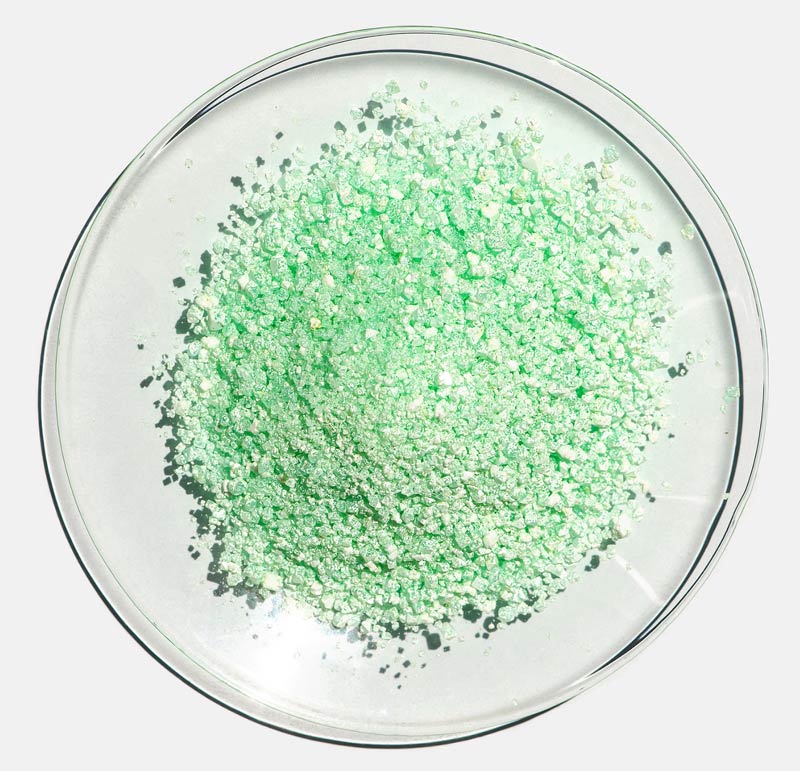
| Appearance | Light blue-green crystals |
| Odor | Odorless |
2. PHYSICAL PROPERTIES
| Property | Value |
|---|---|
| Physical State (20°C) | Solid (crystalline) |
| Color | Light blue-green / bluish-green |
| Melting Point | 60 – 64 °C (decomposes / loses water) |
| Density (20°C) | 1.895 g/cm³ |
| Bulk Density | Approx. 1.0 – 1.1 g/cm³ (powdered form) |
| pH (5% aqueous solution) | Approx. 3.0 – 4.0 (acidic) |
| Solubility in Water (20°C) | Soluble – approx. 480 g/L |
| Solubility in Ethanol | Slightly soluble |
| Hygroscopicity | Efflorescent in dry air; oxidizes in moist air |
| Odor | Odorless |
3. CHEMICAL PROPERTIES
| Property | Value |
|---|---|
| Molecular Formula | FeSO₄ · 7H₂O |
| Molecular Weight | 278.02 g/mol |
| Iron (Fe) Content | Approx. 20.1% |
| Valence State | +2 (Ferrous / Iron II) |
| Crystal Water Content | 7 molecules of water (approx. 45% water by weight) |
| Stability | Efflorescent in dry air; surface oxidizes to brown ferric sulfate in moist air |
Dehydration Sequence:
text
FeSO₄·7H₂O → FeSO₄·4H₂O → FeSO₄·H₂O → FeSO₄ (anhydrous) at 60-64°C → decomposition
Oxidation Reaction:
text
4 FeSO₄ + O₂ + 2 H₂O → 4 FeOHSO₄ (Brown ferric compounds)
Thermal Decomposition (Heating above 600°C):
text
2 FeSO₄ → Fe₂O₃ + SO₂↑ + SO₃↑
4. CHARACTERISTICS & REACTIVITY
| Parameter | Information |
|---|---|
| Appearance | Characteristic light blue-green crystalline form |
| Iron Source | High bioavailable iron content (20.1% Fe) |
| Reducing Agent | Ferrous (Fe²⁺) form acts as a reducing agent |
| Oxidation Sensitivity | Easily oxidizes to brown ferric (Fe³⁺) in moist air |
| Efflorescence | Loses crystal water in dry air; turns white/powdery |
| Acidic Nature | Forms acidic aqueous solutions (pH 3-4) |
| Incompatible Materials | Strong oxidizing agents, alkalis, carbonates, cyanides |
5. APPLICATIONS
5.1. Agriculture
| Application | Function |
|---|---|
| Fertilizer | Used as iron fertilizer to promote plant growth |
| Chlorosis Treatment | Corrects iron deficiency (yellowing of leaves) in plants |
| Soil Acidifier | Lowers soil pH in calcareous soils |
| Moss Control | Used as moss killer in lawns and turf |
| Weed Control | Herbicide for certain broadleaf weeds |
5.2. Pharmaceutical Industry
| Application | Function |
|---|---|
| Iron Supplement | Used in medications to treat iron deficiency anemia |
| Dietary Supplements | Iron fortification in nutritional products |
| Oral Iron Therapy | Common form in oral iron preparations |
5.3. Food Industry (E520)
| Application | Function |
|---|---|
| Food Additive (E520) | Used as food color fixative |
| Color Retention | Preserves color in fruits and vegetables (olives, pickles) |
| Iron Fortification | Added to foods for iron enrichment (e.g., flour, infant cereals) |
5.4. Photography
| Application | Function |
|---|---|
| Collodion Solutions | Used in photographic collodion processes |
| Developer Component | Component in some photographic developer solutions |
| Historical Photography | Used in wet plate collodion photography |
5.5. Corrosion-Resistant Coatings
| Application | Function |
|---|---|
| Protective Coatings | Used in corrosion-resistant coating solutions |
| Surface Treatment | Applied to metal surfaces for protection |
| Rust Conversion | Converts rust into stable iron compounds |
5.6. Water Treatment
| Application | Function |
|---|---|
| Coagulant | Used in wastewater treatment as coagulant |
| Phosphate Removal | Removes phosphates from wastewater |
| Hydrogen Sulfide Control | Removes H₂S odors from water |
5.7. Chemical Industry
| Application | Function |
|---|---|
| Reducing Agent | Used as reducing agent in chemical synthesis |
| Ink Manufacturing | Used in production of iron gall ink |
| Dye Production | Component in certain dye manufacturing processes |
| Catalyst | Used as catalyst in some chemical reactions |
5.8. Animal Feed
| Application | Function |
|---|---|
| Iron Supplement | Added to animal feed as iron source |
| Pigmentation | Helps maintain proper color in meat products |
| Growth Promotion | Supports healthy growth in livestock |
5.9. Cement Industry
| Application | Function |
|---|---|
| Chromium Reduction | Reduces Cr⁶⁺ to Cr³⁺ in cement |
| Color Additive | Provides color correction in cement products |
6. COMPARISON – HEPTAHYDRATE vs MONOHYDRATE vs ANHYDROUS
| Property | Heptahydrate | Monohydrate | Anhydrous |
|---|---|---|---|
| Formula | FeSO₄·7H₂O | FeSO₄·H₂O | FeSO₄ |
| CAS Number | 7782-63-0 | 7720-78-7 | 7720-78-7 |
| Iron Content | ~20.1% Fe | ~32.9% Fe | ~36.8% Fe |
| Appearance | Light blue-green | Beige/yellow-brown | White to gray |
| Stability | Efflorescent | More stable | Most stable |
| Primary Use | Fertilizer, supplements | Animal feed, cement | Specialized applications |
7. FORMULATION EXAMPLES (Typical Usage Levels)
| Application Area | Typical Concentration | Notes |
|---|---|---|
| Soil Fertilizer | 50 – 200 kg/hectare | Depends on soil iron deficiency |
| Foliar Spray (Agriculture) | 0.5 – 2% solution | For rapid iron correction |
| Iron Supplement (Tablet) | 100 – 325 mg Fe/day | As elemental iron |
| Wastewater Treatment | 10 – 100 mg/L | As coagulant / phosphate remover |
| Moss Control (Lawn) | 5 – 10% solution | Apply in early spring/fall |
| Animal Feed | 50 – 500 mg/kg feed | As iron source |
8. STORAGE & HANDLING
| Parameter | Information |
|---|---|
| Storage Conditions | Cool, dry, well-ventilated area |
| Container Requirements | Tightly closed, moisture-proof containers (HDPE, lined steel, glass) |
| Protect From | Moisture, humidity, strong oxidizing agents, alkalis |
| Shelf Life | 12-24 months when stored properly in unopened packaging (heptahydrate is less stable than monohydrate) |
| Efflorescence | May lose crystal water in dry air; store in sealed containers |
| Oxidation Prevention | Store away from air/moisture to prevent oxidation to brown ferric form |
| Incompatible Materials | Strong oxidizing agents, alkalis, carbonates, cyanides |
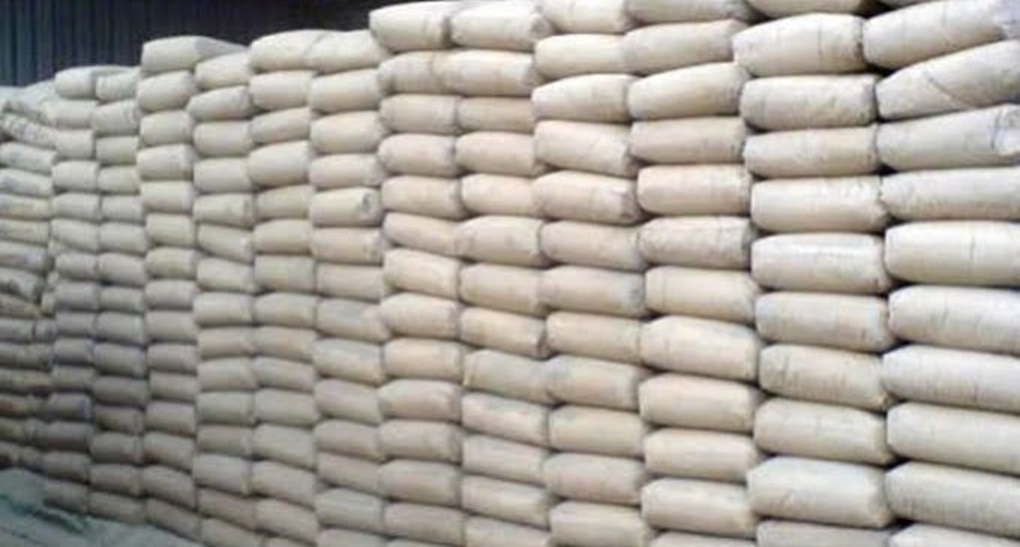
| Packaging Types | 25 kg bags (multi-layer paper/PE), 50 kg drums, FIBC (big bags) |
9. SAFETY & HEALTH INFORMATION
GHS Classification
| Hazard Class | Category |
|---|---|
| Acute Toxicity (Oral) | Category 4 (Harmful if swallowed) |
| Skin Irritation | Category 2 (Causes skin irritation) |
| Eye Irritation | Category 2 (Causes serious eye irritation) |
| Specific Target Organ Toxicity (Single exposure) | Category 3 (Respiratory irritation) |
Hazard Statements (H-Codes)
| Code | Statement |
|---|---|
| H302 | Harmful if swallowed |
| H315 | Causes skin irritation |
| H319 | Causes serious eye irritation |
| H335 | May cause respiratory irritation |
Precautionary Statements (P-Codes)
| Code | Statement |
|---|---|
| P261 | Avoid breathing dust |
| P264 | Wash thoroughly after handling |
| P270 | Do not eat, drink or smoke when using this product |
| P280 | Wear protective gloves, protective clothing, eye protection |
| P301+P312 | IF SWALLOWED: Call a POISON CENTER if you feel unwell |
| P305+P351+P338 | IF IN EYES: Rinse cautiously with water for several minutes |
First Aid Measures
| Exposure Route | Action |
|---|---|
| Inhalation | Remove to fresh air. Seek medical attention if respiratory irritation occurs. |
| Skin Contact | Wash with plenty of water for at least 15 minutes. Remove contaminated clothing. |
| Eye Contact | Rinse immediately with plenty of water for at least 15 minutes. Seek medical attention. |
| Ingestion | Rinse mouth. Drink plenty of water. Do NOT induce vomiting. Seek medical attention. |
NFPA 704
| Health (Blue) | Fire (Red) | Reactivity (Yellow) | Special (White) |
|---|---|---|---|
| 2 | 0 | 1 | None |
10. ENVIRONMENTAL INFORMATION
| Parameter | Information |
|---|---|
| Aquatic Toxicity | Toxic to aquatic life; avoid release to waterways |
| Persistence | Iron precipitates as iron hydroxide/oxide |
| Bioaccumulation | Not expected |
| Soil Effects | Can acidify soil; use according to recommendations |
| Waste Disposal | Dispose according to local regulations. Do not discharge into natural water bodies. |
11. REGULATORY INFORMATION
| Region | Status |
|---|---|
| EU | Registered under REACH (EC) 1907/2006; E520 approved as food additive |
| USA (FDA) | GRAS for iron supplementation at appropriate levels; food additive approved |
| Turkey | Compliant with local chemical, pharmaceutical, and food regulations |
| E Number | E520 (Color fixative / food additive) |
| Transport Classification | Not classified as dangerous goods for transport (may vary by quantity) |
12. OTHER NAMES & SYNONYMS
| Name | Description |
|---|---|
| Ferrous Sulfate Heptahydrate | Most common scientific name |
| Green Vitriol | Historical name from vitriol family |
| Iron Vitriol | Alternative historical name |
| Copperas | Old trade name (from Latin "cuprum" - copper) |
| Melanterite | Mineral name for natural form |
| Zaç-ı Kıbrıs | Turkish historical name |
| Karaboya | Turkish alternative name |
| Şıbılık | Turkish local name |
| E520 | European food additive code |
Database Identifiers:
-
CAS: 7782-63-0
-
EC: 231-753-5
-
MDL: MFCD00149719
-
RTECS: NO8510000
-
Merck Index: 14,3357
13. SUMMARY
Iron(II) Sulfate Heptahydrate (Ferrous Sulfate Heptahydrate, FeSO₄·7H₂O, CAS 7782-63-0, E520) is a light blue-green crystalline compound containing 7 water molecules. It is the most commercially common form of ferrous sulfate.
Key Features:
| Feature | Description |
|---|---|
| Color | Characteristic light blue-green crystals |
| Iron Content | 20.1% elemental iron (bioavailable Fe²⁺) |
| Hydration | Contains 7 water molecules (approx. 45% water) |
| Solubility | Highly soluble in water |
| Stability | Efflorescent; oxidizes in moist air |
| E Number | E520 (food additive – color fixative) |
Main Application Areas:
| Sector | Applications |
|---|---|
| Agriculture | Iron fertilizer, chlorosis treatment, soil acidifier, moss/weed control |
| Pharmaceuticals | Iron supplements, anemia treatment, oral iron therapy |
| Food Industry (E520) | Color fixative, iron fortification, food additive |
| Water Treatment | Coagulant, phosphate removal, H₂S control |
| Photography | Collodion solutions, photographic development |
| Chemical Industry | Reducing agent, ink production, catalyst |
| Animal Feed | Iron supplementation in livestock feed |
| Coatings | Corrosion-resistant protective coatings |
14. IMPORTANT NOTES
-
Distinct Appearance: The light blue-green color is characteristic of the heptahydrate form. If the product turns brown/yellow, it has oxidized to ferric form.
-
Efflorescence: In dry air, heptahydrate loses crystal water and turns white/powdery. Store in airtight containers.
-
Oxidation: Ferrous (Fe²⁺) easily oxidizes to ferric (Fe³⁺) in moist air. The monohydrate form is more stable for long-term storage.
-
Staining: Iron sulfate causes rust-colored stains on skin, clothing, and surfaces. Wash spills immediately.
-
Acidic Nature: Aqueous solutions are acidic (pH 3-4). Use appropriate protective equipment when handling.
-
Pharmaceutical Use: Common form in oral iron tablets but requires proper formulation to avoid gastric irritation.
-
E520 Status: As a food additive, it is approved as a color fixative, not as a general preservative.
-
Water Treatment: Effective for phosphate removal but requires proper dosing to avoid secondary contamination.
Important Disclaimer: This Technical Data Sheet (TDS) is for informational purposes only. For complete safety, handling, storage, and regulatory compliance information, always refer to the official Safety Data Sheet (SDS) provided by the manufacturer/supplier.