We unleash your business potential by maximize the business innovation.
Send EmailItaconic Acid, Methylene Succinic Acid, Methylidene Butanedioic Acid, Methylenesuccinic Acid, 97-65-4
ITACONIC ACID
Itaconic Acid / Methylene Succinic Acid / Methylidene Butane Dioic Acid / 2-Methylenesuccinic Acid
CAS Number: 97-65-4
EC Number: 202-599-6
1. PRODUCT IDENTIFICATION AND CHEMICAL IDENTITY
| Parameter | Description |
|---|---|
| Chemical Name (IUPAC) | 2-Methylidenebutanedioic acid |
| Other Names | Itaconic Acid, Methylene Succinic Acid, Methylidenebutanedioic acid, 2-Methylenesuccinic acid, 1-Propene-2,3-dicarboxylic acid, Prop-2-ene-1,2-dicarboxylic acid |
| CAS Number | 97-65-4 |
| EC Number (EINECS) | 202-599-6 |
| Molecular Formula | C₅H₆O₄ |
| Molecular Weight | 130.10 g/mol |
| Chemical Class | Dicarboxylic acid (unsaturated, bio-based) |
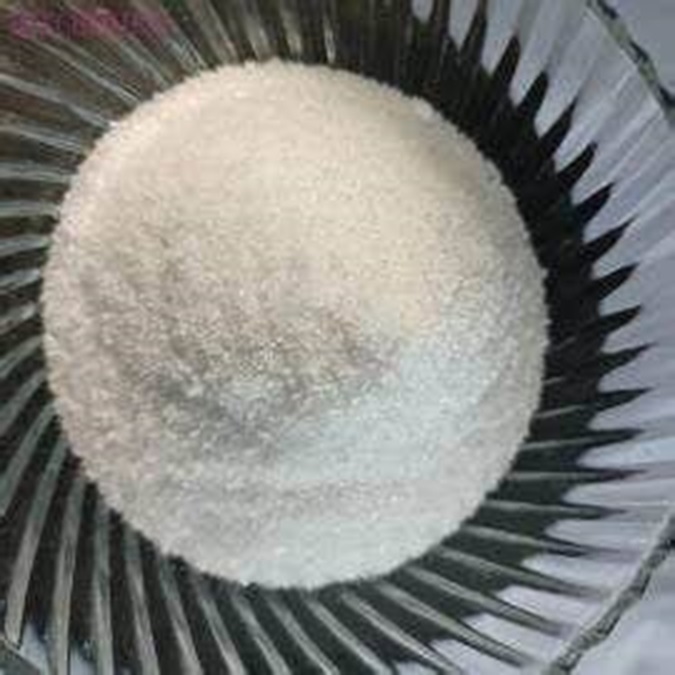
| Appearance | White crystalline powder or crystals |
| Odor | Characteristic odor |
| Taste | Slightly acidic |
Itaconic acid is an unsaturated dicarboxylic acid with the chemical formula C₅H₆O₄. It is a white crystalline solid that is soluble in water and various organic solvents. As a bio-based chemical, itaconic acid is produced by fermentation of carbohydrates using microorganisms such as Aspergillus terreus. It is a sustainable alternative to petrochemical-based monomers and is considered a key building block for green chemistry. Itaconic acid contains two carboxyl groups and a reactive double bond, making it highly versatile for polymerization and derivatization reactions . It is used in the production of synthetic resins, plastics, textile fibers, adhesives, coatings, detergents, water treatment chemicals, and pharmaceuticals.
2. PHYSICAL AND CHEMICAL PROPERTIES
| Property | Value |
|---|---|
| Molecular Formula | C₅H₆O₄ |
| Molecular Weight | 130.10 g/mol |
| Appearance | White crystalline powder or crystals |
| Odor | Characteristic odor |
| Density | 1.63 g/cm³ |
| Melting Point | 162-164°C (decomposes) |
| Boiling Point | Decomposes before boiling |
| Water Solubility | Soluble (1 g / 12 mL) |
| Ethanol Solubility | Soluble (1 g / 5 mL) |
| pH | Acidic |
| Flash Point | Not applicable (decomposes) |
Itaconic acid is a white crystalline solid that decomposes upon heating at 162-164°C without melting. It is soluble in water (1 g/12 mL) and ethanol (1 g/5 mL) . The compound has two carboxyl groups and a reactive double bond (C=C) in its structure, which provides high reactivity and polymerization capability . Its bio-based origin makes it an environmentally friendly alternative to petrochemical-based monomers.
3. CHEMICAL PROPERTIES AND REACTIONS
Itaconic acid is an unsaturated dicarboxylic acid that undergoes the characteristic reactions of both carboxyl groups and the reactive double bond.
Polymerization:
Itaconic acid readily polymerizes with itself or with other monomers (acrylic acid, acrylamide, styrene, butadiene) to form homopolymers and copolymers. The double bond allows free-radical polymerization.
Esterification:
Itaconic acid reacts with alcohols to form mono- and diesters, which are used as plasticizers and intermediates.
Decarboxylation:
Itaconic acid can be decarboxylated to form itaconic anhydride or other derivatives.
Hydrogenation:
The double bond can be hydrogenated to form methylsuccinic acid.
Metal Complexation:
Itaconic acid forms complexes with metal ions, making it useful as a chelating agent and scale inhibitor .
4. PRODUCTION METHOD
Itaconic acid is produced industrially by fermentation of carbohydrates (sugars, molasses, starch) using the fungus Aspergillus terreus . The fermentation process is carried out under aerobic conditions at controlled temperature and pH. The itaconic acid is then recovered from the fermentation broth by precipitation, crystallization, and purification.
Fermentation Process:
-
Substrate Preparation: Carbohydrate sources (glucose, sucrose, molasses) are prepared with nutrients and mineral salts.
-
Fermentation: Aspergillus terreus is cultivated in fermenters under aerobic conditions at 30-35°C for 5-7 days.
-
Recovery: The fermentation broth is filtered to remove biomass, and itaconic acid is precipitated by adjusting pH.
-
Crystallization: The crude itaconic acid is crystallized and purified.
5. SPECIFICATIONS (INDUSTRIAL GRADE)
| Parameter | Specification |
|---|---|
| Purity | ≥ 99.0% |
| Appearance | White crystalline powder |
| Melting Point | 162-164°C |
| Loss on Drying | ≤ 0.5% |
| Residue on Ignition | ≤ 0.1% |
| Heavy Metals (Pb) | ≤ 10 ppm |
| Iron (Fe) | ≤ 10 ppm |
| Chloride | ≤ 0.02% |
| Sulfate | ≤ 0.03% |
6. APPLICATIONS AND INDUSTRIAL USES
Itaconic acid is a versatile bio-based chemical with a wide range of applications across multiple industries .
6.1. Polymers and Resins (Most Important Application)
| Application | Description |
|---|---|
| Acrylic Resins | Used as a co-monomer in acrylic resin formulations to improve adhesion, flexibility, and chemical resistance. |
| SBR (Styrene-Butadiene Rubber) | Used in SBR production to improve mechanical properties and adhesion. |
| Unsaturated Polyester Resins | Used in unsaturated polyester resins to enhance performance. |
| Polyamides | Used in polyamide production. |
| Polyurethanes | Used in polyurethane formulations. |
| Bioplastics | Used in the production of biodegradable plastics . |
Itaconic acid is primarily used in polymer and resin applications. It is incorporated as a co-monomer in acrylic resins, SBR, unsaturated polyester resins, polyamides, and polyurethanes to enhance adhesion, flexibility, mechanical strength, and chemical resistance . Its bio-based nature makes it an ideal choice for sustainable polymer production.
6.2. Coatings and Paints
| Application | Description |
|---|---|
| Water-Based Coatings | Used in water-based coatings for improved adhesion and water resistance. |
| Low-VOC Paints | Used in environmentally friendly, low-VOC paint formulations. |
| Industrial Coatings | Used in industrial coatings for enhanced durability. |
Itaconic acid is used in water-based coatings, low-VOC paints, and industrial coatings to improve adhesion, water resistance, and durability .
6.3. Adhesives and Dispersions
| Application | Description |
|---|---|
| Pressure-Sensitive Adhesives | Used as a co-monomer in PSA formulations to improve tack and adhesion. |
| SBR/Acrylic Latex Stabilizers | Used as a stabilizer in latex dispersions. |
| Industrial Adhesives | Used in various industrial adhesive formulations. |
Itaconic acid is used in pressure-sensitive adhesives (PSA) as a co-monomer to improve tack and adhesion. It is also used as a stabilizer in SBR and acrylic latex dispersions .
6.4. Textile and Fiber Industry
| Application | Description |
|---|---|
| Textile Finishing Chemicals | Used in textile finishing to improve durability and performance. |
| Fiber Processing Agents | Used as a fiber processing aid. |
| Nonwoven Binders | Used in nonwoven fabric binders. |
Itaconic acid is used in textile finishing chemicals, fiber processing agents, and nonwoven binders to enhance durability, water resistance, and adhesion .
6.5. Detergents and Water Treatment
| Application | Description |
|---|---|
| Phosphate-Free Detergents | Used as a chelating agent and dispersant in phosphate-free detergents . |
| Scale Inhibitors | Used as a scale inhibitor in water treatment systems . |
| Dispersants | Used as a dispersant in various formulations. |
| Suspension Agents | Used as a suspension agent. |
Itaconic acid is used in phosphate-free detergents as a chelating agent and dispersant. It is also used as a scale inhibitor and dispersant in water treatment systems .
6.6. Superabsorbent Polymers
| Application | Description |
|---|---|
| Diapers | Used as a co-monomer to modify cross-linking structure and improve water absorption. |
| Hygiene Products | Used in feminine hygiene and adult incontinence products. |
| Agricultural Water Retention | Used in agricultural water-retaining polymers. |
Itaconic acid is used in superabsorbent polymers (SAP) for diapers, hygiene products, and agricultural applications to modify cross-linking structure and improve water absorption capacity.
6.7. Other Applications
| Application | Description |
|---|---|
| Pharmaceuticals | Used in drug synthesis and formulations. |
| Cosmetics | Used as a pH adjuster and polymer component. |
| Food Packaging | Used in barrier coatings and polymer additives for food contact materials. |
| Construction | Used in concrete additives and surface modification. |
7. TYPICAL FORMULATIONS AND USAGE RATES
| Application | Typical Usage Rate | Example Formulation |
|---|---|---|
| Acrylic Copolymer Resins | 2-5 mol% | Butyl acrylate (60%) + Methyl methacrylate (35%) + Itaconic acid (5%) |
| SBR Latex Binders | 1-3 wt% | SBR (97%) + Itaconic acid (3%) |
| Superabsorbent Polymers (SAP) | 0.5-2 mol% | Sodium polyacrylate (99%) + Itaconic acid (1%) |
| Pressure-Sensitive Adhesives | 1-3 wt% | Acrylic ester (97%) + Itaconic acid (3%) |
| Water Treatment | 50-200 ppm | Phosphonate + Itaconic acid (100 ppm) |
Itaconic acid is typically used at concentrations of 1-5% in polymer applications, 0.5-2% in SAP formulations, and ppm levels in water treatment applications . The exact usage rate depends on the specific application and desired performance characteristics.
8. ADVANTAGES
| Advantage | Description |
|---|---|
| Bio-Based and Sustainable | Produced by fermentation from renewable resources (carbohydrates) . |
| Environmentally Friendly | Reduces dependence on petrochemicals; supports green chemistry. |
| Low VOC Compliance | Enables low-VOC formulations for coatings and adhesives . |
| High Performance | Improves adhesion, flexibility, chemical resistance, and water resistance. |
| Versatile | Wide range of applications across multiple industries. |
| Non-Toxic | Low toxicity profile. |
| Readily Biodegradable | Environmentally compatible . |
Itaconic acid offers significant advantages as a bio-based, sustainable alternative to petrochemical-based monomers. It supports green chemistry, reduces VOC emissions, and improves product performance while being non-toxic and biodegradable .
9. INDUSTRY SUITABILITY TABLE
| Industry | Application | Suitability | Notes |
|---|---|---|---|
| Textile & Fiber Coating | Acrylic copolymers, latex binders, nonwoven apprets | ✅ High | Improves durability and water resistance |
| Adhesives & Dispersions | SBR/acrylic latex stabilization, pressure-sensitive adhesives | ✅ High | Improves adhesion and stability |
| Paints & Coatings | Co-monomer, adhesion and water resistance enhancement | ✅ High | Low-VOC compliance |
| Water Treatment & Metal Chemicals | Corrosion inhibition, chelation, scale inhibition | ✅ Suitable | Bio-based and biodegradable |
| Superabsorbent Polymers (SAP) | Cross-linking modification | ✅ Suitable | Improves water absorption capacity |
| Cosmetics | pH adjuster, co-monomer derivatives | ⚠️ Limited | Heavy metal limits; IFRA compliance |
| Food Packaging | Barrier coatings, polymer additives | ⚠️ Limited | EU 1935/2004 and 10/2011 migration tests required |
| Construction & Paper | Adhesion, water resistance, surface modification | ✅ Suitable | Technical standards compliance |
10. TEST METHODS
| Method | Description |
|---|---|
| FTIR Spectroscopy | Identity confirmation: strong C=O stretch (~1700 cm⁻¹), C=C stretch (1600-1650 cm⁻¹), broad O-H bands (2500-3300 cm⁻¹) |
| NMR Spectroscopy | 1H/13C NMR confirms structure with vinylic protons and carboxyl carbons |
| Acid-Base Titration | Fast assay method: neutralization with 0.1 N NaOH; two acidic protons |
| HPLC-UV | Specific purity analysis: C18 or ion-exclusion column; UV detection at 200-220 nm |
| LC-MS/MS | Identity confirmation and impurity profiling |
| Ion Chromatography (IC) | Selective measurement of carboxylate anions in complex matrices |
| GC-FID (with derivatization) | Analysis of volatile derivatives (dimethyl itaconate) |
| ICP-OES/ICP-MS | Trace metal analysis |
| Karl Fischer | Water content determination |
| TGA | Thermal stability and volatile content |
11. SAFETY AND TOXICOLOGY
| Parameter | Value |
|---|---|
| Oral LD50 (Rat) | > 5,000 mg/kg (low toxicity) |
| Skin Irritation | Non-irritant |
| Eye Irritation | Mild irritant |
| Skin Sensitization | Not a sensitizer |
| Mutagenicity | Negative |
| Carcinogenicity | Not classified |
| Bioaccumulation | Low potential |
| Biodegradability | Readily biodegradable |
Itaconic acid has very low toxicity (oral LD50 > 5,000 mg/kg in rats). It is non-irritating to skin and mildly irritating to eyes. It is not a skin sensitizer, not mutagenic, and not classified as carcinogenic. It is readily biodegradable and has low bioaccumulation potential .
12. FIRST AID MEASURES
| Exposure Route | Action |
|---|---|
| Inhalation | Move person to fresh air. If irritation persists, seek medical attention. |
| Skin Contact | Wash with plenty of soap and water. If irritation persists, seek medical attention. |
| Eye Contact | Rinse immediately with plenty of water for at least 15 minutes. Remove contact lenses if present. If irritation persists, seek medical attention. |
| Ingestion | Rinse mouth with water. Drink plenty of water. Do NOT induce vomiting. Seek medical attention if large amounts are swallowed. |
13. SAFETY INFORMATION (GHS CLASSIFICATION)
Itaconic acid is not classified as a hazardous substance under GHS. However, fine powder may cause respiratory irritation.
| Hazard Class | Category |
|---|---|
| Skin Irritation | Category 3 (mild irritation) |
| Eye Irritation | Category 2B (mild irritation) |
| Specific Target Organ Toxicity - Single Exposure | Category 3 (respiratory irritation) |
Signal Word: WARNING
Hazard Statements (H-Codes):
| Code | Statement |
|---|---|
| H315 | Causes skin irritation (mild) |
| H319 | Causes serious eye irritation (mild) |
| H335 | May cause respiratory irritation (dust) |
Precautionary Statements (P-Codes):
| Code | Statement |
|---|---|
| P261 | Avoid breathing dust |
| P271 | Use only outdoors or in a well-ventilated area |
| P280 | Wear protective gloves, protective clothing, eye/face protection |
| P302+P352 | IF ON SKIN: Wash with plenty of soap and water |
| P304+P340 | IF INHALED: Remove person to fresh air and keep comfortable for breathing |
| P305+P351+P338 | IF IN EYES: Rinse cautiously with water for several minutes. Remove contact lenses if present and easy to do. Continue rinsing |
| P332+P313 | If skin irritation occurs: Get medical attention |
| P337+P313 | If eye irritation persists: Get medical attention |
| P403+P233 | Store in a well-ventilated place. Keep container tightly closed |
| P501 | Dispose of contents/container in accordance with local/regional/national/international regulations |
14. STORAGE AND HANDLING
| Parameter | Information |
|---|---|
| Storage Conditions | Cool, dry, well-ventilated area; store below 25°C; protect from moisture |
| Container Requirements | Tightly closed containers (bags, drums) |
| Materials to Avoid | Strong oxidizing agents, strong acids, strong bases, moisture |
| Shelf Life | 24-36 months under proper storage conditions |
| Hygroscopicity | Slightly hygroscopic |
| Handling Notes | Avoid dust generation; avoid contact with skin and eyes |
| Packaging Options | 25 kg bags, 25 kg drums, 500-1000 kg FIBCs |
Itaconic acid should be stored below 25°C in cool, dry, well-ventilated areas, protected from moisture. It is slightly hygroscopic and should be protected from moisture. Containers should be kept tightly closed to prevent moisture absorption and contamination. It is incompatible with strong oxidizing agents, strong acids, and strong bases. Shelf life under proper storage conditions is typically 24-36 months.
15. OTHER NAMES AND DATABASE IDENTIFIERS
| Category | Names / Identifiers |
|---|---|
| Chemical Names | Itaconic Acid, 2-Methylidenebutanedioic acid |
| Synonyms | Methylene Succinic Acid, Methylidenebutanedioic acid, 2-Methylenesuccinic acid, 1-Propene-2,3-dicarboxylic acid, Prop-2-ene-1,2-dicarboxylic acid |
| Turkish Names | İtakonik Asit, Metilen Süksinik Asit |
Database Identifiers:
| Database | Identifier |
|---|---|
| CAS | 97-65-4 |
| EC (EINECS) | 202-599-6 |
| HS Code | 29171900 |
16. SUMMARY AND CRITICAL WARNINGS
SUMMARY:
Itaconic acid (C₅H₆O₄, CAS 97-65-4) is a bio-based, unsaturated dicarboxylic acid produced by fermentation of carbohydrates using Aspergillus terreus . It appears as a white crystalline powder, is soluble in water and ethanol, and has a melting point of 162-164°C (decomposes). The molecular weight is 130.10 g/mol, and density is 1.63 g/cm³. It is used as a co-monomer in acrylic resins, SBR, unsaturated polyester resins, polyamides, and polyurethanes to improve adhesion, flexibility, chemical resistance, and water resistance. It is also used in coatings, adhesives, detergents, water treatment, superabsorbent polymers, textiles, and pharmaceuticals . It has very low toxicity, is non-irritating, and is readily biodegradable. It is stored below 25°C in cool, dry, well-ventilated areas, protected from moisture.
Key Properties:
| Property | Value |
|---|---|
| Appearance | White crystalline powder |
| Chemical Formula | C₅H₆O₄ |
| Molecular Weight | 130.10 g/mol |
| CAS Number | 97-65-4 |
| Melting Point | 162-164°C (decomposes) |
| Water Solubility | Soluble (1 g / 12 mL) |
| Density | 1.63 g/cm³ |
| Primary Use | Polymer co-monomer, coatings, adhesives |
Major Application Areas:
| Industry | Applications |
|---|---|
| Polymers and Resins | Acrylic resins, SBR, unsaturated polyester resins, bioplastics |
| Coatings and Paints | Water-based coatings, low-VOC paints, industrial coatings |
| Adhesives | Pressure-sensitive adhesives, industrial adhesives |
| Detergents and Water Treatment | Phosphate-free detergents, scale inhibitors, dispersants |
| Textiles | Textile finishing, fiber processing, nonwoven binders |
| Superabsorbent Polymers | Diapers, hygiene products, agricultural water retention |
Key Safety Points:
-
LOW TOXICITY: Oral LD50 > 5,000 mg/kg
-
NON-IRRITANT: Non-irritating to skin; mild eye irritant
-
BIO-BASED: Produced from renewable resources
-
READILY BIODEGRADABLE: Environmentally compatible
-
STORAGE: Below 25°C, cool, dry, tightly closed
-
PPE RECOMMENDED: Dust mask, safety goggles, protective gloves (for handling powder)
Important Disclaimer: This Technical Data Sheet (TDS) is for informational purposes only. The information provided is based on available data and is believed to be accurate. However, the user is solely responsible for determining the suitability of the product for their specific application and for complying with all applicable regulations and safety requirements. For complete safety, handling, storage, and regulatory compliance information, always refer to the official Safety Data Sheet (SDS/MSDS) provided by the manufacturer/supplier. Users are responsible for testing the product in their own processes and applications. All local, national, and international regulations must be followed when working with itaconic acid.