We unleash your business potential by maximize the business innovation.
Send EmailItaconic Acid, Methylene Succinic Acid, Methylidene Butanedioic Acid, 97-65-4
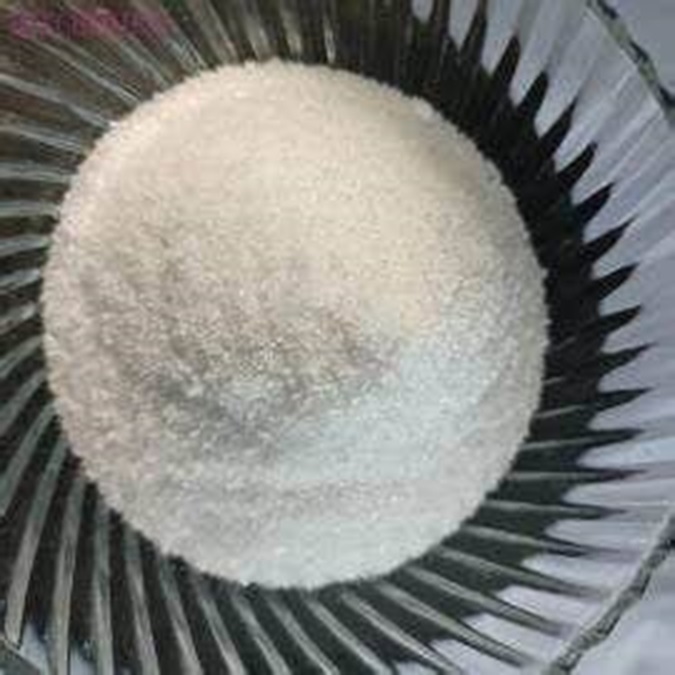
Itaconic acid, also known as methylenesuccinic acid, is an organic compound with the formula C₅H₆O₄. It is a white crystalline solid that is soluble in water and several organic solvents. Itaconic acid is classified as a dicarboxylic acid due to its two carboxyl groups.
Physical and Chemical Properties:
-
Molecular Formula: C₅H₆O₄
-
Molecular Weight: 130.10 g/mol
-
Appearance: White crystalline solid
-
Density: 1.63 g/cm³
-
Melting Point: 162-164°C (decomposes)
-
Solubility: Soluble in water and ethanol
Uses:
-
Polymer Industry: Used in the production of synthetic resins and plastics.
-
Textile Industry: Used in the manufacture of textile fibers.
-
Pharmaceuticals: Used in the production of certain medications.
-
Agriculture: Used as a component in the production of herbicides and pesticides.
Other Names:
-
Methylenesuccinic acid
-
2-Methylenesuccinic acid
-
1-Propene-2,3-dicarboxylic acid
-
Methylidenebutanedioic acid
-
The most commonly used alternative names for Itaconic Acid (CAS 97‑65‑4) are:
-
Methylenesuccinic acid
-
Methylidene succinic acid
-
2‑Methylenesuccinic acid
-
Methylidenebutanedioic acid
-
1‑Propene‑2,3‑dicarboxylic acid
-
Acid Itaconic
-
Methylenesuccinate
Polymerization (Acrylics, SBR, Latex)
-
Purpose: Provides water resistance, adhesion, flexibility, and chemical durability.
-
Usage ratio:
-
Acrylic copolymer formulations: 2–5 mol% as co‑monomer.
-
Latex binders: 1–3 wt% additive.
-
-
Sample recipe:
-
Butyl acrylate (60%) + Methyl methacrylate (35%) + Itaconic acid (5%).
-
Emulsion polymerization at pH 4.5–5.0 ensures stability.
-
🔹 Super Absorbent Polymers (SAP)
-
Purpose: Modifies crosslinking structure to increase water retention capacity.
-
Usage ratio:
-
SAP production: 0.5–2 mol% as crosslinking modifier.
-
-
Sample recipe:
-
Sodium polyacrylate backbone + 1% itaconic acid → gel water retention improves by 10–15%.
-
🔹 Paints and Coatings
-
Purpose: Enhances adhesion and alkali resistance on concrete, metal, and paper surfaces.
-
Usage ratio:
-
Coating resins: 2–4 wt% additive.
-
-
Sample recipe:
-
Styrene‑acrylic copolymer (95%) + Itaconic acid (5%).
-
Used in exterior paints to improve alkali resistance and reduce cracking.
-
🔹 Adhesives
-
Purpose: Improves tack and flexibility in pressure‑sensitive adhesives (PSA).
-
Usage ratio:
-
PSA formulations: 1–3 wt% additive.
-
-
Sample recipe:
-
Acrylic ester (97%) + Itaconic acid (3%).
-
Delivers VOC‑compliant, low‑migration adhesives.
-
🔹 Water Treatment & Metal Chemicals
-
Purpose: Corrosion inhibition and chelation.
-
Usage ratio:
-
Water systems: 50–200 ppm additive.
-
-
Sample recipe:
-
Phosphonate + Itaconic acid (100 ppm) → effective corrosion inhibition.
-
📌 Summary
-
Technical necessity: In polymers, SAP, coatings, and adhesives, itaconic acid is practically indispensable for performance.
-
Typical ratios: 1–5% in polymer systems, 0.5–2% in SAP, ppm levels in water treatment.
-
Formulations: Copolymer blends, SAP gels, exterior paints, PSA adhesives, and corrosion inhibitors all rely on itaconic acid for enhanced properties.
📊 Sectoral Suitability Table
| Sector | Typical Applications | Key Specifications | Critical Tests | Compliance Notes |
|---|---|---|---|---|
| Textiles & Fiber Finishing | Acrylic copolymers, latex binders, nonwoven finishes | Assay ≥ 99%, moisture ≤ 0.5%, APHA color ≤ 50 | HPLC‑UV purity, acid capacity titration, FTIR identity | REACH registration, SDS, HPLC chromatograms for process residues |
| Adhesives & Dispersions | Pressure‑sensitive adhesives, SBR/latex stabilization | Assay ≥ 98–99%, metals ≤ 10 ppm, pH stability | HPLC‑UV, IC for organic acids, GC‑FID (ester derivatives) | VOC compliance, low migration declaration |
| Paints & Coatings | Concrete, metal, paper coatings; exterior paints | Assay ≥ 99%, ash ≤ 0.1%, solubility/particle check | FTIR/NMR identity, TGA/Karl Fischer, HPLC impurities | REACH compliance, alkali resistance data for construction |
| Water Treatment & Metal Chemicals | Corrosion inhibition, chelation | Assay ≥ 98%, chloride/sulfate trace limits | ICP‑OES metals, ion chromatography for inorganics | Environmental discharge compliance, biodegradability data |
| Super Absorbent Polymers (SAP) | Crosslink modification for water retention | Monomer purity ≥ 99%, inhibitor traces “ND” | LC‑MS impurity scan, GC‑MS volatiles | Migration testing for hygiene/food contact |
| Cosmetics | pH regulator, co‑polymer additive | Assay ≥ 99%, heavy metals ≤ 10 ppm | ICP‑MS metals, HPLC purity, microbiology | EU Cosmetics Regulation; IFRA compliance if applicable |
| Food Packaging (Indirect contact) | Barrier coatings, resin additives | Low residual monomer, total migration ≤ legal limits | Specific/total migration tests, HPLC residual monomer | EU 1935/2004, 10/2011 compliance required |
| Construction & Paper | Adhesion, water resistance, surface modification | Assay ≥ 98–99%, color/particle control | FTIR/HPLC, viscosity & performance tests | Technical standards compliance, SDS availability |
🔑 Key Takeaways
-
Technical necessity: In polymers, SAP, coatings, and adhesives, itaconic acid is practically indispensable.
-
Typical ratios: 1–5% in polymer systems, 0.5–2% in SAP, ppm levels in water treatment.
-
Compliance: REACH, SDS, migration/VOC tests depending on sector.