We unleash your business potential by maximize the business innovation.
Send EmailPotassium Permanganate, Chameleon Mineral, Hypermangan, 7722-64-7
POTASSIUM PERMANGANATE
Potassium Permanganate / Condy's Crystals / Chameleon Mineral / Hypermangan / Potassium Manganate(VII)
CAS Number: 7722-64-7
EC Number: 231-760-3
UN Number: 1490
SECTION 1: PRODUCT IDENTIFICATION AND CHEMICAL IDENTITY
| Parameter | Information |
|---|---|
| Product Name | Potassium Permanganate |
| Chemical Name (IUPAC) | Potassium Manganate(VII) |
| Other Names | Condy's Crystals, Chameleon Mineral, Hypermangan, Permanganate of Potash |
| CAS Number | 7722-64-7 |
| EC Number (EINECS) | 231-760-3 |
| UN Number | 1490 |
| Molecular Formula | KMnO₄ |
| Molecular Weight | 158.03 g/mol |
| Chemical Class | Inorganic salt (permanganate) |
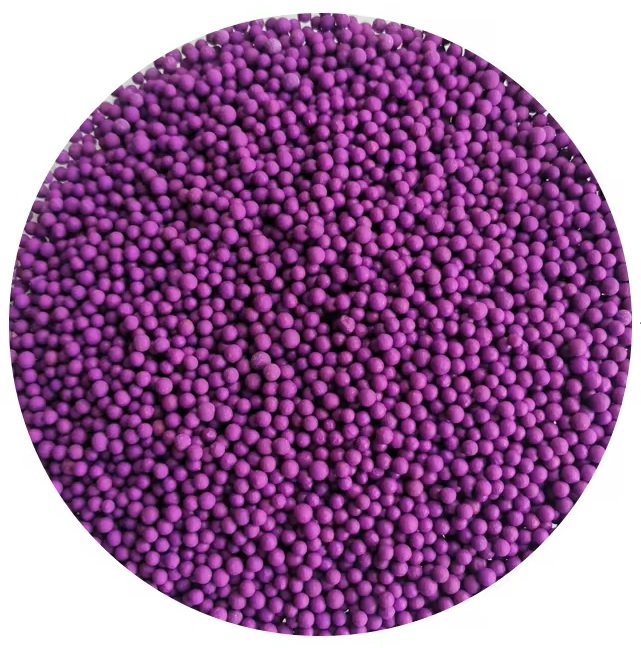
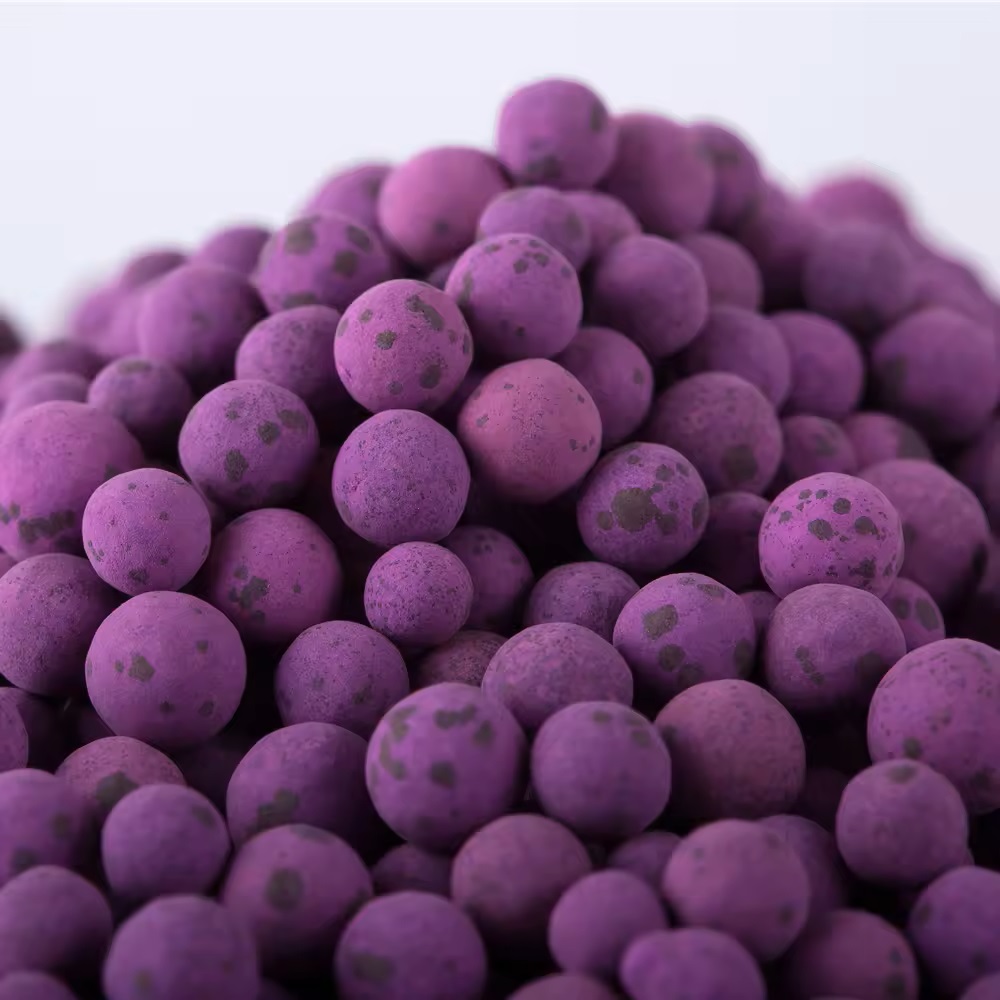
| Appearance | Dark purple to bronze-gray crystalline powder or needles |
| Odor | Odorless |
| Physical State (20°C) | Solid (crystalline) |
| Solubility in Water | High (~6.4 g/100 mL at 20°C) |
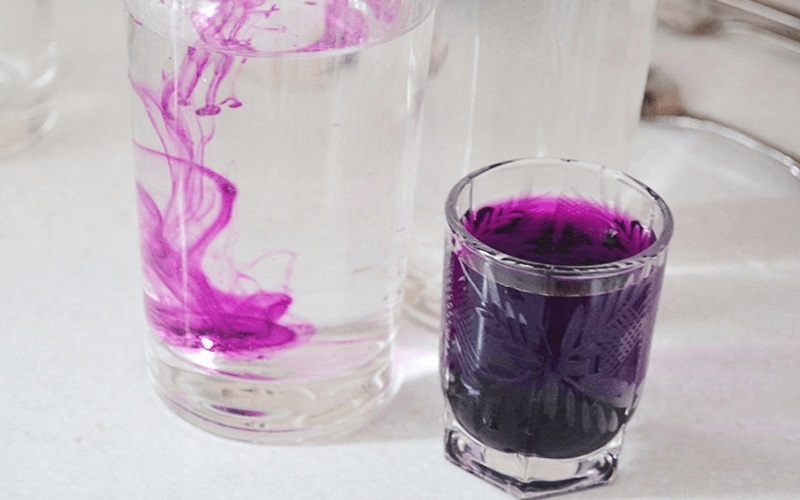
Potassium permanganate is a strong, versatile oxidizing agent in the form of dark purple crystals. It is one of the most powerful oxidizers available and is widely used in water treatment, textile processing, organic synthesis, and analytical chemistry. It is known for its characteristic deep purple/magenta color in solution and its ability to stain surfaces brown (due to manganese dioxide formation).
SECTION 2: SYNONYMS AND OTHER NAMES
| Type | Name |
|---|---|
| Common Names | Potassium Permanganate, Condy's Crystals, Chameleon Mineral, Hypermangan |
| Chemical Names | Potassium Manganate(VII), Permanganic Acid Potassium Salt |
| CAS Number | 7722-64-7 |
| EC Number | 231-760-3 |
| UN Number | 1490 |
| HS Code | 2841.61 |
SECTION 3: CHEMICAL STRUCTURE
3.1. Molecular Structure
Potassium permanganate consists of a potassium cation (K⁺) and a permanganate anion (MnO₄⁻). The permanganate ion has a tetrahedral structure with manganese in the +7 oxidation state.
Structural Formula:
         O
         ||
    K⁺  [ O - Mn - O ]
         ||
         O
Ionic Representation:
KMnO₄ → K⁺ + MnO₄⁻ (in aqueous solution)
3.2. Molecular Formula
KMnO₄
3.3. Molecular Weight
158.03 g/mol
3.4. Key Structural Features
| Feature | Description |
|---|---|
| Cation | Potassium (K⁺) |
| Anion | Permanganate (MnO₄⁻) |
| Manganese Oxidation State | +7 (highest oxidation state) |
| Structure | Tetrahedral (MnO₄⁻) |
| Bond Type | Ionic bond between K⁺ and MnO₄⁻ |
| Color | Deep purple/magenta (in solution); dark purple crystals |
SECTION 4: PHYSICAL AND CHEMICAL PROPERTIES
| Property | Value |
|---|---|
| Appearance | Dark purple to bronze-gray crystalline powder or needles |
| Odor | Odorless |
| Molecular Formula | KMnO₄ |
| Molecular Weight | 158.03 g/mol |
| Density | 2.7 g/cm³ |
| Melting Point | 240 °C (decomposes) |
| Boiling Point | Decomposes before boiling |
| Water Solubility (20°C) | ~6.4 g/100 mL (high) |
| Vapor Pressure | Negligible |
| pH (aqueous solution) | ~7.0 (neutral) |
| Color of Solution | Characteristic magenta/purple |
| Oxidizing Properties | Very strong oxidizing agent |
| Stability | Stable under normal conditions |
| Decomposition | When heated, releases oxygen and forms MnO₂ |
| Commercial Forms | Powder, crystalline, tablets |
SECTION 5: SOLUBILITY PROFILE
| Solvent | Solubility | Conditions |
|---|---|---|
| Water | ~6.4 g/100 mL | 20°C |
| Water | Higher solubility | 50°C |
| Acetone | Slightly soluble | 25°C |
| Ethanol | Slightly soluble | 25°C |
| Methanol | Slightly soluble | 25°C |
| Acetic Acid | Soluble | 25°C |
| Benzene | Insoluble | 25°C |
| Ether | Insoluble | 25°C |
SECTION 6: CHEMICAL PROPERTIES AND REACTIVITY
| Property | Description |
|---|---|
| Chemical Character | Neutral salt |
| Oxidizing Power | Very strong oxidizing agent (stronger than sodium dichromate) |
| Stability | Stable under normal conditions |
| Decomposition | 2 KMnO₄ + Heat → K₂MnO₄ + MnO₂ + O₂ ↑ |
| Reaction with Organics | Reacts vigorously with organic materials; causes brown MnO₂ stains |
| Reaction with Reducing Agents | Reduced to MnO₂ (brown) or Mn²⁺ (colorless) depending on pH |
| Incompatible Materials | Concentrated sulfuric acid, glycerol, alcohols, organic materials, reducing agents, combustibles |
| Hazardous Reactions | Violent reactions with concentrated H₂SO₄, glycerol, and some alcohols |
SECTION 7: REACTION EQUATIONS
7.1. Thermal Decomposition
2 KMnO₄ → K₂MnO₄ + MnO₂ + O₂ ↑
7.2. Reduction in Acidic Medium (to Mn²⁺)
MnO₄⁻ + 8H⁺ + 5e⁻ → Mn²⁺ + 4H₂O
7.3. Reduction in Neutral/Alkaline Medium (to MnO₂)
MnO₄⁻ + 2H₂O + 3e⁻ → MnO₂ + 4OH⁻
7.4. Iron Oxidation (Water Treatment)
MnO₄⁻ + 3Fe²⁺ + 4H⁺ → MnO₂ + 3Fe³⁺ + 2H₂O
7.5. Manganese Oxidation (Water Treatment)
2MnO₄⁻ + 3Mn²⁺ + 2H₂O → 5MnO₂ + 4H⁺
SECTION 8: PRODUCTION METHOD
Potassium permanganate is produced by the oxidation of manganese dioxide (MnO₂) with potassium hydroxide and oxygen, or via electrolytic oxidation.
| Stage | Process | Description |
|---|---|---|
| 1 | Fusion | Manganese dioxide (pyrolusite) is fused with potassium hydroxide in the presence of air (or potassium nitrate) to form potassium manganate (K₂MnO₄). |
| 2 | Extraction | The green potassium manganate is extracted with water. |
| 3 | Oxidation | The potassium manganate solution is oxidized (electrolytically or with chlorine/ozone) to potassium permanganate. |
| 4 | Crystallization | The purple potassium permanganate is crystallized and dried. |
SECTION 9: APPLICATIONS AND INDUSTRIAL USES
9.1. Water Treatment (Most Important Application)
| Application | Function |
|---|---|
| Iron and Manganese Removal | Oxidizes dissolved Fe²⁺ and Mn²⁺ to insoluble Fe³⁺ and MnO₂ for filtration removal |
| Disinfection | Inactivates bacteria, viruses, fungi, and algae |
| Taste and Odor Control | Removes metallic taste and unpleasant odors from untreated water |
| DBP Control | Reduces formation of disinfection by-products (DBPs) |
| Zebra Mussel Control | Controls invasive zebra mussels and Asian clams in water intake systems |
9.2. Denim and Textile Industry
| Application | Function |
|---|---|
| Denim Bleaching | Creates faded/worn appearance on jeans using spray or brushing methods |
| Textile Processing | Aesthetic finishing treatments on denim fabrics |
9.3. Aquaculture and Fish Farming
| Application | Function |
|---|---|
| Pond Disinfection | Cleans and disinfects fish ponds |
| Water Clarification | Clarifies water in fish farms |
| Disease Control | Controls various pathogens in aquaculture |
9.4. Fire Suppression Systems
| Application | Function |
|---|---|
| Pyrofobic Systems | Used in chemical fire extinguishing systems |
| Oxygen Consumption | Consumes oxygen to prevent combustion |
| Fire Extinguishers | Component in some fire extinguishing devices |
9.5. Organic Chemistry and Synthesis
| Application | Function |
|---|---|
| Organic Synthesis | Used as an oxidizing agent in various organic reactions |
| Oxidation Reactions | Reacts with various organic compounds |
| Chemical Reactions | Used in the synthesis of different organic compounds |
9.6. Analytical Chemistry
| Application | Function |
|---|---|
| Quantitative Analysis | Used to determine the amount of oxidizable organic matter |
| Titration | Standard oxidizing agent in permanganometric titrations |
| Concentration Determination | Measuring organic matter concentrations |
9.7. Lubricants and Greases
| Application | Function |
|---|---|
| Lubricating Oil Production | Used with triethanolamine in lubricating oil production |
| High-Temperature Greases | Forms stable high-temperature greases and emulsions |
9.8. Other Applications
| Application | Function |
|---|---|
| Deodorizing | Removal of unpleasant odors |
| Surface Treatment | Various surface treatment applications |
| Disinfectant | General disinfection purposes |
| Wound Treatment | Antiseptic in very dilute solutions |
SECTION 10: TYPICAL FORMULATION EXAMPLES
| Application Area | Typical Concentration | Notes |
|---|---|---|
| Drinking Water Treatment | 0.1 – 5 mg/L | Depends on iron/manganese levels |
| Denim Bleaching | 5 – 20 g/L | Spray or brush application |
| Pond Disinfection | 2 – 10 mg/L | Requires expert supervision |
| Wastewater Treatment | 1 – 10 mg/L | Depends on pollutant levels |
SECTION 11: TOXICOLOGICAL PROFILE
| Parameter | Value |
|---|---|
| Acute Oral Toxicity (LD50, Rat) | ~ 1,090 mg/kg |
| Acute Dermal Toxicity (LD50, Rabbit) | > 2,000 mg/kg |
| Skin Irritation | May cause irritation |
| Eye Irritation | May cause serious eye irritation |
| Inhalation | Dust may cause respiratory irritation |
| Carcinogenicity | Not classified as a carcinogen |
| Mutagenicity | Negative |
| Target Organs | Respiratory system, skin, eyes |
SECTION 12: GHS CLASSIFICATION
| Hazard Class | Category | H-Statement |
|---|---|---|
| Oxidizing Solid | Category 2 | H272 |
| Acute Toxicity (Oral) | Category 4 | H302 |
| Corrosive to Metals | Category 1 | H290 |
| Acute Aquatic Toxicity | Category 1 | H400 |
Signal Word: DANGER
Hazard Pictograms: GHS03 (Flame Over Circle), GHS09 (Environment)
Hazard Statements (H-Codes):
| Code | Statement |
|---|---|
| H272 | May intensify fire; oxidizer. |
| H290 | May be corrosive to metals. |
| H302 | Harmful if swallowed. |
| H400 | Very toxic to aquatic life. |
| H410 | Very toxic to aquatic life with long-lasting effects. |
SECTION 13: PRECAUTIONARY STATEMENTS (P-CODES)
| Code | Statement |
|---|---|
| P210 | Keep away from heat/sparks/open flames/hot surfaces. No smoking. |
| P220 | Keep away from clothing and other combustible materials. |
| P280 | Wear protective gloves/protective clothing/eye protection/face protection. |
| P301+P312 | IF SWALLOWED: Call a POISON CENTER/doctor if you feel unwell. |
| P305+P351+P338 | IF IN EYES: Rinse cautiously with water for several minutes. Remove contact lenses if present. |
| P501 | Dispose of contents/container in accordance with local regulations. |
SECTION 14: FIRST AID MEASURES
| Route of Exposure | Action to Be Taken |
|---|---|
| Inhalation | Move to fresh air. If respiratory irritation persists, seek medical attention. |
| Skin Contact | Wash with plenty of water for at least 15 minutes. Remove contaminated clothing. |
| Eye Contact | Rinse immediately with plenty of water for at least 15 minutes. Seek immediate medical attention. |
| Ingestion | Do not induce vomiting. Rinse mouth. Drink milk or water. Seek immediate medical attention. |
SECTION 15: FIRE-FIGHTING MEASURES
| Parameter | Information |
|---|---|
| Fire Hazard | Oxidizer (H272); may intensify fire. |
| Suitable Extinguishing Media | Water spray, CO₂, dry chemical powder. |
| Unsuitable Extinguishing Media | Foam (may react). |
| Special Hazards | Decomposes when heated, releasing oxygen which supports combustion. Contact with combustible materials may cause fire. |
| Protective Equipment | Self-contained breathing apparatus (SCBA), full protective clothing. |
SECTION 16: ACCIDENTAL RELEASE MEASURES
| Parameter | Information |
|---|---|
| Personal Protection | Full PPE (goggles, face shield, chemical-resistant suit, gloves, respiratory protection). |
| Ventilation | Increase ventilation; use local exhaust in confined spaces. |
| Containment | Cover spilled area to prevent dust dispersion. |
| Cleaning Methods | Collect dry using vacuum or careful sweeping. Avoid washing with water (spreads). |
| Environmental Precautions | Prevent entry into drains, sewers, and water bodies. |
| Waste Disposal | Dispose of in accordance with local regulations. |
SECTION 17: STORAGE AND SHELF LIFE
| Parameter | Information |
|---|---|
| Storage Conditions | Store in a cool, dry, and well-ventilated area. |
| Container Requirements | Tightly closed, corrosion-resistant containers (glass, plastic, stainless steel). |
| Materials to Avoid | Combustible materials, organic materials, reducing agents, acids, glycerol, alcohols. |
| Shelf Life | 12-24 months (under proper storage conditions). |
| Stability Note | Stable under normal conditions; protect from heat, moisture, and reducing agents. |
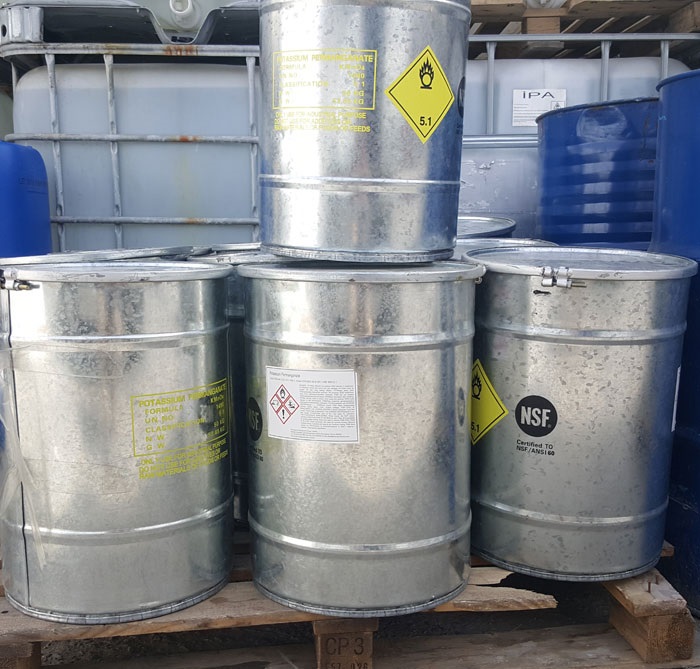
| Packaging Options | 25 kg drums, 50 kg drums, plastic bottles, HDPE containers. |
SECTION 18: PACKAGING OPTIONS
| Packaging Type | Quantity | Material |
|---|---|---|
| Plastic Drum | 25 kg | HDPE |
| Plastic Drum | 50 kg | HDPE |
| Fiber Drum | 25 kg | Cardboard / Plastic |
| Plastic Bottle | 1 kg, 5 kg | HDPE |
SECTION 19: TRANSPORT INFORMATION
| Parameter | Information |
|---|---|
| UN Number | 1490 |
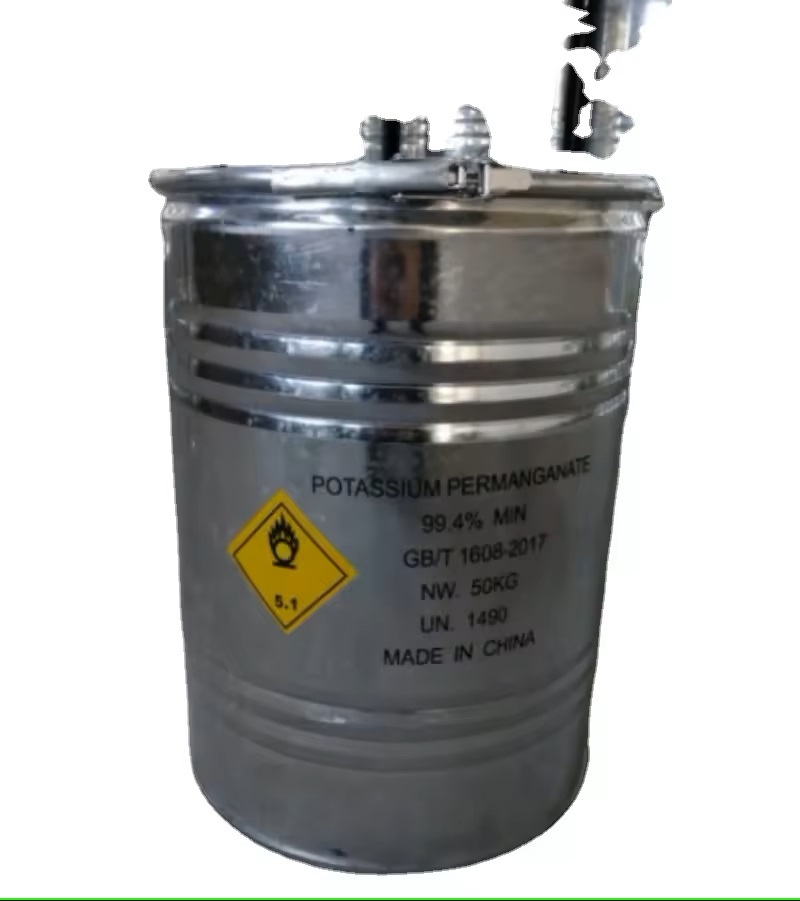
| Hazard Class | 5.1 (Oxidizing Substance) |
| Packing Group | II |
| Proper Shipping Name | POTASSIUM PERMANGANATE |
| Marine Pollutant | Yes |
| ADR/RID Label | 5.1 + 9 (Environmentally Hazardous) |
SECTION 20: REGULATORY INFORMATION
| Region / Authority | Status |
|---|---|
| European Union (REACH) | Registered under (EC) 1907/2006. |
| USA (EPA) | Listed as a hazardous substance; regulated under Clean Water Act. |
| Turkey (KKDIK) | Subject to environmental regulations for hazardous substances. |
| WHO | Used as a water treatment chemical. |
SECTION 21: ENVIRONMENTAL INFORMATION
| Parameter | Information |
|---|---|
| Aquatic Toxicity | Very toxic to aquatic life (fish, algae, invertebrates). |
| Persistence | Readily reduced to manganese dioxide (MnO₂) in natural waters. |
| Bioaccumulation | Not expected (manganese is an essential trace element). |
| Ecological Effects | May cause color change in water at high concentrations. |
| Waste Disposal | Dispose of in accordance with local regulations. Do not discharge into natural water bodies without treatment. |
SECTION 22: OTHER NAMES AND SYNONYMS
| Name | Context |
|---|---|
| Potassium Permanganate | Primary chemical name |
| Condy's Crystals | Historical name |
| Chameleon Mineral | Due to color changes during reactions |
| Hypermangan | Alternative name |
| Potassium Manganate(VII) | IUPAC systematic name |
| KMnO₄ | Chemical formula abbreviation |
SECTION 23: QUICK REFERENCE TABLE
| Property | Value |
|---|---|
| CAS Number | 7722-64-7 |
| EC Number | 231-760-3 |
| UN Number | 1490 |
| Molecular Formula | KMnO₄ |
| Molecular Weight | 158.03 g/mol |
| Appearance | Dark purple crystalline powder |
| Odor | Odorless |
| Density | 2.7 g/cm³ |
| Melting Point | 240°C (decomposes) |
| Water Solubility (20°C) | ~6.4 g/100 mL |
| pH (aqueous solution) | ~7.0 |
| Primary Uses | Water treatment, denim bleaching, organic synthesis, analytical chemistry |
| Shelf Life | 12-24 months |
| UN Number | 1490 |
| Hazard Class | 5.1 (Oxidizer) |
SECTION 24: CRITICAL NOTICES AND BEST PRACTICES
CRITICAL NOTICES:
-
Strong Oxidizer: Potassium permanganate is a very strong oxidizing agent. Keep away from combustible and organic materials.
-
Staining: Contact with skin or clothing causes dark brown stains (from MnO₂). Stains can be removed with dilute acid or reducing agents (e.g., oxalic acid, sodium bisulfite).
-
Reactivity: Do not mix with concentrated sulfuric acid, glycerol, alcohols, or other reducing agents – violent reactions may occur.
-
Water Treatment: Iron and manganese removal efficiency depends on correct dosing. Overdosing may cause pink coloration in treated water.
-
Expert Supervision: Applications in fish farms and aquaculture must be carried out under expert supervision according to local regulations.
-
Storage Segregation: Store separately from combustible materials, organic substances, reducing agents, and acids.
-
Eye and Skin Protection: KMnO₄ is corrosive and irritating. Use full PPE (gloves, goggles, protective clothing).
-
Toxicity: Harmful if swallowed (H302). In case of ingestion, do not induce vomiting. Seek immediate medical attention.
BEST PRACTICE RECOMMENDATIONS:
-
Storage: Store in a cool, dry, and well-ventilated area. Keep containers tightly closed. Protect from heat, moisture, and reducing agents.
-
Handling: Use full PPE (chemical-resistant gloves, goggles, face shield, protective clothing). Avoid dust formation. Ensure adequate ventilation.
-
Dissolution: Always add potassium permanganate to water, never the reverse. Add slowly with stirring.
-
Dosing: For water treatment, use precise dosing equipment to avoid over- or under-dosing.
-
Stain Removal: For skin stains, use dilute oxalic acid or sodium bisulfite solution. For fabric stains, use commercial stain removers.
-
Waste Management: Dispose of waste in accordance with local regulations. Neutralize with reducing agents (sodium thiosulfate) before disposal.
LEGAL DISCLAIMER:
This Technical Data Sheet (TDS) is for informational purposes only and is prepared based on available technical data. The user is solely responsible for determining the suitability of the product for their specific application and for complying with all local, national, and international regulations. For complete safety, storage, handling, transport, waste, and regulatory compliance information, the official Safety Data Sheet (SDS/MSDS) provided by the manufacturer/supplier must be consulted. Potassium permanganate is a strong oxidizer, corrosive, and potentially hazardous substance and should be handled with extreme caution. This document does not substitute professional or medical advice.