We unleash your business potential by maximize the business innovation.
Send EmailAminoethyl Ethanolamine, Amino Ethyl Ethanol Amine, AEEA, 111-41-1
AMINOETHYL ETHANOLAMINE (AEEA)
2-(2-Aminoethylamino)ethanol - N-(2-Hydroxyethyl)ethylenediamine
CAS: 111-41-1
| Product Name | Aminoethyl Ethanolamine (AEEA) |
| CAS Number | 111-41-1 |
| EC Number | 203-867-5 |
| Chemical Class | Alkanolamine (Amino Alcohol) |
| Synonyms | 2-(2-Aminoethylamino)ethanol, N-(2-Hydroxyethyl)ethylenediamine, AEEA, Aminoethylethanolamine |
ITEM 1: PRODUCT IDENTITY AND NOMENCLATURE
| Parameter | Description |
|---|---|
| IUPAC Name | 2-[(2-Aminoethyl)amino]ethanol |
| Chemical Formula | C₄H₁₂N₂O |
| Molecular Weight | 104.20 g/mol |
| CAS Number | 111-41-1 |
| EC Number | 203-867-5 |
| Synonyms | Aminoethyl Ethanolamine, AEEA, 2-(2-Aminoethylamino)ethanol, N-(2-Hydroxyethyl)ethylenediamine, Aminoethylethanolamine |
| HS Code | 2922.19.00.00.00 |
| REACH Status | Registered and compliant |
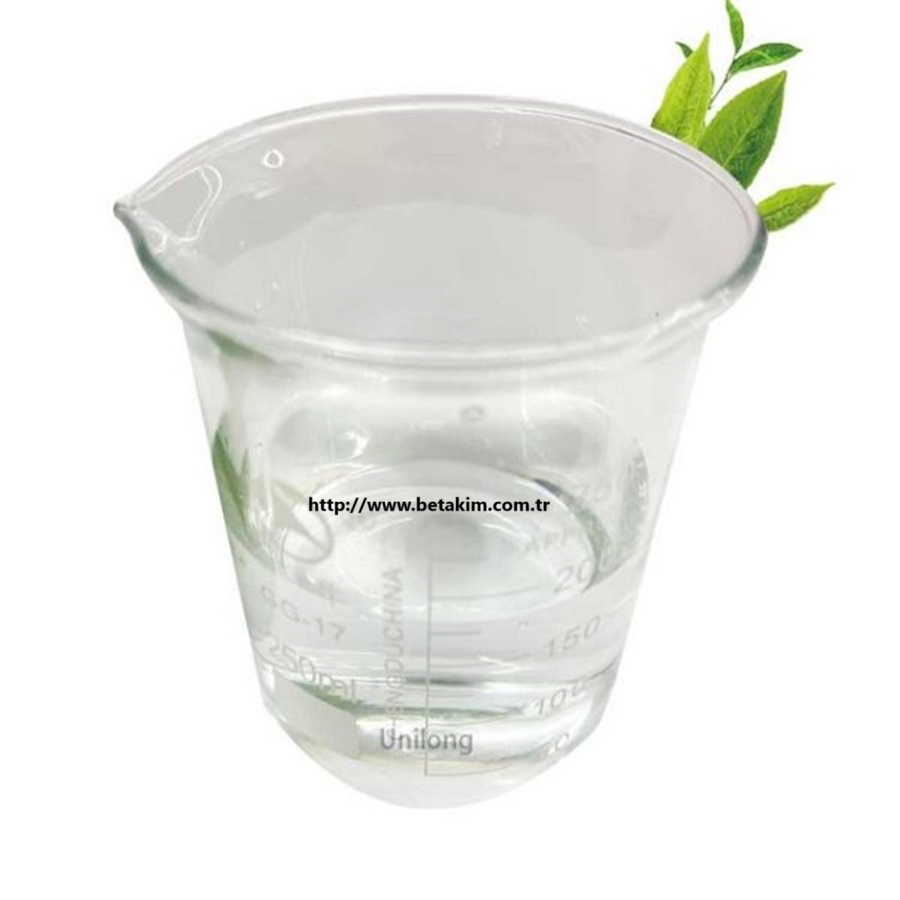
Description: Aminoethyl Ethanolamine (AEEA) is a versatile alkanolamine containing both an amino group (-NH₂) and a hydroxyl group (-OH). It is a colorless, high-boiling liquid that is soluble in water, ethanol, ether, hexane, and acetone. AEEA is known for its ability to absorb carbon dioxide from the air and is widely used in petroleum refining, metal processing, paint and coatings, agriculture, and detergent industries.
ITEM 2: CHEMICAL STRUCTURE AND MOLECULAR PROPERTIES
| Parameter | Description |
|---|---|
| Chemical Family | Alkanolamine (Amino Alcohol) |
| Structure | Primary amine (-NH₂) + Secondary amine (-NH-) + Primary alcohol (-OH) |
| Functional Groups | Amine (-NH₂, -NH-), Hydroxyl (-OH) |
| Molecular Structure | H₂N-CH₂-CH₂-NH-CH₂-CH₂-OH |
| SMILES | NCCNCCO |
| InChI Key | UDGSVBYGQLLTQK-UHFFFAOYSA-N |
Structural Formula:
text
H₂N-CH₂-CH₂-NH-CH₂-CH₂-OH
Description: AEEA contains three active functional groups: a primary amine (-NH₂), a secondary amine (-NH-), and a primary alcohol (-OH). This combination of functional groups gives AEEA high reactivity and versatility. The amine groups exhibit basic properties and react with acids to form salts; the alcohol group participates in esterification and oxidation reactions.
ITEM 3: PHYSICAL APPEARANCE AND FORM
| Parameter | Specification | Test Method |
|---|---|---|
| Appearance | Colorless liquid | Visual Inspection |
| Physical State | Liquid | Visual Inspection |
| Odor | Slight amine odor | Organoleptic |
| Color (APHA) | ≤ 50 | ASTM D1209 |
| Clarity | Clear, free from sediment | Visual Inspection |
Description: AEEA is a colorless to light yellow, clear liquid with a slight amine odor. It is supplied in high purity and contains no visible sediment or turbidity.
ITEM 4: PHYSICAL PROPERTIES - GENERAL
| Property | Specification / Value | Test Method |
|---|---|---|
| Density (20°C) | 1.030 g/cm³ | ASTM D4052 |
| Density (25°C) | 1.028 g/cm³ | ASTM D4052 |
| Refractive Index (20°C) | 1.486 – 1.488 | ASTM D1218 |
| Viscosity (20°C) | ~120 cP | – |
| pH (10% Aqueous Solution) | ~11.5 | pH Meter |
Description: AEEA has a density close to water (1.03 g/cm³) and moderate viscosity. The pH is highly basic (~11.5), reflecting its strong amine character. These properties facilitate easy handling in various applications.
ITEM 5: THERMAL PROPERTIES
| Property | Specification / Value | Test Method |
|---|---|---|
| Melting Point | -28 °C | DSC |
| Freezing Point | -28 °C | DSC |
| Boiling Point | 243 °C | – |
| Boiling Point (760 mmHg) | 243 – 244 °C | – |
| Flash Point (Closed Cup) | ~135 °C | ASTM D93 |
| Auto-ignition Temperature | ~370 °C | – |
| Vapor Pressure (20°C) | < 0.1 mmHg | – |
Description: AEEA has a low freezing point of -28°C and a high boiling point of 243°C. This wide liquid range makes it suitable for various processes. The high boiling point indicates low volatility, and the flash point of 135°C shows it is combustible but not readily flammable.
ITEM 6: SOLUBILITY AND MISCIBILITY
| Solvent / Medium | Solubility / Miscibility |
|---|---|
| Water | Completely miscible |
| Ethanol (Alcohol) | Completely miscible |
| Methanol | Completely miscible |
| Ether | Soluble |
| Hexane | Soluble |
| Acetone | Soluble |
| Toluene | Soluble |
| Chloroform | Soluble |
| Oils | Partially soluble |
Description: AEEA is completely miscible with water and alcohols and soluble in most organic solvents. This broad solubility profile allows its use in both water-based and organic-based formulations. The presence of amine and hydroxyl groups provides compatibility with both polar and non-polar environments.
ITEM 7: CHEMICAL REACTIVITY AND REACTIONS
| Reaction Type | Description | Application |
|---|---|---|
| Neutralization | Reacts with acids to form salts | CO₂ absorption, buffer solutions |
| Esterification | Forms esters with carboxylic acids | Surfactants, emulsifiers |
| Alkylation | Reacts with alkyl halides | Quaternary ammonium compounds |
| Condensation | Forms Schiff bases with aldehydes and ketones | Polymer synthesis |
| Epoxidation | Reacts with epoxides | Epoxy curing agents |
| Carbon Dioxide Absorption | Forms carbamate salts with CO₂ | Gas purification, amine looping |
Description: AEEA participates in a wide range of chemical reactions due to the presence of both amine and alcohol groups. One of its most important properties is its ability to react with carbon dioxide to form carbamate salts, which is critical in gas purification applications.
ITEM 8: PURITY AND ANALYTICAL SPECIFICATIONS
| Parameter | Specification | Typical Value | Test Method |
|---|---|---|---|
| Purity (GC) | ≥ 99.0% | 99.5% | GC |
| Water Content (Karl Fischer) | ≤ 0.30% | 0.10% | Karl Fischer |
| Color (APHA) | ≤ 50 | 20 | ASTM D1209 |
| Density (20°C) | 1.030 – 1.035 g/cm³ | 1.032 | ASTM D4052 |
| Total Amine Value (mg KOH/g) | ≥ 1070 | 1080 | Titration |
| Primary Amine Value | ≥ 98% | 99% | – |
Description: AEEA is supplied in high purity (>99.0%). Low water content and high amine value guarantee high quality and reactivity. The total amine value indicates the amount of active amine groups in the molecule.
ITEM 9: PETROLEUM REFINING AND GAS PURIFICATION APPLICATIONS
| Application | Description / Function |
|---|---|
| Acid Gas Absorption | Removal of CO₂ and H₂S from natural gas and petroleum |
| Amine Looping | Gas purification in amine circulation processes |
| Gas Processing | Solvent for removing acid gases |
| Refinery Processes | Purification of hydrocarbon streams |
Mechanism of Action:
| Parameter | Description |
|---|---|
| Active Component | AEEA (C₄H₁₂N₂O) |
| Mechanism | Forms carbamate salts with CO₂; forms salts with H₂S |
| Reaction | 2 RNH₂ + CO₂ → RNH₃⁺ + RNHCOO⁻ |
| Advantage | High absorption capacity, low vapor pressure |
| Regeneration | Recovery by heating |
Description: In petroleum refining and gas processing, AEEA is used as a solvent to remove acid gases (CO₂ and H₂S) from natural gas and petroleum products. In amine looping processes, gas streams are contacted with AEEA solution and acid gases are absorbed. AEEA is then regenerated by heating, releasing the acid gases.
ITEM 10: METAL PROCESSING AND SURFACE CLEANING APPLICATIONS
| Application | Description / Function |
|---|---|
| Metal Surface Cleaning | Degreasing of oils and greases |
| Metal Plating | Component in electroless plating baths |
| Corrosion Inhibition | Forms protective film on metal surfaces |
| Polishing | Metal surface treatment and buffing |
| Solvent | In specialty cleaning formulations |
Description: In the metal processing industry, AEEA is used for surface cleaning, plating, and corrosion prevention. The amine and alcohol groups adsorb onto metal surfaces, forming a protective film that prevents corrosion. In electroless plating baths, it serves as a complexing agent.
ITEM 11: PAINT AND COATING APPLICATIONS
| Application | Description / Function |
|---|---|
| Resin Production | Intermediate in polyamide and polyurethane resins |
| Pigment Dispersion | Pigment wetting and dispersion |
| Coating Formulations | Surfactant and wetting agent |
| Epoxy Curing Agents | Curing agent for epoxy resins |
| Paint Additives | Provides flow and leveling |
Description: In the paint and coating industry, AEEA is used in resin synthesis, pigment dispersion, and as an epoxy curing agent. The amine groups react with epoxy resins to provide crosslinking. It also improves pigment wetting and dispersion.
ITEM 12: AGRICULTURAL CHEMICALS (PESTICIDES) APPLICATIONS
| Application | Description / Function |
|---|---|
| Pesticide Production | Intermediate in herbicide and insecticide synthesis |
| Formulation Adjuvant | Surfactant in pesticide formulations |
| Surfactant | Wetting and dispersion in agricultural chemicals |
| Carrier | Carrier for active ingredients |
Description: In the agricultural chemicals industry, AEEA is used as an intermediate in pesticide (herbicide, insecticide, fungicide) synthesis. The amine groups serve as building blocks in the synthesis of active ingredients. It is also used as a surfactant in some formulations.
ITEM 13: DETERGENT AND CLEANING AGENTS APPLICATIONS
| Application | Description / Function |
|---|---|
| Detergent Formulations | Enhances cleaning efficiency |
| Scale Inhibitor | Prevents scale formation and mineral deposits |
| Surfactant | As surface-active agent |
| Emulsifier | Emulsification of oils and greases |
| Water Solubility Enhancer | Increases solubility of formulations in water |
Description: In the detergent and cleaning industry, AEEA is used to enhance cleaning efficiency and prevent scale formation. The amine groups form complexes with calcium and magnesium ions, reducing the negative effects of water hardness. It also emulsifies oils and greases, facilitating cleaning.
ITEM 14: POLYMER AND RESIN APPLICATIONS
| Application | Description / Function |
|---|---|
| Polyamide Resins | Intermediate in polyamide synthesis |
| Polyurethane Production | Polyurethane prepolymer synthesis |
| Polymer Modification | Adds amine functionality to polymer chains |
| Epoxy Curing Agents | Curing agent in epoxy systems |
| Polymeric Surfactants | Specialty polymeric surface-active agents |
Description: In the polymer industry, AEEA is used as an intermediate in the synthesis of polymers such as polyamides and polyurethanes. Its bifunctional structure (amine and alcohol) allows incorporation into polymer chains and creation of crosslinking points. It is an effective curing agent for epoxy resins.
ITEM 15: COSMETIC AND PERSONAL CARE APPLICATIONS
| Application | Description / Function |
|---|---|
| pH Buffer | pH adjuster in formulations |
| Emulsifier | Stabilizes oil-water emulsions |
| Humectant | Moisture-retaining properties on skin |
| Cosmetic Additive | Formulation auxiliary |
Description: In the cosmetic industry, AEEA can be used as a pH buffer, emulsifier, and humectant. The amine and alcohol groups provide pH stabilization in formulations and contribute to emulsion stability. However, specific quality requirements apply for cosmetic use.
ITEM 16: SECTOR COMPATIBILITY MATRIX
| Industry | Suitability | Application | Notes |
|---|---|---|---|
| Petroleum Refining | High | Acid gas absorption, CO₂ removal | Most common use |
| Metal Processing | High | Surface cleaning, plating, corrosion inhibition | Widespread use |
| Paint & Coatings | High | Resin production, pigment dispersion, epoxy curing | Widespread use |
| Agricultural Chemicals | High | Pesticide synthesis, formulation adjuvant | Significant use |
| Detergents & Cleaning | High | Scale prevention, surfactant, emulsification | Widespread use |
| Polymers & Resins | High | Polyamide, polyurethane, epoxy curing | Significant use |
| Cosmetics | Medium | pH buffer, emulsifier | Requires specific quality |
| Water Treatment | Medium | Coagulation and pH adjustment | Limited use |
| Textiles | Low | Dyeing auxiliary | Limited use |
ITEM 17: SAFETY AND TOXICOLOGICAL PROFILE
| Parameter | Description |
|---|---|
| Acute Oral Toxicity (LD50) | ~2000 – 3000 mg/kg (rat) |
| Acute Dermal Toxicity | Low |
| Skin Irritation | Irritant |
| Eye Irritation | Severe irritant |
| Skin Sensitization | May cause sensitization |
| Inhalation | Respiratory tract irritation |
| Carcinogenicity | Not classified |
| Mutagenicity | Not classified |
| Reproductive Toxicity | Not classified |
| Odor Detection Threshold | Low |
Description: AEEA is a basic chemical that can cause skin and eye irritation. Eye contact may cause severe irritation. Inhalation may cause respiratory tract irritation. It is not classified as a carcinogen, mutagen, or reproductive toxicant.
ITEM 18: HANDLING AND PERSONAL PROTECTIVE EQUIPMENT (PPE)
| Parameter | Recommendation |
|---|---|
| Skin Contact | Irritant; wash with soap and water; remove contaminated clothing |
| Eye Contact | Severe irritant; rinse with plenty of water for 15 minutes; seek medical attention |
| Inhalation | Respiratory irritation; move to fresh air; seek medical attention |
| Ingestion | Rinse mouth; drink water or milk; seek medical attention |
| Ventilation | Good ventilation or local exhaust |
| Gloves | Nitrile or neoprene gloves |
| Eye Protection | Safety goggles (chemical splash) |
| Respiratory Protection | Organic vapor mask |
| Clothing | Chemical-resistant apron |
Description: Standard industrial hygiene practices should be followed when handling AEEA. Due to its basic and irritant properties, skin, eye, and respiratory contact should be avoided.
ITEM 19: STORAGE AND SHELF LIFE
| Parameter | Description |
|---|---|
| Storage Temperature | 15 – 30°C |
| Storage Conditions | Tightly closed, well-ventilated area |
| Materials to Avoid | Moisture, acids, strong oxidizers |
| Packaging Materials | Stainless steel, HDPE, glass (corrosion-resistant) |
| Shelf Life | 24 months (under proper storage) |
| CO₂ Absorption | Absorbs CO₂ from air; store under inert gas |
| Signs of Degradation | Color darkening, odor change, viscosity increase |
Description: AEEA tends to absorb carbon dioxide from the air, so it should be stored under inert gas (nitrogen) or in tightly closed containers. Contact with moisture and acids should be avoided. It remains stable for 24 months under proper storage conditions.
ITEM 20: SPILL CLEANUP AND DISPOSAL
| Parameter | Description |
|---|---|
| Small Spills | Absorb with inert material (sand, vermiculite) |
| Large Spills | Dike, absorb with inert material, collect in suitable containers |
| Do Not | Discharge to sewers or water sources |
| Waste Disposal | Dispose according to local regulations |
| Environmental Classification | Harmful to aquatic life |
| Biodegradability | Biodegradable |
Description: For AEEA spills, the material should be collected with absorbent material and transferred to suitable containers. Do not discharge to sewers or water sources. Environmental precautions should be taken as it is harmful to aquatic life.
PACKAGING AND TRANSPORT INFORMATION
| Parameter | Description |
|---|---|
| Standard Packaging | 200 kg stainless steel drum |
| Bulk Packaging | 1000 kg IBC |
| Small Packaging | 25 kg, 50 kg (upon request) |
| Packaging Materials | Stainless steel, HDPE |
| UN Number | 2735 |
| Hazard Class | 8 (Corrosive Liquids) |
| Packaging Group | III |
| Transport Temperature | Ambient temperature |
SYNONYMS AND ALIASES
| Name | Description |
|---|---|
| Aminoethyl Ethanolamine | Most common English name |
| AEEA | Abbreviation |
| 2-(2-Aminoethylamino)ethanol | IUPAC name |
| N-(2-Hydroxyethyl)ethylenediamine | Systematic name |
| Aminoethylethanolamine | Variant spelling |
| Aminoetiletanolamin | Turkish name |
| 2-(2-Aminoetilamino)etanol | Turkish IUPAC |
QUALITY AND CERTIFICATION SUMMARY
| Certificate / Standard | Status |
|---|---|
| ISO 9001:2015 | Certified manufacturing sites |
| REACH (EC 1907/2006) | Registered and compliant |
| TSCA (USA) | Listed |
| EINECS (EU) | 203-867-5 |
Disclaimer: This Technical Data Sheet provides typical values for reference purposes only. All values are based on standard laboratory measurements and do not constitute a binding specification. For binding properties, please request the Certificate of Analysis (COA) for each specific batch. The user is solely responsible for determining product suitability for their intended application and for compliance with all applicable regulations. Safety Data Sheet (SDS) must be requested from the supplier before use.