We unleash your business potential by maximize the business innovation.
Send EmailSodium Polyacrylate, 9003-04-7
1. Physical and Chemical Properties
-
Chemical formula: [−CH2−CH(CO2Na)−]n
-
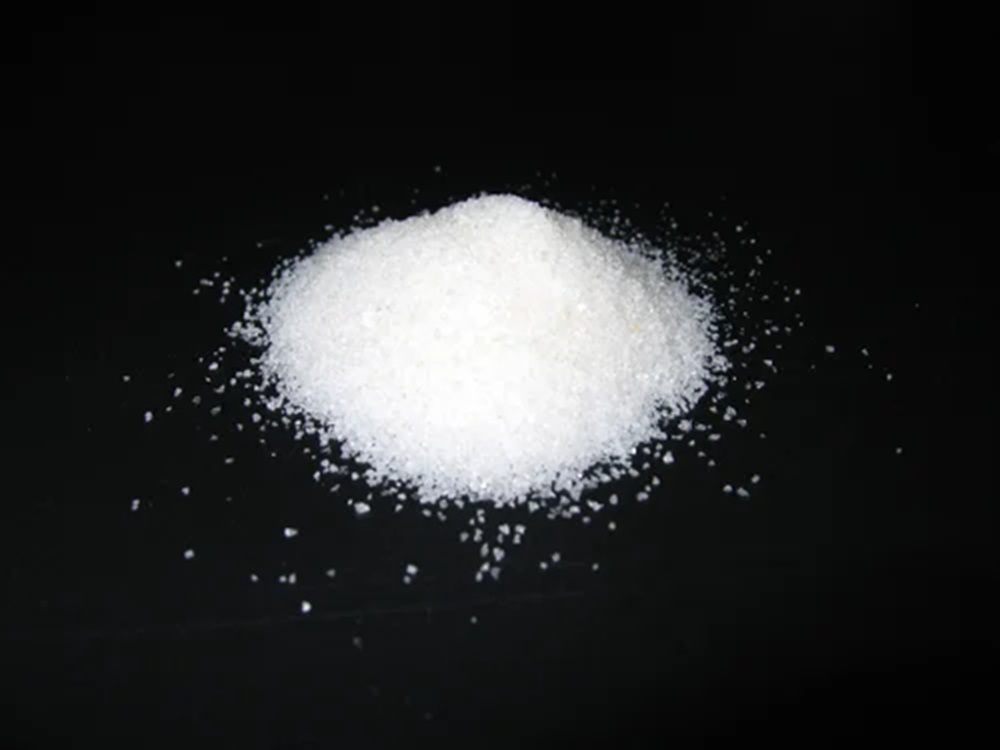
Appearance: White powder or granules
-
Density: ~1.22 g/cm³
-
Solubility: Insoluble in water, but swells to form a hydrogel
-
Key property: Superabsorbent polymer (SAP) capable of absorbing 100–1000 times its own weight in water
-
Stability: Thermally stable, non-volatile, non-toxic in polymer form
2. Applications
-
Hygiene products: Diapers, sanitary napkins, adult incontinence pads
-
Agriculture: Soil conditioner and water retention agent
-
Water treatment: Heavy metal ion removal and flocculation
-
Construction: Crack prevention and water-proofing additives in concrete
-
Food packaging: Moisture control in absorbent pads
-
Cosmetics: Gel-based formulations for moisture retention
3. Other Names
-
IUPAC name: Poly(sodium prop-2-enoate)
-
Common abbreviations: PAAS, SAP, ACR
-
Trade names: Waterlock, Super Absorbent Polymer
4. Sectoral Suitability Table
| Sector | Suitability | Notes |
|---|---|---|
| Hygiene products | ★★★★★ | Primary use, high absorption |
| Agriculture | ★★★★☆ | Improves soil moisture |
| Construction | ★★★★☆ | Enhances durability |
| Cosmetics | ★★★☆☆ | Used in gels and masks |
| Water treatment | ★★★★☆ | Ion exchange and flocculation |
| Food packaging | ★★★☆☆ | Limited but effective in moisture pads |
5. Why It Is Preferred
-
Exceptional water absorption capacity compared to other polymers
-
Cost-effective with small amounts delivering high performance
-
Versatile across multiple industries
-
Environmentally beneficial in agriculture (reduces irrigation needs)
-
Stable and safe for consumer products
6. Types and Molecular Weight
-
Forms:
-
Powder (industrial additives)
-
Granules (agriculture, hygiene)
-
Gel (cosmetics, specialty uses)
-
-
Molecular weight:
-
Typically 2–5 million g/mol for superabsorbent applications
-
Lower molecular weights are used when higher solubility or viscosity control is required
-
7. Types and Molecular Weight
Forms & Usage:
-
Powder form (industrial additives):
-
Used in water treatment, coatings, adhesives.
-
Typical dosage: 0.05–0.5% of total formulation depending on viscosity and ion-binding needs.
-
Function: Acts as dispersant, scale inhibitor, and stabilizer.
-
-
Granule form (agriculture, hygiene):
-
In diapers and sanitary pads: 2–5 g per unit ensures rapid absorption and retention.
-
In agriculture: 2–10 kg per hectare mixed into soil to improve water retention.
-
Function: Superabsorbent capacity, prevents leaching, keeps soil moist longer.
-
-
Gel form (cosmetics, specialty uses):
-
Used in peel-off masks, creams, and gels.
-
Typical concentration: 0.1–1% depending on desired viscosity and film strength.
-
Function: Provides moisture retention, film formation, and smooth texture.
-
Molecular Weight Ranges:
-
High molecular weight (2–5 million g/mol):
-
Best for superabsorbent applications (diapers, agriculture).
-
Provides strong gel strength and water retention.
-
-
Medium molecular weight (500,000–2 million g/mol):
-
Used in water treatment and construction.
-
Balances solubility with dispersant properties.
-
-
Low molecular weight (<500,000 g/mol):
-
Preferred in cosmetics and coatings where viscosity control and smooth film formation are critical.
-
Easier to disperse, less crosslinking, more flexible gels.
-
Functional Benefits by Type:
-
Powder: Easy to dose, disperses quickly in industrial systems.
-
Granules: Controlled swelling, ideal for hygiene and soil applications.
-
Gel: Directly usable in formulations, provides immediate texture and moisture effects.
In practice, the choice of type and molecular weight depends on the sector:
-
Hygiene → High MW granules for maximum absorption.
-
Agriculture → High MW granules for soil water retention.
-
Water treatment → Medium MW powders for dispersant action.
-
Cosmetics → Low to medium MW gels for smooth film-forming and viscosity control.