We unleash your business potential by maximize the business innovation.
Send EmailCobalt Sulfate, Cobalt Sulfate Heptahydrate, Cobalt Sulfate Anhydrous, Cobalt Vitriol, 10026-24-1, 10393-49-4
CAS Numbers and Forms
| CAS No | Form | Chemical Formula | Molecular Weight | Properties |
|---|---|---|---|---|
| 10124-43-3 | Cobalt Sulfate Anhydrous | CoSO₄ | 154.996 g/mol | Odorless, pink solid; density 3.71 g/cm³; melting point 735 °C; paramagnetic |
| 10393-49-4 | Cobalt Sulfate Heptahydrate | CoSO₄·7H₂O | 281.1 g/mol | Rose-pink crystals; density 1.948 g/cm³; melting point 98 °C; hygroscopic |
| 10026-24-1 | Cobalt(II) Sulfate Heptahydrate | CoSO₄·7H₂O | 281.1 g/mol | Widely used industrially; highly soluble in water (362 g/L @ 20 °C); pH ~4 |
Physical and Chemical Properties
-
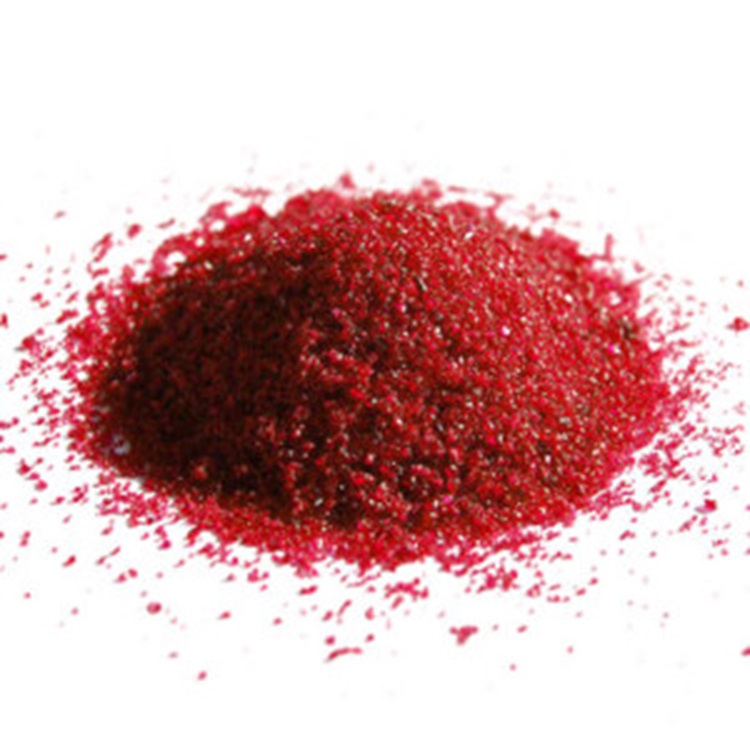
Appearance: Rose-pink crystals (hydrated form), odorless solid (anhydrous form)
-
Solubility: Highly soluble in water; slightly soluble in ethanol; more soluble in methanol
-
Stability: Hygroscopic; loses water between 41–71 °C
-
Magnetic Property: Paramagnetic due to Co²⁺ ions
Safety and Regulation
-
IARC Classification: Group 2B – Possibly carcinogenic to humans
-
Hazard Codes:
-
R49: May cause cancer by inhalation
-
R42/43: May cause sensitization by inhalation and skin contact
-
R50/53: Very toxic to aquatic organisms, long-term effects
-
-
GHS Pictograms: Health hazard, environmental hazard
-
Precautionary Statements:
-
S36/37: Wear suitable protective clothing and gloves
-
S61: Avoid release to the environment
-
S60: Dispose of as hazardous waste
-
Applications
-
Energy: Cathode material in lithium-ion batteries
-
Electroplating: Used in cobalt plating baths
-
Pigments: Coloring agent in ceramics, glass, and porcelain
-
Chemicals: Intermediate for other cobalt salts
-
Agriculture & Feed: Trace nutrient in soil and animal feed
-
Special Uses: Sympathetic inks, accumulators
Alternative Names
-
Cobalt(II) sulfate
-
Cobalt sulfate
-
Cobalt (2+) sulfate
-
Cobalt(II) sulfate heptahydrate
-
Cobalt(II) sulfate anhydrous
-
Cobalt vitriol
-
Cobaltous sulfate
-
Kobalt sülfat (Turkish)
-
Kobalt sülfat heptahidrat
-
Kobalt sülfat anhidrat
Cobalt Sulfate Alternatives — Sectoral Suitability & Production
| Product / Form | CAS No | Sectoral Suitability | Key Advantages | Production / Supply Notes |
|---|---|---|---|---|
| Cobalt Sulfate Heptahydrate (CoSO₄·7H₂O) | 10026-24-1 / 10393-49-4 | Batteries, electroplating, pigments, feed additives | High solubility, widely available, standard grade | Produced via cobalt oxide or hydroxide dissolution in sulfuric acid; global supply concentrated in China & Africa |
| Cobalt Sulfate Anhydrous (CoSO₄) | 10124-43-3 | High-temperature processes, catalysts, specialty chemicals | Higher stability at elevated temperatures, lower water content | Requires controlled dehydration of heptahydrate; limited producers, higher cost |
| Cobalt Chloride (CoCl₂·6H₂O) | 7791-13-1 | Pigments, humidity indicators, catalysts | Distinct color-change property, alternative pigment source | Produced from cobalt oxide and hydrochloric acid; less common in feed applications |
| Cobalt Nitrate (Co(NO₃)₂·6H₂O) | 10026-22-9 | Catalysts, ceramics, glass | Strong oxidizing properties, niche applications | Limited industrial use; produced via nitric acid route |
| Cobalt Carbonate (CoCO₃) | 513-79-1 | Feed additives, ceramics, pigments | Lower solubility, safer handling in feed | Produced via precipitation from cobalt sulfate; often intermediate for other salts |
| Cobalt Oxide (Co₃O₄ / CoO) | 1308-06-1 | Batteries, ceramics, catalysts | Stable oxide form, precursor for salts | Produced by thermal decomposition of cobalt salts; widely used in cathode materials |
Observations
-
Battery sector: Heptahydrate is dominant due to solubility and ease of processing. Oxides are also critical precursors.
-
Electroplating: Sulfate salts (both anhydrous and hydrated) remain standard due to bath chemistry.
-
Pigments & Ceramics: Alternatives like cobalt chloride and carbonate are used depending on desired color tone and stability.
-
Feed additives: Heptahydrate and carbonate are most common, with carbonate preferred for safer handling.
-
Production: Most cobalt salts are derived from cobalt oxide/hydroxide via acid reactions.