We unleash your business potential by maximize the business innovation.
Send EmailL-Carnitine Fumarate, Carnitine Fumarate, Levocarnitine Fumarate, 90471-79-7
L‑Carnitine Forms
-
L‑Carnitine Base (Free form)
-
CAS No: 541‑15‑1
-
Pure form without salt or ester. Commonly used in dietary supplements. Highly hygroscopic, acidic taste. Preferred for clinical carnitine deficiency.
-
-
L‑Carnitine Tartrate
-
CAS No: 36687‑82‑8 (Note: 36687‑47‑9 is incorrect)
-
The most common form for athletes. Provides fast absorption. Preferred for performance and fat metabolism support. Low hygroscopicity, easy to tablet.
-
-
Acetyl‑L‑Carnitine (ALCAR)
-
CAS No: 3040‑38‑8
-
Known for its effects on brain function and the nervous system. Used in nootropic supplements for cognitive performance. Crosses the blood-brain barrier, neuroprotective.
-
-
Propionyl‑L‑Carnitine
-
CAS No: 119793‑66‑7 (HCl salt) (Note: 511‑97‑1 is incorrect)
-
Recognized for its benefits on vascular health and circulation. Used in peripheral artery disease, heart failure, and angina. Supports vasodilation.
-
-
L‑Carnitine Fumarate
-
CAS No: 90471‑79‑7
-
Supports energy production and heart health. Also found in sports nutrition products. The fumarate ion directly contributes to the Krebs cycle. High bioavailability.
-
Carnitine Fumarate
1. Basic Chemical Information
| Parameter | Value |
|---|---|
| Product Name | Carnitine Fumarate |
| Synonyms | L-Carnitine Fumarate, Levocarnitine Fumarate |
| CAS Number | 90471-79-7 (also 128567-73-7) |
| Chemical Formula | C₇H₁₅NO₃ (L-Carnitine) + C₄H₄O₄ (Fumaric acid) → typically C₁₁H₁₉NO₇ (1:1 salt) |
| Molecular Weight | ~277.27 g/mol (salt form) |
| Active L-Carnitine Ratio | ~58-62% |
2. Physical and Chemical Properties
| Property | Description |
|---|---|
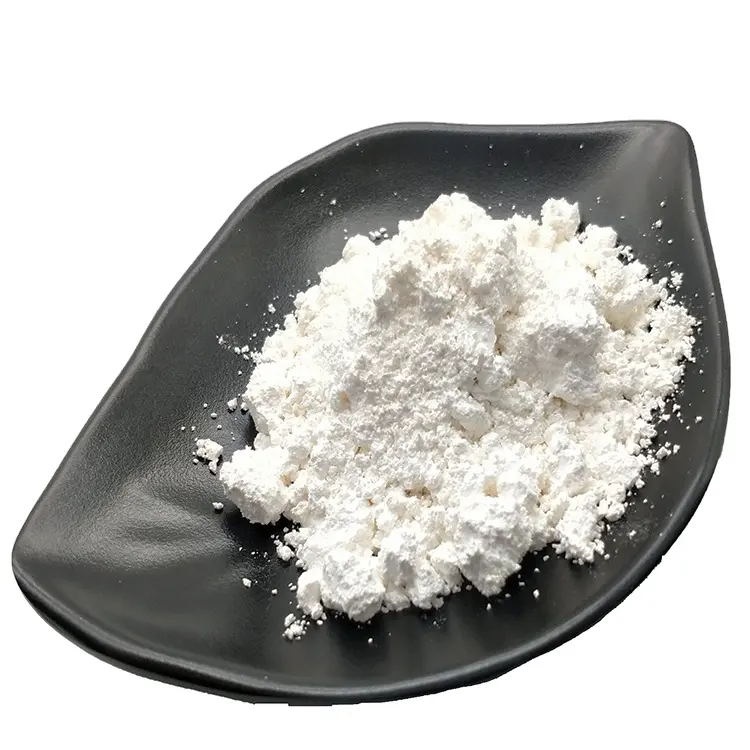
| Appearance | White to off-white crystalline powder |
| Odor | Characteristic, slightly acidic |
| Solubility | Soluble in water (less than L-Carnitine base, slightly less than Tartrate) |
| pH (1% solution) | 4.0 – 6.0 (more neutral than other salts) |
| Hygroscopicity | Low (much more stable than L-Carnitine base) |
| Melting Point | ~190°C (decomposes) |
3. Unique Properties of Carnitine Fumarate
-
Fumarate ion is a natural intermediate in the Krebs cycle (citric acid cycle).
-
Directly supports mitochondrial energy production: Fumarate contributes to ATP synthesis via succinate dehydrogenase and fumarase.
-
Antioxidant effect: Fumarate may increase cellular glutathione levels.
-
Neutral pH profile makes it better tolerated by individuals with stomach sensitivity.
-
Reported to have the highest bioavailability among carnitine types (up to 25-30% in some studies).
4. Comparison with Other Carnitine Types
| Feature | L-Carnitine (Base) | Carnitine Tartrate | Acetyl-L-Carnitine | Propionyl-L-Carnitine | Carnitine Fumarate |
|---|---|---|---|---|---|
| Primary Use | General health | Sports performance | Brain health | Cardiovascular | Energy + Mitochondrial |
| Bioavailability | ~14-18% | ~15-20% | ~20% | ~15% | ~25-30% (highest) |
| Hygroscopicity | Very high | Low | Moderate | Low | Very low |
| pH (1% sol.) | ~3.0 | 3.0-5.0 | ~5.0 | 4.5-6.0 | 4.0-6.0 (most neutral) |
| Stomach tolerance | Poor | Moderate | Moderate | Good | Excellent |
| Krebs cycle support | No | No | No (Acetyl enters) | No (Propionyl) | Yes (Fumarate) |
| Fat burning | ++ | +++ | + | + | +++ |
| ATP increase | + | ++ | + | ++ | ++++ |
| Antioxidant capacity | Low | Low | Moderate | Moderate | High |
5. Applications and Uses
| Area | Details |
|---|---|
| Chronic Fatigue Syndrome (CFS) | Most promising carnitine type due to mitochondrial energy support |
| Fibromyalgia | L-Carnitine + Fumarate combination studied for pain and fatigue |
| Neurological diseases | Multiple sclerosis (MS), Parkinson’s (supportive) |
| Mitochondrial disorders | Preferred in genetic mitochondrial dysfunction |
| Cardiovascular | Heart failure, ischemia-reperfusion injury (different mechanism from tartrate) |
| Sports nutrition | Endurance sports, recovery after high-intensity exercise |
| Anti-aging | Counteracts age-related decline in mitochondrial function |
6. Usage Protocols
| Condition | Dosage | Timing | Duration |
|---|---|---|---|
| Chronic fatigue syndrome | 1500-2000 mg/day (divided) | Morning & noon (avoid evening) | 8-12 weeks |
| Fibromyalgia | 1000-1500 mg/day | Morning + noon | 12 weeks |
| Mitochondrial disease | 500-1000 mg 2-3 times/day (under doctor supervision) | With meals | Long-term |
| Athletic performance (endurance) | 1-2 g (60 min pre-exercise) | Preferably on empty stomach | 4-8 weeks |
| General energy support | 500-1000 mg/day | 30 min before breakfast | As needed |
Note: Due to higher bioavailability, 20-30% lower doses may achieve similar effects compared to other carnitine forms.
7. Alternatives (Compounds with Similar Effects)
| Alternative | Similarity | Difference |
|---|---|---|
| Malate (Malic acid) + L-Carnitine | Malate is also a Krebs cycle intermediate | Available as combination supplement (e.g., Magnesium Malate) |
| Succinate | Krebs cycle substrate | Not bound to carnitine, direct energy |
| Coenzyme Q10 + L-Carnitine | Mitochondrial energy synergy | Lower absorption than fumarate |
| MCT Oil + Carnitine | Fatty acid oxidation | No Krebs support |
| Riboflavin (B2) + Carnitine | Mitochondrial electron transport | Different pathway |
8. Other Names (Synonyms)
-
L-Carnitine Fumarate
-
Levocarnitine Fumarate
-
Carnitine Fumarate (1:1)
-
Fumaric acid, L-carnitine salt
-
Trade names: Carnicor® (in some countries), Furocarn®
9. Frequently Asked Questions (FAQs) – Carnitine Fumarate
Q1: What is the difference between carnitine fumarate and regular L-carnitine?
A: Fumarate is the fumaric acid salt. The fumarate ion directly enters the Krebs cycle to support ATP production. It also has higher bioavailability and a more neutral pH, causing less stomach upset.
Q2: Which is better for athletes: tartrate or fumarate?
A: For short-term high-intensity exercise (weightlifting, sprinting), Carnitine Tartrate has better data. For endurance sports (running, cycling) and chronic fatigue, Carnitine Fumarate stands out.
Q3: Does carnitine fumarate boost energy? How quickly?
A: Yes, it increases mitochondrial energy production. With regular use, reduced fatigue may be felt within 1-2 weeks.
Q4: Which carnitine is best for those with stomach sensitivity?
A: Best tolerance: Carnitine Fumarate and Propionyl-L-Carnitine. Fumarate has the most neutral pH.
Q5: Does carnitine fumarate cause weight loss?
A: It supports fat metabolism (like other carnitines) but is not a direct fat burner. It is effective with exercise and diet.
Q6: How does the price compare?
A: Typically more expensive than L-Carnitine base, similar to carnitine tartrate. Higher bioavailability may allow lower effective doses.
Q7: Who should not take it?
A: Pregnant/nursing women, those with liver or kidney failure (without medical supervision). Low potential interaction with anticoagulants.
10. Conclusion: Who Should Choose Carnitine Fumarate?
| Goal / Condition | Recommendation |
|---|---|
| Chronic fatigue, fibromyalgia | Carnitine Fumarate (1st choice) |
| Stomach sensitivity | Carnitine Fumarate or PLC |
| Mitochondrial disease | Carnitine Fumarate |
| Endurance athletes | Carnitine Fumarate or Tartrate |
| Seeking highest bioavailability | Carnitine Fumarate |
| Budget-friendly, general use | L-Carnitine base (empty stomach) |