We unleash your business potential by maximize the business innovation.
Send EmailBeta Glucan, Beta D-glucan, 9008-22-4, 9041-22-9
BETA GLUCAN (BETA GLUCAN)
SECTION 1: PRODUCT IDENTITY AND CHEMICAL IDENTIFICATION
| Parameter | Information |
|---|---|
| Product Name | Beta Glucan |
| Chemical Name | β-D-Glucan |
| Synonyms (Turkish) | Beta Glukan, β-Glukan, β-D-Glukan, Polisakkarit |
| Synonyms (English) | Beta Glucan, β-Glucan, Beta-D-glucan, Polysaccharide, Sugar Polymer |
| CAS Number | 9041-22-9 (Yeast and cereal sources) |
| CAS Number | 9008-22-4 (Seaweed, Laminarin) |
| EC Number (EINECS) | 232-711-2 |
| Molecular Formula | (C₆H₁₀O₅)ₙ |
| Molecular Weight | Variable (polymer; 5,000 – 2,000,000 Da depending on source) |
| Chemical Class | Polysaccharide (beta-D-glucan) |
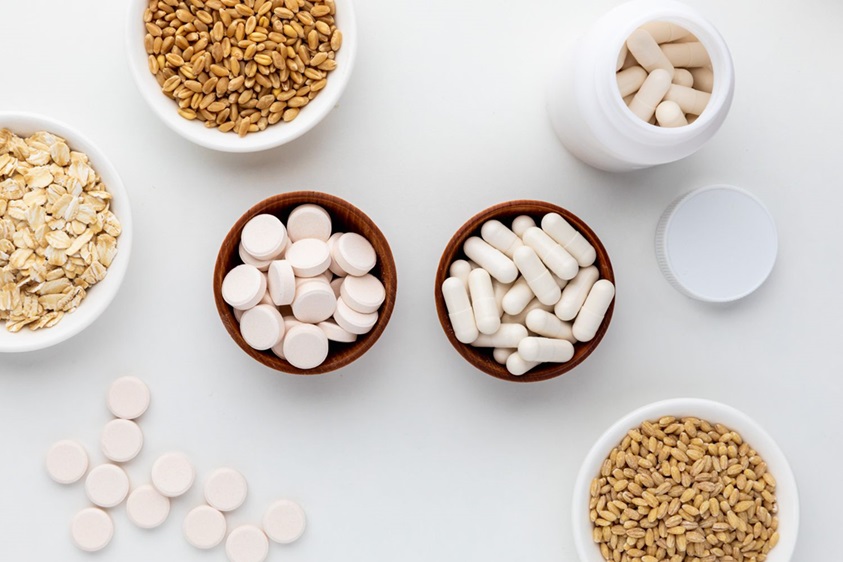
| Sources | Oat, barley, yeast (Saccharomyces cerevisiae), mushrooms (Reishi, Shiitake, Maitake), seaweed (Laminaria) |
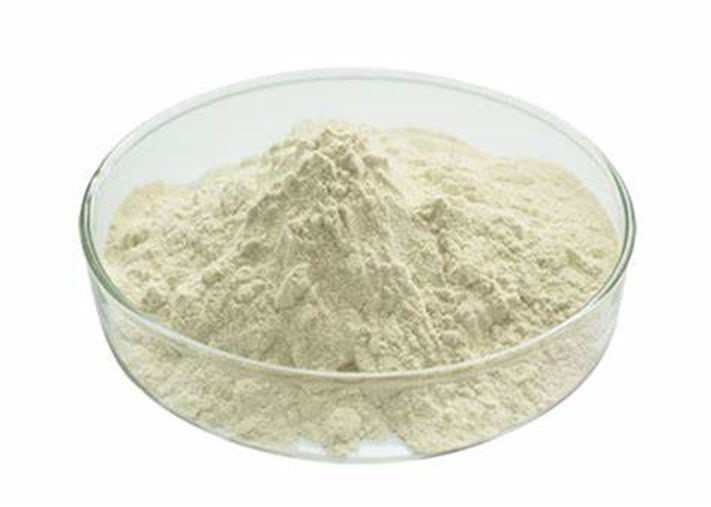
| Appearance | White to off-white, fine powder |
| Odor | Odorless or slight characteristic |
| Physical State (20°C) | Solid (powder) |
| Solubility | Soluble / dispersible in water (forms viscous solution) |
Note: CAS 9041-22-9 and 9008-22-4 are two different CAS numbers representing different sources. 9041-22-9 identifies yeast and cereal-derived beta-glucans; 9008-22-4 identifies seaweed (Laminaria)-derived laminarin . Both numbers indicate different sources within the beta-glucan class .
SECTION 2: CHEMICAL STRUCTURE
Structure Description:
    —[C₆H₁₀O₅]—[C₆H₁₀O₅]—[C₆H₁₀O₅]—
          |          |          |
         β-1→3     β-1→4     β-1→6
          |          |          |
    —[C₆H₁₀O₅]—[C₆H₁₀O₅]—[C₆H₁₀O₅]—

    Beta Glucan
    Linear or branched polymer chain of β-D-glucose units
    linked by β-glycosidic bonds
Simplified Structure:
    D-Glucose — β(1→3) — D-Glucose — β(1→3) — D-Glucose
                    |                      |
                  β(1→6)                β(1→6)
                    |                      |
                D-Glucose             D-Glucose

    Beta Glucan
    (Branched β-D-glucan polymer)
Laminarin (CAS 9008-22-4) Structure:
Laminarin is a linear β-(1→3)-glucan derived from seaweed . Some branching may occur via β-(1→6) linkages.
| Parameter | Description |
|---|---|
| Molecular Formula | (C₆H₁₀O₅)ₙ |
| Chemical Class | Polysaccharide (beta-D-glucan) |
| Monomer Unit | β-D-glucopyranose |
| Glycosidic Bonds | β-(1→3), β-(1→4), β-(1→6) |
| Functional Groups | Hydroxyl (-OH) |
| Structure | Linear or branched polymer chain |
| Degree of Branching | Varies depending on source |
| SMILES | OC[C@H]1OC@HC@HC@@H[C@@H]1O (monomer) |
| InChI | InChI=1S/C18H32O16/c19-1-4-7(22)8(23)12(27)17(31-4)34-15-6(3-21)32-18(13(28)10(15)25)33-14-5(2-20)30-16(29)11(26)9(14)24/h4-29H,1-3H2/t4-,5-,6-,7-,8+,9-,10-,11-,12-,13-,14?,15?,16+,17+,18+/m1/s1 |
| InChI Key | FYGDTMLNYKFZSV-URKRLVJHSA-N |
| PubChem CID | 3832 |
| UNII | 44FQ49X6UN |
| KEGG | C00551 |
| ChEBI | 28793 |
| MDL | MFCD00466918 |
SECTION 3: CAS NUMBERS COMPARISON
| Parameter | CAS 9041-22-9 | CAS 9008-22-4 |
|---|---|---|
| Source | Yeast, oat, barley, mushrooms | Seaweed (Laminaria), mushrooms |
| Typical Structure | β-(1→3)(1→6) (yeast), β-(1→3)(1→4) (cereal) | β-(1→3) (linear) |
| Alternative Name | Beta Glucan | Laminarin |
| Molecular Weight | 100-200 kDa (yeast), 1000-2000 kDa (cereal) | 5-10 kDa |
| Solubility | Variable (yeast: insoluble, cereal: soluble) | Water-soluble |
| Primary Use | Immune support, food, cosmetics | Immune support, research |
| EC Number | 232-711-2 | 232-711-2 |
SECTION 4: BETA GLUCAN TYPES
| Type | Source | CAS | Structure | Key Properties |
|---|---|---|---|---|
| Cereal β-Glucan | Oat, Barley, Rye | 9041-22-9 | (1→3)(1→4)-β-D-glucan | Cholesterol reduction; soluble fiber; heart health |
| Yeast β-Glucan | Baker's yeast (S. cerevisiae), Brewer's yeast | 9041-22-9 | (1→3)(1→6)-β-D-glucan | Immune system stimulation; macrophage activation |
| Mushroom β-Glucan | Reishi, Maitake, Shiitake | 9041-22-9 / 9008-22-4 | (1→3)(1→6)-β-D-glucan | Immune support; anti-tumor activity |
| Laminarin | Seaweed (Laminaria) | 9008-22-4 | (1→3)-β-D-glucan (linear) | Immune support; anti-inflammatory |
| Pure β-Glucan | Fermentation / Enzymatic synthesis | 9041-22-9 | (1→3)-β-D-glucan | High purity; pharmaceutical applications |
SECTION 5: PHYSICAL AND CHEMICAL PROPERTIES
| Property | CAS 9041-22-9 (Yeast/Cereal) | CAS 9008-22-4 (Laminarin) | Test Method / Note |
|---|---|---|---|
| Appearance | White to off-white, fine powder | White to off-white powder | Visual |
| Odor | Odorless or slight characteristic | Odorless | Olfactometric |
| Molecular Weight | Variable (100-2000 kDa) | ~5-10 kDa | GPC / SEC |
| Density | ~0.6 – 0.8 g/cm³ (bulk) | ~1.8 g/cm³ (estimated) | - |
| Water Solubility (20°C) | Variable (cereal: soluble; yeast: insoluble) | Soluble | General Method |
| Hot Water Solubility | Soluble (viscosity increases) | Soluble | General Method |
| Ethanol Solubility | Insoluble (precipitates) | Insoluble | General Method |
| Acetone Solubility | Insoluble | Insoluble | General Method |
| pH (1% Solution) | 5.0 – 7.0 | 5.0 – 7.0 | pH Meter |
| Moisture Content | ≤7.0 – 8.0% | ≤10.0% | Karl Fischer |
| Ash Content | ≤5.0% | ≤15.0% | Gravimetric |
| Protein Content | ≤3.0% | ≤2.0% | Kjeldahl |
| Particle Size | 100 – 200 mesh (75-150 μm) | 100 – 200 mesh | Sieve / Laser |
| Viscosity (1% Solution) | High (concentration dependent) | Low | Viscometer |
| Beta Glucan Content | ≥70.0 – 95.0% (grade dependent) | ≥80.0% | Enzymatic / HPLC |
| Hygroscopicity | High (absorbs moisture) | High | - |
| Boiling Point | 865.2°C (estimated) | - | - |
| Flash Point | 477°C (estimated) | - | - |
SECTION 6: SOURCE-BASED DIFFERENCES
Beta Glucan shows significant differences depending on the source:
| Parameter | Oat Beta Glucan | Barley Beta Glucan | Yeast Beta Glucan | Mushroom Beta Glucan | Laminarin |
|---|---|---|---|---|---|
| CAS | 9041-22-9 | 9041-22-9 | 9041-22-9 | 9041-22-9 / 9008-22-4 | 9008-22-4 |
| Molecular Weight | 2000 kDa (native) / 355 kDa (purified) | 1790 kDa (native) / 126 kDa (purified) | 100-200 kDa | 100-500 kDa | 5-10 kDa |
| Viscosity | High (~100x higher) | Low | Moderate | Moderate | Very low |
| Branching | Low (β-1→4) | Low (β-1→4) | High (β-1→6) | High (β-1→6) | None (linear) |
| Solubility | High (water-soluble) | High (water-soluble) | Low (insoluble) | Moderate | High (water-soluble) |
| Primary Use | Cholesterol, food | Cholesterol, food | Immunity | Immunity, anti-tumor | Research, immunity |
SECTION 7: MECHANISM OF ACTION
| Mechanism | Description |
|---|---|
| Immune System Support | Binds to Dectin-1, complement receptor 3 (CR3), and TLR-2/6 receptors on macrophages, neutrophils, and natural killer (NK) cells. Activates and enhances immune cell activity; stimulates cytokine (IL-1, IL-6, TNF-α) production. Provides enhanced immune defense against pathogens. |
| Cholesterol Reduction | Forms viscous gel in the intestine. Binds bile acids, increasing their excretion. Liver uses cholesterol for bile acid synthesis. Reduces LDL (bad) cholesterol levels. Supports cardiovascular health. |
| Blood Sugar Regulation | Slows carbohydrate digestion and glucose absorption. Reduces post-meal blood sugar spikes. Provides improved glycemic control. Supports diabetes management. |
| Gut Health | Fermented by beneficial gut bacteria (Bifidobacteria, Lactobacillus). Promotes probiotic growth. Increases short-chain fatty acid (SCFA) production. Strengthens gut barrier function. |
| Wound Healing | Accelerates granulation tissue formation through macrophage activation. Increases collagen synthesis. Supports tissue repair. |
| Antioxidant Activity | Scavenges free radicals. Reduces oxidative stress. Protects cells from damage. |
| Anti-tumor Activity | β-D-Glucan exhibits anti-tumor activity by targeting tumor-associated macrophages . Modulates immune response in necrotizing pancreatitis . |
| Laminarin Effects (CAS 9008-22-4) | Due to low molecular weight, laminarin more easily enters systemic circulation and exerts direct effects on immune cells . Anti-inflammatory and immunomodulatory properties are prominent . |
SECTION 8: HEALTH BENEFITS
| Benefit | Description | Evidence Level |
|---|---|---|
| Immune System Support | Increases immune cell activity; strengthens defense against infections | Strong Clinical Evidence |
| Cholesterol Reduction | Reduces LDL cholesterol (5-10%); supports heart health | Strong Clinical Evidence (EFSA/FDA approved) |
| Blood Sugar Control | Regulates blood sugar levels; supports diabetes management | Moderate Clinical Evidence |
| Heart Health | Reduces cardiovascular risk factors | Strong Clinical Evidence |
| Digestive Health | Promotes beneficial gut bacteria; supports digestive health | Moderate Clinical Evidence |
| Weight Management | Increases satiety; supports weight control | Moderate Clinical Evidence |
| Wound Healing | Accelerates wound healing; supports tissue repair | Clinical Evidence |
| Skin Health | Supports skin barrier function; moisturizes | Clinical Evidence |
| Anti-tumor Activity | Targets tumor-associated macrophages; modulates immune response | Preclinical Evidence |
SECTION 9: NATURAL SOURCES
| Source | Type | CAS | Beta Glucan Content (% dry weight) | Primary Health Benefit |
|---|---|---|---|---|
| Oat | Cereal | 9041-22-9 | 3-7% | Cholesterol reduction, heart health |
| Barley | Cereal | 9041-22-9 | 4-11% | Cholesterol reduction, blood sugar control |
| Rye | Cereal | 9041-22-9 | 1-3% | Digestive health |
| Baker's Yeast | Yeast | 9041-22-9 | 5-10% | Immune system support |
| Brewer's Yeast | Yeast | 9041-22-9 | 5-10% | Immune system support |
| Reishi Mushroom | Mushroom | 9041-22-9 | 10-20% | Immune support, anti-tumor |
| Maitake Mushroom | Mushroom | 9041-22-9 | 10-20% | Immune support, blood sugar |
| Shiitake Mushroom | Mushroom | 9041-22-9 | 10-20% | Immune support, cholesterol |
| Seaweed (Laminaria) | Seaweed | 9008-22-4 | 10-30% | Immune support, anti-inflammatory |
SECTION 10: APPLICATIONS AND USAGE
| Industry | Application | Function | Preferred CAS |
|---|---|---|---|
| Dietary Supplements | Immune Support Supplements | Capsules, tablets, powders; immune system strengthening | 9041-22-9 |
| Dietary Supplements | Heart Health Supplements | Cholesterol reduction; cardiovascular support | 9041-22-9 |
| Dietary Supplements | Diabetes Support | Blood sugar regulation | 9041-22-9 |
| Dietary Supplements | Probiotic Formulations | Prebiotic effect; gut health support | 9041-22-9 |
| Dietary Supplements | Sports Nutrition | Immune support; recovery | 9041-22-9 |
| Food Industry | Functional Beverages | Soluble fiber; health benefits | 9041-22-9 |
| Food Industry | Bakery Products | Dough conditioner; fiber enrichment | 9041-22-9 |
| Food Industry | Dairy Products | Thickener; stabilizer | 9041-22-9 |
| Food Industry | Soups and Sauces | Thickener; soluble fiber | 9041-22-9 |
| Food Industry | Oat Products | Natural beta glucan source | 9041-22-9 |
| Pharmaceutical | Wound Care Products | Accelerates wound healing | 9041-22-9 |
| Pharmaceutical | Drug Delivery Systems | Carrier; controlled release | 9041-22-9 |
| Cosmetics | Skin Care Products | Moisturizer; skin barrier support; soothing | 9041-22-9 |
| Cosmetics | Anti-Aging Products | Skin health; immune support | 9041-22-9 |
| Research | Laminarin Use | Immunology studies, anti-inflammatory research | 9008-22-4 |
SECTION 11: QUALITY SPECIFICATIONS
| Parameter | CAS 9041-22-9 (Yeast/Cereal) | CAS 9008-22-4 (Laminarin) | Test Method |
|---|---|---|---|
| Appearance | White to off-white, fine powder | White to off-white powder | Visual |
| Beta Glucan Content | ≥70.0 – 95.0% | ≥80.0% | Enzymatic / HPLC |
| Moisture Content | ≤7.0 – 8.0% | ≤10.0% | Karl Fischer |
| Ash Content | ≤5.0% | ≤15.0% | Gravimetric |
| Protein Content | ≤3.0% | ≤2.0% | Kjeldahl |
| pH (1% Solution) | 5.0 – 7.0 | 5.0 – 7.0 | pH Meter |
| Particle Size | 100 – 200 mesh | 100 – 200 mesh | Sieve / Laser |
| Heavy Metals (Pb) | ≤10 ppm | ≤10 ppm | ICP-MS |
| Lead (Pb) | ≤2 ppm | ≤2 ppm | ICP-MS |
| Arsenic (As) | ≤3 ppm | ≤3 ppm | ICP-MS |
| Mercury (Hg) | ≤1 ppm | ≤1 ppm | ICP-MS |
| Cadmium (Cd) | ≤1 ppm | ≤1 ppm | ICP-MS |
SECTION 12: MICROBIOLOGICAL SPECIFICATIONS
| Parameter | Specification | Test Method |
|---|---|---|
| Total Mesophilic Aerobic Bacteria | ≤1,000 CFU/g | USP <61> |
| Yeast and Mold | ≤100 CFU/g | USP <61> |
| Salmonella spp. | Negative in 25g | USP <62> |
| Escherichia coli | Negative in 10g | USP <62> |
| Staphylococcus aureus | Negative in 1g | USP <62> |
| Pseudomonas aeruginosa | Negative in 1g | USP <62> |
SECTION 13: TYPICAL DOSAGE
| Application | Recommended Daily Dose | Form | Notes |
|---|---|---|---|
| Immune Support (9041-22-9) | 100-500 mg/day | Capsule / Tablet / Powder | For 3-6 months |
| Immune Support (9008-22-4) | 100-500 mg/day | Capsule / Powder | Lower dose effective due to MW |
| Cholesterol Reduction | 3-5 g/day | Powder / Food | With meals |
| Blood Sugar Control | 2-5 g/day | Powder / Food | With meals |
| Gut Health | 1-3 g/day | Powder / Capsule | Combined with probiotics |
| General Health | 1-3 g/day | Capsule / Powder | Continuous use |
| Wound Healing (Topical) | 0.5-2% | Cream / Gel | 1-2 times daily |
| Cosmetics (Skin Care) | 0.5-2% | Cream / Serum / Lotion | 1-2 times daily |
SECTION 14: FORMULATION GUIDELINES
| Parameter | CAS 9041-22-9 (Yeast/Cereal) | CAS 9008-22-4 (Laminarin) | Recommendation |
|---|---|---|---|
| Concentration | Supplements: 100-500 mg/capsule; Food: 1-5%; Cosmetics: 0.5-2% | Supplements: 100-500 mg/capsule | - |
| Dissolution | Dissolve in water at 40-50°C (avoid prolonged heating) | Readily soluble in water | - |
| pH Range | Stable at 4.0-7.0 | Stable at 4.0-7.0 | - |
| Temperature | Stable up to 50°C; degrades above 60°C | Stable up to 50°C | - |
| Viscosity | High viscosity (cereal source) | Low viscosity | Adjust water content in formulations |
| Compatibility | Compatible with most food and cosmetic ingredients | Compatible with most ingredients | - |
| Hygroscopicity | High (absorbs moisture) | High | Add in dry environment |
| Penetration Enhancers | Propylene glycol, glycerin in cosmetic formulations | - | - |
| Preservatives | Phenoxyethanol, sodium benzoate, potassium sorbate | - | - |
SECTION 15: STORAGE AND SHELF LIFE
| Parameter | Information |
|---|---|
| Storage Conditions | Store in a cool (15-25°C), dry, well-ventilated area; protect from direct sunlight. Powder can be stored at -20°C for up to 3 years. |
| Temperature Limits | 15-25°C (ideal); do not exceed 30°C |
| Humidity | Low humidity environment (hygroscopic) |
| Light | Protect from light (photodegradation) |
| Container Requirements | Tightly closed, moisture-resistant containers (aluminum foil, HDPE, PE-lined) |
| Incompatible Materials | Moisture, direct sunlight, heat, strong oxidizing agents |
| Shelf Life | 24-36 months (unopened original packaging, under proper storage) |
| Shelf Life (After Opening) | 12-18 months (under proper storage) |
| Signs of Degradation | Darkening color, caking, odor change, viscosity loss |
| Stability Warning | Hygroscopic; absorbs moisture; store in airtight containers |
SECTION 16: PACKAGING OPTIONS
| Packaging Type | Quantity / Capacity | Material | Application Area |
|---|---|---|---|
| Aluminum Foil Bag | 1 kg, 5 kg, 10 kg | Aluminum / PE (light and moisture proof) | High purity, pharmaceutical, cosmetic |
| PE-Lined Kraft Bag | 10 kg, 25 kg | Kraft paper + PE liner | Industrial supply |
| Plastic Pail (HDPE) | 20 kg, 25 kg | HDPE (moisture resistant) | Food, supplement production |
| Fiber Drum (PE Lined) | 25 kg, 50 kg | Fiber / PE liner | Industrial supply |
| IBC Container | 500 kg, 1000 kg | HDPE (UV protected) | Large-scale industrial supply |
SECTION 17: SAFETY AND HEALTH INFORMATION
GHS Classification (Bulk powder):
| Hazard Class | Category |
|---|---|
| Not classified | (Not hazardous) |
Signal Word: None (Not classified as hazardous)
Hazard Pictograms: None
Precautionary Statements (P-Codes):
| Code | Statement |
|---|---|
| P261 | Avoid breathing dust |
| P264 | Wash hands thoroughly after handling |
| P280 | Wear protective gloves/eye protection |
| P305+P351+P338 | IF IN EYES: Rinse cautiously with water for several minutes. Remove contact lenses if present and continue rinsing |
| P302+P352 | IF ON SKIN: Wash with plenty of soap and water |
NFPA 704 Hazard Classification:
| Health | Flammability | Reactivity | Special |
|---|---|---|---|
| 0 | 1 | 0 | - |
| (Minimal health hazard) | (Combustible) | (Stable) | (None) |
SECTION 18: TOXICOLOGICAL INFORMATION
| Parameter | CAS 9041-22-9 | CAS 9008-22-4 | Description |
|---|---|---|---|
| Acute Oral Toxicity (LD50, Rat) | >5,000 mg/kg | >5,000 mg/kg | Very low toxicity |
| Acute Dermal Toxicity | Low | Low | - |
| Skin Irritation | Not irritant | Not irritant | - |
| Eye Irritation | Mild irritant (mechanical) | Mild irritant | - |
| Skin Sensitization | Not sensitizing | Not sensitizing | - |
| Carcinogenicity | Not classified (IARC, NTP) | Not classified | - |
| Mutagenicity | Negative in standard tests | Negative in standard tests | - |
| Reproductive Toxicity | No reproductive toxicity | No reproductive toxicity | - |
| GRAS Status | Yes | Yes | Generally Recognized as Safe |
| Allergenicity | Low allergenicity potential | Low allergenicity potential | - |
SECTION 19: FIRST AID MEASURES
| Route of Exposure | Action |
|---|---|
| Inhalation | If inhaled as powder, move to fresh air. Seek medical attention if respiratory symptoms persist. |
| Skin Contact | Wash with plenty of soap and water. Seek medical attention if irritation develops. |
| Eye Contact | Rinse immediately with plenty of water for at least 15 minutes. Keep eyelids open. Seek medical attention if irritation persists. |
| Ingestion | Rinse mouth with water. Do NOT induce vomiting. Drink 1-2 glasses of water. Seek medical attention. |
| Note | Symptomatic treatment is administered. No specific antidote available. |
SECTION 20: FIREFIGHTING MEASURES
| Parameter | Information |
|---|---|
| Fire Hazard | Combustible organic powder; dust explosion risk |
| Fire-Related Hazards | Releases CO, CO₂ when heated |
| Suitable Extinguishing Media | Water mist (spray), CO₂, dry chemical powder |
| Unsuitable Extinguishing Media | Water jet (may spread dust) |
| Special Protective Equipment | Self-contained breathing apparatus (SCBA), full protective clothing |
| Special Precautions | Avoid dust cloud formation; prevent dust from entering sewers and water bodies |
SECTION 21: TRANSPORTATION INFORMATION
| Parameter | Information |
|---|---|
| UN Number | Not applicable (not classified as dangerous goods) |
| Hazard Class | Not applicable |
| Packing Group | Not applicable |
| ADR/RID | Not dangerous goods |
| IMDG Code | Not marine pollutant |
| IATA (Air) | Not dangerous goods; can be transported by air |
| Transport Temperature | Ambient temperature; protect from heat, moisture, and light |
| Transport Precautions | Moisture-proof packaging; keep away from strong oxidizing agents |
| Marine Pollutant | No |
SECTION 22: REGULATORY STATUS
| Region / Authority | CAS 9041-22-9 | CAS 9008-22-4 | Status |
|---|---|---|---|
| European Union | Approved as food supplement ingredient | Approved | Novel food status (where applicable) |
| USA (FDA) | GRAS | GRAS | Approved as food additive |
| Turkey | Approved | Approved | Ministry of Health approval required; Subject to KKDIK |
| EFSA | Health claims approved (cholesterol reduction) | - | 2010/432/EU |
| FDA Health Claim | Approved for heart disease risk reduction | - | 21 CFR 101.81 (oat beta glucan) |
| ECHA (REACH) | Registered substance | Registered substance | - |
| TSCA (USA) | Listed | Listed | - |
| California (Prop 65) | Not listed | Not listed | - |
| Halal | Yes (source dependent) | Yes | Yeast and plant sources are Halal |
| Kosher | Yes (with certification) | Yes | - |
| Vegan | Yes (plant/mushroom/yeast derived) | Yes | - |
SECTION 23: OTHER NAMES AND SYNONYMS
| Type | CAS 9041-22-9 | CAS 9008-22-4 |
|---|---|---|
| Turkish Names | Beta Glukan, β-Glukan, β-D-Glukan | Laminarin, Deniz Yosunu Beta Glukanı |
| English Names | Beta Glucan, β-Glucan, Beta-D-glucan | Laminarin, Laminaran |
| Chemical Names | (1→3)-β-D-glucan, (1→4)-β-D-glucan, (1→6)-β-D-glucan | (1→3)-β-D-glucan |
| INCI Name | Beta Glucan | - |
| PubChem CID | 3832 | - |
| UNII | 44FQ49X6UN | - |
| KEGG | C00551 | - |
| ChEBI | 28793 | - |
| MDL | MFCD00466918 | - |
| Source-Based Names | Oat Beta Glucan, Barley Beta Glucan, Yeast Beta Glucan | Laminarin, Seaweed Polysaccharide |
SECTION 24: SUMMARY AND CRITICAL WARNINGS
| Parameter | CAS 9041-22-9 | CAS 9008-22-4 |
|---|---|---|
| Product | Beta Glucan (Yeast/Cereal) | Beta Glucan / Laminarin (Seaweed) |
| Source | Oat, barley, yeast, mushrooms | Seaweed (Laminaria), mushrooms |
| Appearance | White to off-white, fine powder | White to off-white powder |
| Molecular Weight | 100-2000 kDa (source dependent) | 5-10 kDa |
| Solubility | Variable (cereal: soluble; yeast: insoluble) | Water-soluble |
| Primary Function | Immune support, cholesterol reduction, blood sugar control, skin care | Immune support, anti-inflammatory, research |
| GRAS Status | Yes | Yes |
| Shelf Life | 24-36 months | 24-36 months |
CRITICAL WARNINGS:
-
CAS Difference: 9041-22-9 and 9008-22-4 are two different CAS numbers representing different sources. 9041-22-9 identifies yeast and cereal-derived beta-glucans; 9008-22-4 identifies seaweed-derived laminarin . Choose the correct CAS based on intended use.
-
Solubility Difference: Yeast beta glucan (9041-22-9) is insoluble in water; cereal beta glucan and laminarin (9008-22-4) are water-soluble. This is critical for formulation design.
-
Molecular Weight: Laminarin (9008-22-4) has low molecular weight (~5-10 kDa) . This provides advantages for systemic absorption and bioavailability.
-
Viscosity: Oat beta glucan (9041-22-9) has ~100x higher viscosity than barley beta glucan . Consider this difference in food formulations.
-
Soluble Fiber: Cereal beta glucans (9041-22-9) are soluble fibers effective for cholesterol reduction and blood sugar control. EFSA and FDA approved health claims exist.
-
Immune Support: Both CAS numbers activate immune cells; however, yeast beta glucan (9041-22-9) is the most widely used immune support form.
-
Hygroscopic: Both forms absorb moisture; store in tightly closed, dry containers.
-
Natural Source: Natural polysaccharide derived from plants, mushrooms, yeast, and seaweed.
LEGAL DISCLAIMER:
The information provided in this document is based on our current knowledge and experience and is presented in good faith. However, as all conditions of use are beyond our control, it does not constitute a binding specification or guarantee. This Technical Data Sheet is for informational purposes only and is prepared based on available technical data. Users are responsible for determining product suitability for their specific application and for complying with all local, national, and international regulations. For complete safety, storage, use, handling, waste, and regulatory compliance information, please refer to the official Safety Data Sheet (SDS/MSDS) provided by the manufacturer/supplier. This document does not replace medical advice.