We unleash your business potential by maximize the business innovation.
Send EmailArginine Aspartate, L-Arginine L-Aspartate, Arginine Aspartate Complex, 3054-35-1
ARGININE ASPARTATE – ARGİNİN ASPARTAT
CAS Number: 3054-35-1
EC Number (EINECS): 221-273-9
Molecular Formula: C₁₀H₂₁N₅O₆
Molecular Weight: 307.30 g/mol
Chemical Class: Amino acid salt (arginine + aspartic acid)
SECTION 1: CHEMICAL IDENTITY AND DEFINITION
| Parameter | Information |
|---|---|
| Chemical Name (IUPAC) | (2S)-2-Amino-5-guanidinopentanoic acid compound with (2S)-2-aminobutanedioic acid (1:1) |
| Other Names | L-Arginine L-Aspartate, Arginine Aspartate, Arginine Aspartate Salt |
| Chemical Formula | C₁₀H₂₁N₅O₆ |
| Molecular Weight | 307.30 g/mol |
| CAS Number | 3054-35-1 |
| EC Number (EINECS) | 221-273-9 |
| Chemical Class | Amino acid salt (arginine + aspartic acid) |
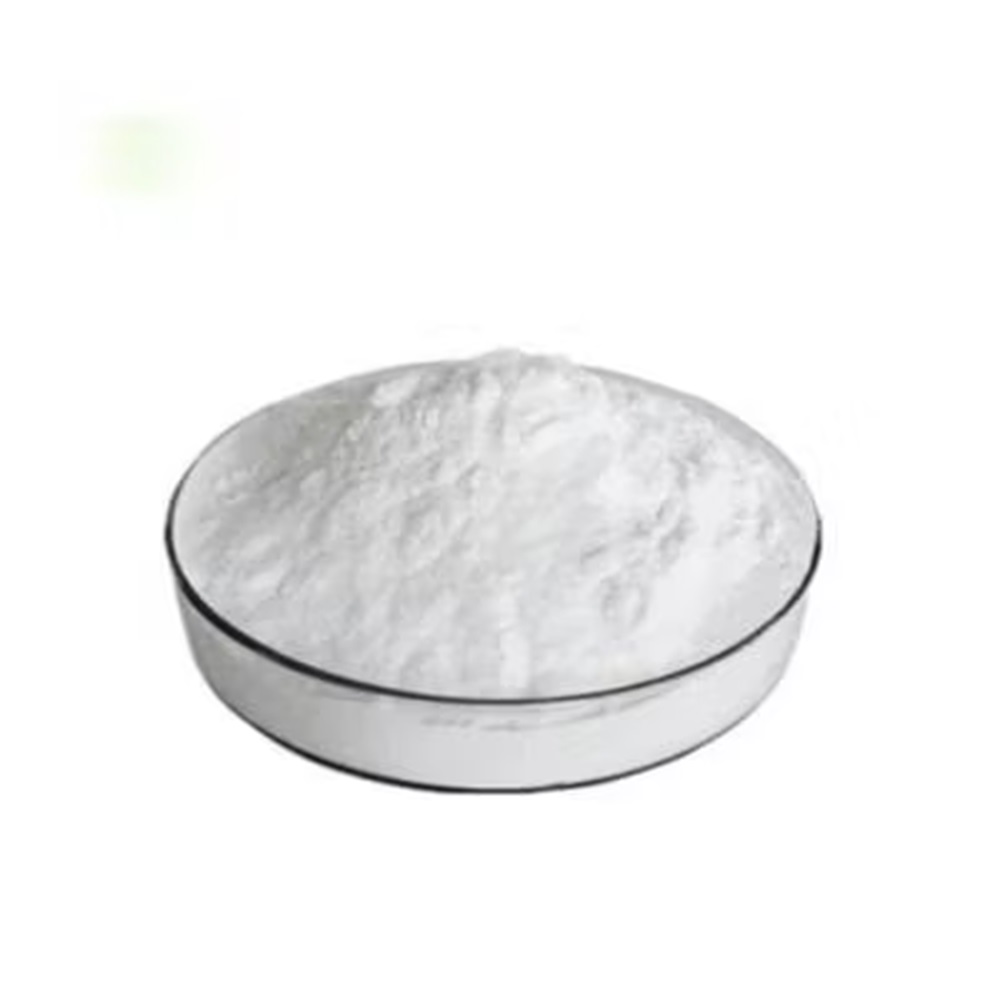
| Appearance | White, crystalline powder |
| Odor | Odorless |
| Taste | Slightly acidic, characteristic |
| Physical State (20°C) | Solid (crystalline powder) |
| Solubility | Soluble in water |
SECTION 2: PHYSICAL PROPERTIES
| Property | Value |
|---|---|
| Appearance | White, crystalline powder |
| Odor | Odorless |
| Taste | Slightly acidic, characteristic |
| Molecular Weight | 307.30 g/mol |
| Melting Point | ~185-190 °C (decomposes) |
| Solubility in Water (20°C) | Soluble |
| Solubility in Ethanol | Slightly soluble |
| pH (1% solution) | 5.0 – 7.0 |
| Specific Rotation [α]D²⁰ | +24.0° to +28.0° |
| Hygroscopicity | Low to medium |
SECTION 3: CHEMICAL PROPERTIES
| Property | Information |
|---|---|
| Chemical Formula | C₁₀H₂₁N₅O₆ |
| Molecular Weight | 307.30 g/mol |
| Chemical Class | Amino acid salt (arginine + aspartic acid) |
| Structure | L-Arginine + L-Aspartic acid (1:1 salt) |
| Functional Groups | Amino (-NH₂), carboxyl (-COOH), guanidino (-NH-C(NH)-NH₂) |
| SMILES | C(CC(C(=O)O)N)CNC(=N)N.C(C(C(=O)O)N)C(=O)O |
| InChI Key | BAYZLYWICGFUMX-UHFFFAOYSA-N |
| Optical Activity | L-form (natural, biologically active) |
| Stability | Stable under normal storage conditions |
| Hygroscopicity | Low to medium |
| Incompatible Materials | Strong oxidizing agents, strong acids, strong bases |
Chemical Structure:
    NH₂                    NH₂
     |                      |
HOOC-CH-(CH₂)₃-NH-C(=NH)-NH₂  +  HOOC-CH-CH₂-COOH
       (L-Arginine)              (L-Aspartic Acid)

       ↓

L-Arginine L-Aspartate (1:1 Salt)
SECTION 4: BIOLOGICAL SIGNIFICANCE
| Component | Description |
|---|---|
| L-Arginine | Conditionally essential amino acid; precursor to nitric oxide (NO) |
| Nitric Oxide Production | Arginine is converted to NO by nitric oxide synthase (NOS) |
| Vasodilation | NO causes blood vessel dilation; improves blood flow |
| L-Aspartic Acid | Non-essential amino acid; involved in the urea cycle |
| Energy Metabolism | Aspartic acid participates in the Krebs cycle |
| Urea Cycle | Both amino acids are involved in ammonia detoxification |
| Synergistic Effect | Salt form provides simultaneous delivery of both amino acids |
SECTION 5: BIOLOGICAL FUNCTIONS
| Parameter | Description |
|---|---|
| Nitric Oxide Precursor | L-Arginine is the primary substrate for nitric oxide production |
| Vasodilation | Increases blood flow through nitric oxide-mediated vasodilation |
| Immune Support | Supports white blood cell production and function |
| Athletic Performance | May enhance physical performance and reduce fatigue |
| Cardiovascular Health | Supports heart health and blood circulation |
| Ammonia Detoxification | Involved in urea cycle for ammonia removal |
| Protein Synthesis | Provides amino acids for protein synthesis |
| Creatine Synthesis | Arginine is a precursor for creatine synthesis |
SECTION 6: BENEFITS AND APPLICATIONS
6.1. Cardiovascular Health
| Benefit | Description |
|---|---|
| Blood Flow Improvement | Nitric oxide production promotes vasodilation |
| Blood Pressure Regulation | May help maintain healthy blood pressure |
| Heart Health | Supports cardiovascular function |
| Endothelial Function | Improves vascular endothelial health |
6.2. Sports Nutrition
| Benefit | Description |
|---|---|
| Exercise Performance | May enhance physical performance |
| Endurance | Increases stamina and reduces fatigue |
| Muscle Recovery | Supports post-exercise recovery |
| Nitric Oxide Boost | Increases blood flow to muscles (pump effect) |
6.3. Immune Support
| Benefit | Description |
|---|---|
| Immune Function | Supports white blood cell production |
| Wound Healing | Promotes tissue repair and healing |
6.4. Erectile Function
| Benefit | Description |
|---|---|
| Blood Flow | Improves blood circulation to genital tissues |
| Nitric Oxide | Supports erectile function through NO production |
SECTION 7: COMPARISON WITH ARGININE HCL
| Property | Arginine Aspartate | Arginine HCl |
|---|---|---|
| Molecular Weight | 307.30 g/mol | 210.66 g/mol |
| Arginine Content | ~57% | ~83% |
| Chloride Content | None | ~17% |
| Taste | Slightly acidic | Salty/bitter |
| pH | 5.0-7.0 | 5.0-6.5 |
| Solubility | Soluble | Very soluble |
| Gastrointestinal Tolerance | Generally better | May cause stomach upset |
| Citrulline Effect | Aspartate may enhance NO production | Standard arginine effect |
SECTION 8: TYPICAL DOSAGE
| Application | Recommended Daily Dose |
|---|---|
| Sports Performance | 3-6 g/day |
| Cardiovascular Health | 2-5 g/day |
| Erectile Function | 3-5 g/day |
| Immune Support | 2-4 g/day |
| General Health | 2-3 g/day |
SECTION 9: QUALITY SPECIFICATIONS (FOOD GRADE)
| Parameter | Specification |
|---|---|
| Appearance | White, crystalline powder |
| Identification | Positive (Arginine and Aspartate tests) |
| Assay (on dried basis) | 98.0 – 102.0% |
| Specific Rotation [α]D²⁰ | +24.0° to +28.0° |
| Loss on Drying | ≤ 1.0% |
| Residue on Ignition | ≤ 0.1% |
| pH (1% solution) | 5.0 – 7.0 |
| Chlorides (Cl) | ≤ 0.02% |
| Sulfates (SO₄) | ≤ 0.02% |
| Heavy Metals (as Pb) | ≤ 10 ppm |
| Lead (Pb) | ≤ 2 ppm |
| Arsenic (As) | ≤ 3 ppm |
| Mercury (Hg) | ≤ 1 ppm |
| Cadmium (Cd) | ≤ 1 ppm |
| Ammonium (NH₄) | ≤ 0.1% |
| Other Amino Acids | ≤ 0.5% |
| Chiral Purity | ≥ 99.0% |
SECTION 10: MICROBIOLOGICAL SPECIFICATIONS
| Parameter | Specification |
|---|---|
| Total Aerobic Mesophilic Bacteria | ≤ 1,000 CFU/g |
| Yeast and Mold | ≤ 100 CFU/g |
| Salmonella spp. | Negative in 25g |
| Escherichia coli | Negative in 10g |
| Staphylococcus aureus | Negative in 1g |
| Pseudomonas aeruginosa | Negative in 1g |
SECTION 11: STORAGE AND SHELF LIFE
| Parameter | Information |
|---|---|
| Storage Conditions | Cool (15-25°C), dry, well-ventilated area |
| Container Requirements | Tightly closed, original packaging |
| Protect From | Moisture, strong oxidizing agents, strong acids, strong bases |
| Shelf Life | 24-48 months (unopened original packaging) |
SECTION 12: PACKAGING OPTIONS
| Packaging Type | Quantity | Material |
|---|---|---|
| Aluminum foil bag | 1-5 kg | Laminated aluminum |
| PE-lined kraft paper bag | 25 kg | Kraft paper + PE |
| Plastic pail | 20-25 kg | HDPE |
| Fiber drum | 25-50 kg | HDPE + PE |
| Big-Bag | 500-1000 kg | Polypropylene (with PE liner) |
SECTION 13: SAFETY AND HEALTH INFORMATION
GHS Classification (Bulk Powder)
| Hazard Class | Category |
|---|---|
| Not classified as hazardous | - |
Hazard Statements
| Code | Statement |
|---|---|
| None | Not classified as hazardous |
Precautionary Statements
| Code | Statement |
|---|---|
| P261 | Avoid breathing dust |
| P280 | Wear protective gloves/eye protection |
| P305+P351+P338 | IF IN EYES: Rinse cautiously with water for several minutes; remove contact lenses if present and easy to do; continue rinsing |
SECTION 14: TOXICOLOGICAL INFORMATION
| Parameter | Value |
|---|---|
| Oral LD50 (Rat) | > 5,000 mg/kg |
| Skin Irritation | Non-irritant |
| Eye Irritation | Mild irritant |
| Skin Sensitization | Non-sensitizer |
| Carcinogenicity | Not classified |
| Mutagenicity | Negative in standard tests |
| GRAS Status | Generally recognized as safe (GRAS) |
SECTION 15: FIRST AID MEASURES
| Exposure Route | Action |
|---|---|
| Inhalation | Move to fresh air. If respiratory irritation persists, seek medical attention. |
| Skin Contact | Wash with plenty of soap and water. |
| Eye Contact | Rinse immediately with plenty of water for at least 15 minutes. Seek medical attention. |
| Ingestion | Rinse mouth. Drink plenty of water. Seek medical attention. |
SECTION 16: REGULATORY STATUS
| Region / Authority | Status |
|---|---|
| European Union | Approved as food supplement ingredient |
| USA (FDA) | GRAS (Generally Recognized as Safe) |
| Turkey | Approved as food supplement ingredient |
| EFSA | Approved; nutritional substance |
| JECFA | Approved |
SECTION 17: TRANSPORT INFORMATION
| Parameter | Information |
|---|---|
| UN Number | Not regulated (not dangerous goods) |
| Hazard Class | Not applicable |
| Packing Group | Not applicable |
| ADR/RID | Not regulated |
| IMDG Code | Not regulated |
| IATA (Air) | Not regulated |
| Marine Pollutant | No |
SECTION 18: FIRE-FIGHTING MEASURES
| Parameter | Information |
|---|---|
| Fire Hazard | Combustible organic solid |
| Suitable Extinguishing Media | Water spray (mist), CO₂, dry chemical powder |
| Specific Hazards | When heated, emits CO, CO₂, nitrogen oxides |
| Decomposition Products | CO, CO₂, NOx |
| Protective Equipment | Self-contained breathing apparatus (SCBA), full protective clothing |
SECTION 19: ACCIDENTAL SPILLAGE AND CLEANUP
| Parameter | Information |
|---|---|
| Personal Protection | Nitrile gloves, protective goggles, dust mask (N95) |
| Cleaning Methods | Collect mechanically (sweep or spatula) |
| Environmental Precautions | Prevent entry into drains, soil, and surface waters |
| Waste Disposal | According to local regulations; landfilling at licensed facilities |
SECTION 20: OTHER NAMES AND SYNONYMS
| Type | Name |
|---|---|
| Turkish Names | Arginin Aspartat, L-Arginin L-Aspartat |
| English Names | Arginine Aspartate, L-Arginine L-Aspartate, Arginine Aspartate Salt |
| Chemical Names | (2S)-2-Amino-5-guanidinopentanoic acid compound with (2S)-2-aminobutanedioic acid |
| CAS Number | 3054-35-1 |
| EC Number | 221-273-9 |
SECTION 21: SUMMARY AND CRITICAL NOTES
Product Summary
| Parameter | Value |
|---|---|
| Product | Arginine Aspartate |
| CAS Number | 3054-35-1 |
| Appearance | White, crystalline powder |
| Molecular Weight | 307.30 g/mol |
| Primary Function | Nitric oxide precursor, cardiovascular support |
| GRAS | Yes |
Critical Notes
-
Dual Amino Acid: Contains both L-arginine and L-aspartic acid in 1:1 salt form.
-
Nitric Oxide Precursor: L-arginine is the primary substrate for nitric oxide (NO) production.
-
Vasodilation: Promotes blood vessel dilation through nitric oxide production.
-
Sports Nutrition: Used by athletes to enhance performance, endurance, and reduce fatigue.
-
Cardiovascular Support: Supports heart health and blood circulation.
-
Better Tolerance: Often better tolerated than arginine HCl with fewer gastrointestinal side effects.
-
Synergistic Effect: Aspartate may enhance NO production and energy metabolism.
-
Soluble: Readily soluble in water for easy formulation.
-
Safety: Generally recognized as safe; well-tolerated at recommended doses.
-
Regulatory Status: Approved as food supplement ingredient in EU, USA, and Turkey.
IMPORTANT DECLARATION: This Technical Data Sheet (TDS) is for informational purposes only and has been prepared based on available technical data. The user is responsible for determining the product's suitability for their specific application and for complying with all local, national, and international regulations. For complete safety, storage, use, transport, waste, and regulatory compliance information, refer to the official Safety Data Sheet (SDS/MSDS) provided by the manufacturer/supplier. This document does not replace medical advice.