We unleash your business potential by maximize the business innovation.
Send EmailAmmonium Hydroxide, Ammonia Solution, Ammonium Hydrate, Ammonia, Ammoniac, Ammonia Water, 1336-21-6
AMMONIUM HYDROXIDE – AMONYUM HİDROKSİT
CAS Number: 1336-21-6
EC Number (EINECS): 215-647-6
Molecular Formula: NH₄OH (NH₃·H₂O)
Molecular Weight: 35.05 g/mol
Chemical Class: Inorganic base (weak base)
SECTION 1: CHEMICAL IDENTITY AND DEFINITION
| Parameter | Information |
|---|---|
| Chemical Name (IUPAC) | Ammonium hydroxide |
| Other Names | Ammonia Solution, Ammonia Water, Aqua Ammonia, Ammonium Hydrate, Spirit of Hartshorn |
| Chemical Formula | NH₄OH (NH₃·H₂O) |
| Molecular Weight | 35.05 g/mol |
| CAS Number | 1336-21-6 |
| EC Number (EINECS) | 215-647-6 |
| Chemical Class | Inorganic base (weak base) |
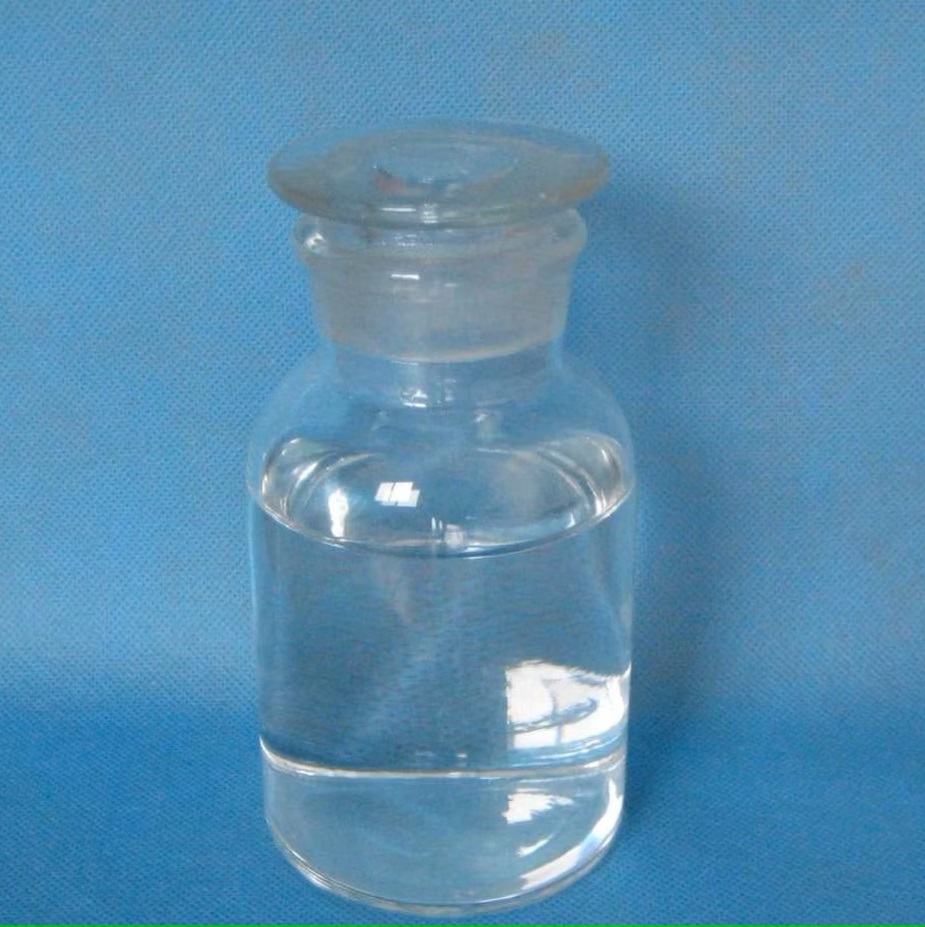
| Appearance | Colorless, clear liquid |
| Odor | Sharp, pungent, characteristic ammonia odor |
| Physical State (20°C) | Liquid |
| Concentration | Typically 25-30% w/w (commercial grade) |
SECTION 2: PHYSICAL PROPERTIES
| Property | Value |
|---|---|
| Appearance | Colorless, clear liquid |
| Odor | Sharp, pungent, characteristic ammonia odor |
| Molecular Weight | 35.05 g/mol |
| Density (25°C, 25% solution) | 0.91 g/cm³ |
| Density (25°C, 28% solution) | 0.90 g/cm³ |
| Melting Point | -77 °C (for NH₃) |
| Boiling Point | -33.34 °C (for NH₃ at 1 atm) |
| Vapor Pressure (20°C) | ~380 mmHg (for 25% solution) |
| pH (1 mM solution) | 10.09 |
| pH (10 mM solution) | 10.61 |
| pH (100 mM solution) | 11.12 |
| Vapor Density | 0.6 (air = 1) |
| Solubility in Water | Completely miscible |
| Explosive Limit | 27% (in air) |
| Refractive Index (nD²⁰) | 1.332 – 1.335 |
SECTION 3: CHEMICAL PROPERTIES
| Property | Information |
|---|---|
| Chemical Formula | NH₄OH (NH₃·H₂O) |
| Molecular Weight | 35.05 g/mol |
| Chemical Class | Inorganic base (weak base) |
| Structure | Ammonia dissolved in water (NH₃·H₂O ⇌ NH₄⁺ + OH⁻) |
| pH | 10-12 (depending on concentration) |
| pKa (NH₄⁺) | 9.25 |
| Heat of Solution | -30.5 kJ/mol (exothermic) |
| Stability | Stable under normal storage conditions |
| Decomposition | Releases ammonia gas when heated or exposed to acids |
| Incompatible Materials | Strong acids (reacts violently), copper and copper alloys, galvanized iron, zinc, aluminum, bronze, dimethyl sulfate, mercury, alkali metals |
SECTION 4: EQUILIBRIUM IN SOLUTION
| Equilibrium | Description |
|---|---|
| NH₃ + H₂O ⇌ NH₄OH | Ammonia dissolves in water to form ammonium hydroxide |
| NH₄OH ⇌ NH₄⁺ + OH⁻ | Dissociation of ammonium hydroxide into ions |
| Actual Species | Primarily NH₃·H₂O (hydrated ammonia), not free NH₄OH molecules |
| pH | Basic due to hydroxide ions (OH⁻) from dissociation |
| Buffer System | NH₄⁺/NH₃ buffer system (pKa = 9.25) |
SECTION 5: APPLICATION AREAS
5.1. Cleaning Products
| Application | Function |
|---|---|
| Household Cleaners | Glass cleaners, all-purpose cleaners, floor cleaners |
| Industrial Cleaners | Heavy-duty degreasers, metal cleaning |
| Sanitizers | Surface disinfectants |
| Graffiti Removers | Removes paints and coatings |
5.2. Chemical Synthesis
| Application | Function |
|---|---|
| Organic Synthesis | Reagent in organic compound synthesis |
| Inorganic Synthesis | Production of ammonium salts (chloride, nitrate, sulfate) |
| Precipitation Agent | Precipitates metal hydroxides |
| pH Adjustment | Neutralization of acids |
5.3. Water Treatment
| Application | Function |
|---|---|
| pH Adjustment | Increases pH of acidic water |
| Corrosion Control | Adjusts pH in boiler feed water |
| Wastewater Treatment | Precipitates heavy metals |
| Municipal Water Treatment | pH control and disinfection |
5.4. Food Industry
| Application | Function |
|---|---|
| Food Processing | pH adjuster in food production |
| Bakery | Leavening agent (ammonium bicarbonate precursor) |
| Confectionery | pH control in sugar processing |
| Meat Processing | Reduces acidity in processing |
5.5. Laboratory Reagent
| Application | Function |
|---|---|
| Analytical Chemistry | pH adjustment, precipitation reactions |
| Titration | Standardization of acids |
| Buffer Preparation | NH₄⁺/NH₃ buffer systems |
| Extraction | Liquid-liquid extraction of organic compounds |
SECTION 6: TYPICAL CONCENTRATIONS
| Grade | Concentration (% w/w) | Density (g/cm³) | Ammonia Content |
|---|---|---|---|
| Dilute | 5-10% | 0.97-0.98 | ~3-6% NH₃ |
| Technical | 25-28% | 0.90-0.91 | ~15-18% NH₃ |
| Laboratory | 28-30% | 0.89-0.90 | ~18-20% NH₃ |
| High Purity | 30-35% | 0.88-0.89 | ~20-25% NH₃ |
SECTION 7: QUALITY SPECIFICATIONS
| Parameter | Specification (Technical Grade) | Specification (Laboratory Grade) |
|---|---|---|
| Appearance | Colorless, clear liquid | Colorless, clear liquid |
| Assay (NH₃) | 25.0 – 28.0% | 28.0 – 30.0% |
| pH | 10-12 | 10-12 |
| Chlorides (Cl) | ≤ 10 ppm | ≤ 1 ppm |
| Sulfates (SO₄) | ≤ 10 ppm | ≤ 1 ppm |
| Heavy Metals (as Pb) | ≤ 10 ppm | ≤ 1 ppm |
| Iron (Fe) | ≤ 5 ppm | ≤ 1 ppm |
| Non-volatile Residue | ≤ 0.05% | ≤ 0.01% |
| Carbonates (CO₃) | ≤ 0.01% | ≤ 0.001% |
SECTION 8: STORAGE AND SHELF LIFE
| Parameter | Information |
|---|---|
| Storage Conditions | Cool (15-25°C), well-ventilated area |
| Container Requirements | Tightly closed, corrosion-resistant containers (glass, polyethylene, stainless steel) |
| Protect From | Heat, direct sunlight, acids, incompatible metals (Cu, Al, Zn, brass) |
| Shelf Life | 12-24 months (unopened original packaging) |
| Stability Note | Ammonia gas can escape; pressure builds up in sealed containers |
SECTION 9: PACKAGING OPTIONS
| Packaging Type | Quantity | Material |
|---|---|---|
| Plastic drum | 200-250 kg | HDPE |
| Plastic pail | 20-25 kg | HDPE |
| Glass bottle | 1-5 L | Amber glass |
| IBC Container | 1,000 kg | Plastic |
| Bulk | 20-25 tons | Tanker |
SECTION 10: SAFETY AND HEALTH INFORMATION
GHS Classification
| Hazard Class | Category |
|---|---|
| Acute Toxicity (Oral) | Category 4 (H302) |
| Acute Toxicity (Inhalation) | Category 3 (H331) |
| Skin Corrosion/Irritation | Category 1B (H314) |
| Eye Damage/Irritation | Category 1 (H318) |
| Aquatic Toxicity (Chronic) | Category 2 (H411) |
| Signal Word | Danger |
Hazard Statements (H-Codes)
| Code | Statement |
|---|---|
| H302 | Harmful if swallowed |
| H314 | Causes severe skin burns and eye damage |
| H318 | Causes serious eye damage |
| H331 | Toxic if inhaled |
| H335 | May cause respiratory irritation |
| H411 | Toxic to aquatic life with long lasting effects |
Precautionary Statements (P-Codes)
| Code | Statement |
|---|---|
| P260 | Do not breathe vapors |
| P280 | Wear protective gloves/protective clothing/eye protection |
| P301+P330+P331 | IF SWALLOWED: Rinse mouth. Do NOT induce vomiting. |
| P303+P361+P353 | IF ON SKIN (or hair): Remove/Take off immediately all contaminated clothing. Rinse skin with water |
| P305+P351+P338 | IF IN EYES: Rinse cautiously with water for several minutes; remove contact lenses if present and easy to do; continue rinsing |
| P304+P340 | IF INHALED: Remove person to fresh air and keep comfortable for breathing |
SECTION 11: TOXICOLOGICAL INFORMATION
| Parameter | Value |
|---|---|
| Oral LD50 (Rat) | 350 mg/kg (as NH₃) |
| Inhalation LC50 (Rat) | 2,000-4,000 ppm (4 hours) |
| Skin Corrosion | Causes severe burns |
| Eye Damage | Causes serious eye damage |
| Target Organs | Respiratory system, eyes, skin, mucous membranes |
| Carcinogenicity | Not classified |
| Mutagenicity | Negative in standard tests |
SECTION 12: FIRST AID MEASURES
| Exposure Route | Action |
|---|---|
| Inhalation | Move to fresh air. If breathing difficulty persists, seek medical attention. Artificial respiration if necessary. |
| Skin Contact | Wash immediately with plenty of water for at least 15 minutes. Remove contaminated clothing. Seek medical attention. |
| Eye Contact | Rinse immediately with plenty of water for at least 15 minutes. Seek medical attention. |
| Ingestion | Rinse mouth. Do NOT induce vomiting. Seek medical attention. |
SECTION 13: REGULATORY STATUS
| Region / Authority | Status |
|---|---|
| European Union | REACH registered |
| USA (EPA) | Listed; regulated as hazardous substance |
| Turkey | Registered; subject to KKDİK regulations |
| OSHA | Regulated as toxic substance |
| FDA | Approved for food processing (in limited applications) |
SECTION 14: TRANSPORT INFORMATION
| Parameter | Information |
|---|---|
| UN Number | 2672 (Ammonia solution, aqueous with 10-35% NH₃) |
| Hazard Class | 8 (Corrosive) |
| Packing Group | III |
| ADR/RID | 8, III |
| IMDG Code | 8, III |
| IATA (Air) | 8, III |
| Marine Pollutant | Yes |
| Proper Shipping Name | Ammonia solution, aqueous |
SECTION 15: FIRE-FIGHTING MEASURES
| Parameter | Information |
|---|---|
| Fire Hazard | Non-combustible but releases ammonia gas when heated |
| Suitable Extinguishing Media | Water spray, CO₂, dry chemical powder |
| Specific Hazards | Ammonia gas is toxic and flammable (explosive limit 27%) |
| Decomposition Products | Ammonia gas (NH₃), nitrogen oxides |
| Protective Equipment | Self-contained breathing apparatus (SCBA), full protective clothing |
SECTION 16: ACCIDENTAL SPILLAGE AND CLEANUP
| Parameter | Information |
|---|---|
| Personal Protection | Chemical resistant gloves, goggles, face shield, protective clothing, respiratory protection |
| Cleaning Methods | Neutralize with dilute acid (e.g., HCl). Absorb with inert material. Ventilate area. |
| Environmental Precautions | Prevent entry into drains, soil, and surface waters |
| Waste Disposal | According to local regulations; neutralization and disposal at licensed facilities |
SECTION 17: OTHER NAMES AND SYNONYMS
| Type | Name |
|---|---|
| Turkish Names | Amonyum Hidroksit, Amonyak Çözeltisi, Sulu Amonyak, Amonyak Suyu |
| English Names | Ammonium Hydroxide, Ammonia Solution, Ammonia Water, Aqua Ammonia, Spirit of Hartshorn |
| Chemical Names | Ammonium hydrate, Ammonium hydroxide solution |
| CAS Number | 1336-21-6 |
| EC Number | 215-647-6 |
| UN Number | 2672 |
SECTION 18: SUMMARY AND CRITICAL NOTES
Product Summary
| Parameter | Value |
|---|---|
| Product | Ammonium Hydroxide |
| CAS Number | 1336-21-6 |
| Appearance | Colorless, clear liquid |
| Density | 0.90-0.91 g/cm³ |
| Typical Concentration | 25-30% w/w |
| Primary Function | Cleaning agent, chemical synthesis, pH adjustment |
Critical Notes
-
Corrosive Substance: Causes severe skin burns and eye damage; handle with appropriate protective equipment.
-
Toxic Inhalation: Ammonia vapors are toxic and irritating; use in well-ventilated areas.
-
Alkaline Nature: Strong alkaline (pH 10-12); neutralizes acids; reacts violently with strong acids.
-
Incompatible Metals: Corrodes copper, aluminum, zinc, galvanized iron, brass, and bronze.
-
Volatile: Releases ammonia gas; pressure builds up in sealed containers; proper venting is required.
-
Clear Liquid: Colorless, clear liquid with sharp, pungent ammonia odor.
-
Completely Miscible: Fully miscible with water in all proportions.
-
Versatile Applications: Used in cleaning, chemical synthesis, water treatment, food processing, and laboratory applications.
-
Regulatory: Subject to strict transportation and handling regulations (UN 2672).
-
Environmental Hazard: Toxic to aquatic life; prevent release into the environment.
IMPORTANT DECLARATION: This Technical Data Sheet (TDS) is for informational purposes only and has been prepared based on available technical data. The user is responsible for determining the product's suitability for their specific application and for complying with all local, national, and international regulations. For complete safety, storage, use, transport, waste, and regulatory compliance information, refer to the official Safety Data Sheet (SDS/MSDS) provided by the manufacturer/supplier. Ammonium hydroxide is a corrosive and hazardous substance; appropriate protective measures must be taken during handling.