We unleash your business potential by maximize the business innovation.
Send EmailMethyl Glycol, Ethylene Glycol Monomethyl Ether, Methoxyethanol, EGME, 109-86-4
METHYL GLYCOL (ETHYLENE GLYCOL MONOMETHYL ETHER - EGME)
Methyl Glycol / Ethylene Glycol Monomethyl Ether (EGME) / Methoxyethanol / 2-Methoxyethanol
CAS Number: 109-86-4
EC Number: 203-713-7
1. PRODUCT IDENTIFICATION AND CHEMICAL IDENTITY
| Parameter | Description |
|---|---|
| Chemical Name (IUPAC) | 2-Methoxyethanol |
| Other Names | Methyl Glycol, Ethylene Glycol Monomethyl Ether (EGME), Methoxyethanol, Methyl Cellosolve, β-Methoxyethanol, Ethylene Glycol Methyl Ether |
| CAS Number | 109-86-4 |
| EC Number (EINECS) | 203-713-7 |
| Molecular Formula | C₃H₈O₂ |
| Molecular Weight | 76.09 g/mol |
| Chemical Class | Glycol ether (Alkoxy alcohol) |
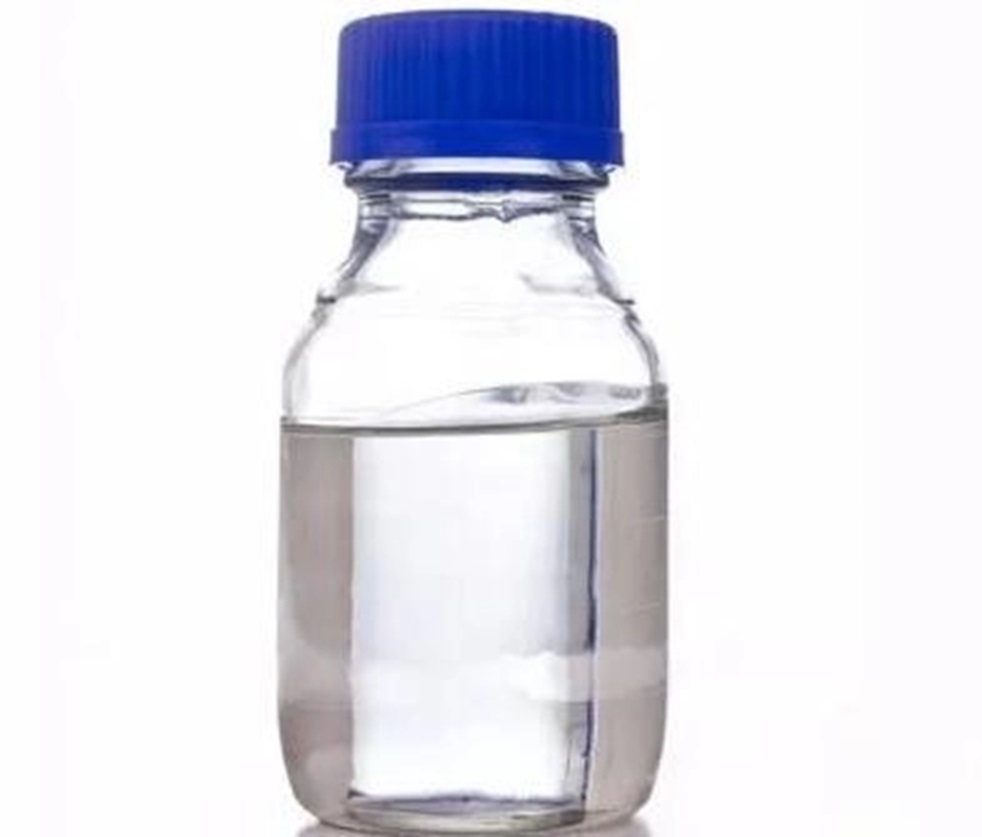
| Appearance | Colorless liquid |
| Odor | Mild, ether-like, characteristic odor |
| Taste | Slightly sweet, burning taste |
Methyl Glycol is a colorless liquid belonging to the glycol ether family with a mild, ether-like odor. It is produced by the reaction of ethylene oxide with methanol. It is completely miscible with water, alcohols, ether, acetone, and other organic solvents. Methyl Glycol is widely used in coatings, inks, cleaning products, and organic synthesis due to its excellent solvent properties, moderate evaporation rate, and low surface tension. It is also used as an antifreeze agent in aviation fuels. However, Methyl Glycol is known to have significant toxicological effects, including reproductive toxicity and hematological effects. Exposure limits must be strictly observed, and appropriate personal protective equipment must be used.
2. PHYSICAL AND CHEMICAL PROPERTIES
| Property | Value |
|---|---|
| Molecular Formula | C₃H₈O₂ |
| Molecular Weight | 76.09 g/mol |
| Appearance | Colorless liquid |
| Odor | Mild, ether-like, characteristic odor |
| Density (20°C) | 0.965 g/cm³ |
| Melting Point | -85 °C |
| Boiling Point | 124-125 °C |
| Flash Point | 38 °C (Closed cup) |
| Autoignition Temperature | 285 °C |
| Explosive Limits (Lower/Upper) | 1.8% / 14.0% (by volume) |
| Vapor Pressure (20°C) | 9.6 mmHg |
| Vapor Density (Air=1) | 2.62 (heavier than air) |
| Refractive Index (n20/D) | 1.402 |
| Viscosity (20°C) | 1.72 cP |
| Water Solubility | Completely miscible |
| Organic Solvent Solubility | Miscible with alcohols, ether, acetone, aromatics |
| pH | Neutral |
| Evaporation Rate (BuAc=1) | ~0.5 |
| Surface Tension | ~32.5 mN/m |
| Dipole Moment | 1.73 D |
| Dielectric Constant | 16.9 |
| LogP | -0.77 |
Methyl Glycol is a colorless liquid with a density of 0.965 g/cm³. The melting point is -85°C, and the boiling point is 124-125°C. The flash point is 38°C (closed cup), classifying it as a flammable liquid. The vapor pressure at 20°C is 9.6 mmHg, indicating moderate volatility. The vapor density is 2.62 (air=1), meaning its vapor is approximately 2.6 times heavier than air and may accumulate in low-lying areas. It is completely miscible with water and most organic solvents. Its low viscosity (1.72 cP) and good solvent properties make it an excellent solvent for coatings, inks, and cleaning applications.
3. CHEMICAL PROPERTIES AND REACTIONS
Methyl Glycol is a glycol ether containing both ether and alcohol functional groups. This structure gives it unique chemical properties and reactivity.
Esterification:
Methyl Glycol reacts with acids to form esters, which are used as solvents and intermediates.
Ether Formation:
Methyl Glycol can react with alkyl halides or sulfates to form diethers.
Oxidation:
Methyl Glycol can be oxidized by oxidizing agents to form various products (e.g., methoxyacetaldehyde, methoxyacetic acid).
Dehydration:
In the presence of acidic catalysts, Methyl Glycol can dehydrate to form dimethyl ether and other ethers.
Nucleophilic Substitution:
The hydroxyl group of Methyl Glycol can undergo nucleophilic substitution reactions to form various derivatives.
Alkoxide Formation:
Methyl Glycol reacts with strong bases to form the methoxide anion (CH₃OCH₂CH₂O⁻), which can be used as a nucleophile in organic synthesis.
4. PRODUCTION METHODS
Methyl Glycol is produced industrially by the reaction of ethylene oxide with methanol.
| Method | Raw Materials | Process Description |
|---|---|---|
| Ethylene Oxide Methanolysis | Ethylene Oxide, Methanol | Ethylene oxide is reacted with methanol to produce Methyl Glycol. The reaction is typically carried out at elevated temperature and pressure (100-200°C, 10-20 atm) in the presence of a catalyst (e.g., acidic or basic catalyst). This is the most common industrial method. |
| Partial Oxidation | Methanol, Ethylene | Indirect method; less common. |
Detailed Production Process (Ethylene Oxide Methanolysis - Most Common):
-
Reaction: Ethylene oxide and methanol are reacted at 100-200°C and 10-20 atm pressure in the presence of an acidic or basic catalyst:
C₂H₄O + CH₃OH → CH₃OCH₂CH₂OH (Methyl Glycol)
-
Distillation: The reaction mixture is subjected to fractional distillation to remove unreacted methanol and byproducts.
-
Purification: Methyl Glycol is further purified by additional distillation steps (e.g., vacuum distillation) to obtain high-purity product.
Reaction Equation:
C₂H₄O + CH₃OH → CH₃OCH₂CH₂OH
5. SPECIFICATIONS (TECHNICAL GRADE)
| Parameter | Specification |
|---|---|
| Purity | ≥ 99.0% |
| Appearance | Clear, colorless liquid |
| Color (APHA/Pt-Co) | ≤ 10 |
| Water Content | ≤ 0.1% |
| Density (20°C) | 0.963-0.967 g/cm³ |
| Distillation Range (123-126°C) | ≥ 95% |
| Acidity (as acetic acid) | ≤ 0.01% |
| Ash Content | ≤ 0.01% |
6. APPLICATIONS AND INDUSTRIAL USES
Methyl Glycol is a versatile solvent and chemical intermediate with a wide range of applications.
6.1. Solvent Applications (Most Important Application)
| Application | Description |
|---|---|
| Paints and Coatings | Used as a solvent for nitrocellulose, acrylic, cellulosic, and epoxy coatings. Provides fast evaporation and good flow properties. |
| Printing Inks | Used as a solvent for flexographic and gravure printing inks. |
| Cleaning Products | Used as a component in industrial cleaners, degreasers, and electronics cleaners. |
| Adhesives | Used as a solvent in adhesive formulations. |
| Photoresists | Used as a solvent in photoresist formulations for semiconductor manufacturing. |
Methyl Glycol is an excellent solvent for many resins, polymers, and coatings due to its high solvency power, moderate evaporation rate, and low surface tension. It is widely used in nitrocellulose, acrylic, cellulosic, and epoxy coatings. It is also used in printing inks, industrial cleaners, degreasers, electronics cleaners, and adhesives. In semiconductor manufacturing, it is used as a solvent in photoresist formulations.
6.2. Antifreeze Applications
| Application | Description |
|---|---|
| Aviation Fuels | Used as an antifreeze agent in aviation fuels (jet fuel) to prevent ice formation. |
| Hydraulic Fluids | Used in hydraulic fluid formulations. |
Methyl Glycol is used as an antifreeze agent in aviation fuels (jet fuel) to prevent ice formation. It is also used in hydraulic fluid formulations.
6.3. Organic Synthesis and Chemical Intermediate
| Application | Description |
|---|---|
| Organic Intermediates | Used as a starting material for the synthesis of organic intermediates. |
| Pharmaceutical Synthesis | Used as an intermediate in the synthesis of pharmaceutical compounds. |
| Pesticide Synthesis | Used as an intermediate in the synthesis of pesticides. |
| Dyes and Pigments | Used as an intermediate in the synthesis of dyes and pigments. |
Methyl Glycol is used as a starting material for the production of various intermediates in organic synthesis. It is also used as an intermediate in the synthesis of pharmaceuticals, pesticides, dyes, and pigments.
6.4. Other Applications
| Application | Description |
|---|---|
| Corrosion Inhibitors | Used in corrosion inhibitor formulations. |
| Surfactants | Used as an intermediate in surfactant production. |
| Plasticizers | Used as an intermediate in plasticizer production. |
7. HEALTH EFFECTS AND TOXICOLOGY
Methyl Glycol has significant toxicological effects, including reproductive toxicity, developmental toxicity, and hematological effects. It requires very careful handling due to its reproductive toxicity and effects on the fetus.
7.1. Toxicological Data
| Parameter | Value |
|---|---|
| Oral LD50 (Rat) | 2,460-2,840 mg/kg |
| Dermal LD50 (Rabbit) | 1,200-2,000 mg/kg |
| Inhalation LC50 (Rat, 4 hours) | ~5,000 ppm |
| Skin Irritation | Mild to moderate irritant |
| Eye Irritation | Severe irritant |
| Skin Sensitization | Not a sensitizer |
| Mutagenicity | Positive (in vitro) |
| Carcinogenicity | Not classified |
| Reproductive Toxicity | Category 2 (H361) |
| Developmental Toxicity | Category 2 |
| ACGIH TLV-TWA | 5 ppm (15 mg/m³) (skin) |
| OSHA PEL-TWA | 25 ppm (80 mg/m³) (skin) |
| NIOSH IDLH | 200 ppm |
7.2. Health Effects
Acute Exposure:
| Route | Effects |
|---|---|
| Inhalation | Respiratory irritation, coughing, headache, dizziness, nausea, drowsiness, narcosis at high concentrations |
| Skin Contact | Mild to moderate irritation, redness, dryness; may be absorbed through skin |
| Eye Contact | Severe irritation, burning, redness, tearing, corneal damage |
| Ingestion | Nausea, vomiting, abdominal pain, dizziness, central nervous system depression, respiratory failure |
Chronic Exposure:
-
Reproductive and Developmental Toxicity: Methyl Glycol is known to cause damage to the male and female reproductive systems (testicular atrophy, decreased sperm count, infertility) and developmental anomalies in the fetus (birth defects). These effects have been observed in animal studies at low doses (50-100 ppm).
-
Hematological Effects: Prolonged or repeated exposure may cause hematological effects (anemia, leukopenia, decreased hemoglobin, decreased red blood cell count).
-
Central Nervous System Effects: Prolonged or repeated exposure may cause headaches, dizziness, fatigue, and memory impairment.
-
Kidney and Liver Effects: Long-term high-level exposure may affect kidney and liver function.
Special Warning: Methyl Glycol has a higher reproductive and developmental toxicity potential compared to other glycol ethers. Even low-dose exposure poses a risk. Workplace exposure limits must be strictly observed, and special protective measures must be taken for female workers (especially those of childbearing age).
8. FIRST AID MEASURES
| Exposure Route | Action |
|---|---|
| Inhalation | Move person to fresh air immediately. If breathing is difficult, give oxygen. If breathing has stopped, perform artificial respiration. Seek immediate medical attention. |
| Skin Contact | Remove contaminated clothing immediately. Wash affected area with plenty of soap and water for at least 15 minutes. Seek immediate medical attention. |
| Eye Contact | Rinse immediately with plenty of water for at least 15 minutes. Remove contact lenses if present. Keep eyelids open. Seek immediate medical attention. |
| Ingestion | Do NOT induce vomiting. Rinse mouth with water. Seek immediate medical attention. Never give anything by mouth to an unconscious person. |
9. SAFETY INFORMATION (GHS CLASSIFICATION)
| Hazard Class | Category |
|---|---|
| Flammable Liquid | Category 3 (H226) |
| Acute Toxicity - Oral | Category 4 (H302) |
| Acute Toxicity - Dermal | Category 4 (H312) |
| Skin Irritation | Category 2 (H315) |
| Eye Irritation | Category 2 (H319) |
| Reproductive Toxicity | Category 2 (H361) |
| Specific Target Organ Toxicity - Single Exposure | Category 3 (H335) |
| Specific Target Organ Toxicity - Repeated Exposure | Category 2 (H373) |
Signal Word: DANGER
Hazard Statements (H-Codes):
| Code | Statement |
|---|---|
| H226 | Flammable liquid and vapor |
| H302 | Harmful if swallowed |
| H312 | Harmful in contact with skin |
| H315 | Causes skin irritation |
| H319 | Causes serious eye irritation |
| H335 | May cause respiratory irritation |
| H361 | Suspected of damaging fertility or the unborn child |
| H373 | May cause damage to organs through prolonged or repeated exposure |
Precautionary Statements (P-Codes):
| Code | Statement |
|---|---|
| P201 | Obtain special instructions before use |
| P202 | Do not handle until all safety precautions have been read and understood |
| P210 | Keep away from heat, hot surfaces, sparks, open flames and other ignition sources. No smoking |
| P233 | Keep container tightly closed |
| P240 | Ground and bond container and receiving equipment |
| P241 | Use explosion-proof electrical, ventilating, and lighting equipment |
| P242 | Use only non-sparking tools |
| P243 | Take action to prevent static discharges |
| P261 | Avoid breathing dust, fumes, gas, vapor, or spray |
| P271 | Use only outdoors or in a well-ventilated area |
| P280 | Wear protective gloves, protective clothing, eye/face protection |
| P301+P310 | IF SWALLOWED: Immediately call a POISON CENTER or doctor |
| P302+P352 | IF ON SKIN: Wash with plenty of soap and water |
| P303+P361+P353 | IF ON SKIN (or hair): Remove immediately all contaminated clothing. Rinse skin with water/shower |
| P304+P340 | IF INHALED: Remove person to fresh air and keep comfortable for breathing |
| P305+P351+P338 | IF IN EYES: Rinse cautiously with water for several minutes. Remove contact lenses if present and easy to do. Continue rinsing |
| P308+P313 | If exposed or concerned: Get medical attention |
| P312 | Call a POISON CENTER or doctor if you feel unwell |
| P363 | Wash contaminated clothing before reuse |
| P403+P233 | Store in a well-ventilated place. Keep container tightly closed |
| P403+P235 | Store in a well-ventilated place. Keep cool |
| P405 | Store locked up |
| P501 | Dispose of contents/container in accordance with local/regional/national/international regulations |
10. FIREFIGHTING MEASURES
| Parameter | Information |
|---|---|
| Fire Hazard | Flammable liquid; vapor-air mixtures can be explosive |
| Flash Point | 38°C (Closed cup) |
| Autoignition Temperature | 285°C |
| Explosive Limits (Lower/Upper) | 1.8% / 14.0% (by volume) |
| Extinguishing Media | Alcohol-resistant foam, CO₂, dry chemical powder, water fog |
| Unsuitable Extinguishing Media | Direct water jet (can spread fire) |
| Special Hazards | Vapors are heavier than air and may travel to ignition sources; thermal decomposition produces toxic and irritant fumes (carbon monoxide, carbon dioxide) |
| Protective Equipment | Self-contained breathing apparatus (SCBA), full protective clothing |
11. ACCIDENTAL RELEASE MEASURES
| Parameter | Information |
|---|---|
| Personal Protection | Wear appropriate PPE (chemical-resistant gloves, goggles, protective clothing, respiratory protection) |
| Ventilation | Increase ventilation; evacuate area if necessary |
| Ignition Sources | Eliminate all ignition sources; use explosion-proof equipment |
| Containment | Stop source if safe; dike or absorb to prevent spread |
| Absorption Materials | Inert absorbent materials (sand, vermiculite, commercial absorbents) |
| Large Spills | Contact emergency services; use foam to suppress vapors |
| Environmental Precautions | Prevent entry into drains, sewers, and water bodies |
| Waste Disposal | Dispose of according to local, state, and federal regulations; incineration recommended |
12. STORAGE AND HANDLING
| Parameter | Information |
|---|---|
| Storage Conditions | Cool, dry, well-ventilated area; away from ignition sources; store below 40°C |
| Container Requirements | Tightly closed containers; grounded and bonded containers |
| Materials to Avoid | Strong oxidizing agents, strong acids, strong bases |
| Static Charge | Grounding required to prevent static electricity accumulation |
| Shelf Life | 12-24 months under proper storage conditions |
| Packaging Options | 200 L drums, IBC tanks, bulk tankers |
Methyl Glycol should be stored in cool, dry, well-ventilated areas, away from ignition sources, heat, and incompatible materials (strong oxidizing agents, strong acids, strong bases). Containers should be tightly closed, grounded, and bonded to prevent static electricity accumulation. Storage areas should be equipped with fire suppression equipment and spill containment systems. The flash point of 38°C requires careful handling away from ignition sources. Shelf life under proper storage conditions is typically 12-24 months.
Handling Notes:
-
Use in well-ventilated areas
-
Keep away from ignition sources
-
Avoid static electricity accumulation (ground all equipment)
-
Avoid contact with eyes, skin, and clothing
-
Avoid breathing vapor or mist
-
Use only with appropriate personal protective equipment
-
Avoid release to the environment
-
Reproductive toxicity risk; women of childbearing age should take special protective measures
13. TRANSPORT INFORMATION
| Parameter | Information |
|---|---|
| UN Number | 1188 |
| Hazard Class | 3 (Flammable Liquid) |
| Packing Group | III |
| Proper Shipping Name | Ethylene Glycol Monomethyl Ether |
| Marine Pollutant | No |
| ADR/RID Class | 3 |
| IATA-DGR | Class 3, Packing Group III |
| IMDG Code | Class 3, Packing Group III |
Methyl Glycol is classified as a dangerous good with UN number 1188. Hazard class is 3 (Flammable Liquid) and Packing Group III. During transport, it should be kept away from heat, sparks, open flames, and other ignition sources. Containers should be grounded and bonded. Proper labeling and documentation are required.
14. REGULATORY INFORMATION
| Region | Status |
|---|---|
| EU | REACH registered; SVHC candidate list |
| Turkey (KKDİK) | Mandatory compliance; requires registration |
| USA (TSCA) | Listed |
| Canada (DSL) | Listed |
| Australia (AICS) | Listed |
| Japan (ENCS) | Listed |
| Korea (KECL) | Listed |
| China (IECSC) | Listed |
Regulatory Status:
| Status | Information |
|---|---|
| IARC Classification | Not classified |
| HS Code | 29094980 |
| UN Number | 1188 |
| Hazard Class | 3 (Flammable Liquid) |
| Packing Group | III |
| RTECS | KL5775000 |
| WGK Germany | 2 (hazard to water) |
| TSCA | Yes |
| EINECS | 203-713-7 |
| SVHC | Yes (EU REACH candidate list) |
15. OTHER NAMES AND DATABASE IDENTIFIERS
| Category | Names / Identifiers |
|---|---|
| Chemical Names | 2-Methoxyethanol |
| Synonyms | Methyl Glycol, Ethylene Glycol Monomethyl Ether (EGME), Methoxyethanol, Methyl Cellosolve, β-Methoxyethanol, Ethylene Glycol Methyl Ether |
| Trade Names | Methyl Glycol, EGME, Methyl Cellosolve |
Database Identifiers:
| Database | Identifier |
|---|---|
| CAS | 109-86-4 |
| EC (EINECS) | 203-713-7 |
| MDL | MFCD00002867 |
| PubChem CID | 8019 |
| RTECS | KL5775000 |
| UN | 1188 |
| HS Code | 29094980 |
| Merck | 14, 6039 |
| Beilstein | 1731074 |
16. ENVIRONMENTAL INFORMATION
| Parameter | Information |
|---|---|
| Aquatic Toxicity | Moderately toxic to aquatic organisms; LC50 (Fish, 96h): 1,000-2,000 mg/L |
| Biodegradability | Readily biodegradable |
| Bioaccumulation | Low potential (LogP -0.77) |
| Mobility in Soil | High (water-soluble) |
| Environmental Fate | Volatilizes from water and soil; photodegradation in atmosphere |
| Waste Disposal | Incineration at permitted facility recommended; hazardous waste disposal required |
17. COMPARISON WITH OTHER GLYCOL ETHERS
| Property | Methyl Glycol (EGME) | Ethyl Glycol (EGEE) | Butyl Glycol (EGBE) |
|---|---|---|---|
| Formula | C₃H₈O₂ | C₄H₁₀O₂ | C₆H₁₄O₂ |
| Boiling Point | 124-125°C | 135°C | 171°C |
| Flash Point | 38°C | 44°C | 67°C |
| Water Solubility | Completely miscible | Completely miscible | Completely miscible |
| Evaporation Rate (BuAc=1) | ~0.5 | ~0.3 | ~0.06 |
| Toxicity (Reproductive) | High | Moderate | Low |
| Primary Use | Solvent, antifreeze | Solvent | Solvent, cleaner |
Methyl Glycol has higher reproductive toxicity compared to other glycol ethers. Therefore, its use is increasingly restricted, and safer alternatives (e.g., propylene glycol-based ethers) are preferred.
18. INDUSTRY SUITABILITY TABLE
| Industry | Application | Suitability | Notes |
|---|---|---|---|
| Paints and Coatings | Nitrocellulose, acrylic, epoxy solvent | High | Good flow and evaporation properties |
| Printing Inks | Flexographic, gravure ink solvent | High | Excellent solvency power |
| Aviation | Jet fuel antifreeze | High | Critical application |
| Cleaning Products | Industrial cleaners, degreasers | Suitable | Good solvency power |
| Organic Synthesis | Intermediate, starting material | Suitable | Versatile chemical intermediate |
| Semiconductors | Photoresist solvent | Suitable | High purity required |
| Cosmetics | Limited use | Low | Limited due to toxicity |
19. DOWNSTREAM AND UPSTREAM PRODUCTS
19.1. Raw Materials (Upstream)
| Raw Material | Description |
|---|---|
| Ethylene Oxide | Primary raw material |
| Methanol | Primary raw material |
| Catalysts | Acidic or basic catalysts |
19.2. Derivative Products (Downstream)
| Derivative | Application |
|---|---|
| Methoxy Esters | Solvents, intermediates |
| Methoxy Aldehydes | Intermediates |
| Methoxy Acids | Intermediates |
| Pharmaceuticals | Drug synthesis |
| Pesticides | Agrochemicals |
| Dyes and Pigments | Colorants |
| Surfactants | Detergents, emulsifiers |
20. SUMMARY AND CRITICAL WARNINGS
SUMMARY:
Methyl Glycol (C₃H₈O₂, CAS 109-86-4) is a colorless liquid with a mild, ether-like odor. The molecular weight is 76.09 g/mol, density is 0.965 g/cm³, boiling point is 124-125°C, and flash point is 38°C. It is completely miscible with water and most organic solvents. It is produced by the reaction of ethylene oxide with methanol. Due to its excellent solvent properties, it is widely used in paints, coatings, inks, cleaning products, and organic synthesis. It is also used as an antifreeze agent in aviation fuels. However, it has significant toxicological effects, including reproductive toxicity and hematological effects. It is listed on the EU REACH SVHC (Substance of Very High Concern) candidate list. UN 1188 (Class 3 - Flammable Liquid, Packing Group III). It is stored in cool, dry, well-ventilated areas away from ignition sources and incompatible materials.
Key Properties:
| Property | Value |
|---|---|
| Appearance | Colorless liquid |
| Chemical Formula | C₃H₈O₂ |
| Molecular Weight | 76.09 g/mol |
| CAS Number | 109-86-4 |
| Boiling Point | 124-125°C |
| Flash Point | 38°C |
| Density (20°C) | 0.965 g/cm³ |
| Water Solubility | Completely miscible |
| Primary Use | Solvent, antifreeze, chemical intermediate |
Major Application Areas:
| Industry | Applications |
|---|---|
| Paints and Coatings | Nitrocellulose, acrylic, epoxy solvent |
| Printing Inks | Flexographic, gravure ink solvent |
| Aviation | Jet fuel antifreeze |
| Cleaning Products | Industrial cleaners, degreasers |
| Organic Synthesis | Intermediate, starting material |
| Semiconductors | Photoresist solvent |
Key Safety Points:
-
FLAMMABLE LIQUID: Flash point 38°C; keep away from all ignition sources
-
REPRODUCTIVE TOXICITY: Suspected of damaging fertility or the unborn child (H361)
-
ORGAN DAMAGE: May cause damage to organs through prolonged or repeated exposure (H373)
-
IRRITANT: Causes skin and eye irritation
-
HARMFUL: Harmful if swallowed or in contact with skin
-
STORAGE: Store in cool, dry, well-ventilated area away from ignition sources
-
PPE REQUIRED: Chemical-resistant gloves, goggles, protective clothing, respiratory protection
-
SVHC: Listed on EU REACH SVHC candidate list; subject to special regulations
CRITICAL WARNINGS:
Reproductive and Developmental Toxicity: Methyl Glycol is known to cause damage to the male and female reproductive systems (testicular atrophy, decreased sperm count, infertility) and developmental anomalies in the fetus (birth defects). These effects have been observed in animal studies at low doses (50-100 ppm). Female workers of childbearing age must take special protective measures and avoid exposure. The ACGIH TLV-TWA is 5 ppm (15 mg/m³), and this limit must be strictly observed.
SVHC (Substance of Very High Concern): Methyl Glycol is listed on the EU REACH SVHC (Substance of Very High Concern) candidate list due to its reproductive toxicity. This means the substance is subject to special regulations. Users must comply with these regulations and consider safer alternatives where possible.
Skin Absorption: Methyl Glycol is readily absorbed through the skin. Skin contact can cause exposure levels equivalent to or higher than inhalation exposure. Chemical-resistant gloves and protective clothing are mandatory. Nitrile or neoprene gloves are recommended.
Flammability: With a flash point of 38°C, Methyl Glycol is a flammable liquid. Vapors are heavier than air (vapor density 2.62) and may travel to ignition sources, causing flashback. Explosive limits range from 1.8-14.0% by volume. Static electricity accumulation can cause ignition. Use explosion-proof electrical equipment, proper grounding, and non-sparking tools.
Solvent Properties: Methyl Glycol is an excellent solvent for many resins, polymers, and coatings due to its high solvency power, moderate evaporation rate, and low surface tension. It is particularly useful in nitrocellulose, acrylic, cellulosic, and epoxy coatings. However, due to toxicity concerns, its use is increasingly restricted, and safer alternatives (e.g., propylene glycol-based ethers) are preferred.
Environmental Considerations: Methyl Glycol is readily biodegradable and has low bioaccumulation potential (LogP -0.77). However, it is moderately toxic to aquatic organisms (LC50, Fish, 96h: 1,000-2,000 mg/L). Release to the environment should be avoided.
Important Disclaimer: This Technical Data Sheet (TDS) is for informational purposes only. The information provided is based on available data and is believed to be accurate. However, the user is solely responsible for determining the suitability of the product for their specific application and for complying with all applicable regulations and safety requirements. For complete safety, handling, storage, and regulatory compliance information, always refer to the official Safety Data Sheet (SDS/MSDS) provided by the manufacturer/supplier. Users are responsible for testing the product in their own processes and applications. All local, national, and international regulations must be followed when working with Methyl Glycol.