We unleash your business potential by maximize the business innovation.
Send EmailMethylcobalamin, Methyl Cobalamin, Mecobalamin, Co-methylcobalamin, MeCbl, Vitamin B12, E101, 13422-55-4
METHYLCOBALAMIN – METİLKOBALAMİN
CAS Number: 13422-55-4
EC Number (EINECS): 236-535-4
Molecular Formula: C₆₃H₉₁CoN₁₃O₁₄P
Molecular Weight: 1344.40 g/mol
E Number: E101 (Vitamin B12)
SECTION 1: CHEMICAL IDENTITY AND DEFINITION
| Parameter | Information |
|---|---|
| Chemical Name (IUPAC) | Methylcobalamin / Mecobalamin |
| Other Names | Methylcobalamin, Mecobalamin, MeCbl, Co-methylcobalamin, Vitamin B12, Methyl Vitamin B12 |
| Chemical Formula | C₆₃H₉₁CoN₁₃O₁₄P |
| Molecular Weight | 1344.40 g/mol |
| CAS Number | 13422-55-4 |
| EC Number (EINECS) | 236-535-4 |
| E Number | E101 (Vitamin B12) |
| Chemical Class | Cobalamin derivative (organometallic compound) |
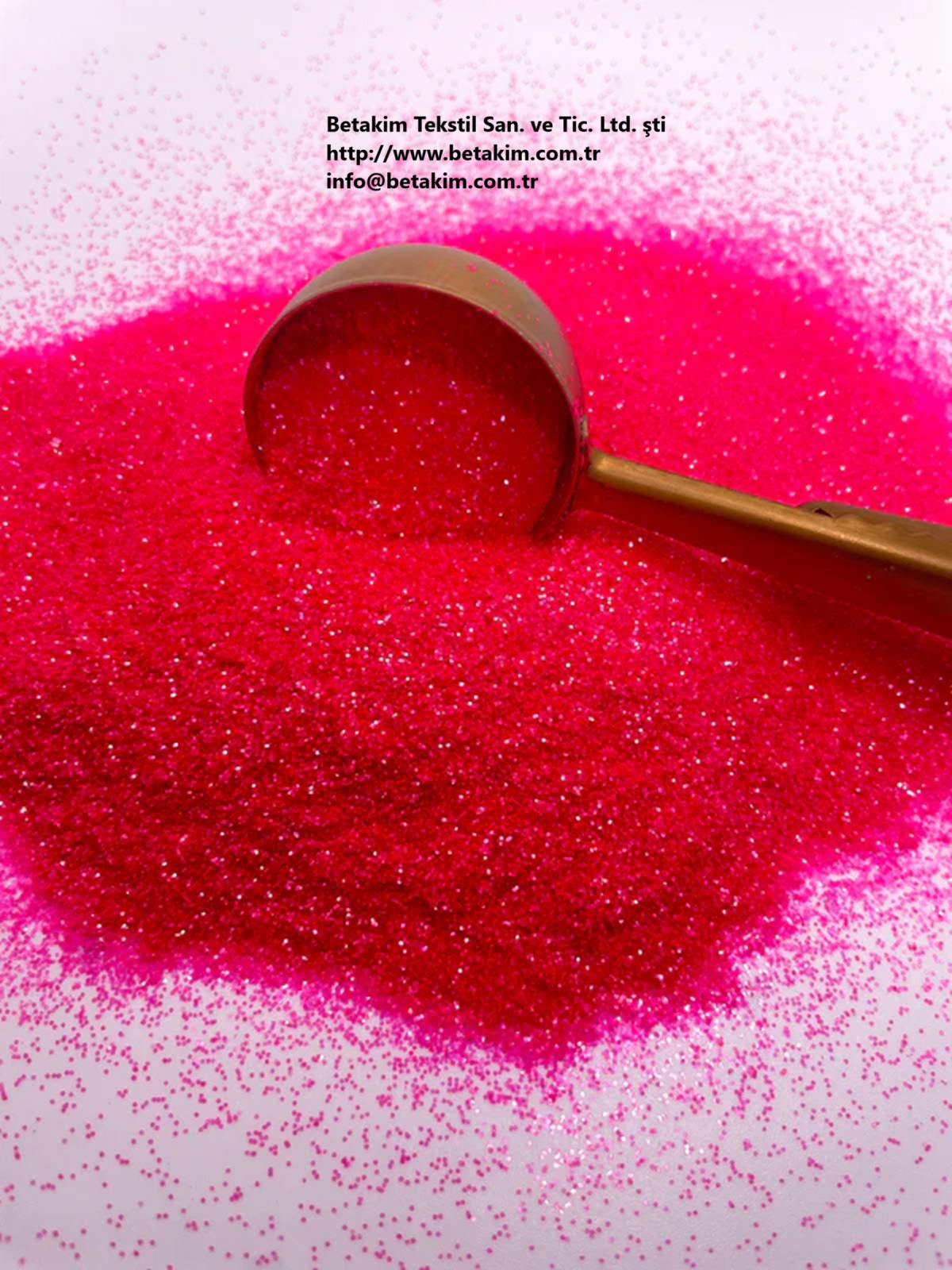
| Appearance | Dark red to reddish-brown, crystalline powder |
| Odor | Odorless |
| Physical State (20°C) | Solid (crystalline powder) |
| Solubility | Slightly soluble in cold and hot water |
| Stability | Light sensitive (photolabile) |
SECTION 2: PHYSICAL PROPERTIES
| Property | Value |
|---|---|
| Appearance | Dark red to reddish-brown, crystalline powder |
| Odor | Odorless |
| Molecular Weight | 1344.40 g/mol |
| Melting Point | > 190 °C (decomposes) |
| Color | Dark red |
| Solubility in Water (20°C) | Slightly soluble |
| Solubility in Water (Hot) | Slightly soluble |
| Solubility in Ethanol | Practically insoluble |
| Solubility in Acetone | Practically insoluble |
| Solubility in DMSO | Soluble |
| Optical Rotation [α]D²⁰ | -80° to -100° |
| UV-Vis Absorption (λmax) | ~530 nm (red color) |
| Stability | Light sensitive (photolabile) |
| Hygroscopicity | Low |
| Incompatible Materials | Strong oxidizing agents, light |
SECTION 3: CHEMICAL PROPERTIES
| Property | Information |
|---|---|
| Chemical Formula | C₆₃H₉₁CoN₁₃O₁₄P |
| Molecular Weight | 1344.40 g/mol |
| Chemical Class | Cobalamin derivative (organometallic compound) |
| Structure | Corrin ring with central cobalt ion; methyl ligand |
| Central Metal | Cobalt (Co) |
| Coordination Number | 6 |
| Oxidation State | Co³⁺ (cobalt III) |
| Ligand | Methyl group (-CH₃) |
| Stability | Stable under normal conditions; light sensitive |
| Photodegradation | Degrades upon exposure to light |
| Incompatible Materials | Strong oxidizing agents, light |
Chemical Structure:
Methylcobalamin (MeCbl)
    |
Vitamin B12 with methyl group (-CH₃) coordinated to cobalt
    |
Corrin ring structure with central cobalt ion
SECTION 4: VITAMIN B12 FORMS - COMPARISON
| Property | Methylcobalamin (MeCbl) | Cyanocobalamin | Adenosylcobalamin | Hydroxocobalamin |
|---|---|---|---|---|
| CAS Number | 13422-55-4 | 68-19-9 | 13870-90-1 | 13422-51-0 |
| Ligand | Methyl (-CH₃) | Cyano (-CN) | Adenosyl | Hydroxyl (-OH) |
| Active Form | Yes (active) | Requires conversion | Yes (active) | Converted to active forms |
| Bioavailability | High | Good | High | Good |
| Natural Occurrence | Yes | No (synthetic) | Yes | Yes |
| Neurological Benefits | Excellent | Good | Good | Good |
| Cyanide Content | None | Yes (small) | None | None |
| Cost | High | Low | High | Moderate |
| Common Use | Supplements, neurological | Fortified foods, supplements | Mitochondrial function | Injections, detoxification |
SECTION 5: MECHANISM OF ACTION
| Parameter | Description |
|---|---|
| Primary Function | Cofactor for methionine synthase |
| Methionine Synthase | Converts homocysteine to methionine |
| Methyl Donor | Provides methyl group for methylation reactions |
| Myelin Synthesis | Essential for myelin sheath formation |
| DNA Synthesis | Supports DNA synthesis and repair |
| Red Blood Cell Formation | Essential for erythropoiesis |
| Neurological Function | Supports nervous system health and function |
| Homocysteine Reduction | Reduces homocysteine levels (cardiovascular risk factor) |
SECTION 6: HEALTH BENEFITS AND APPLICATIONS
| Benefit | Description |
|---|---|
| Neurological Health | Supports nerve cell protection and regeneration |
| Myelin Sheath Formation | Essential for myelin production and repair |
| Energy Production | Contributes to cellular energy production |
| DNA Synthesis | Plays key role in DNA synthesis |
| Anemia Treatment | Treats megaloblastic anemia (B12 deficiency) |
| Cognitive Function | Supports brain health; improves memory and concentration |
| Homocysteine Regulation | Reduces homocysteine levels |
| Nerve Regeneration | Supports peripheral nerve regeneration |
| Diabetic Neuropathy | May help treat diabetic neuropathy |
| Sleep-Wake Cycle | Involved in melatonin production; supports sleep |
SECTION 7: CLINICAL APPLICATIONS
| Application | Description |
|---|---|
| Vitamin B12 Deficiency | Treatment and prevention of deficiency |
| Megaloblastic Anemia | Treatment of B12 deficiency anemia |
| Diabetic Neuropathy | Adjunctive treatment for neuropathy |
| Peripheral Neuropathy | Treatment of nerve damage |
| Alzheimer's Disease | Supportive therapy (research) |
| Multiple Sclerosis | Supportive therapy (research) |
| Chronic Fatigue | Energy support |
| Cognitive Decline | Age-related cognitive decline support |
SECTION 8: DIETARY SUPPLEMENT APPLICATIONS
| Application | Function |
|---|---|
| B12 Supplements | Oral tablets, sublingual tablets, lozenges |
| B-Complex Vitamins | Component of vitamin B complex |
| Injection Solutions | Intramuscular administration |
| Fortified Foods | Food fortification (E101) |
| Infant Formulas | B12 fortification for infants |
| Sports Nutrition | Energy and recovery support |
| Neurological Support | Nerve health formulations |
SECTION 9: TYPICAL DOSAGE
| Application | Recommended Daily Dose |
|---|---|
| General Supplementation | 1-10 mcg/day |
| B12 Deficiency (Mild) | 10-100 mcg/day |
| B12 Deficiency (Severe) | 1,000-5,000 mcg/day (under supervision) |
| Neurological Conditions | 1,000-5,000 mcg/day (under supervision) |
| Sublingual Formulations | 500-5,000 mcg/day |
| Injection (IM) | 1,000-5,000 mcg/day |
SECTION 10: QUALITY SPECIFICATIONS (PHARMACEUTICAL GRADE)
| Parameter | Specification (USP / Ph. Eur.) |
|---|---|
| Appearance | Dark red to reddish-brown, crystalline powder |
| Identification | Positive (HPLC, UV-Vis) |
| Assay (HPLC) | 98.0 – 102.0% |
| Loss on Drying | ≤ 3.0% |
| Residue on Ignition | ≤ 0.1% |
| Heavy Metals (as Pb) | ≤ 10 ppm |
| Lead (Pb) | ≤ 2 ppm |
| Arsenic (As) | ≤ 3 ppm |
| Mercury (Hg) | ≤ 1 ppm |
| Cadmium (Cd) | ≤ 1 ppm |
| Related Substances | ≤ 2.0% |
| Cyanocobalamin Content | ≤ 1.0% |
| Total Impurities | ≤ 3.0% |
| Water Content | ≤ 3.0% |
SECTION 11: MICROBIOLOGICAL SPECIFICATIONS
| Parameter | Specification |
|---|---|
| Total Aerobic Mesophilic Bacteria | ≤ 1,000 CFU/g |
| Yeast and Mold | ≤ 100 CFU/g |
| Salmonella spp. | Negative in 25g |
| Escherichia coli | Negative in 10g |
| Staphylococcus aureus | Negative in 1g |
SECTION 12: STORAGE AND SHELF LIFE
| Parameter | Information |
|---|---|
| Storage Conditions | Cool (15-25°C), dry, well-ventilated area |
| Container Requirements | Tightly closed, light-resistant (amber glass or opaque containers) |
| Protect From | Light (photolabile), heat, strong oxidizing agents |
| Shelf Life | 24-36 months (unopened original packaging) |
| Stability Note | Light sensitive; color change indicates degradation |
SECTION 13: PACKAGING OPTIONS
| Packaging Type | Quantity | Material |
|---|---|---|
| Aluminum foil bag | 1-5 kg | Laminated aluminum |
| Glass bottle | 100-500 g | Amber glass |
| Plastic pail | 20-25 kg | HDPE |
| Fiber drum | 25-50 kg | HDPE + PE |
| Big-Bag | 500-1000 kg | Polypropylene (with PE liner) |
SECTION 14: SAFETY AND HEALTH INFORMATION
GHS Classification (Bulk Powder)
| Hazard Class | Category |
|---|---|
| Not classified as hazardous | - |
Hazard Statements
| Code | Statement |
|---|---|
| None | Not classified as hazardous |
Precautionary Statements
| Code | Statement |
|---|---|
| P261 | Avoid breathing dust |
| P280 | Wear protective gloves/eye protection |
| P305+P351+P338 | IF IN EYES: Rinse cautiously with water for several minutes; remove contact lenses if present and easy to do; continue rinsing |
SECTION 15: TOXICOLOGICAL INFORMATION
| Parameter | Value |
|---|---|
| Oral LD50 (Rat) | > 5,000 mg/kg |
| Skin Irritation | Non-irritant |
| Eye Irritation | Mild irritant |
| Skin Sensitization | Non-sensitizer |
| Carcinogenicity | Not classified |
| Mutagenicity | Negative in standard tests |
| Safety Profile | Excellent safety profile; well tolerated |
| Side Effects | Rare; mild gastrointestinal discomfort at high doses |
SECTION 16: FIRST AID MEASURES
| Exposure Route | Action |
|---|---|
| Inhalation | Move to fresh air. If respiratory irritation persists, seek medical attention. |
| Skin Contact | Wash with plenty of soap and water. |
| Eye Contact | Rinse immediately with plenty of water for at least 15 minutes. Seek medical attention. |
| Ingestion | Rinse mouth. Drink plenty of water. Seek medical attention. |
SECTION 17: REGULATORY STATUS
| Region / Authority | Status |
|---|---|
| European Union | E101 (Vitamin B12) |
| USA (FDA) | GRAS (Generally Recognized as Safe) |
| Turkey | Approved as food supplement and pharmaceutical ingredient |
| EFSA | Approved; health claims evaluated |
| JECFA | Approved |
SECTION 18: TRANSPORT INFORMATION
| Parameter | Information |
|---|---|
| UN Number | Not regulated (not dangerous goods) |
| Hazard Class | Not applicable |
| Packing Group | Not applicable |
| ADR/RID | Not regulated |
| IMDG Code | Not regulated |
| IATA (Air) | Not regulated |
| Marine Pollutant | No |
SECTION 19: FIRE-FIGHTING MEASURES
| Parameter | Information |
|---|---|
| Fire Hazard | Combustible organic solid |
| Suitable Extinguishing Media | Water spray (mist), CO₂, dry chemical powder |
| Specific Hazards | When heated, emits CO, CO₂, nitrogen oxides, cobalt oxide fumes |
| Decomposition Products | CO, CO₂, NOx, CoO |
| Protective Equipment | Self-contained breathing apparatus (SCBA), full protective clothing |
SECTION 20: ACCIDENTAL SPILLAGE AND CLEANUP
| Parameter | Information |
|---|---|
| Personal Protection | Nitrile gloves, protective goggles, dust mask (N95) |
| Cleaning Methods | Collect mechanically (sweep or spatula) |
| Environmental Precautions | Prevent entry into drains, soil, and surface waters |
| Waste Disposal | According to local regulations; incineration or landfilling at licensed facilities |
SECTION 21: OTHER NAMES AND SYNONYMS
| Type | Name |
|---|---|
| Turkish Names | Metilkobalamin, Mecobalamin, B12 Vitamini |
| English Names | Methylcobalamin, Mecobalamin, MeCbl, Methyl Vitamin B12 |
| Chemical Names | Co-methylcobalamin, Methylcob(III)alamin |
| Abbreviation | MeCbl |
| E Number | E101 |
| CAS Number | 13422-55-4 |
| EC Number | 236-535-4 |
| INCI | Methylcobalamin |
SECTION 22: SUMMARY AND CRITICAL NOTES
Product Summary
| Parameter | Value |
|---|---|
| Product | Methylcobalamin |
| CAS Number | 13422-55-4 |
| E Number | E101 |
| Appearance | Dark red to reddish-brown, crystalline powder |
| Molecular Weight | 1344.40 g/mol |
| Primary Function | Vitamin B12 (active form), neurological support |
| GRAS | Yes |
Critical Notes
-
Active Form: Methylcobalamin is the biologically active form of Vitamin B12; does not require conversion.
-
Neurological Support: Essential for nerve cell protection and myelin sheath formation.
-
Methyl Donor: Provides methyl groups for methylation reactions (homocysteine → methionine).
-
Photolabile: Light sensitive; protect from light during storage and handling.
-
Two Main B12 Forms: Methylcobalamin (active, natural) vs. Cyanocobalamin (synthetic, requires conversion).
-
Red Color: Characteristic dark red color due to cobalt in the corrin ring.
-
Slightly Soluble: Slightly soluble in water; soluble in DMSO.
-
Excellent Safety: Well tolerated; excellent safety profile.
-
Wide Applications: Used in supplements, neurological treatments, and anemia therapy.
-
Regulatory Status: Approved as food supplement and pharmaceutical ingredient.
IMPORTANT DECLARATION: This Technical Data Sheet (TDS) is for informational purposes only and has been prepared based on available technical data. The user is responsible for determining the product's suitability for their specific application and for complying with all local, national, and international regulations. For complete safety, storage, use, transport, waste, and regulatory compliance information, refer to the official Safety Data Sheet (SDS/MSDS) provided by the manufacturer/supplier. This document does not replace medical advice.