We unleash your business potential by maximize the business innovation.
Send EmailTrehalose, Mycose, Tremalose, E963, 99-20-7
TREHALOSE
Trehalose / α-D-Glucopyranosyl-α-D-glucopyranoside / Mycose / Tremalose
CAS Number: 99-20-7 (Anhydrous); 6138-23-4 (Dihydrate)
E Number: E963
1. PRODUCT IDENTIFICATION AND CHEMICAL IDENTITY
| Parameter | Detail |
|---|---|
| Chemical Name (IUPAC) | α-D-Glucopyranosyl-α-D-glucopyranoside |
| Common Name | Trehalose |
| Other Names | Mycose, Tremalose |
| CAS Number (Anhydrous) | 99-20-7 |
| CAS Number (Dihydrate) | 6138-23-4 |
| E Number | E963 |
| Molecular Formula (Anhydrous) | C₁₂H₂₂O₁₁ |
| Molecular Formula (Dihydrate) | C₁₂H₂₂O₁₁·2H₂O |
| Molecular Weight (Anhydrous) | 342.30 g/mol |
| Molecular Weight (Dihydrate) | 378.33 g/mol |
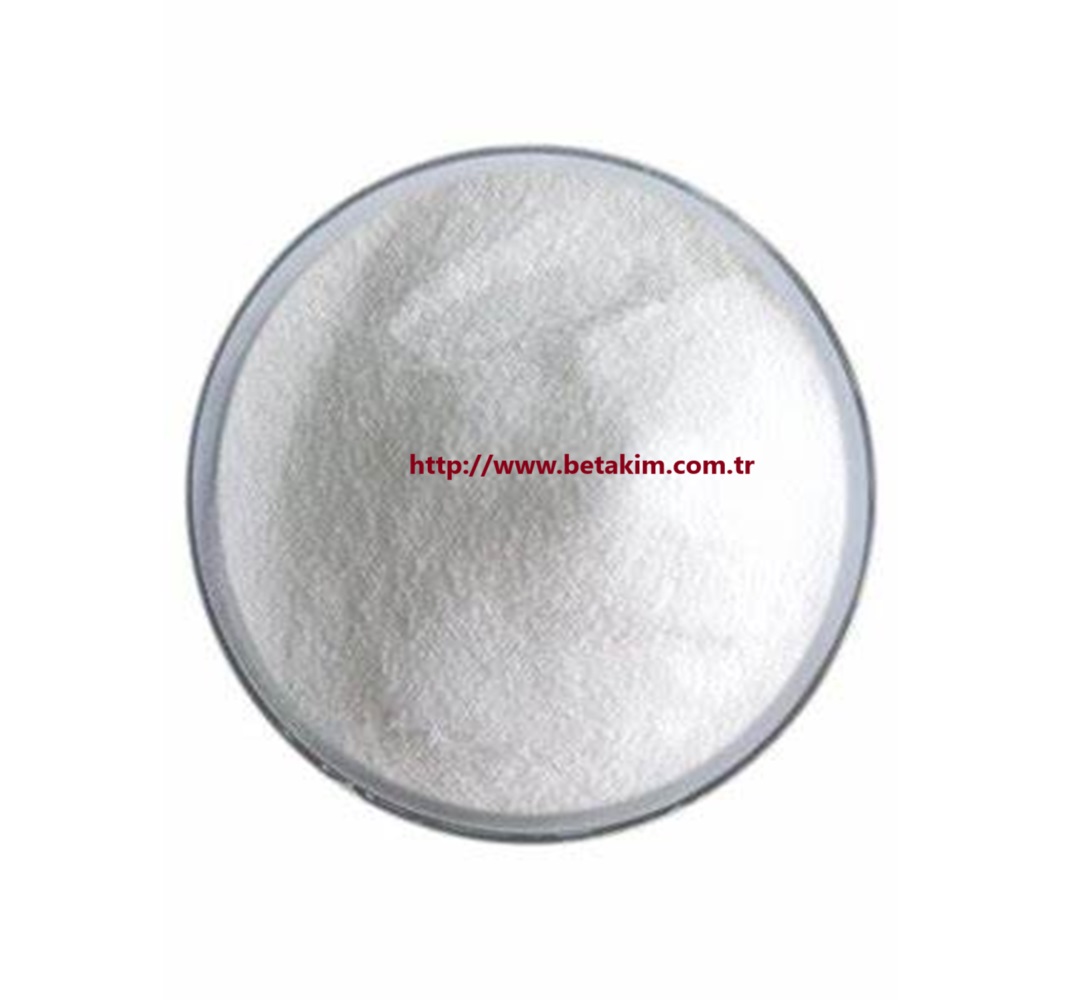
| Appearance | White crystalline powder |
| Taste | Mildly sweet (approximately 45% of sucrose sweetness) |
Trehalose is a non-reducing disaccharide formed by the α,α-1,1-glycosidic linkage of two glucose molecules. It is naturally found in many plants, fungi, yeast, and invertebrates. It is known for its exceptional cell protection and stabilization properties, particularly its ability to protect biological structures against desiccation, freezing, and osmotic stress (anhydrobiosis). Due to these unique properties, it has wide applications in food, cosmetics, pharmaceuticals, and biotechnology.
2. SYNONYMS AND OTHER NAMES
| Type | Name |
|---|---|
| Common Names | Trehalose, Mycose, Tremalose |
| Chemical Names | α-D-Glucopyranosyl-α-D-glucopyranoside, α,α-Trehalose |
| Abbreviations | Tre |
| E Number | E963 |
| CAS Number (Anhydrous) | 99-20-7 |
| CAS Number (Dihydrate) | 6138-23-4 |
| HS Code | 2940.00 |
3. CHEMICAL STRUCTURE
3.1. Molecular Structure
Trehalose is a disaccharide composed of two α-D-glucose units linked by an α,α-1,1-glycosidic bond. This unique linkage involves the anomeric carbons of both glucose molecules, making the molecule non-reducing.
Structural Formula:
        CH₂OH                CH₂OH
         |                     |
         O                     O
        / \                   / \
       /   \                 /   \
      /     \               /     \
     H       H             H       H
     |       |             |       |
     C       C             C       C
    / \     / \           / \     / \
   /   \   /   \         /   \   /   \
  H     OH OH    H       H     OH OH    H
   \   /   \   /         \   /   \   /
    \ /     \ /           \ /     \ /
     C - O - C             C - O - C
     |       |             |       |
     H       OH            H       OH
Simplified Representation (α,α-1,1-Glycosidic Bond):
Glc(α) — O — Glc(α)
3.2. Molecular Formula (Anhydrous)
C₁₂H₂₂O₁₁
3.3. Molecular Weight (Anhydrous)
342.30 g/mol
3.4. Key Structural Features
| Feature | Description |
|---|---|
| Sugar Units | Two α-D-glucose units |
| Glycosidic Linkage | α,α-1,1-glycosidic bond (anomeric carbons of both glucose units) |
| Reducing Property | Non-reducing (no free anomeric carbon) |
| Configuration | α,α |
| Hydrate Forms | Anhydrous and dihydrate forms available |
4. PHYSICAL AND CHEMICAL PROPERTIES
| Property | Value / Description |
|---|---|
| Physical Form | White crystalline powder |
| Melting Point | ~97°C (dihydrate); ~203°C (anhydrous) |
| Boiling Point | Decomposes before boiling |
| Water Solubility (20°C) | ~69 g/100 mL (high solubility) |
| Solubility in Ethanol | Practically insoluble |
| Sweetness Level | Approximately 45% of sucrose |
| pH (10% aqueous solution) | 5.0 – 6.7 |
| Optical Rotation ([α]D²⁰) | +178° (c=1, water) |
| Stability | Highly stable to heat and acidic pH; non-reducing structure prevents Maillard reaction (browning) |
| Hygroscopicity | Low; dihydrate form is not hygroscopic |
| Density | ~1.5 g/cm³ |
5. SOLUBILITY PROFILE
| Solvent | Solubility | Conditions |
|---|---|---|
| Water | ~69 g/100 mL | 20°C |
| Water | Highly soluble | 50°C |
| Ethanol | Practically insoluble | 25°C |
| Methanol | Slightly soluble | 25°C |
| Acetone | Insoluble | 25°C |
| Ether | Insoluble | 25°C |
| Chloroform | Insoluble | 25°C |
6. CHEMICAL PROPERTIES AND REACTIVITY
| Property | Description |
|---|---|
| Chemical Character | Neutral (non-reducing sugar) |
| Glycosidic Bond | α,α-1,1 linkage; resistant to hydrolysis by α-glucosidases (trehalase cleaves it) |
| Hydrolysis | Hydrolyzed by trehalase enzyme to two glucose molecules |
| Acid Hydrolysis | Hydrolyzed by strong acids to glucose |
| Maillard Reaction | Does not undergo Maillard reaction (non-reducing) |
| Stability | Stable in acidic and neutral pH; high thermal stability |
| Incompatible Materials | Strong acids, strong oxidizing agents |
7. REACTION EQUATIONS
7.1. Enzymatic Hydrolysis (Trehalase)
Trehalose + H₂O → 2 Glucose
7.2. Acid Hydrolysis
Trehalose + H₂O (H⁺) → 2 Glucose
7.3. Dehydration (Thermal Decomposition)
Trehalose → Decomposition Products (at high temperature)
8. FUNCTIONAL PROPERTIES
| Property | Description |
|---|---|
| Bioprotection (Anhydrobiosis) | Protects biological membranes, proteins, and cells against desiccation, freezing, and high osmotic stress by replacing water molecules (water replacement hypothesis) and forming a vitreous (glassy) matrix inside cells. |
| Protein and Enzyme Stabilization | Protects proteins from thermal denaturation and aggregation; critical for vaccines, antibodies, and other biopharmaceuticals in liquid or lyophilized formulations. |
| Humectant | Increases skin moisture retention capacity in cosmetic formulations; helps reduce transepidermal water loss (TEWL). |
| Low Sweetness and Low Glycemic Index | Provides lower sweetness and glycemic index compared to sucrose; suitable for reduced-calorie and diabetic-friendly products. |
| Maillard Reaction Resistance | Non-reducing structure prevents browning reactions (Maillard) with amino acids during heat treatment; maintains color and flavor stability. |
| Odor and Taste Masking | Capable of masking undesirable bitter tastes and odors in some food and pharmaceutical formulations. |
9. BIOLOGICAL MECHANISMS OF ACTION
| Effect | Mechanism |
|---|---|
| Water Replacement | During dehydration, trehalose forms hydrogen bonds with polar head groups of membrane phospholipids and with proteins, replacing water molecules and maintaining native structure. |
| Vitrification (Glass Formation) | Trehalose forms a highly viscous, glassy (vitreous) matrix around biological structures, slowing down molecular motion and preventing crystallization and damage during freezing or drying. |
| Autophagy Induction | Trehalose induces autophagy, a cellular process that removes damaged components (misfolded proteins, damaged mitochondria), through activation of the mTOR-independent pathway. |
| Membrane Stabilization | Prevents membrane phase transitions and leakage by maintaining the liquid crystalline state of membranes under stress conditions. |
| Oxidative Stress Reduction | Reduces oxidative stress and protects cells from free radical damage. |
10. SOURCES
| Source | Description |
|---|---|
| Yeast | Saccharomyces cerevisiae and other yeasts produce trehalose as a stress protectant. |
| Fungi | Mushrooms and other fungi contain significant amounts of trehalose. |
| Plants | Selaginella (resurrection plant), wheat, corn, and other plants. |
| Invertebrates | Artemia (brine shrimp), tardigrades, and nematodes produce trehalose for anhydrobiosis. |
| Commercial Production | Enzymatic production from starch or fermentation with microorganisms. |
11. PRODUCTION METHOD
Trehalose is commercially produced by enzymatic synthesis from starch or by fermentation.
11.1. Enzymatic Synthesis from Starch
| Stage | Process | Description |
|---|---|---|
| 1 | Starch Liquefaction | Starch is liquefied with α-amylase to produce maltodextrins. |
| 2 | Saccharification | Maltodextrins are treated with amyloglucosidase to produce glucose. |
| 3 | Enzymatic Conversion | Glucose is converted to trehalose using trehalose synthase (from microorganisms). |
| 4 | Purification | Trehalose is purified by crystallization, filtration, and drying. |
| 5 | Packaging | The purified product is packaged as anhydrous or dihydrate form. |
11.2. Fermentation
| Stage | Process | Description |
|---|---|---|
| 1 | Fermentation | Microorganisms (e.g., Corynebacterium, Brevibacterium) are cultured in fermentation tanks with sugar and nutrient media. |
| 2 | Biosynthesis | Trehalose is biosynthesized by the microorganisms. |
| 3 | Separation | Trehalose is separated from the fermentation broth. |
| 4 | Purification | The product is purified to high purity. |
| 5 | Crystallization | Trehalose is crystallized in anhydrous or dihydrate form. |
| 6 | Drying | The purified product is dried to obtain final trehalose powder. |
12. APPLICATIONS AND INDUSTRIAL USES
12.1. Food Industry (Most Important Application)
| Application | Description | Typical Usage |
|---|---|---|
| Bakery Products | Humectant, texture improver, sweetness enhancer | 0.5 – 10% |
| Confectionery | Prevents crystallization, improves mouthfeel | 1 – 10% |
| Beverages | Sweetener, flavor stabilizer | 0.5 – 5% |
| Frozen Foods | Cryoprotectant; prevents ice crystal formation | 1 – 10% |
| Dried Foods | Prevents moisture loss and maintains texture | 1 – 10% |
| Dairy Products | Texture improver, sweetener | 1 – 5% |
12.2. Pharmaceutical and Biotechnology
| Application | Description | Typical Usage |
|---|---|---|
| Protein Stabilization | Stabilizes proteins, antibodies, and enzymes in liquid and lyophilized formulations | 5 – 20% (lyophilized) |
| Vaccine Stabilization | Protects vaccines from thermal degradation | 5 – 15% |
| Cell/Tissue Preservation | Cryoprotectant and lyoprotectant for cells, tissues, and organs | mM range in cell culture media |
| Drug Delivery Systems | Used in nanoparticle formulations and drug delivery systems | Variable |
| Excipient | Bulking agent, cryoprotectant, and stabilizer | Variable |
12.3. Cosmetics and Personal Care
| Application | Description | Typical Usage |
|---|---|---|
| Skin Care | Humectant, moisturizer, skin barrier support | 1 – 5% |
| Anti-aging Products | Protects skin cells from oxidative stress | 1 – 5% |
| Hair Care | Moisturizes hair, improves texture | 0.5 – 2% |
| Sun Care | Protects skin cells from UV-induced stress | 1 – 3% |
12.4. Medical Research
| Application | Description |
|---|---|
| Neuroprotection Research | Studied for potential neuroprotective effects in Alzheimer's, Parkinson's, and Huntington's disease models. |
| Ophthalmic Solutions | Used in dry eye treatments at 3-5% concentration. |
| Autophagy Induction | Research tool for studying autophagy and cellular clearance mechanisms. |
13. TREHALOSE ANHYDROUS VS. DIHYDRATE
| Property | Trehalose Anhydrous | Trehalose Dihydrate |
|---|---|---|
| CAS Number | 99-20-7 | 6138-23-4 |
| Molecular Formula | C₁₂H₂₂O₁₁ | C₁₂H₂₂O₁₁·2H₂O |
| Molecular Weight | 342.30 g/mol | 378.33 g/mol |
| Water of Hydration | None | 2 molecules |
| Melting Point | ~203°C | ~97°C |
| Hygroscopicity | Slightly hygroscopic | Not hygroscopic |
| Stability | More stable under dry conditions | Stable; does not absorb moisture |
| Solubility | Similar | Similar |
| Applications | Formulations requiring no additional water | General food and cosmetic applications |
14. ALTERNATIVES AND COMPARISON
| Alternative | Comparison |
|---|---|
| Sucrose | Higher sweetness and glycemic index; undergoes Maillard reaction; bioprotective properties are not as strong as trehalose. |
| Maltose | Reducing sugar; undergoes Maillard reaction; not as effective a bioprotectant as trehalose. |
| Mannitol | Lower solubility; has osmotic diuretic effect; different cell protection mechanism. |
| Sorbitol | High hygroscopicity; used as humectant but bioprotective properties are less pronounced than trehalose. |
| Glycerol | Common cryoprotectant; penetrates cells; does not form vitreous matrix like trehalose. |
| Summary | Trehalose's key advantages are its non-reducing structure (no Maillard reaction) and superior bioprotective properties (water replacement and vitrification). |
15. HEALTH BENEFITS AND MECHANISMS
| Benefit | Description |
|---|---|
| Cell Protection | Protects cells from damage caused by dehydration, freezing, and osmotic stress by maintaining membrane integrity and protein conformation. |
| Autophagy Induction | Induces autophagy (cellular self-cleaning) to remove damaged proteins and mitochondria; being researched for neurodegenerative diseases. |
| Antioxidant Properties | Reduces oxidative stress and protects cells from free radical damage. |
| Neuroprotective Effects | In animal models, trehalose promotes clearance of toxic protein aggregates in Alzheimer's, Parkinson's, and Huntington's disease. |
| Bone Health | Some studies suggest beneficial effects on bone metabolism. |
| Gastrointestinal Health | Can be hydrolyzed by trehalase enzyme; promotes healthy digestion. |
16. CHEMICAL COMPATIBILITY TABLE
| Substance / Environment | Compatibility | Description |
|---|---|---|
| Water | COMPATIBLE | Highly soluble; stable in aqueous solution. |
| Acids (HCl, H₂SO₄) | COMPATIBLE | Stable in acidic pH; hydrolyzes under strong acidic conditions. |
| Alkalis (NaOH, KOH) | COMPATIBLE | Stable. |
| Oxidizers | INCOMPATIBLE | May cause degradation. |
| Reducing Agents | COMPATIBLE | Generally compatible. |
| Proteins | COMPATIBLE | Stabilizes proteins; prevents aggregation. |
| Amino Acids | COMPATIBLE | Does not react (Maillard-resistant). |
| Air / Moisture | COMPATIBLE | Dihydrate form is not hygroscopic; anhydrous form may absorb moisture. |
| Light | COMPATIBLE | Stable; protect from UV for long-term storage. |
17. TOXICOLOGICAL PROFILE
| Parameter | Value |
|---|---|
| Acute Oral Toxicity (LD50, Rat) | > 5000 mg/kg (very low toxicity) |
| Acute Dermal Toxicity | Low |
| Acute Inhalation Toxicity | Low risk; may cause mild respiratory irritation. |
| Skin Irritation | Mild irritant in powder form. |
| Eye Irritation | May cause mild eye irritation. |
| Skin Sensitization | Not classified as a sensitizer. |
| Mutagenicity | Negative. |
| Carcinogenicity | Not classified as a carcinogen. |
| Reproductive Toxicity | Not classified as a reproductive toxin. |
| Target Organs | No specific target organs identified. |
| High Dose Effects | High doses (>50 g/day) may cause gastrointestinal discomfort (osmotic diarrhea). |
| Trehalose Intolerance | Extremely rare condition due to trehalase enzyme deficiency. |
18. GHS CLASSIFICATION AND LABELING
GHS Classification (Generally Not Classified as Hazardous):
| Hazard Class | Category | H-Statement |
|---|---|---|
| Not classified as hazardous | - | - |
Signal Word: None (not classified as hazardous)
Hazard Pictograms: None
Hazard Statements (H-Codes): None
Safety Phrases (Historically):
| Code | Statement |
|---|---|
| S24/25 | Avoid contact with skin and eyes. |
| S26 | In case of contact with eyes, rinse immediately with plenty of water and seek medical advice. |
19. PRECAUTIONARY STATEMENTS (P-CODES)
| Code | Statement |
|---|---|
| P264 | Wash hands thoroughly after handling. |
| P280 | Wear protective gloves/protective clothing/eye protection/face protection. |
| P305+P351+P338 | IF IN EYES: Rinse cautiously with water for several minutes. Remove contact lenses if present. |
| P337+P313 | If eye irritation persists: Get medical advice/attention. |
| P501 | Dispose of contents/container in accordance with local regulations. |
20. FIRST AID MEASURES
| Route of Exposure | Action to Be Taken |
|---|---|
| Inhalation | Move to fresh air. If respiratory irritation persists, seek medical attention. |
| Skin Contact | Wash with plenty of soap and water. Remove contaminated clothing. If irritation persists, consult a physician. |
| Eye Contact | Rinse thoroughly with plenty of water for at least 15 minutes. Remove contact lenses. If irritation persists, seek medical attention. |
| Ingestion | Rinse mouth with water. Drink plenty of water. Do not induce vomiting. If large amount is swallowed, seek medical attention. |
| General Note | If symptoms persist, always consult a healthcare facility. |
21. FIRE-FIGHTING MEASURES
| Parameter | Information |
|---|---|
| Fire Hazard | Not flammable; may decompose at high temperatures. |
| Hazards During Fire | Thermal decomposition produces carbon monoxide and carbon dioxide. |
| Suitable Extinguishing Media | Water spray, CO₂, dry chemical powder, alcohol-resistant foam. |
| Special Protective Equipment | Self-contained breathing apparatus (SCBA), full protective clothing. |
| Special Precautions | Prevent fire-fighting water from entering the environment. |
22. ACCIDENTAL RELEASE MEASURES
| Parameter | Information |
|---|---|
| Personal Protection | Dust mask, protective goggles, gloves, coverall. |
| Ventilation | Increase ventilation; use local exhaust in confined spaces. |
| Containment | Cover spilled area to prevent dust dispersion. |
| Cleaning Methods | Collect dry using vacuum or careful sweeping. Avoid washing with water (product is soluble and may spread). |
| Environmental Precautions | Prevent entry into drains, sewers, and water bodies. |
| Waste Disposal | Dispose of in accordance with local regulations. |
23. STORAGE AND SHELF LIFE
| Parameter | Information |
|---|---|
| Storage Conditions | Store in a cool (15-25°C), dry, and well-ventilated area, in tightly closed original packaging. |
| Container Requirements | Tightly closed, PE-lined bags or drums. |
| Materials to Avoid | Strong acids, strong oxidizers, moisture (for anhydrous form). |
| Shelf Life | 24 months (under proper storage conditions). |
| Stability Note | Dihydrate form is not hygroscopic; anhydrous form may absorb moisture. |
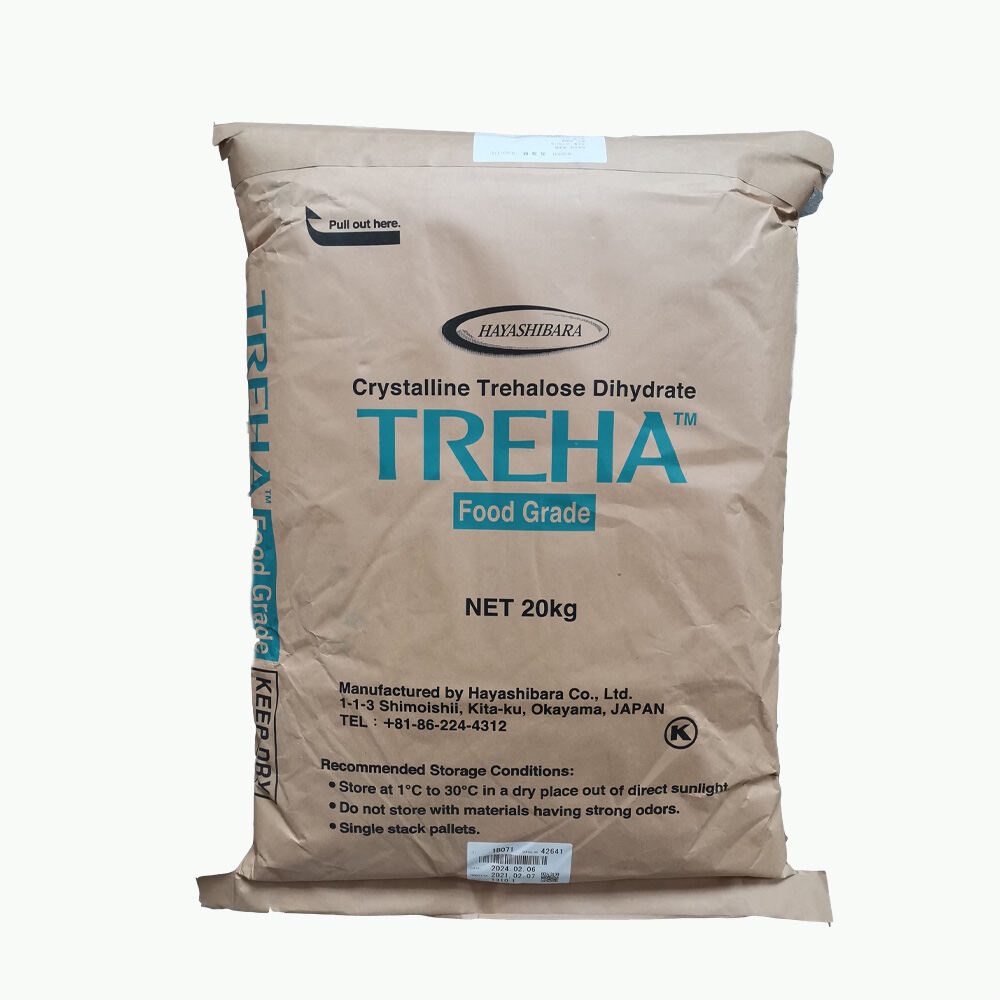
| Packaging Options | 1 kg, 5 kg, 10 kg, 25 kg PE-lined bags, fiber drums. |
24. PACKAGING OPTIONS
| Packaging Type | Quantity | Material |
|---|---|---|
| PE-lined kraft bag | 1 – 5 kg | Paper / Polyethylene |
| PE-lined fiber drum | 10 – 25 kg | Cardboard / Plastic |
| Plastic drum | 25 kg | HDPE |
| Big-Bag | 500 – 1000 kg | Polypropylene |
25. TRANSPORT INFORMATION
| Parameter | Information |
|---|---|
| UN Number | Not applicable (not classified as dangerous goods). |
| Hazard Class | Not classified as hazardous for transport. |
| Packing Group | Not applicable. |
| ADR/RID | Not classified as dangerous goods. |
| IMDG Code | Not classified as dangerous goods. |
| IATA (Air) | Not classified as dangerous goods. |
| Marine Pollutant | No. |
| Transport Temperature | Ambient temperature; protect from moisture. |
26. REGULATORY STATUS
| Region / Authority | Status |
|---|---|
| European Union | Approved as food additive E963. |
| USA (FDA) | GRAS (Generally Recognized as Safe). |
| Turkey | Approved as food additive; regulated by Turkish Food Codex. |
| Japan | Approved as food ingredient. |
| China | Approved as food additive. |
| Australia/New Zealand | Approved as food additive. |
| Kosher/Halal | Can be certified upon request. |
27. SECTORAL SUITABILITY TABLE
| Sector | Suitability | Description |
|---|---|---|
| Food Industry | HIGH | Humectant, texturizer, sweetener, stabilizer in bakery, confectionery, beverages, frozen foods. |
| Pharmaceuticals | HIGH | Protein and vaccine stabilizer, excipient, cryoprotectant. |
| Cosmetics | HIGH | Humectant, moisturizer, anti-aging, skin barrier support. |
| Biotechnology | HIGH | Cell culture, enzyme stabilization, research tools. |
| Medical Research | MEDIUM | Neuroprotection, autophagy induction research. |
28. QUICK REFERENCE TABLE
| Property | Value |
|---|---|
| CAS Number (Anhydrous) | 99-20-7 |
| CAS Number (Dihydrate) | 6138-23-4 |
| Molecular Formula (Anhydrous) | C₁₂H₂₂O₁₁ |
| Molecular Weight (Anhydrous) | 342.30 g/mol |
| Molecular Weight (Dihydrate) | 378.33 g/mol |
| E Number | E963 |
| Appearance | White crystalline powder |
| Taste | Mildly sweet (~45% of sucrose) |
| Melting Point (Dihydrate) | ~97°C |
| Melting Point (Anhydrous) | ~203°C |
| Water Solubility (20°C) | ~69 g/100 mL |
| pH (10% solution) | 5.0 – 6.7 |
| Optical Rotation | +178° |
| Sweetness | ~45% of sucrose |
| Main Uses | Food additive, protein stabilizer, humectant, excipient |
| Shelf Life | 24 months |
| UN Number | Not applicable |
29. CRITICAL NOTICES AND BEST PRACTICES
CRITICAL NOTICES:
-
Non-Reducing Structure: Trehalose does not undergo Maillard reaction (browning) due to its non-reducing nature. This is a key advantage in formulations where color and flavor stability are important during heat treatment.
-
Exceptional Bioprotective Properties: Trehalose is unique among disaccharides for its ability to protect cells, proteins, and membranes from desiccation, freezing, and osmotic stress. This property is utilized in food (freeze-dried products), pharmaceuticals (vaccine stabilization), and cosmetics (cell protection).
-
Form Selection: Anhydrous and dihydrate forms are available. Dihydrate is not hygroscopic and is preferred for general applications; anhydrous is used in moisture-sensitive formulations.
-
Trehalase Enzyme: Trehalose is hydrolyzed by trehalase enzyme in the small intestine. Trehalase deficiency is a rare condition that may cause intolerance to trehalose.
-
Gastrointestinal Effects: High doses (>50 g/day) may cause osmotic diarrhea in sensitive individuals. For most applications, typical consumption levels are well below this threshold.
-
Low Glycemic Index: Trehalose has a lower glycemic index than sucrose and glucose, making it suitable for diabetic-friendly products.
-
Regulatory Status: Approved as a food additive in many countries; always check local regulations before use in food applications.
BEST PRACTICE RECOMMENDATIONS:
-
Storage: Store in a cool (15-25°C), dry, and well-ventilated area. Keep containers tightly closed. Protect from moisture (for anhydrous form).
-
Personnel Protection: Use protective gloves, goggles, and dust mask. Ensure adequate ventilation.
-
Dosage Control: In food applications, recommended usage is typically 0.5-10%. For pharmaceutical formulations, usage varies based on specific application.
-
Formulation: For lyophilized formulations, use 5-20% trehalose as a stabilizer. For cell culture media, use mM concentrations.
-
Quality Assurance: Verify product purity and source (anhydrous vs. dihydrate). Test for heavy metals and microbial contamination.
-
Waste Management: Dispose of waste in accordance with local regulations.
LEGAL DISCLAIMER:
The information provided in this document is based on our current knowledge and experience and is presented in good faith; however, as all conditions of use are beyond our control, it does not constitute a binding specification or warranty. This Technical Data Sheet is for informational purposes only. Users are obligated to test the suitability of the product for their own applications. For complete safety, storage, handling, transport, waste, and regulatory compliance information, the official Safety Data Sheet (SDS/MSDS) provided by the manufacturer/supplier must be consulted.