We unleash your business potential by maximize the business innovation.
Send EmailTitanium Dioxide, Titandioxid, Dioxotitanium, Rutile, Anatase, E171, 13463-67-7, 1317-70-0
TITANIUM DIOXIDE (TiO₂)
Titanium White / Titania / Rutile / Anatase / E171
CAS Numbers: 13463-67-7 (General), 1317-70-0 (Anatase), 1317-80-2 (Rutile)
EC Number: 236-675-5 (Rutile), 238-877-9 (Anatase)
1. IDENTIFICATION
| Property | Information |
|---|---|
| Chemical Name | Titanium Dioxide |
| Synonyms | Titanium white, Titania, Titanium(IV) oxide, Rutile, Anatase, Brookite, Tioxide, Kronos, Tronox, E171 |
| Chemical Formula | TiO₂ |
| Molecular Weight | 79.866 g/mol |
| CAS Number (General) | 13463-67-7 |
| CAS Number (Anatase) | 1317-70-0 |
| CAS Number (Rutile) | 1317-80-2 |
| EC Number (Rutile) | 236-675-5 |
| EC Number (Anatase) | 238-877-9 |
| E Number | E171 (Food additive – whitener) |
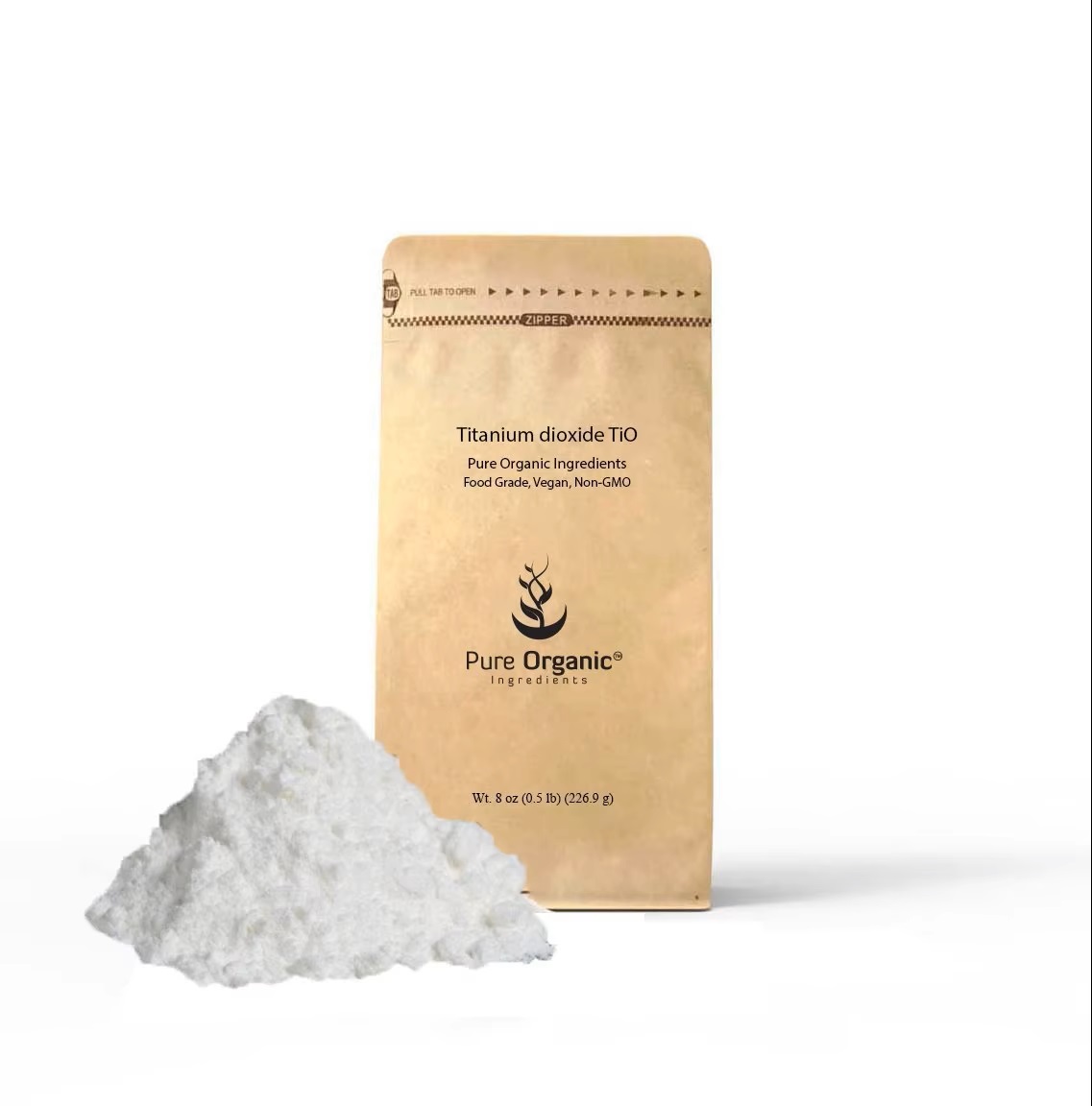
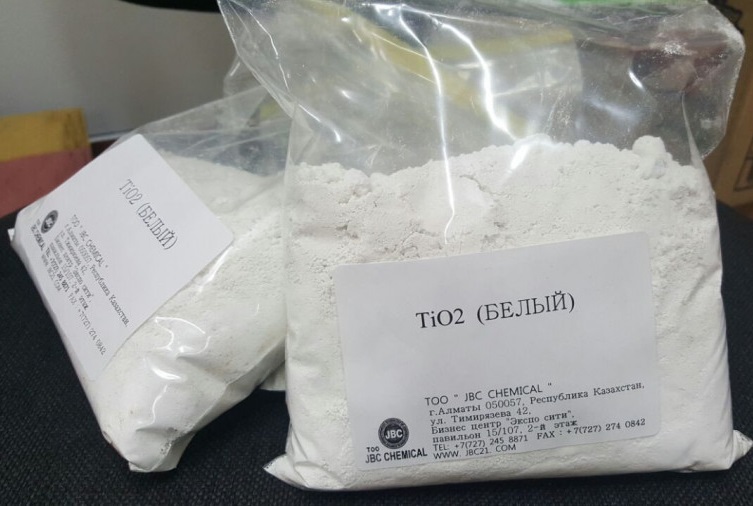
| Appearance | White, fine, odorless powder |
| Odor | Odorless |
2. CRYSTAL FORMS (POLYMORPHS)
| Form | Crystal Structure | Density (g/cm³) | Refractive Index | Stability | Primary Applications |
|---|---|---|---|---|---|
| Rutile | Tetragonal | 4.23 – 4.27 | 2.70 – 2.76 | Most stable, high weather resistance | Paints, plastics, paper, cosmetics (UV protection) |
| Anatase | Tetragonal | 3.82 – 3.90 | 2.49 – 2.55 | Metastable, higher photoactivity | Photocatalysis, environmental applications, specialty ceramics |
| Brookite | Orthorhombic | 4.12 – 4.14 | 2.58 – 2.70 | Rare, metastable | Research only (not commercial) |
Key Differences:
| Property | Rutile | Anatase |
|---|---|---|
| Thermal Stability | Stable at all temperatures | Converts to rutile at >700-800°C |
| UV Absorption | Excellent (broad spectrum) | Moderate |
| Photoactivity | Low (good for outdoor durability) | High (good for self-cleaning) |
| Hardness (Mohs) | 6-6.5 | 5.5-6 |
| Color | Slightly yellowish-white | Pure white |
3. PHYSICAL PROPERTIES
| Property | Rutile | Anatase |
|---|---|---|
| Physical State (20°C) | Solid (powder) | Solid (powder) |
| Appearance | White to slightly yellowish powder | Pure white powder |
| Odor | Odorless | Odorless |
| Density (20°C) | 4.23 – 4.27 g/cm³ | 3.82 – 3.90 g/cm³ |
| Melting Point | 1,832 – 1,857 °C (decomposes) | Converts to rutile (~700-800°C) |
| Boiling Point | ~3,000 °C | ~3,000 °C |
| Refractive Index | nω = 2.609, nε = 2.899 (avg ~2.76) | nω = 2.561, nε = 2.488 (avg ~2.55) |
| Hardness (Mohs) | 6 – 6.5 | 5.5 – 6 |
| Solubility in Water | Insoluble | Insoluble |
| Solubility in Acids | Soluble in concentrated H₂SO₄, HF; insoluble in dilute acids | Soluble in concentrated H₂SO₄ |
| Hygroscopicity | Low (slightly hydrophilic depending on surface area) | Low |
| Dielectric Constant | High (~110-114) | Moderate (~31-48) |
4. CHEMICAL PROPERTIES
| Property | Information |
|---|---|
| Chemical Formula | TiO₂ |
| Molecular Weight | 79.866 g/mol |
| Titanium Content | 59.9% Ti |
| Oxygen Content | 40.1% O |
| Chemical Class | Metal oxide |
| pH (10% slurry) | 7 – 8 (neutral to slightly alkaline) |
| Stability | Very stable, chemically inert |
| Reactivity | Does not react with O₂, H₂S, SO₂, CO₂, NH₃; reacts with concentrated H₂SO₄ and HF |
| Oxidation State | Ti(IV) |
| Amphoteric Nature | Partially acidic oxide (reacts with bases at high temperatures) |
Reaction with Concentrated Sulfuric Acid:
TiO₂ + 2 H₂SO₄ → Ti(SO₄)₂ + 2 H₂O
Reaction with Hydrofluoric Acid:
TiO₂ + 6 HF → H₂TiF₆ + 2 H₂O
5. PRODUCTION PROCESSES
5.1. Sulfate Process
| Stage | Description |
|---|---|
| 1. Ore Preparation | Ilmenite (FeTiO₃) or titanium slag is ground |
| 2. Digestion | Ore is digested with concentrated sulfuric acid (H₂SO₄) |
| 3. Reaction | FeTiO₃ + 2 H₂SO₄ → TiOSO₄ + FeSO₄ + 2 H₂O |
| 4. Purification | Iron sulfate is removed by crystallization |
| 5. Hydrolysis | TiOSO₄ is hydrolyzed to hydrated TiO₂ |
| 6. Calcination | Hydrated TiO₂ is calcined at 800-1000°C to produce TiO₂ |
| 7. Milling & Coating | Product is milled and surface treated (with Al₂O₃, SiO₂, ZrO₂, organic coatings) |
Advantages: Lower cost, can use lower-grade ores
Disadvantages: Higher environmental impact (waste acid, FeSO₄ by-product)
5.2. Chloride Process
| Stage | Description |
|---|---|
| 1. Ore Preparation | High-grade rutile or synthetic rutile is used |
| 2. Chlorination | Ore is reacted with chlorine gas (Cl₂) and carbon at 800-1000°C |
| 3. Reaction | TiO₂ + 2 Cl₂ + C → TiCl₄ + CO₂ |
| 4. Purification | TiCl₄ is purified by distillation |
| 5. Oxidation | TiCl₄ is oxidized at high temperature (900-1400°C) with oxygen |
| 6. Reaction | TiCl₄ + O₂ → TiO₂ + 2 Cl₂ (Chlorine is recycled) |
| 7. Milling & Coating | Product is milled and surface treated |
Advantages: Higher purity, lower environmental impact, chlorine recycling
Disadvantages: Requires high-grade ores, higher capital cost
6. APPLICATIONS
6.1. Paints & Coatings (Largest Use – ~60%)
| Application | Function | Preferred Form |
|---|---|---|
| Architectural Paints | Opacifier, whitener, UV resistance | Rutile (surface treated) |
| Industrial Coatings | Corrosion protection, opacity | Rutile |
| Automotive Coatings | Brilliant white, durability | Rutile |
| Powder Coatings | Opacity, flow properties | Rutile |
| Matte Paints (Delustering) | Reduces gloss, creates matte finish | Larger particle size rutile |
Mechanism: TiO₂ particles scatter light due to high refractive index, providing opacity (hiding power) and whiteness.
6.2. Plastics Industry
| Application | Function | Preferred Form |
|---|---|---|
| PVC, Polyolefins | Whitening, opacity, UV stabilization | Rutile (surface treated) |
| Engineering Plastics | Color stability, heat resistance | Rutile |
| Masterbatches | Pigment concentrate | Rutile |
| Matte Plastics | Gloss reduction, natural appearance | Larger particle size rutile |
6.3. Paper Industry
| Application | Function | Preferred Form |
|---|---|---|
| Paper Coating | Opacity, brightness, printability | Rutile, Anatase |
| Paper Filler | Opacity, reduced show-through | Anatase |
6.4. Cosmetics & Personal Care
| Application | Function | Preferred Form |
|---|---|---|
| Sunscreens | UV filter (UVA and UVB protection) | Rutile (nano grade, 10-100 nm) |
| Foundation, Makeup | Pigment, opacity | Rutile (surface treated) |
| Toothpaste | Whitening agent | Rutile |
| Lipsticks, Creams | Color pigment, opacity | Rutile |
| Powders | Opacity, coverage | Rutile |
Nano-TiO₂ in Sunscreens: Particle size 10-100 nm provides transparent UV protection without whitening appearance.
6.5. Food Industry (E171)
| Application | Function |
|---|---|
| Confectionery | Whitening agent (chewing gum, candies) |
| Sauces & Dressings | Whitening, opacity |
| Dairy Products | Whitening (yogurt, cheese, ice cream) |
| Bakery | Whitening (icings, fillings) |
| Dietary Supplements | Whitening in capsules, tablets |
Note: E171 is approved as a food additive in many countries (EU, USA, Turkey, etc.), but restrictions are increasing in some regions (e.g., France banned E171 in food from 2020).
6.6. Pharmaceutical Industry
| Application | Function |
|---|---|
| Tablet Coatings | Opacifier, whitening agent |
| Capsules (Gelatin/Vegetarian) | Pigment, whitening |
| Syrups | Opacifier, whitening |
| Topical Preparations | UV protection, pigment |
6.7. Photocatalysis & Environmental Applications (Anatase)
| Application | Function |
|---|---|
| Self-cleaning Surfaces | Decomposes organic dirt under UV light |
| Air Purification | Degrades VOC, NOₓ, bacteria |
| Water Treatment | Degrades organic pollutants |
| Anti-fog Coatings | Hydrophilic property prevents fogging |
Mechanism: Under UV light, anatase TiO₂ generates reactive oxygen species (ROS) that decompose organic compounds.
6.8. Ceramics & Glass
| Application | Function |
|---|---|
| Ceramic Glazes | Opacifier, whitener |
| Porcelain Enamels | Opacifier, whitener, acid resistance |
| Specialty Glass | High refractive index glass |
6.9. Textile Industry
| Application | Function |
|---|---|
| Delustering (Matting Agent) | Reduces synthetic fiber gloss (nylon, polyester) |
| UV Protection Fabric | Coating for UV-blocking textiles |
6.10. Other Applications
| Application | Function |
|---|---|
| Inks (Printing) | White pigment in printing inks |
| Rubber | Filler, whitening |
| Welding Rod Coatings | Arc stabilizer |
| Cosmetic Transfer Paper | Pigment for inkjet printable transfer paper |
| Aerospace & Defense | Lightweight high-strength alloys (with Ti metal) |
| Shipbuilding | Anti-corrosion coatings |
| Power Plants | High-temperature corrosion protection |
7. DELUSTERING (MATTING AGENT) – DETAILED
| Parameter | Information |
|---|---|
| Definition | Reduction of gloss (shine) on surfaces to create a matte/natural appearance |
| Mechanism | Larger TiO₂ particles scatter light randomly, reducing specular reflection |
| Particle Size | Larger than pigmentary grade (typically >0.5-1 µm vs. 0.2-0.3 µm for pigment) |
| Preferred Form | Rutile (more stable, better weather resistance) |
| Applications | Matte paints, matte plastics, delustered synthetic fibers (nylon, polyester), matte paper |
Effect: Higher particle size = lower gloss (more matte)
8. QUALITY SPECIFICATIONS (TYPICAL – Pigment Grade)
| Parameter | Rutile Grade | Anatase Grade |
|---|---|---|
| TiO₂ Content | ≥ 93 – 98% | ≥ 98% |
| Particle Size (D50) | 0.2 – 0.3 µm | 0.2 – 0.3 µm |
| Surface Treatment | Al₂O₃, SiO₂, ZrO₂, organic | None or minimal |
| Oil Absorption (g/100g) | 15 – 25 | 20 – 30 |
| pH (10% slurry) | 7 – 8 | 7 – 8 |
| Resistivity (Ω·cm) | > 5,000 | > 3,000 |
| Volatiles at 105°C | ≤ 0.5% | ≤ 0.5% |
| Sieve Residue (325 mesh) | ≤ 0.05% | ≤ 0.05% |
| Whiteness (CIE L*) | ≥ 97 | ≥ 96 |
| Tinting Strength | High | Moderate |
9. NANO-GRADE vs PIGMENT-GRADE TiO₂
| Parameter | Pigment Grade | Nano Grade |
|---|---|---|
| Particle Size | 200 – 300 nm | 10 – 100 nm |
| Appearance | Opaque white | Transparent (in thin films) |
| UV Absorption | Good (scattering dominant) | Excellent (absorption dominant) |
| Visible Light Scattering | High (white appearance) | Low (transparent) |
| Primary Use | Opacifier (paints, plastics, paper) | UV protection (sunscreens, coatings) |
| Photoactivity | Low (rutile) / High (anatase) | Very high (requires surface coating) |
10. STORAGE & HANDLING
| Parameter | Information |
|---|---|
| Storage Conditions | Cool, dry, well-ventilated area |
| Container Requirements | Tightly closed, moisture-proof containers (bags, drums, big bags) |
| Protect From | Moisture, strong acids, strong bases (at high temperatures) |
| Shelf Life | 24-60 months (stable – indefinite if kept dry) |
| Hygroscopicity | Low (slightly higher for high surface area grades) |
| Dust Hazard | Avoid inhalation of fine dust |
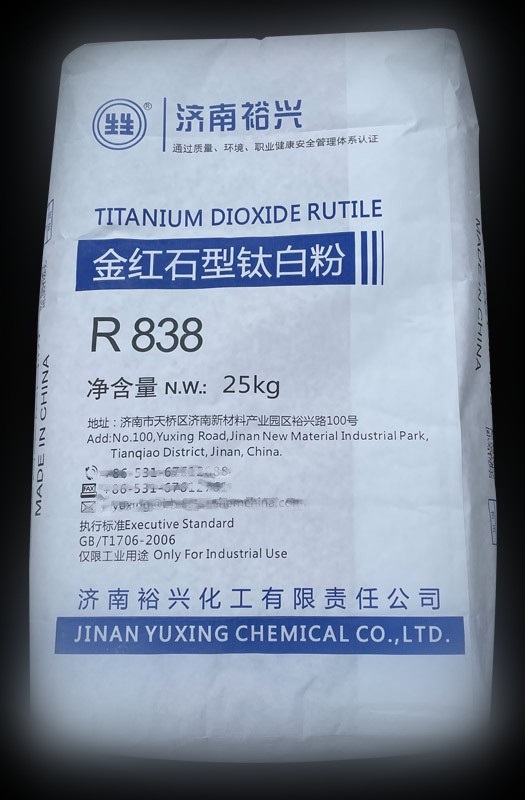
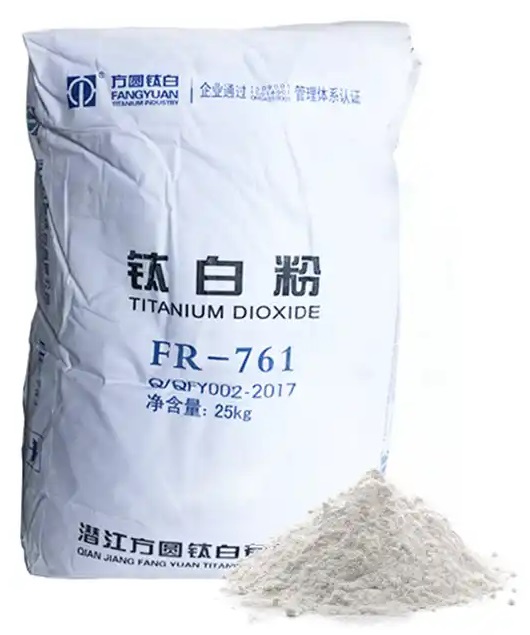
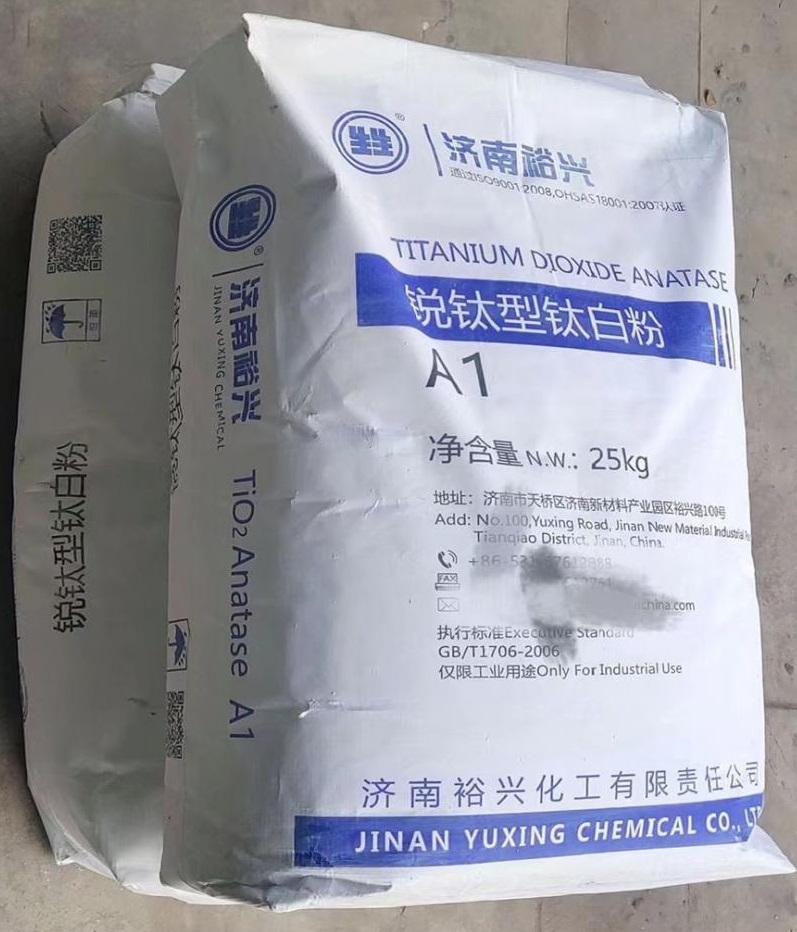
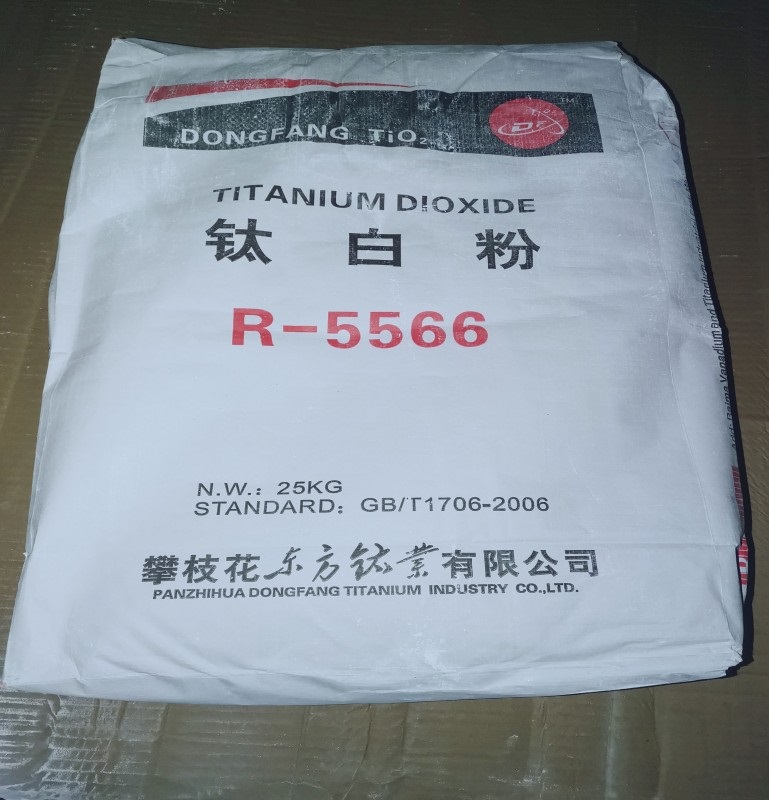
| Packaging Options | 25 kg bags (multi-layer paper/plastic), 500 kg/1000 kg FIBC (big bags) |
11. SAFETY & HEALTH INFORMATION
GHS Classification
| Hazard Class | Category |
|---|---|
| Carcinogenicity (Inhalation) | Category 2 (H351) – via inhalation route only (IARC Group 2B) |
Important Regulatory Note: IARC (International Agency for Research on Cancer) classifies TiO₂ as Group 2B (possibly carcinogenic to humans) only via inhalation in high concentrations (dust). For non-inhalation exposure (skin contact, ingestion), it is considered safe.
Hazard Statements (H-Codes)
| Code | Statement |
|---|---|
| H351 | Suspected of causing cancer (if inhaled as dust) |
Precautionary Statements (P-Codes)
| Code | Statement |
|---|---|
| P261 | Avoid breathing dust |
| P271 | Use only outdoors or in a well-ventilated area |
| P280 | Wear protective gloves and eye protection |
| P302+P352 | IF ON SKIN: Wash with plenty of water |
| P305+P351+P338 | IF IN EYES: Rinse cautiously with water for several minutes |
Toxicological Information
| Parameter | Value |
|---|---|
| Oral LD50 (rat) | > 10,000 mg/kg (very low toxicity) |
| Dermal LD50 (rabbit) | > 10,000 mg/kg |
| Inhalation (acute) | Low toxicity (dust may cause mechanical irritation) |
| Carcinogenicity | IARC Group 2B (possible human carcinogen via inhalation) – applies to chronic high-level dust exposure in occupational settings |
| Skin Irritation | Not an irritant |
| Eye Irritation | Mild mechanical irritant |
First Aid Measures
| Exposure Route | Action |
|---|---|
| Inhalation | Remove to fresh air. Seek medical attention if respiratory irritation occurs. |
| Skin Contact | Wash with soap and water. |
| Eye Contact | Rinse with plenty of water for 15 minutes. |
| Ingestion | Rinse mouth. Drink water. Unlikely to cause harm. |
Personal Protective Equipment (PPE)
| Equipment | Recommendation |
|---|---|
| Respiratory Protection | Dust mask (N95) when handling powder in poorly ventilated areas |
| Hand Protection | Gloves (minimal risk) |
| Eye Protection | Safety glasses with side shields |
| Body Protection | Lab coat or protective clothing (dust control) |
12. ENVIRONMENTAL INFORMATION
| Parameter | Information |
|---|---|
| Aquatic Toxicity | Low to moderate |
| Bioaccumulation | Not expected |
| Persistence | Persistent (inorganic mineral) |
| Waste Disposal | Dispose according to local regulations (non-hazardous for most jurisdictions) |
13. TRANSPORT INFORMATION
| Parameter | Information |
|---|---|
| UN Number | Not regulated (non-hazardous for transport) |
| Hazard Class | None |
| Packing Group | Not applicable |
14. REGULATORY INFORMATION
| Region | Status |
|---|---|
| EU | REACH registered; E171 approved as food additive (under review – France banned E171 in food from 2020) |
| Turkey | Compliant with Turkish Food Codex; E171 permitted |
| USA (FDA) | GRAS; approved as food additive (21 CFR 73.575) |
| USA (EPA) | Not classified as hazardous under CERCLA/RMP |
| IARC | Group 2B (possibly carcinogenic to humans – by inhalation only) |
| GHS | Classified as H351 (suspected of causing cancer – by inhalation) |
EU Restrictions (TiO₂ as powder):
-
Labeling requirement: "H351 – Suspected of causing cancer if inhaled" for powders containing ≥1% TiO₂ particles with diameter ≤10 µm
-
Does not apply to liquid or solid formulations (e.g., paints, plastics)
15. SYNONYMS & OTHER NAMES
| Turkish Name | English Name |
|---|---|
| Titanyum Dioksit | Titanium Dioxide |
| Titanyum Beyaz | Titanium White |
| Rutil | Rutile |
| Anataz | Anatase |
| Tiona | Trade name (various) |
| Tioxide | Trade name |
| Kronos | Trade name |
| Tronox | Trade name |
| E171 | E171 |
| Titania | Titania |
| Titanik Anhidrit | Titanic Anhydride |
Database Identifiers:
-
CAS (General): 13463-67-7
-
CAS (Anatase): 1317-70-0
-
CAS (Rutile): 1317-80-2
-
EC (Rutile): 236-675-5
-
EC (Anatase): 238-877-9
-
E Number: E171
-
MDL: MFCD00011269
-
PubChem CID: 26042
-
RTECS: XR2275000
16. SUMMARY
Titanium Dioxide (TiO₂, CAS 13463-67-7, E171) is the most widely used white pigment in the world. It provides excellent opacity (hiding power), whiteness, and UV protection due to its high refractive index. It exists in three crystal forms: rutile (most stable, used in paints/plastics/cosmetics), anatase (more photoactive, used in photocatalysis/environmental applications), and brookite (rare, research only).
Key Features:
| Feature | Rutile | Anatase |
|---|---|---|
| Density | 4.23-4.27 g/cm³ | 3.82-3.90 g/cm³ |
| Refractive Index | ~2.76 | ~2.55 |
| Stability | Very stable | Converts to rutile at >700°C |
| Photoactivity | Low | High |
| Primary Use | Paints, plastics, cosmetics, food | Photocatalysis, self-cleaning |
Main Application Areas:
| Sector | Applications |
|---|---|
| Paints & Coatings | Opacifier, whitener, UV protection (rutile) |
| Plastics | Whitening, opacity, UV stabilization (rutile) |
| Paper | Opacity, brightness (rutile/anatase) |
| Cosmetics | Sunscreens (nano rutile), makeup whitening (rutile) |
| Food (E171) | Whitening agent (confectionery, sauces, dairy) |
| Pharmaceuticals | Tablet/capsule whitening |
| Photocatalysis | Self-cleaning surfaces, air/water purification (anatase) |
| Ceramics | Opacifier in glazes (anatase/rutile) |
Key Safety Points:
-
LOW TOXICITY – Generally recognized as safe
-
INHALATION HAZARD – Chronic high-level dust exposure may cause lung effects (IARC Group 2B)
-
NON-HAZARDOUS – For skin contact, ingestion, and environmental release (at normal levels)
-
STABLE – Chemically inert, non-flammable
17. IMPORTANT NOTES
-
Rutile vs Anatase for Specific Applications: Choose rutile for exterior durability (UV resistance, low photoactivity). Choose anatase for photocatalysis (self-cleaning, air purification). Rutile is the preferred form for most pigment applications (paints, plastics, cosmetics, food).
-
Food Grade (E171): TiO₂ is approved as a food additive (E171) in many countries. However, France banned E171 in food products from 2020 due to safety concerns. The EU is reviewing the status. Check local regulations before using in food products.
-
Nano TiO₂ in Sunscreens: Nano-grade TiO₂ (10-100 nm) provides effective UV protection without the whitening appearance. Surface coatings (Al₂O₃, SiO₂) are applied to reduce photoactivity and prevent free radical formation.
-
Delustering (Matting Agent): For matte finishes, use larger particle size TiO₂ (>0.5-1 µm) rather than standard pigment grade (0.2-0.3 µm). Rutile grade is preferred for better weather resistance.
-
Surface Treatment: Many commercial TiO₂ pigments are surface treated (coated) with inorganic oxides (Al₂O₃, SiO₂, ZrO₂) and organic compounds. These treatments improve dispersibility, weather resistance, and reduce photoactivity. Always check the specific grade for your application.
-
Tinting Strength: TiO₂ has very high tinting strength (color strength). Small amounts are sufficient to achieve significant whitening. Overuse can cause over-pigmentation and reduce mechanical properties in plastics.
-
Dust Control: Although TiO₂ is low toxicity, chronic inhalation of fine dust may cause lung effects. Use dust masks and good ventilation when handling powder. Liquid and solid formulations (paints, plastics) do not present inhalation hazards.
-
Regulatory Changes: TiO₂ regulations are evolving. The EU classification (H351 – suspected of causing cancer by inhalation) applies to powders containing ≥1% TiO₂ particles with diameter ≤10 µm. Formulators should monitor regulatory changes.
-
UV Protection: Rutile TiO₂ provides excellent protection against both UVA (315-400 nm) and UVB (280-315 nm) radiation. This makes it ideal for exterior coatings, plastics, and sunscreens.
-
Photocatalytic Self-Cleaning: Anatase TiO₂ coatings on glass, tiles, and concrete decompose organic dirt and pollutants under UV light, making surfaces self-cleaning and air-purifying.
Important Disclaimer: This Technical Data Sheet (TDS) is for informational purposes only. For complete safety, handling, storage, and regulatory compliance information, always refer to the official Safety Data Sheet (SDS) provided by the manufacturer/supplier.