We unleash your business potential by maximize the business innovation.
Send EmailSodium Lauryl Ether Sulfate, Sodium Laureth Sulfate, Sodium Dodecyl Polyoxyethylene Sulfate, Sodium Lauryl Dioxyethylene Sulfate, SLES-28, SLES70, 68585-34-2, 9004-82-4
SLES (SODIUM LAURETH SULFATE)
1. PRODUCT DEFINITION AND CHEMICAL IDENTITY
| Parameter | Description |
|---|---|
| Chemical Name | Sodium Lauryl Ether Sulfate (Sodium Laureth Sulfate) |
| Common Abbreviation | SLES |
| CAS Number | 68585-34-2 (general); 9004-82-4 (Sodium Laureth Sulfate) |
| Molecular Formula | CH₃(CH₂)₁₀CH₂(OCH₂CH₂)ₙOSO₃Na (n = 1–10; typically 2-3) |
| Molecular Weight | Variable; ~382 g/mol for n=2; ~496.7 g/mol for a higher EO adduct |
| Chemical Class | Anionic Surfactant (Alkyl Ether Sulfate) |
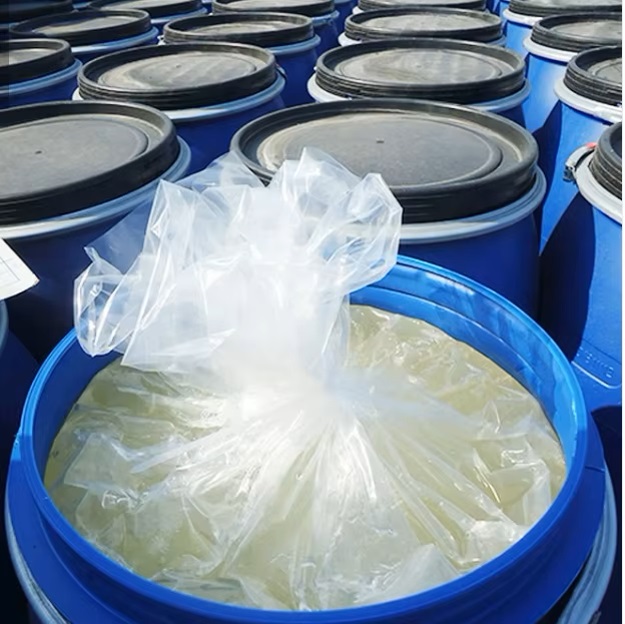
| Appearance | Clear, pale yellow viscous liquid or paste |
| Odour | Faint, characteristic |
Note: SLES is a high-volume anionic surfactant produced by the ethoxylation of lauryl alcohol, followed by sulfation and neutralization with sodium hydroxide. It is a milder alternative to SLS (Sodium Lauryl Sulfate) due to the insertion of ethylene oxide (EO) units, which reduce its irritation potential. It is the primary foaming and cleansing agent in a vast array of personal care, cosmetic, and household cleaning products. It is commercially available primarily as a 70% active paste or a 27-30% active liquid.
2. PHYSICAL AND CHEMICAL PROPERTIES (Typical for 70% Active Paste)
| Property | Value / Description |
|---|---|
| Physical form | Clear, pale yellow, viscous liquid or paste |
| Density (20 °C) | ~1.03 g/cm³ (for 70% paste) |
| Boiling point | ~100 °C (aqueous solution) |
| Melting point | ~ -2 °C (freezes/crystallizes in cold weather; reversible) |
| Flash point | 94 °C (for the concentrate) |
| Viscosity (25 °C) | Highly viscous aste (>10,000 mPa·s at 70%); lower for 27-30% liquid forms |
| Solubility in water | Freely soluble |
| Solubility in organic solvents | Soluble in ethyl alcohol and methyl alcohol |
| pH (1% aqueous solution) | 6.5 – 8.5 (neutral to mildly alkaline) |
| Ionic Character | Anionic |
| Stability | Stable under normal conditions; hydrolyzes in strong acids and at high temperatures |
3. FUNCTIONAL PROPERTIES AND MODE OF ACTION
-
High Foaming Power and Foam Stabilization: SLES is an exceptional primary foaming agent. It rapidly generates a rich, dense, and stable foam, even in the presence of soils and hard water. It reduces the work required to create foam and stabilizes the air bubbles within it. This is its most sought-after property in shampoos, body washes, and bubble baths.
-
Excellent Cleaning and Degreasing: As an anionic surfactant, it effectively lowers the surface tension of water, allowing it to penetrate and lift oily soils from the skin, hair, and fabric surfaces. Its hydrophobic tail dissolves in grease, while its hydrophilic head pulls it into the water.
-
Mildness and Skin Compatibility: The key advantage of SLES over SLS is its reduced irritation potential. The ethoxylation (insertion of EO units) between the fatty alcohol and the sulfate group creates a larger, milder molecule that is less defatting and denaturing to skin proteins.
-
Viscosity Building: In the presence of salt (sodium chloride) and co-surfactants (like Cocamidopropyl Betaine or Cocamide DEA), SLES solutions can be thickened dramatically to achieve the desired gel-like or creamy consistency for personal care products.
-
Emulsifier and Wetting Agent: It aids in the formation and stabilization of oil-in-water emulsions and acts as an effective wetting agent in textile and industrial cleaning processes.
4. ALTERNATIVE NAMES AND SYNONYMS
-
SLES (Sodium Lauryl Ether Sulfate)
-
Sodium Laureth Sulfate
-
Sodium Lauryl Polyoxyethylene Sulfate
-
Sodium Dodecyl Polyoxyethylene Sulfate
-
Sodium Lauryl Dioxyethylene Sulfate
-
Sodium Laureth-2 Sulfate (for n=2 EO)
-
Sodium Laureth-3 Sulfate (for n=3 EO)
-
Sodium POE(2) Lauryl Ether Sulfate
5. COMPARISON WITH SLS (SODIUM LAURYL SULFATE)
| Property | SLES (Sodium Laureth Sulfate) | SLS (Sodium Lauryl Sulfate) |
|---|---|---|
| Structure | C12 chain + (EO)ₙ + sulfate group | C12 chain + sulfate group (no EO) |
| Irritation Potential | Low to Medium; significantly milder | High; more irritating and drying to the skin |
| Foam Quality | Rich, dense, stable foam | Rich, abundant, but slightly less dense foam |
| Hard Water Tolerance | Excellent; resistant to precipitation by Ca/Mg ions | Moderate; more sensitive to water hardness |
| Viscosity Response | Thickens very easily with NaCl | Thickens with NaCl but requires different co-surfactants |
| Primary Application | Personal care (shampoos, body washes), mild detergents | Toothpaste, industrial cleaners, heavy-duty degreasers |
6. SECTORAL APPLICATIONS AND USAGE RATES (as 70% Active SLES)
| Sector | Application | Typical Usage Rate (% of formulation) |
|---|---|---|
| Personal Care & Cosmetics | Shampoos, shower gels, bubble baths, liquid hand soaps, facial cleansers, shaving creams, intimate washes | 5 – 25% (as 70% active) |
| Oral Care | Toothpaste (usually the non-ethoxylated SLS is preferred, but SLES is also used) | 1 – 3% (as 70% active) |
| Household Cleaning | Dishwashing liquids, laundry detergents, hard surface cleaners, carpet shampoos | 2 – 15% (as 70% active) |
| Industrial & Institutional | Industrial degreasers, vehicle cleaning, mechanical tunnel boring (lubricant/foaming agent) | 1 – 10% (as 70% active) |
| Textile & Leather | Wetting agent, dyeing auxiliary, degreasing agent | 1 – 5% (as 70% active) |
| Agriculture | Emulsifier in environmentally-friendly pesticide formulations | 1 – 5% (as 70% active) |
7. ADVANTAGES AND DISADVANTAGES
| ✅ Advantages | ❌ Disadvantages |
|---|---|
| Excellent, cost-effective primary foaming agent | Can still cause mild irritation in very high concentrations for sensitive individuals |
| Significantly milder and gentler on the skin compared to SLS | The 70% paste form is difficult to handle; must be kept warm or pre-diluted |
| Easy to thicken into a luxurious gel with simple salt addition | The ethoxylation process may generate trace amounts of 1,4-dioxane, requiring vacuum stripping by the manufacturer |
| Excellent hard water tolerance | Sulfate-based surfactants can be drying for some hair types |
| Biodegradable and can be derived from renewable coconut oil |
8. SAFETY, STORAGE, AND HANDLING
-
GHS Classification: Not classified as a hazardous substance or mixture. The concentrated paste can cause mild skin and eye irritation upon prolonged contact.
-
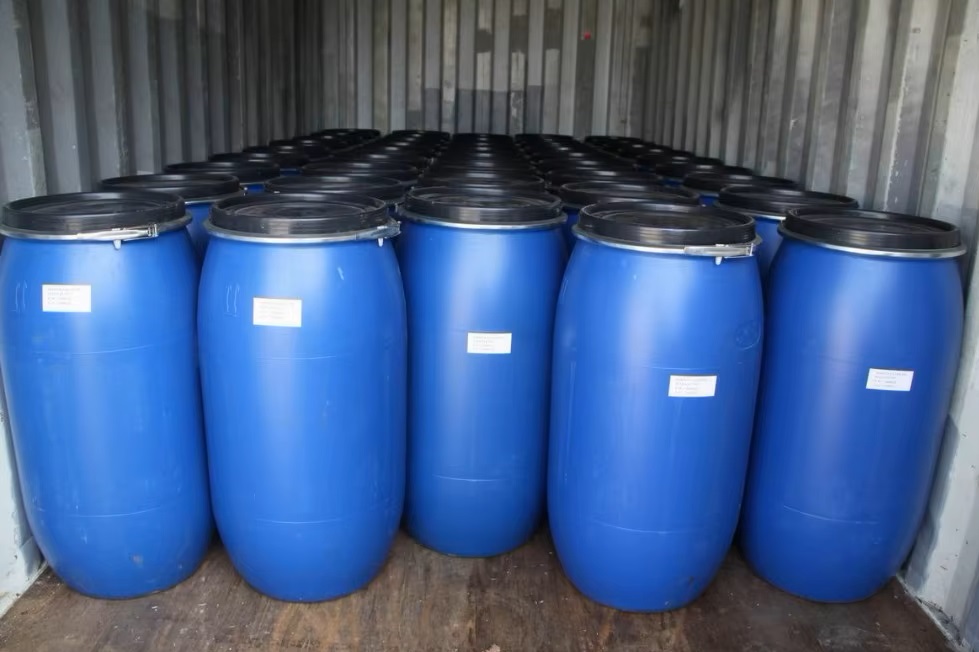
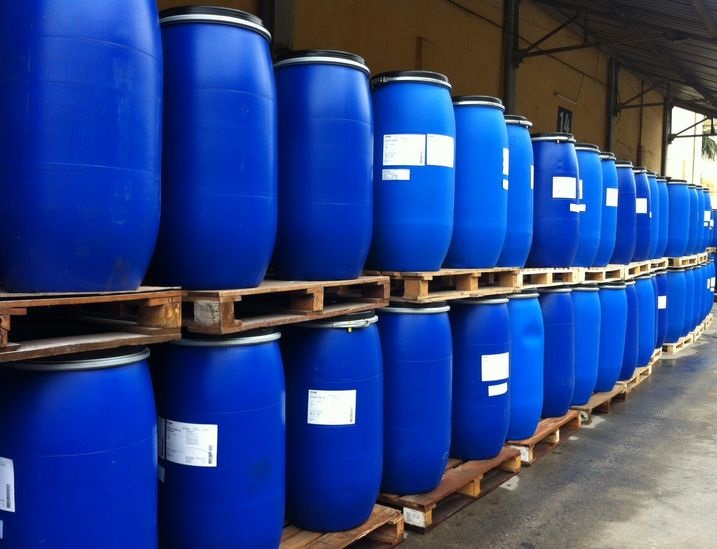
Handling (70% Active Paste): The product is highly viscous and may be solid/semi-solid at low temperatures (<15 °C). It should be stored and handled at 20-30 °C. For ease of use, it is often pre-heated or pre-diluted to a 27-30% liquid concentrate before being added to formulations.
-
Storage:
-
Store in a cool (15-30 °C), dry, and well-ventilated area in tightly sealed, original packaging.
-
The product may freeze or become very thick in winter; this is reversible. Warm it gently to 20-30 °C and stir before use.
-
Protect from moisture ingress and extreme temperatures.
-
-
Personal Protection: For handling the concentrated paste, use nitrile gloves and safety goggles.
9. FREQUENTLY ASKED QUESTIONS
Q1: What is the difference between SLES and SLS?
The main difference is the presence of ethoxylation (EO units) in SLES. This makes SLES significantly milder and less irritating to the skin and eyes, while providing better foam stability and hard water tolerance. SLS is a simpler, harsher molecule used where high degreasing power is the priority (e.g., in toothpaste).
Q2: Why does SLES thicken with salt?
In an aqueous solution, SLES molecules arrange themselves into spherical structures called micelles. Adding salt (NaCl) screens the electrostatic repulsion between the negatively charged sulfate groups of the SLES molecules. This allows the micelles to change shape into long, rod-like structures, which entangle and cause a dramatic increase in the solution's viscosity.
Q3: My SLES paste has become solid in winter. Is it ruined?
No, this is normal. SLES freezes/thickens significantly below 15 °C. Simply bring the product to a warm environment (25-30 °C) and let it stand. It will return to its normal, pourable viscous state, and its chemical properties will be completely unaffected.
Q4: Can SLES be used in a sulfate-free formulation?
No. SLES is an anionic surfactant and, chemically, a sulfate. It cannot be used in products marketed as "sulfate-free." Formulators seeking sulfate-free alternatives will use surfactants like Sodium Cocoyl Isethionate, Sodium Lauryl Sulfoacetate, or various glucosides.
Q5: Is SLES safe?
Yes, decades of toxicological data and reviews by the Cosmetic Ingredient Review (CIR) panel have confirmed the safety of SLES in cosmetic and personal care products at typical use concentrations. The primary concern is the potential presence of 1,4-dioxane as a by-product, which reputable manufacturers remove through vacuum stripping to ensure levels are below safe limits.
10. QUICK REFERENCE TABLE
| Property | Value / Description |
|---|---|
| Common Name | SLES (Sodium Laureth Sulfate) |
| CAS | 68585-34-2 |
| Class | Anionic Surfactant |
| Appearance (70%) | Pale yellow, highly viscous paste |
| Solubility | Freely soluble in water |
| pH (1% sol.) | 6.5 – 8.5 |
| Main Function | Primary foaming, cleansing, and thickening agent |
| Key Differentiator | Milder and better foam than SLS; easy viscosity build with salt |