We unleash your business potential by maximize the business innovation.
Send EmailPea Protein, Pea Protein Isolate, 222400-29-5
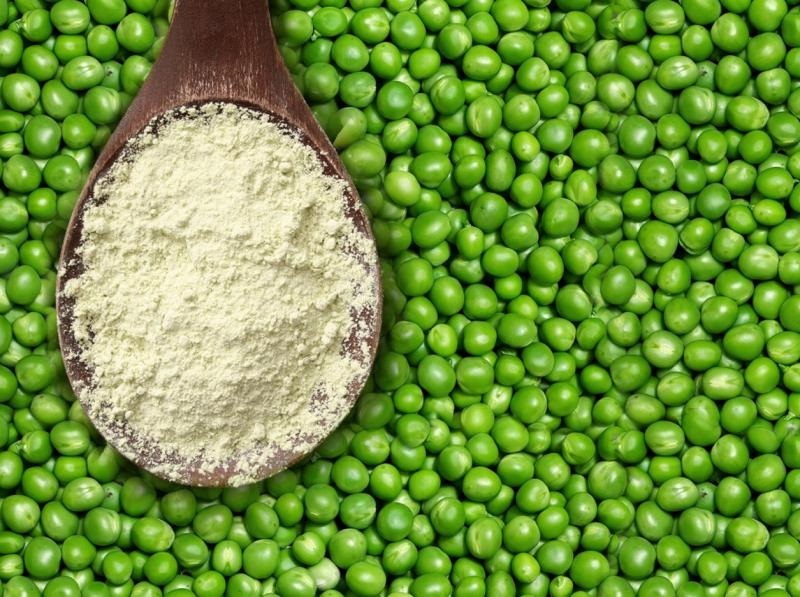
Pea protein is a plant-based, allergen-friendly protein isolate derived from yellow split peas. It’s widely used in food, nutrition, and pharmaceutical industries due to its high protein content, digestibility, and functional versatility.
🧪 Pea Protein | Chemical Properties, Uses, Production & Synonyms
🔹 Synonyms & Identifiers
📊 Chemical & Physical Properties
| Property | Value |
|---|---|
| CAS Number | 222400-29-5 |
| Molecular Formula | Varies by isolate; typically C₁₈H₃₂O₁₆ |
| Density | 1.25–1.35 g/cm³ |
| Melting Point | 79–87 °C (denaturation range) |
| Appearance | Light-colored powder |
| Odor | Mild, slightly nutty |
| Solubility | Soluble in water; dispersible in liquids |
| Stability | Stable; incompatible with strong oxidizers |
| Storage | Store in cool, dry, airtight conditions |
🏭 Production Process
Pea protein is extracted from yellow split peas (Pisum sativum) through the following steps:
-
Dry milling to produce pea flour
-
Water-based isolation to separate starch and fiber
-
Centrifugation and filtration to isolate protein
-
Spray drying to obtain high-purity pea protein isolate (typically >80% protein)
Hydrolyzed pea protein may undergo enzymatic treatment for improved digestibility and solubility.
🍽️ Applications of Pea Protein
✅ Food Industry
-
Meat alternatives (e.g. burgers, sausages, nuggets)
-
Dairy-free products (e.g. plant-based milks, yogurts)
-
Protein powders and supplements
-
Bakery and snacks (texture enhancer, protein enrichment)
-
Gluten-free and allergen-free formulations
🧬 Health & Nutrition
-
High digestibility and bioavailability
-
Rich in essential amino acids (especially lysine)
-
Supports muscle growth and recovery
-
Suitable for vegan, vegetarian, and lactose-intolerant diets
-
Low allergenicity compared to soy or dairy proteins
🧪 Pharmaceutical & Biotech
-
Used in nutraceutical formulations
-
Carrier in functional food delivery systems
-
Potential in controlled-release drug matrices
⚠️ Safety & Regulatory
-
GRAS status (Generally Recognized As Safe) in many countries
-
Non-GMO, gluten-free, dairy-free
-
Daily intake varies by application; typically 15–30 g/day in supplements
-
HS Code: 11082000
🌱 Sustainability & Market Trends
-
Pea protein is considered environmentally sustainable due to low water and land usage
-
Growing demand in plant-based nutrition, especially in sports and wellness sectors
-
Increasing use in clean-label and