Pea Protein, Pea Protein Isolate, Legume Protein, 222400-29-5
PEA PROTEIN
Product Name: Pea Protein
Chemical Name: Pisum sativum Protein
CAS Number: 222400-29-5
EC Number (EINECS): 606-962-3
Source: Yellow peas (Pisum sativum)
Chemical Class: Plant-based protein (globulin, albumin)
SECTION 1: PRODUCT IDENTIFICATION AND DEFINITION
| Parameter |
Information |
| Product Name |
Pea Protein |
| Other Names |
Pea Protein Isolate, Pea Protein Concentrate, Legume Protein, Pisum sativum Protein |
| Source |
Yellow peas (Pisum sativum) |
| CAS Number |
222400-29-5 |
| EC Number (EINECS) |
606-962-3 |
| Chemical Class |
Plant-based protein (globulin, albumin) |
| Appearance |
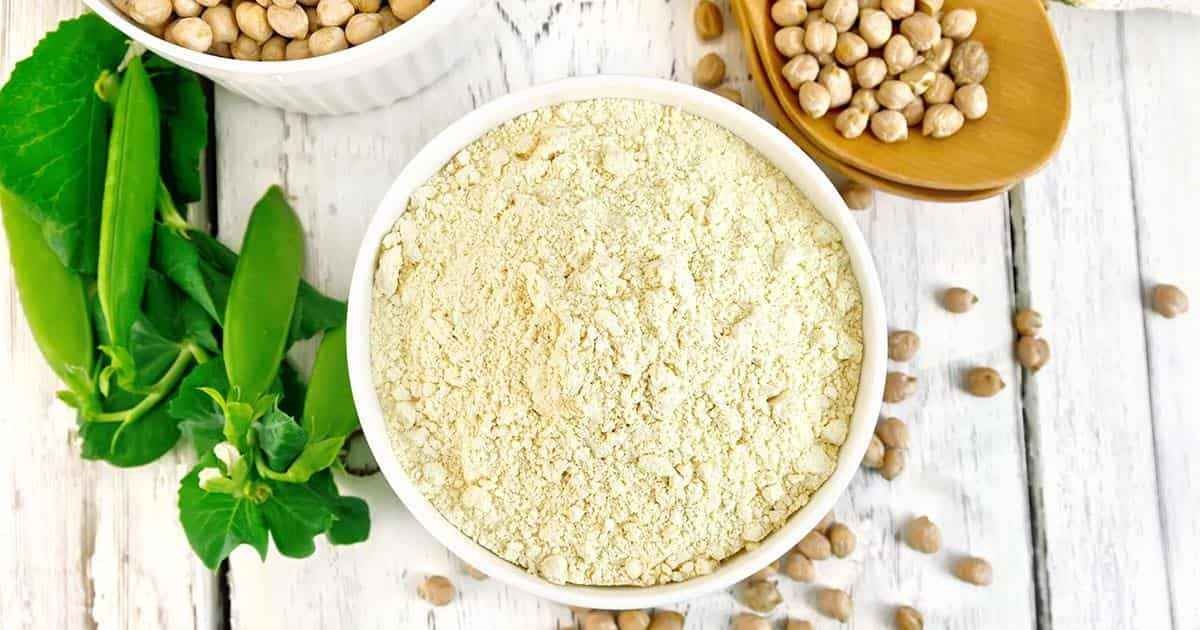
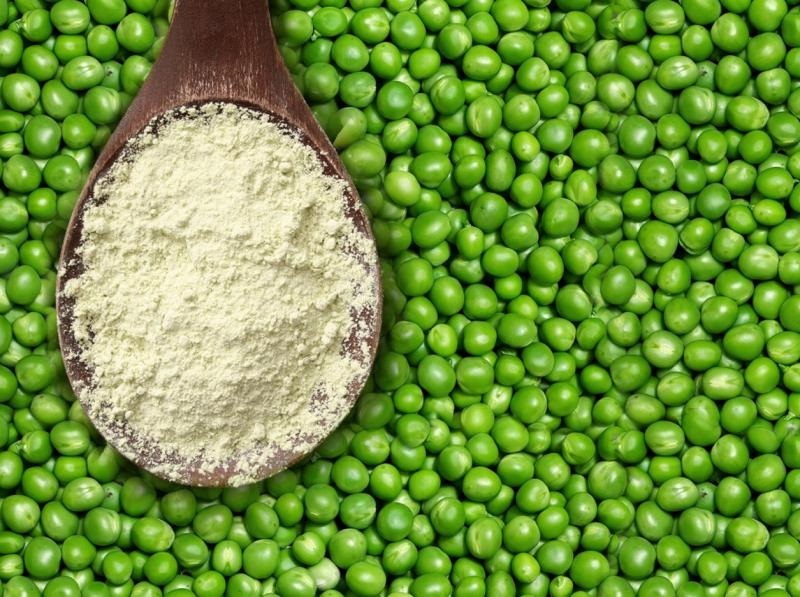
Light yellow to off-white, fine powder |
| Odor |
Slight characteristic, earthy |
| Taste |
Mild, neutral to slightly leguminous |
| Physical State (20°C) |
Solid (powder) |
| Allergen Status |
Hypoallergenic (dairy-free, soy-free, gluten-free, lactose-free) |
SECTION 2: PROTEIN COMPOSITION AND FRACTIONS
2.1. Main Protein Fractions
| Fraction |
Approximate Content (%) |
Description |
| Legumin (11S Globulin) |
50-65% |
Major storage protein; high molecular weight |
| Vicilin (7S Globulin) |
20-35% |
Medium molecular weight; better solubility |
| Albumin |
5-10% |
Water-soluble protein; bioactive peptides |
| Prolamin |
< 1% |
Minor fraction |
2.2. Protein Grades
| Grade |
Protein Content (N x 6.25) |
Description |
| Pea Protein Concentrate |
55-75% |
Partially purified pea protein |
| Pea Protein Isolate |
80-90% |
Highly purified protein |
| Hydrolyzed Pea Protein |
Variable |
Enzymatically processed for improved solubility |
SECTION 3: PHYSICAL PROPERTIES
| Property |
Value |
| Appearance |
Light yellow to off-white, fine powder |
| Protein Content (Concentrate) |
55-75% |
| Protein Content (Isolate) |
80-90% |
| Moisture Content |
≤ 6-8% |
| Fat Content |
≤ 1-3% |
| Fiber Content |
3-5% |
| Ash Content |
≤ 4-6% |
| Density |
1.25 – 1.35 g/cm³ |
| pH (10% slurry) |
6.5 – 7.5 |
| Particle Size |
100 – 400 mesh |
| Water Absorption |
1.5-3 g water/g protein |
| Oil Absorption |
1-2 g oil/g protein |
| Solubility |
Moderate (lowest at pH 5.0-6.0; increases at pH 7.0+ or with hydrolysis) |
| Isoelectric Point (pI) |
~4.5 – 5.0 |
| Denaturation Temperature |
79-87°C |
SECTION 4: CHEMICAL AND NUTRITIONAL PROPERTIES
4.1. Amino Acid Profile (mg/g protein, approximate)
| Amino Acid |
Content (mg/g) |
Essential |
| Glutamic Acid |
160-180 |
No |
| Aspartic Acid |
110-120 |
No |
| Arginine |
75-90 |
Conditionally |
| Leucine |
70-85 |
Yes |
| Valine |
40-50 |
Yes |
| Isoleucine |
35-45 |
Yes |
| Lysine |
65-75 |
Yes |
| Phenylalanine |
45-55 |
Yes |
| Threonine |
35-45 |
Yes |
| Methionine |
10-15 |
Yes (limited) |
| Cysteine |
10-15 |
Conditionally |
| Histidine |
20-30 |
Yes |
| Tryptophan |
10-15 |
Yes |
4.2. Nutritional Profile
| Parameter |
Value |
| PDCAAS |
0.7-0.8 (isolate) |
| DIAAS |
~0.7 |
| Digestibility |
90-95% |
| Biological Value |
~70-75 |
| Protein Efficiency Ratio (PER) |
1.5-2.0 |
| BCAA Content |
High (~150-170 mg/g protein) |
4.3. Mineral Content
| Mineral |
Content (mg/100g) |
| Iron |
5-12 mg |
| Zinc |
2-4 mg |
| Calcium |
40-80 mg |
| Magnesium |
50-100 mg |
| Potassium |
200-400 mg |
SECTION 5: FUNCTIONAL PROPERTIES
| Property |
Description |
| Water Binding Capacity |
Good (1.5-3 g water/g protein) |
| Oil Binding Capacity |
Good (1-2 g oil/g protein) |
| Emulsification |
Good; stable in oil-water mixtures |
| Foaming Capacity |
Moderate to Good; pH and salt concentration dependent |
| Gelation |
Good (heat-induced); pH and ionic strength dependent |
| Viscosity |
Moderate to High |
| Film Formation |
Good |
| Solubility |
pH-dependent (low at pI ~4.5-5.0; increases at neutral/alkaline pH) |
| Heat Stability |
Good (up to 79-87°C) |
SECTION 6: HEALTH BENEFITS
| Benefit |
Description |
| Muscle Growth & Repair |
Rich in BCAAs (leucine, isoleucine, valine); supports muscle protein synthesis |
| Hypoallergenic |
Free from dairy, soy, and gluten; safe for individuals with allergies |
| Digestive Health |
Easily digestible; suitable for lactose-intolerant individuals |
| Weight Management |
Provides high satiety; helps with appetite control |
| Heart Health |
Low fat and cholesterol content; supports cardiovascular health |
| Blood Pressure Control |
Contains ACE-inhibitory bioactive peptides |
| Immune Support |
Arginine content supports immune function |
| Energy Levels |
Rich in iron; may boost energy levels |
| Antioxidant Activity |
Bioactive peptides with antioxidant properties |
SECTION 7: APPLICATION AREAS
7.1. Food Industry
| Application |
Function |
| Meat Analogues |
Burgers, nuggets, sausages, ground meat; provides texture and binding |
| Protein Bars |
High-protein snack bars |
| Protein Beverages |
Protein shakes, smoothies, sports drinks |
| Dairy Alternatives |
Pea milk, yogurt, cheese |
| Bakery Products |
Bread, cakes, cookies, gluten-free flour blends |
| Gluten-Free Products |
Binder and protein enhancer |
| Soups and Sauces |
Thickener, nutritional enrichment |
| Snack Foods |
Protein-enriched chips and crackers |
| Pasta and Noodles |
Protein fortification and texture improvement |
7.2. Sports Nutrition
| Application |
Function |
| Protein Powders |
Pre/post-workout plant-based protein supplement |
| Muscle Development |
BCAA content supports muscle recovery and growth |
| Meal Replacements |
Weight management and satiety |
7.3. Nutraceuticals and Dietary Supplements
| Application |
Function |
| Dietary Supplements |
Alternative to whey and soy protein |
| Vegan/Vegetarian Products |
Animal-free protein source |
| Functional Foods |
Protein fortification |
SECTION 8: QUALITY SPECIFICATIONS (FOOD GRADE)
8.1. Pea Protein Concentrate
| Parameter |
Specification |
| Appearance |
Light yellow to cream, fine powder |
| Protein Content (N x 6.25) |
55-75% |
| Moisture |
≤ 8.0% |
| Fat Content |
≤ 3.0% |
| Fiber Content |
≤ 5.0% |
| Ash Content |
≤ 6.0% |
| pH (10% slurry) |
6.5 – 7.5 |
| Particle Size |
95% passing 100 mesh |
| Heavy Metals (as Pb) |
≤ 10 ppm |
| Lead (Pb) |
≤ 2 ppm |
| Arsenic (As) |
≤ 3 ppm |
| Mercury (Hg) |
≤ 1 ppm |
| Cadmium (Cd) |
≤ 1 ppm |
| Total Plate Count |
≤ 10,000 CFU/g |
| Yeast and Mold |
≤ 100 CFU/g |
| Salmonella spp. |
Negative in 25g |
| Escherichia coli |
Negative in 10g |
8.2. Pea Protein Isolate
| Parameter |
Specification |
| Appearance |
Light yellow to off-white, fine powder |
| Protein Content (N x 6.25) |
80-90% |
| Moisture |
≤ 6.0% |
| Fat Content |
≤ 1.0% |
| Fiber Content |
≤ 2.0% |
| Ash Content |
≤ 4.0% |
| pH (10% slurry) |
6.5 – 7.5 |
| Nitrogen Solubility Index |
≥ 70% |
| Heavy Metals |
≤ 10 ppm |
| Total Plate Count |
≤ 5,000 CFU/g |
| Yeast and Mold |
≤ 100 CFU/g |
SECTION 9: MICROBIOLOGICAL SPECIFICATIONS
| Parameter |
Specification |
| Total Aerobic Mesophilic Bacteria |
≤ 10,000 CFU/g |
| Yeast and Mold |
≤ 100 CFU/g |
| Salmonella spp. |
Negative in 25g |
| Escherichia coli |
Negative in 10g |
| Staphylococcus aureus |
Negative in 1g |
| Bacillus cereus |
≤ 100 CFU/g |
| Coliform Bacteria |
≤ 10 CFU/g |
SECTION 10: TYPICAL DOSAGE
| Application |
Recommended Dosage |
| Protein Powders (Athletes) |
15-30 g per serving |
| Protein Bars |
10-30% of formulation |
| Meat Analogues |
15-30% of formulation |
| Dairy Alternatives |
5-10% of formulation |
| Bakery Products |
5-15% of flour weight |
| Gluten-Free Products |
5-15% of formulation |
| Smoothies and Beverages |
10-20 g per serving |
| General Supplementation |
15-30 g daily |
SECTION 11: STORAGE AND SHELF LIFE
| Parameter |
Information |
| Storage Conditions |
Cool (15-25°C), dry, well-ventilated area |
| Container Requirements |
Tightly closed, original packaging (hygroscopic) |
| Protect From |
Moisture, heat, direct sunlight |
| Shelf Life |
24-36 months (unopened original packaging) |
| Stability Note |
Hygroscopic; absorbs moisture; store in airtight containers |
SECTION 12: PACKAGING OPTIONS
| Packaging Type |
Quantity |
Material |
| Aluminum foil bag |
1-5 kg |
Laminated aluminum |
| PE-lined kraft paper bag |
10-25 kg |
Kraft paper + PE |
| Plastic pail |
20-25 kg |
HDPE |
| Fiber drum |
25-50 kg |
HDPE + PE liner |
| Big-Bag |
500-1000 kg |
Polypropylene (with PE liner) |
SECTION 13: SAFETY AND HEALTH INFORMATION
GHS Classification (Bulk Powder)
| Hazard Class |
Category |
| Not classified as hazardous |
– |
Hazard Statements
| Code |
Statement |
| None |
Not classified as hazardous |
Precautionary Statements
| Code |
Statement |
| P261 |
Avoid breathing dust |
| P280 |
Wear protective gloves/eye protection |
| P305+P351+P338 |
IF IN EYES: Rinse cautiously with water for several minutes; remove contact lenses if present and easy to do; continue rinsing |
SECTION 14: TOXICOLOGICAL INFORMATION
| Parameter |
Value |
| Oral LD50 (Rat) |
> 5,000 mg/kg |
| Skin Irritation |
Non-irritant |
| Eye Irritation |
Mild irritant |
| Skin Sensitization |
Non-sensitizer |
| Carcinogenicity |
Not classified |
| Mutagenicity |
Negative in standard tests |
| Allergen Status |
Hypoallergenic (no major allergens) |
| GRAS Status |
Generally Recognized as Safe |
SECTION 15: REGULATORY STATUS
| Region / Authority |
Status |
| European Union |
Approved as food ingredient |
| USA (FDA) |
GRAS (Generally Recognized as Safe) |
| Turkey |
Approved as food ingredient |
| EFSA |
Safety assessment completed |
| HS Code |
11082000 |
SECTION 16: TRANSPORT INFORMATION
| Parameter |
Information |
| UN Number |
Not regulated (not dangerous goods) |
| Hazard Class |
Not applicable |
| Packing Group |
Not applicable |
| ADR/RID |
Not regulated |
| IMDG Code |
Not regulated |
| IATA (Air) |
Not regulated |
| Marine Pollutant |
No |
SECTION 17: FIRE-FIGHTING MEASURES
| Parameter |
Information |
| Fire Hazard |
Combustible organic powder |
| Suitable Extinguishing Media |
Water spray (mist), CO₂, dry chemical powder |
| Specific Hazards |
When heated, emits CO, CO₂, nitrogen oxides |
| Decomposition Products |
CO, CO₂, NOx |
| Protective Equipment |
Self-contained breathing apparatus (SCBA), full protective clothing |
SECTION 18: ACCIDENTAL SPILLAGE AND CLEANUP
| Parameter |
Information |
| Personal Protection |
Nitrile gloves, protective goggles, dust mask (N95) |
| Cleaning Methods |
Sweep or vacuum; avoid dust generation |
| Environmental Precautions |
Prevent entry into drains, soil, and surface waters |
| Waste Disposal |
According to local regulations; landfilling at licensed facilities |
SECTION 19: OTHER NAMES AND SYNONYMS
| Type |
Name |
| Turkish Names |
Bezelye Proteini, Bezelye Protein İzolatı, Bezelye Protein Konsantresi, Baklagil Proteini |
| English Names |
Pea Protein, Pea Protein Isolate, Pea Protein Concentrate, Pisum sativum Protein |
| Scientific Name |
Pisum sativum Protein |
| CAS Number |
222400-29-5 |
| EC Number |
606-962-3 |
SECTION 20: SUMMARY AND CRITICAL NOTES
Product Summary
| Parameter |
Value |
| Product |
Pea Protein |
| CAS Number |
222400-29-5 |
| Appearance |
Light yellow to off-white, fine powder |
| Protein Content |
55-75% (concentrate), 80-90% (isolate) |
| Primary Function |
Plant-based protein source |
Critical Notes
-
Hypoallergenic: Pea protein is free from dairy, soy, and gluten; safe for individuals with lactose intolerance and soy allergies.
-
High Protein Content: Concentrate contains 55-75% protein; isolate contains 80-90% protein.
-
Rich in BCAAs and Arginine: High in branched-chain amino acids (leucine, isoleucine, valine) and arginine; supports muscle development.
-
Excellent Digestibility: Digestibility of approximately 90-95%; PDCAAS of 0.7-0.8.
-
Limiting Amino Acid: Methionine and cysteine (sulfur-containing amino acids) are limiting; combination with grains is recommended.
-
Versatile Applications: Used in meat analogues, protein bars, beverages, bakery products, dairy alternatives, gluten-free products, and sports nutrition.
-
Sustainable: Lower environmental impact compared to animal proteins (less water and land usage).
-
GRAS Status: Recognized as "Generally Recognized as Safe" by the FDA.
-
Shelf Life: 24-36 months when stored in cool, dry conditions.
-
Antioxidant and Cardiovascular Benefits: ACE-inhibitory bioactive peptides may help reduce blood pressure.
IMPORTANT DECLARATION: This Technical Data Sheet (TDS) is for informational purposes only and has been prepared based on available technical data. The user is responsible for determining the product's suitability for their specific application and for complying with all local, national, and international regulations. For complete safety, storage, use, transport, waste, and regulatory compliance information, refer to the official Safety Data Sheet (SDS/MSDS) provided by the manufacturer/supplier.