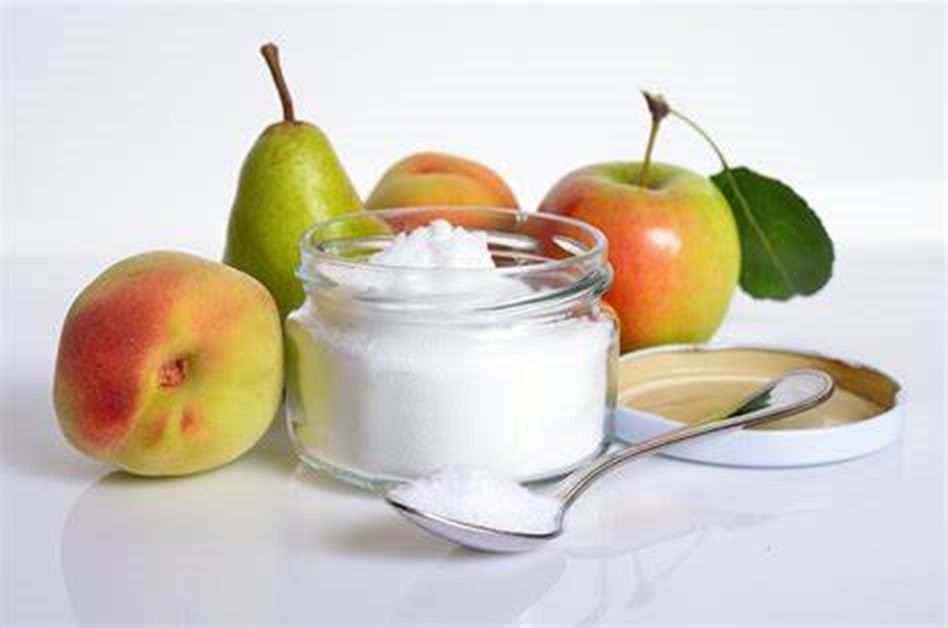
Fructo Oligo Saccharide, Oligofructan, Oligofructose, FOS, GOFOS, 308066-66-2
FRUCTO-OLIGOSACCHARIDES (FOS)
Product Name: Fructo-Oligosaccharides
Common Name: FOS, Oligofructose, Oligofructan
CAS Number: 308066-66-2
Chemical Class: Prebiotic dietary fiber (oligosaccharide)
Source: Agave, chicory root, onion, garlic, banana, asparagus, Jerusalem artichoke, leek
SECTION 1: PRODUCT IDENTIFICATION AND DEFINITION
| Parameter |
Information |
| Product Name |
Fructo-Oligosaccharides (FOS) |
| Other Names |
Oligofructose, Oligofructan, Oligo Fructose, Oligo Fruktan, Oligo Fruktoz, FOS, GOFOS, Prebiotic Fiber |
| Source |
Agave plant, chicory root, onion, garlic, banana, asparagus, Jerusalem artichoke, leek |
| CAS Number |
308066-66-2 |
| Chemical Formula |
C₆H₁₂O₆ (monomer), polymers vary |
| Molecular Weight |
164.16 g/mol (monomer); polymer chain length varies |
| Chemical Class |
Oligosaccharide, prebiotic dietary fiber |
| Appearance |
White to off-white powder or clear to light amber liquid |
| Odor |
Slight characteristic, mildly sweet |
| Taste |
Mildly sweet (approximately 30-50% sweetness of sucrose) |
| E Number |
Not assigned |
| Physical State (20°C) |
Solid (powder) or liquid (syrup) |
| Allergen Status |
Hypoallergenic (dairy-free, soy-free, gluten-free) |
SECTION 2: CHEMICAL COMPOSITION AND STRUCTURE
2.1. Chemical Structure
| Parameter |
Information |
| Chemical Name |
β-D-Fructofuranosyl-(2→1)-β-D-fructofuranosyl α-D-glucopyranoside (GFn) |
| General Formula |
GFn (glucose-fructose chain) or Fn (fructose chain) |
| Degree of Polymerization (DP) |
2 – 10 units |
| Glycosidic Linkage |
β(2→1) linkage between fructose units |
| Sugar Composition |
Glucose + Fructose (G-Fn) or Fructose only (Fn) |
| End Group |
Terminal glucose (in GF type) or terminal fructose (in F type) |
2.2. Types of FOS
| Type |
Structure |
Description |
| Inulin-type FOS |
GFn (n=2-10) |
Chain length typically 2-10 fructose units |
| Oligofructose |
GFn (n=2-4) |
Shorter chain length |
| ScFOS |
GFn (n=2-5) |
Short-chain fructo-oligosaccharides |
| FOS from Sucrose |
GFn |
Produced enzymatically from sucrose |
SECTION 3: PHYSICAL PROPERTIES
| Property |
Value |
| Appearance |
White to off-white powder or clear to light amber liquid |
| Taste |
Mildly sweet (30-50% sweetness of sucrose) |
| Solubility |
Highly soluble in water; soluble in hot and cold water |
| Water Solubility |
> 85 g/100 mL (20°C) |
| Density |
~1.5 g/cm³ (powder); liquid density varies |
| pH (10% solution) |
4.5 – 7.0 |
| Melting Point |
180-200°C (decomposes) |
| Glass Transition Temperature |
~50-70°C |
| Hygroscopicity |
Hygroscopic (absorbs moisture) |
| Viscosity |
Low to moderate (lower than sucrose) |
| Bulk Density |
0.4 – 0.8 g/cm³ (powder) |
| Particle Size |
100 – 400 mesh (powder) |
SECTION 4: CHEMICAL AND NUTRITIONAL PROPERTIES
4.1. Nutritional Profile (per 100g)
| Parameter |
Value |
| Total Calories |
1.5 – 2.0 kcal/g (approximately 150-200 kcal/100g) |
| Total Carbohydrate |
95-99% |
| Dietary Fiber Content |
85-95% (as prebiotic fiber) |
| Sugars (Free) |
< 5% |
| Water Content (Powder) |
≤ 5% |
| Water Content (Liquid/Syrup) |
20-40% |
| Ash Content |
≤ 0.5% |
| pH (10% solution) |
4.5 – 7.0 |
4.2. Purity and Composition Specifications
| Parameter |
Specification |
| FOS Content (DP 2-10) |
≥ 95% (powder), ≥ 75% (liquid) |
| Glucose + Fructose (Free) |
< 5% |
| Sucrose |
< 10% |
| DP2 (Kestose) |
20-30% |
| DP3 (Nystose) |
15-25% |
| DP4-10 (Higher Polymers) |
40-60% |
SECTION 5: FUNCTIONAL PROPERTIES
| Property |
Description |
| Sweetness |
30-50% sweetness of sucrose (mild, clean sweetness) |
| Solubility |
Excellent; dissolves readily in cold and hot water |
| Stability |
Stable at low pH and high temperatures; degrades at pH < 3 and temperatures > 140°C |
| Humectant |
Good hygroscopic properties; retains moisture |
| Viscosity |
Low (10-20% solution similar to water) |
| Freezing Point Depression |
Similar to sucrose |
| Browning (Maillard) |
Does not participate in Maillard reaction (no free aldehyde group) |
| Osmotic Pressure |
Lower than sucrose |
| Crystal Formation |
Does not crystallize easily; prevents sugar crystallization |
| Foaming Properties |
Good foam stabilizer |
SECTION 6: PREBIOTIC PROPERTIES AND HEALTH BENEFITS
6.1. Prebiotic Classification
| Parameter |
Description |
| Definition |
Selectively fermented ingredient that allows specific changes in the composition and/or activity of the gastrointestinal microbiota that confer benefits on host well-being and health |
| Fermentation Rate |
Rapidly fermented by gut microflora |
| Fermentation Site |
Primarily the colon (large intestine) |
| Primary Fermenters |
Bifidobacterium, Lactobacillus species |
6.2. Health Benefits
| Benefit |
Description |
| Digestive Health |
Stimulates growth of beneficial bacteria (Bifidobacteria, Lactobacilli); inhibits pathogenic bacteria; supports gut barrier function |
| Immune Support |
Modulates immune response; increases IgA production; enhances natural killer cell activity |
| Calcium and Magnesium Absorption |
Increases mineral absorption (calcium, magnesium); supports bone health |
| Blood Sugar Control |
Low glycemic index; improves glycemic response; suitable for diabetics |
| Lipid Metabolism |
Reduces serum triglycerides and cholesterol levels |
| Weight Management |
Low calorie (1.5-2.0 kcal/g); promotes satiety; supports healthy weight management |
| Colon Health |
May reduce risk of colon cancer; production of short-chain fatty acids (SCFA) |
| Regularity |
Promotes regular bowel movements; prevents constipation |
| Skin Health |
May improve atopic dermatitis symptoms in infants |
SECTION 7: APPLICATION AREAS
7.1. Food Industry
| Application |
Function |
| Dairy Products |
Prebiotic fiber enrichment; low-calorie sweetener |
| Yogurt and Fermented Milks |
Stimulates probiotic growth; improves texture |
| Bakery Products |
Moisture retention; low-calorie sweetener; fiber enrichment |
| Breakfast Cereals |
Fiber fortification; texture improvement |
| Beverages |
Prebiotic fiber addition; soluble fiber source |
| Confectionery |
Sugar reduction (30-50% sweetness); prevents crystallization |
| Ice Cream and Frozen Desserts |
Low glycemic sweetener; improves texture; prebiotic fiber |
| Infant Formula |
Prebiotic addition (approved in many regions) |
| Nutrition Bars |
Fiber enrichment; sugar reduction; moisture management |
| Table Sweeteners |
Low-calorie sweetener; prebiotic benefits |
7.2. Dietary Supplements
| Application |
Function |
| Prebiotic Supplements |
Gut health support; microbiome modulation |
| Probiotic Combinations |
Synbiotic formulations with probiotics |
| Fiber Supplements |
Soluble dietary fiber source |
| Digestive Health Products |
Constipation relief; gut health maintenance |
7.3. Animal Nutrition
| Application |
Function |
| Animal Feed |
Promotes gut health in livestock; antibiotic alternative |
| Pet Food |
Prebiotic fiber; digestive health support |
SECTION 8: QUALITY SPECIFICATIONS (FOOD GRADE)
8.1. FOS Powder (Food Grade)
| Parameter |
Specification |
| Appearance |
White to off-white, free-flowing powder |
| FOS Content (HPLC) |
≥ 95% |
| Moisture |
≤ 5.0% |
| pH (10% solution) |
4.5 – 7.0 |
| Ash Content |
≤ 0.5% |
| Protein |
≤ 0.5% |
| Sucrose + Glucose + Fructose |
≤ 5% |
| Heavy Metals (as Pb) |
≤ 5 ppm |
| Lead (Pb) |
≤ 1 ppm |
| Arsenic (As) |
≤ 1 ppm |
| Mercury (Hg) |
≤ 1 ppm |
| Cadmium (Cd) |
≤ 1 ppm |
| Total Plate Count |
≤ 1,000 CFU/g |
| Yeast and Mold |
≤ 50 CFU/g |
| Salmonella spp. |
Negative in 25g |
| Escherichia coli |
Negative in 10g |
| Coliforms |
≤ 10 CFU/g |
8.2. FOS Liquid/Syrup
| Parameter |
Specification |
| Appearance |
Clear to light amber liquid |
| FOS Content (HPLC) |
≥ 75% (dry basis) |
| Total Solids |
70-75% |
| pH |
4.5 – 7.0 |
| Color |
< 100 ICUMSA |
| Brix |
70-75° |
| Moisture |
25-30% |
SECTION 9: MICROBIOLOGICAL SPECIFICATIONS
| Parameter |
Specification |
| Total Aerobic Mesophilic Bacteria |
≤ 1,000 CFU/g |
| Yeast and Mold |
≤ 50 CFU/g |
| Salmonella spp. |
Negative in 25g |
| Escherichia coli |
Negative in 10g |
| Staphylococcus aureus |
Negative in 1g |
| Coliforms |
≤ 10 CFU/g |
SECTION 10: TYPICAL DOSAGE
| Application |
Recommended Dosage |
| Daily Prebiotic Supplementation |
2.5 – 15 g/day |
| General Well-being |
2.5 – 5 g/day |
| Digestive Health |
5 – 10 g/day |
| Infant Formula |
0.2 – 0.4 g/100 mL (as per regional regulations) |
| Yogurt and Dairy |
1 – 5% of formulation |
| Beverages |
1 – 5% of formulation |
| Bakery Products |
3 – 8% of formulation |
| Nutrition Bars |
5 – 15% of formulation |
| Synbiotic Products |
2.5 – 5 g/day (with probiotics) |
| Pet Food |
0.1 – 0.5% of feed |
SECTION 11: STORAGE AND SHELF LIFE
| Parameter |
Information |
| Storage Conditions |
Cool (15-25°C), dry, well-ventilated area |
| Container Requirements |
Tightly closed, original packaging (hygroscopic) |
| Protect From |
Moisture, heat, direct sunlight |
| Shelf Life (Powder) |
24-36 months (unopened original packaging) |
| Shelf Life (Liquid) |
12-24 months (unopened original packaging) |
| Stability Note |
Hygroscopic; absorbs moisture; store in airtight containers. Stable at room temperature; avoid freezing (liquid may crystallize). |
SECTION 12: PACKAGING OPTIONS
| Packaging Type |
Quantity |
Material |
| Aluminum foil bag |
1-5 kg |
Laminated aluminum |
| PE-lined kraft paper bag |
10-25 kg |
Kraft paper + PE |
| Plastic pail |
20-25 kg |
HDPE |
| Fiber drum |
25-50 kg |
HDPE + PE liner |
| Big-Bag |
500-1000 kg |
Polypropylene (with PE liner) |
| Plastic drum (Liquid) |
200-250 kg |
HDPE (food grade) |
| IBC Tote (Liquid) |
1000-1400 kg |
HDPE (food grade) |
SECTION 13: SAFETY AND HEALTH INFORMATION
GHS Classification (Bulk Powder)
| Hazard Class |
Category |
| Not classified as hazardous |
– |
Hazard Statements
| Code |
Statement |
| None |
Not classified as hazardous |
Precautionary Statements
| Code |
Statement |
| P261 |
Avoid breathing dust |
| P280 |
Wear protective gloves/eye protection |
| P305+P351+P338 |
IF IN EYES: Rinse cautiously with water for several minutes; remove contact lenses if present and easy to do; continue rinsing |
SECTION 14: TOXICOLOGICAL INFORMATION
| Parameter |
Value |
| Oral LD50 (Rat) |
> 5,000 mg/kg |
| Skin Irritation |
Non-irritant |
| Eye Irritation |
Mild irritant |
| Skin Sensitization |
Non-sensitizer |
| Carcinogenicity |
Not classified |
| Mutagenicity |
Negative in standard tests |
| Allergen Status |
Hypoallergenic; generally well tolerated |
| GI Tolerance |
May cause flatulence, bloating at doses > 15g/day; tolerance improves with adaptation |
| GRAS Status |
Generally Recognized as Safe (USA) |
SECTION 15: REGULATORY STATUS
| Region / Authority |
Status |
| European Union |
Approved as food ingredient; Novel Food approval |
| USA (FDA) |
GRAS (Generally Recognized as Safe) |
| EFSA |
Approved; health claims approved for digestive health |
| CODEX Alimentarius |
Recognized as dietary fiber |
| Turkey |
Approved as food ingredient |
| JECFA |
Acceptable daily intake: not specified |
SECTION 16: TRANSPORT INFORMATION
| Parameter |
Information |
| UN Number |
Not regulated (not dangerous goods) |
| Hazard Class |
Not applicable |
| Packing Group |
Not applicable |
| ADR/RID |
Not regulated |
| IMDG Code |
Not regulated |
| IATA (Air) |
Not regulated |
| Marine Pollutant |
No |
SECTION 17: FIRE-FIGHTING MEASURES
| Parameter |
Information |
| Fire Hazard |
Combustible organic powder |
| Suitable Extinguishing Media |
Water spray (mist), CO₂, dry chemical powder |
| Specific Hazards |
When heated, emits CO, CO₂ |
| Decomposition Products |
CO, CO₂ |
| Protective Equipment |
Self-contained breathing apparatus (SCBA), full protective clothing |
SECTION 18: ACCIDENTAL SPILLAGE AND CLEANUP
| Parameter |
Information |
| Personal Protection |
Nitrile gloves, protective goggles, dust mask (N95) |
| Cleaning Methods |
Sweep or vacuum; avoid dust generation. For liquid, absorb with inert material. |
| Environmental Precautions |
Prevent entry into drains, soil, and surface waters |
| Waste Disposal |
According to local regulations; landfilling at licensed facilities |
SECTION 19: OTHER NAMES AND SYNONYMS
| Type |
Name |
| Turkish Names |
Frukto Oligo Sakkarit, Oligo Fruktoz, Oligofruktan, Prebiyotik Lif, FOS, GOFOS |
| English Names |
Fructo-Oligosaccharides, Oligofructose, Oligofructan, Prebiotic Fiber, FOS |
| Common Abbreviations |
FOS, ScFOS, OF, GOFOS |
| CAS Number |
308066-66-2 |
| Commercial Names |
Actilight, Beneo, NutraFlora, Oliggo-Fiber, Raftilose, Raftiline |
SECTION 20: SUMMARY AND CRITICAL NOTES
Product Summary
| Parameter |
Value |
| Product |
Fructo-Oligosaccharides (FOS) |
| CAS Number |
308066-66-2 |
| Appearance |
White to off-white powder or clear to light amber liquid |
| FOS Content (Powder) |
≥ 95% |
| FOS Content (Liquid) |
≥ 75% |
| Sweetness |
30-50% of sucrose |
| Calories |
1.5-2.0 kcal/g |
| Primary Function |
Prebiotic dietary fiber |
Critical Notes
-
Prebiotic Agent: FOS is a proven prebiotic that selectively stimulates the growth of beneficial bacteria (Bifidobacteria, Lactobacilli) in the gut.
-
Naturally Occurring: Found naturally in agave, chicory root, onions, garlic, bananas, asparagus, Jerusalem artichokes, and leeks.
-
Mild Sweetness: Provides 30-50% sweetness of sucrose with a clean, pleasant taste; excellent for sugar reduction.
-
Low Caloric Value: Provides only 1.5-2.0 kcal/g, making it suitable for weight management and low-calorie formulations.
-
High Solubility: Excellent solubility in cold and hot water; easy to incorporate into various food matrices.
-
Thermal Stability: Stable at low pH and high temperatures; does not participate in Maillard browning reactions.
-
GI Effects: May cause flatulence, bloating, or intestinal discomfort at doses > 15g/day; gradual introduction improves tolerance.
-
Health Benefits: Supports digestive health, enhances mineral absorption, improves blood sugar control, modulates immune function, and supports lipid metabolism.
-
Synbiotic Potential: Often combined with probiotics (synbiotics) for enhanced gut health benefits.
-
Versatile Applications: Used in dairy, bakery, beverages, confectionery, infant formula, and supplements.
-
EFSA Health Claims: Approved health claims include maintenance of normal defecation and improving calcium absorption.
IMPORTANT DECLARATION: This Technical Data Sheet (TDS) is for informational purposes only and has been prepared based on available technical data. The user is responsible for determining the product's suitability for their specific application and for complying with all local, national, and international regulations. For complete safety, storage, use, transport, waste, and regulatory compliance information, refer to the official Safety Data Sheet (SDS/MSDS) provided by the manufacturer/supplier.